
Why Do Hair Transplants Fail? Causes and Prevention

Choosing a Clinic
Why Do Hair Transplants Fail? Causes and Prevention
The primary reasons hair transplants fail come down to four causes: inexperienced high-volume clinics, poor candidate selection, inadequate aftercare and unrealistic expectations. Each one is largely preventable when the right team screens, plans and follows through.

Key takeaways
- In the medical community, a failed transplant means a significant share of the grafts did not survive, or the result looks highly unnatural and patchy.
- Inexperienced, high-volume clinics are one of the biggest risks: rough graft handling, unnatural angles and depth, and an over-harvested donor area.
- Candidate selection is the second cause. Unstable hair loss, undiagnosed medical conditions and a thin donor supply all set a procedure up to fail.
- Once you leave the clinic, graft survival is largely in your hands: no scratching, tight hats, aggressive washing, nicotine or harsh sun on the healing scalp.
- A transplant redistributes the hair you have; it cannot recreate age-18 density. Realistic expectations, set before the procedure, are part of a successful result.
When researching hair restoration, you will see thousands of incredible, life-changing transformations. Modern hair transplantation is widely considered one of the most successful and permanent cosmetic procedures available today. Dig deep enough into forums or social media, though, and you will also come across stories of procedures that did not go as planned.
In the medical community, a "failed" hair transplant generally refers to an outcome where a significant portion of the transplanted hair does not survive, or the final aesthetic result looks highly unnatural and patchy.
At Advanced Hair Restoration®, we want you to understand why procedures fail in the broader industry is the most powerful tool you have to ensure your own restoration is a complete success. Below are the primary reasons hair transplants fail, and how the right precautions can virtually eliminate those risks.
Inexperienced, high-volume clinics
One of the biggest factors in the success of a hair transplant is the skill and experience of the medical team. Unfortunately, soaring global demand for hair restoration has led to a rise in "black-market," budget and high-volume clinics that prioritize speed over medical precision.
When a procedure is performed by an unqualified or inexperienced practitioner, several critical errors can occur:
- Graft mishandling. Hair follicles are microscopic and incredibly fragile. If they are extracted roughly (causing transection), left outside of the body for too long, or allowed to dehydrate, the root will die before it is ever implanted.
- Improper angulation. Natural hair grows at very specific angles and directions. Inexperienced technicians often implant grafts in unnatural rows or at the wrong depth, leading to a "pluggy" or artificial appearance.
- Donor area depletion. Over-harvesting the back of the head can leave the donor area looking permanently moth-eaten and depleted, severely compromising your native hair in the process.
Poor candidate selection
Not everyone is an immediate candidate for a hair transplant. A reputable surgeon will turn away a patient if the clinical conditions are not optimal. Transplant failures frequently occur when profit-driven clinics operate on patients who should have been advised to wait or seek alternative treatments.
- Unstable hair loss. Hair loss is a progressive condition. If a surgeon operates on a younger patient whose hair loss has not been medically stabilized, the patient will continue to lose native hair behind the transplant area over time, creating an unnatural "island" of transplanted hair.
- Underlying medical conditions. Undiagnosed issues such as thyroid imbalances, severe nutritional deficiencies, or autoimmune disorders (like alopecia areata or lichen planopilaris) can cause the body's immune system to attack the new follicles, preventing them from growing.
- Inadequate donor supply. If a patient's donor hair is already heavily miniaturized or too thin, moving it to the front of the scalp will not magically make it thicker. The result will be a visibly thin, transparent hairline.
Dr. Parungao on younger patients
Dr. Parungao says: "While we are able to safely operate on patients in their late teens and early 20's, this is done on a case by case basis."
Inadequate post-operative care
A hair transplant is a partnership between the medical team and the patient. Once you leave the clinic, the survival of the grafts is largely in your hands. Even the most perfectly executed procedure can fail if post-operative guidelines are ignored.
Common aftercare mistakes that lead to failure include:
- Physical trauma. Scratching the scalp, wearing tight hats too soon, or aggressive washing can physically dislodge the unsecured grafts before they have time to anchor into the blood supply.
- Smoking and nicotine. Nicotine aggressively constricts blood vessels. Because the newly transplanted follicles require a massive influx of oxygen and nutrients to heal and survive, smoking severely chokes off this blood flow, leading to widespread graft death.
- Sun exposure. Exposing the healing scalp to direct, harsh UV rays can severely damage the tissue and the grafts, compromising the final result.
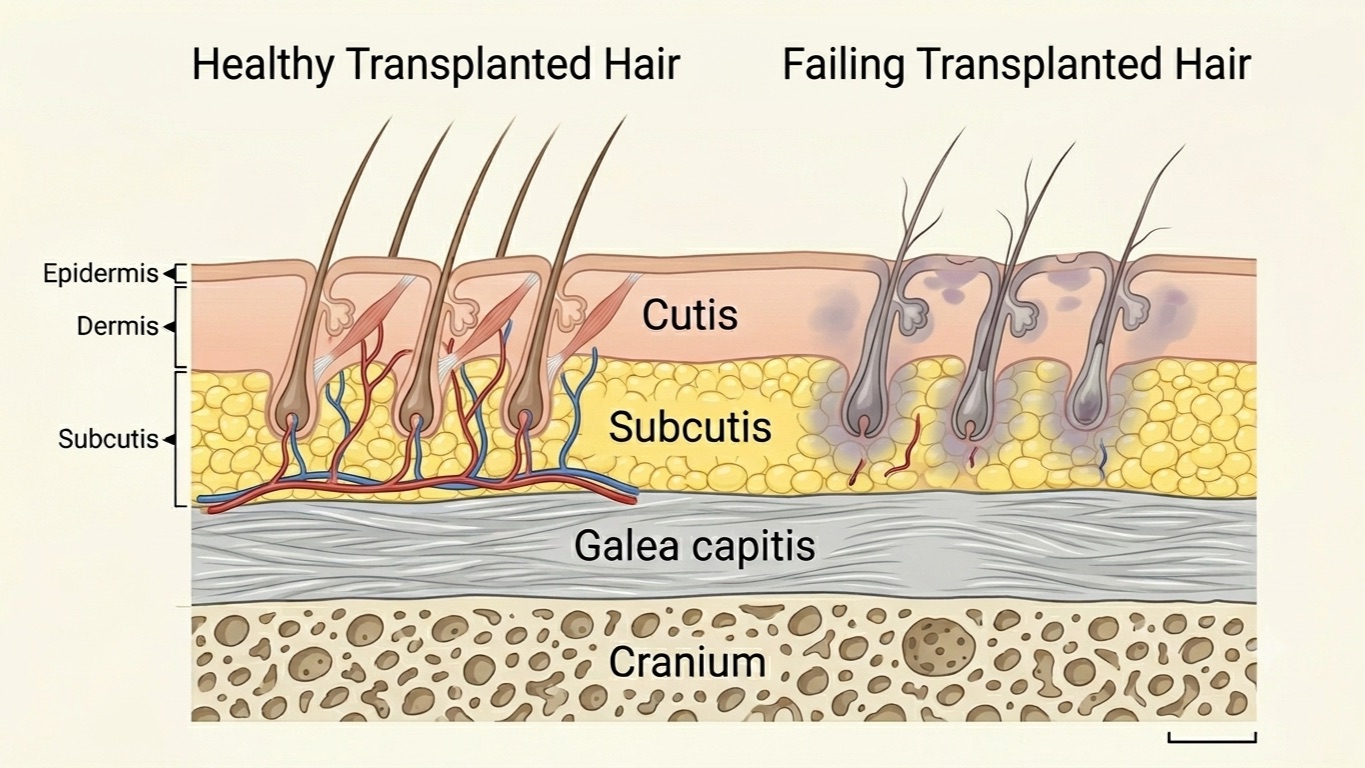
For the specifics on washing after your procedure, read how to wash your hair after a hair transplant.
Unrealistic expectations
Sometimes a hair transplant is clinically flawless. All the grafts survive, the angles are perfect, and the density is healthy. The patient still considers it a "failure."
This occurs due to a breakdown in communication regarding realistic expectations. A hair transplant cannot restore your hair to the exact density you had at age 18, nor can it create new donor hair out of thin air. It is an illusion of density created by strategically redistributing your existing hair. If a clinic promises the impossible, the patient will inevitably be disappointed.
Free consultation
Get an honest answer before you book anywhere
A free consultation with the Advanced Hair Restoration medical team tells you whether your hair loss is stable, whether your donor supply can support the plan, and what a realistic result looks like.
The Advanced Hair Restoration standard
At Advanced Hair Restoration, we do not leave your results to chance. We have engineered our clinical protocols to systematically eliminate the risks that plague the broader industry, at each stage of your care.
01
Strict medical vetting
We conduct exhaustive pre-operative consultations. If your hair loss is unstable or you are not a viable candidate, we will tell you the truth and suggest alternative medical management solutions.
02
Uncompromising expertise
Every procedure is meticulously planned and executed by specialized, highly trained medical professionals who dedicate their practice entirely to hair restoration.
03
Comprehensive aftercare
We provide precise, day-by-day recovery protocols and remain actively involved in your post-operative journey to ensure your newly transplanted follicles thrive.
When performed correctly, on the right patient, under strict medical standards, a hair transplant is a permanent, natural-looking triumph.
Medical review policy
This article has been medically reviewed for accuracy by the medical team at Advanced Hair Restoration. Content is based on current clinical guidelines, FDA regulatory history, and peer-reviewed dermatological literature as of 2026.
Questions patients ask
Questions about failed transplants
What counts as a failed hair transplant?
In the medical community, a failed hair transplant generally means a significant portion of the transplanted hair does not survive, or the final result looks highly unnatural and patchy. A clinically flawless result can also be called a failure when expectations were never set realistically.
Can a hair transplant fail because of something I did afterward?
Yes. Once you leave the clinic, graft survival is largely in your hands. Scratching, tight hats worn too soon and aggressive washing can dislodge grafts before they anchor into the blood supply. Nicotine constricts the blood vessels the new follicles depend on, and direct, harsh UV exposure can damage the healing tissue and the grafts.
Am I too young for a hair transplant?
Hair loss is progressive, and operating on a younger patient whose loss has not been medically stabilized can leave an unnatural island of transplanted hair as native hair recedes behind it. Dr. Parungao: "While we are able to safely operate on patients in their late teens and early 20's, this is done on a case by case basis."
Why would a reputable clinic turn me away?
Because the conditions for a good result are not there yet. Unstable hair loss, an undiagnosed condition such as a thyroid imbalance, a severe nutritional deficiency or an autoimmune disorder, or a donor supply that is already heavily miniaturized all predict a poor outcome. A reputable surgeon will say so and suggest alternative treatments.
Real Results
Simple 1 Day Treatment®. Lifetime Results.
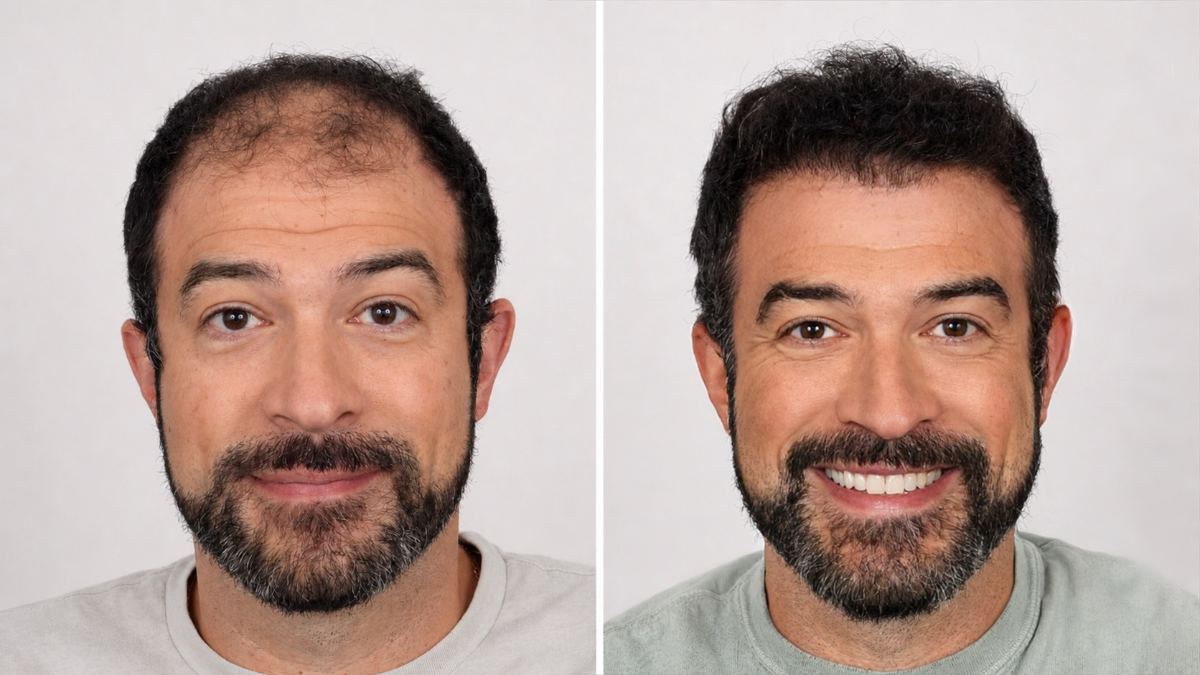
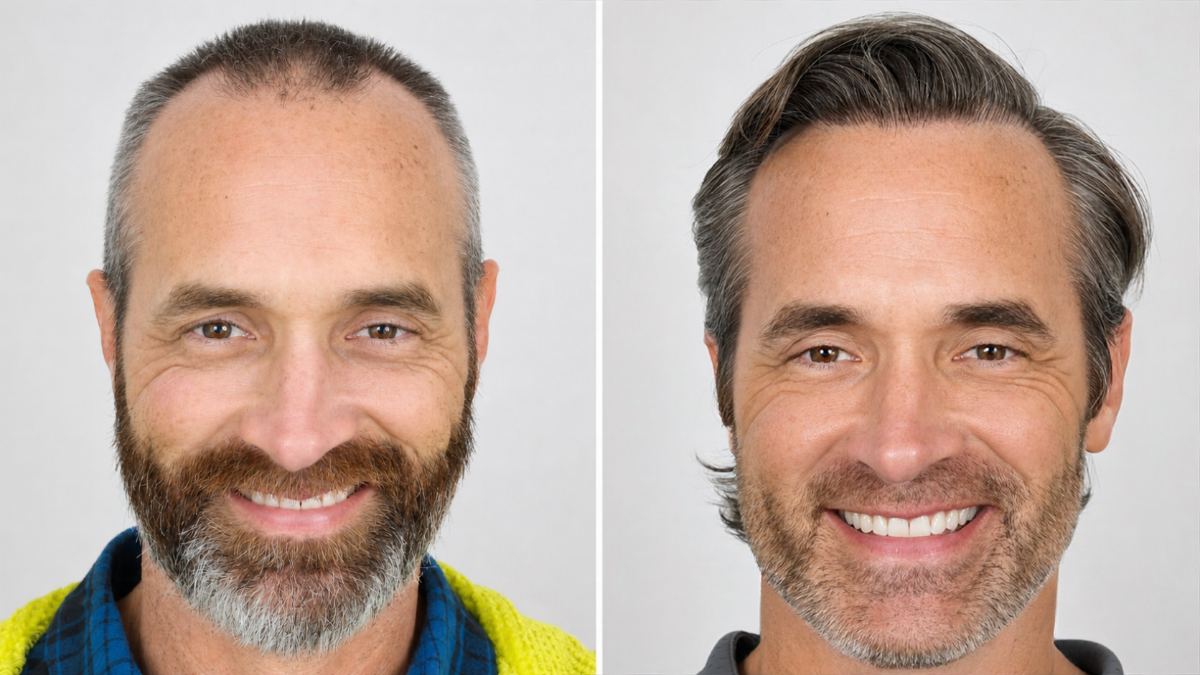
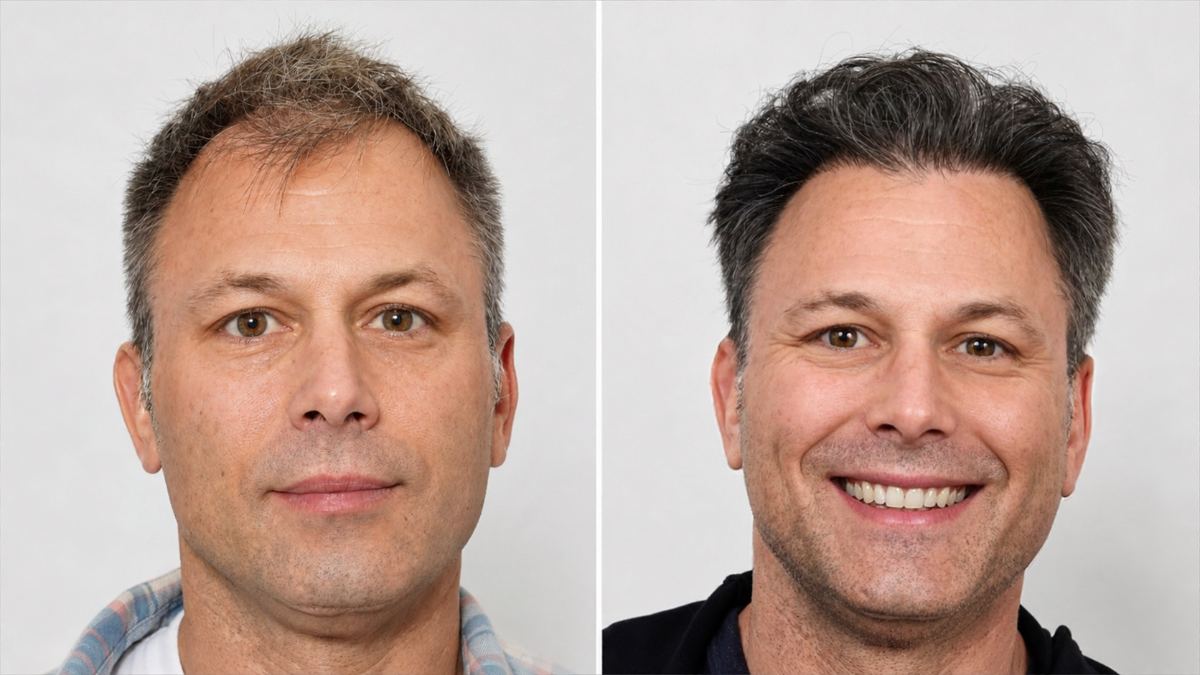
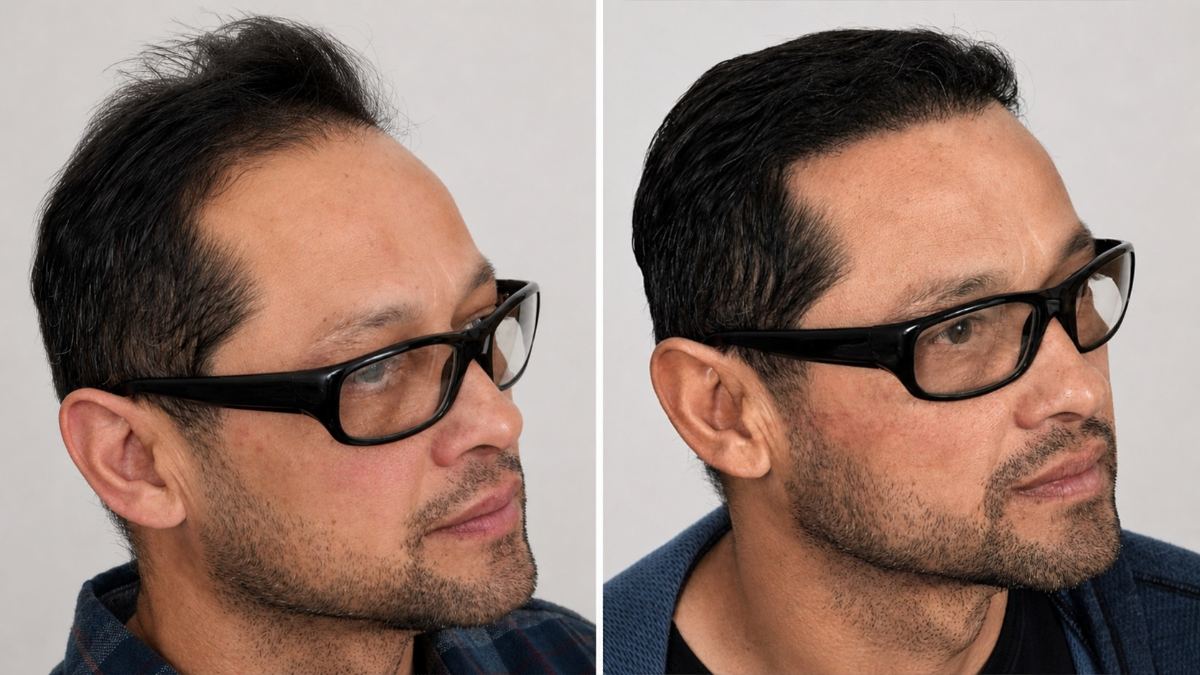
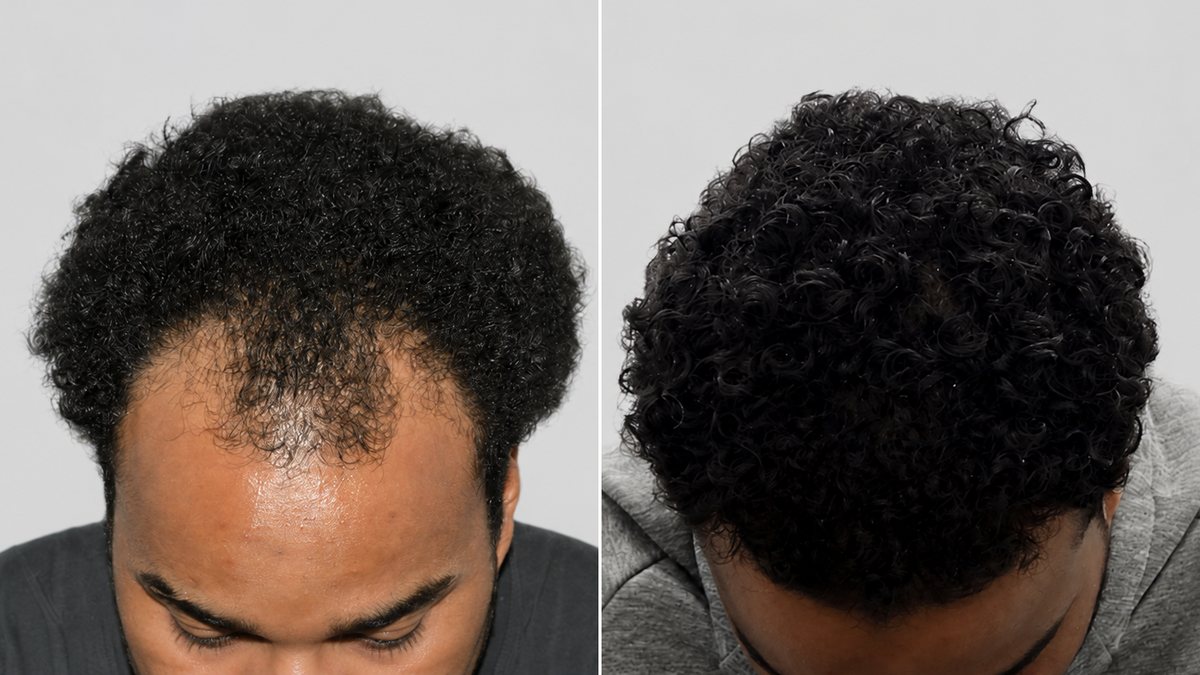
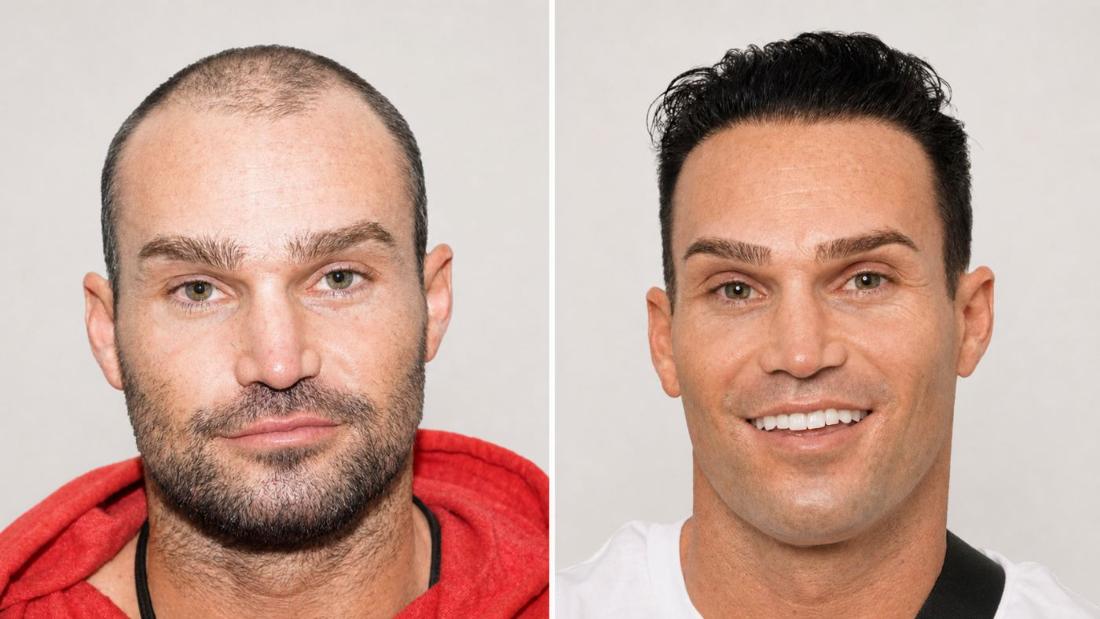
Every photo below is a real Advanced Hair patient: Advanced FUE™, their own natural hair, Guaranteed to Grow for Life™.
Kyle M. · 3,000 Advanced FUE™ grafts
Scott H. · 2,500 Advanced FUE™ grafts
Madison T. · 3,300 Advanced FUE™ grafts
AJ S. · 2,500 Advanced FUE™ grafts
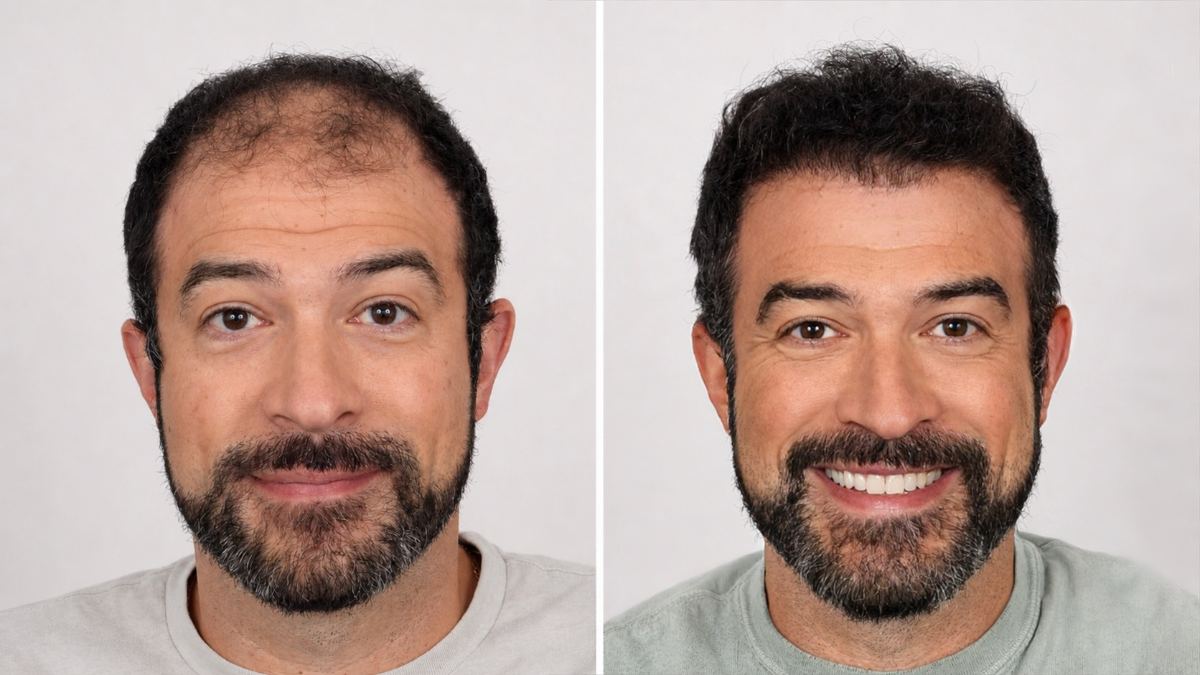
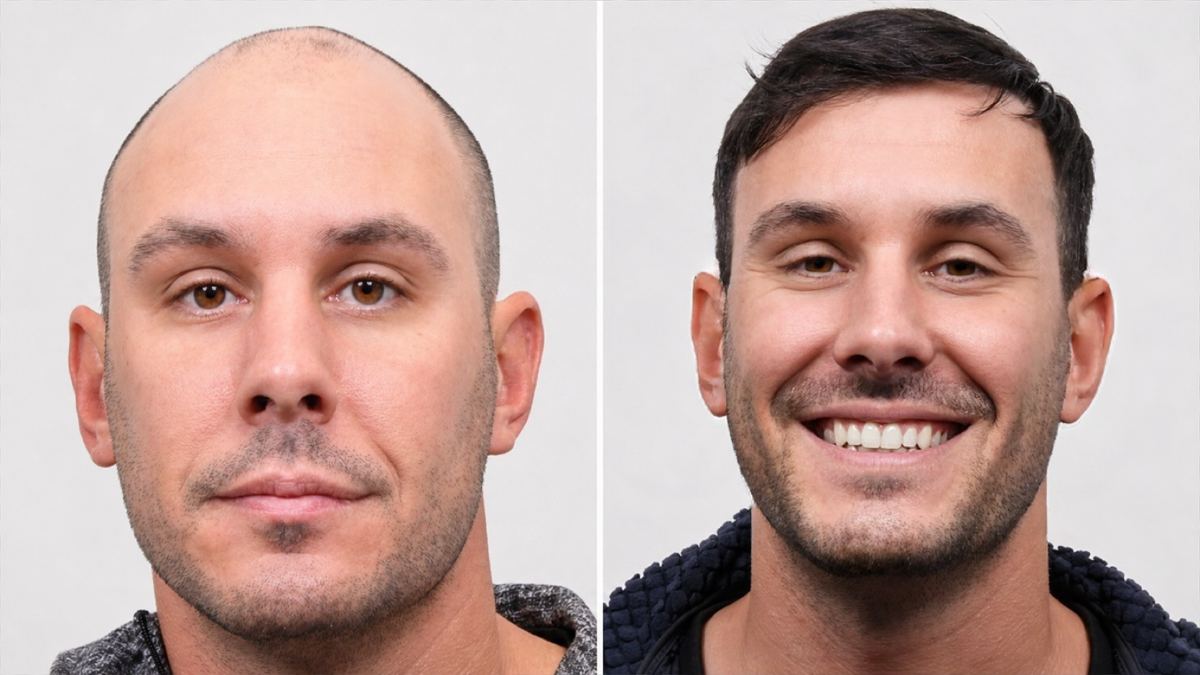
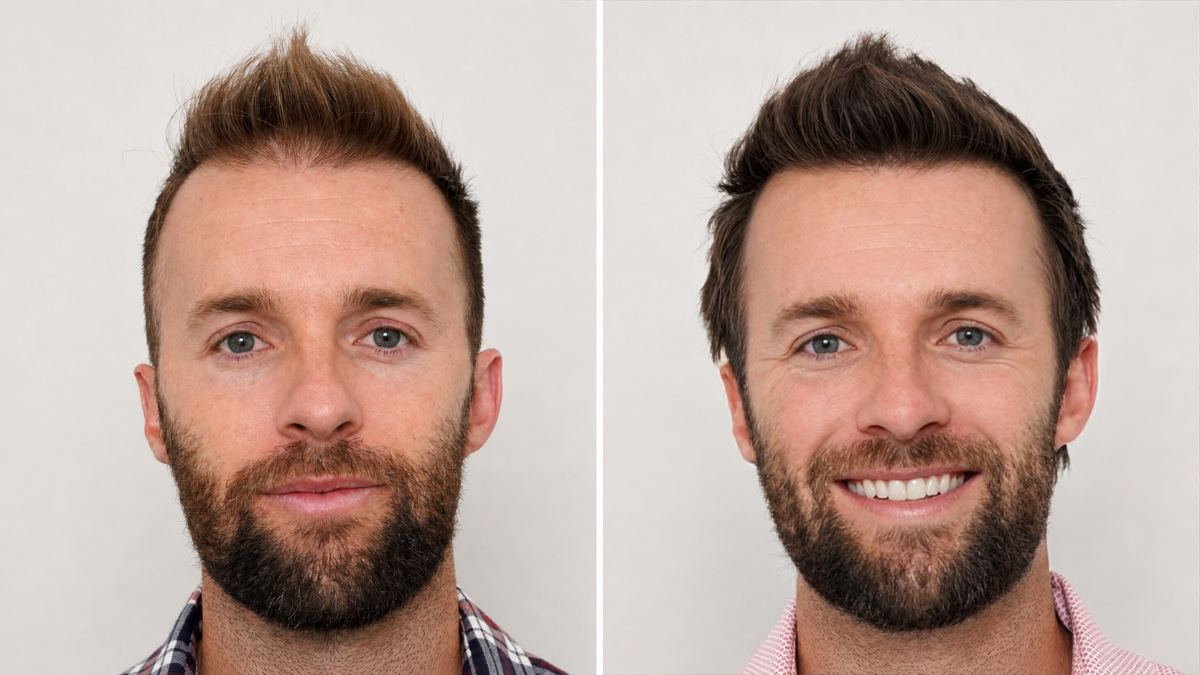
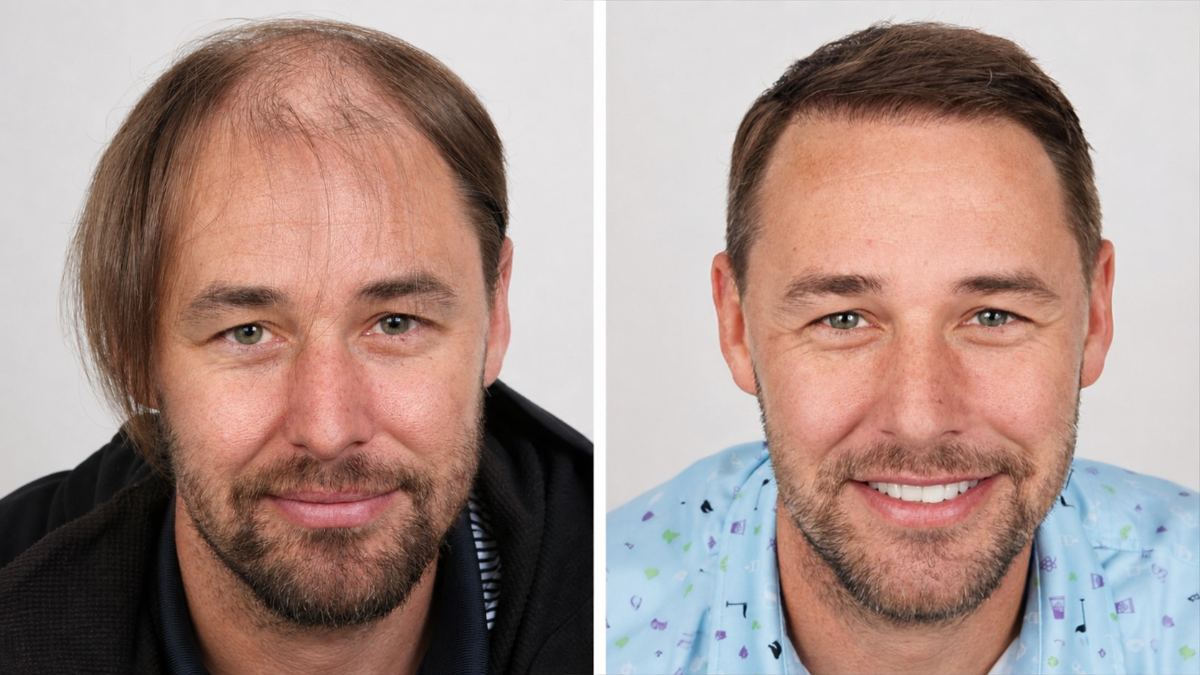
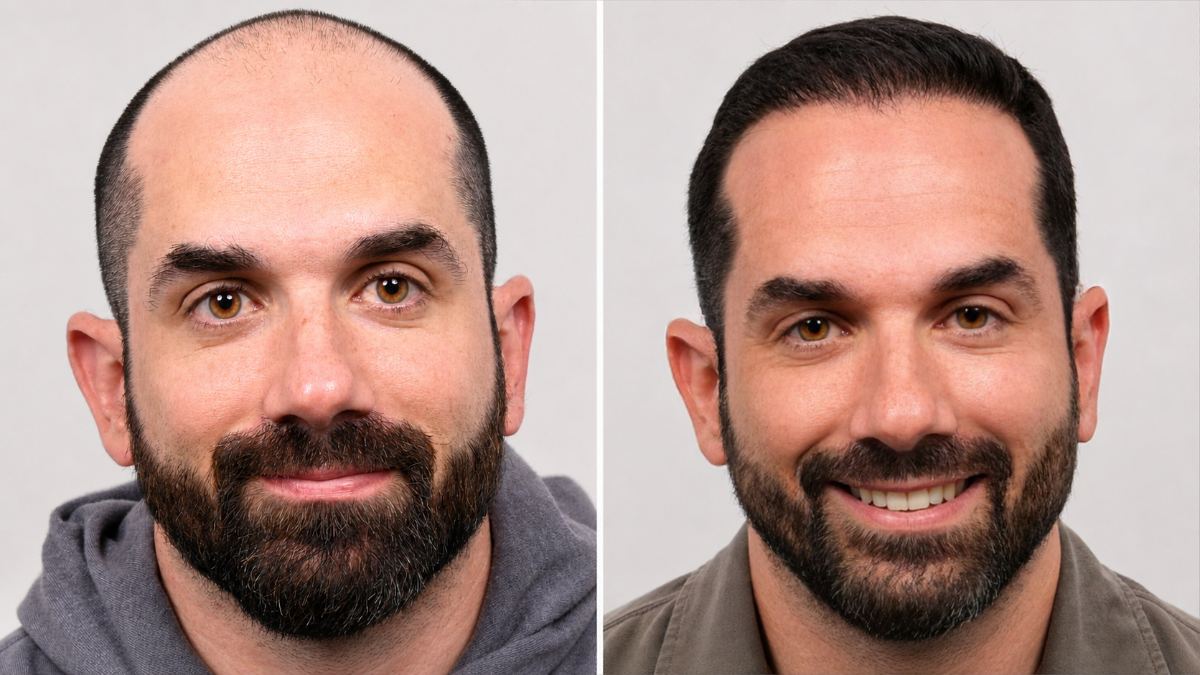
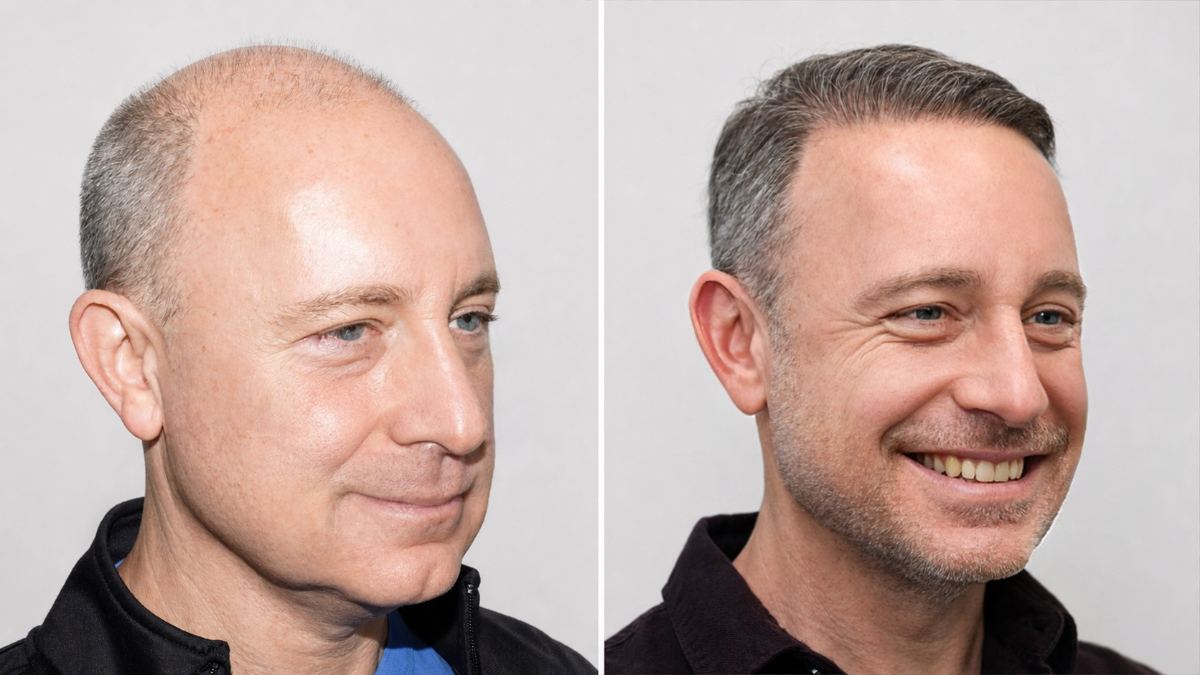
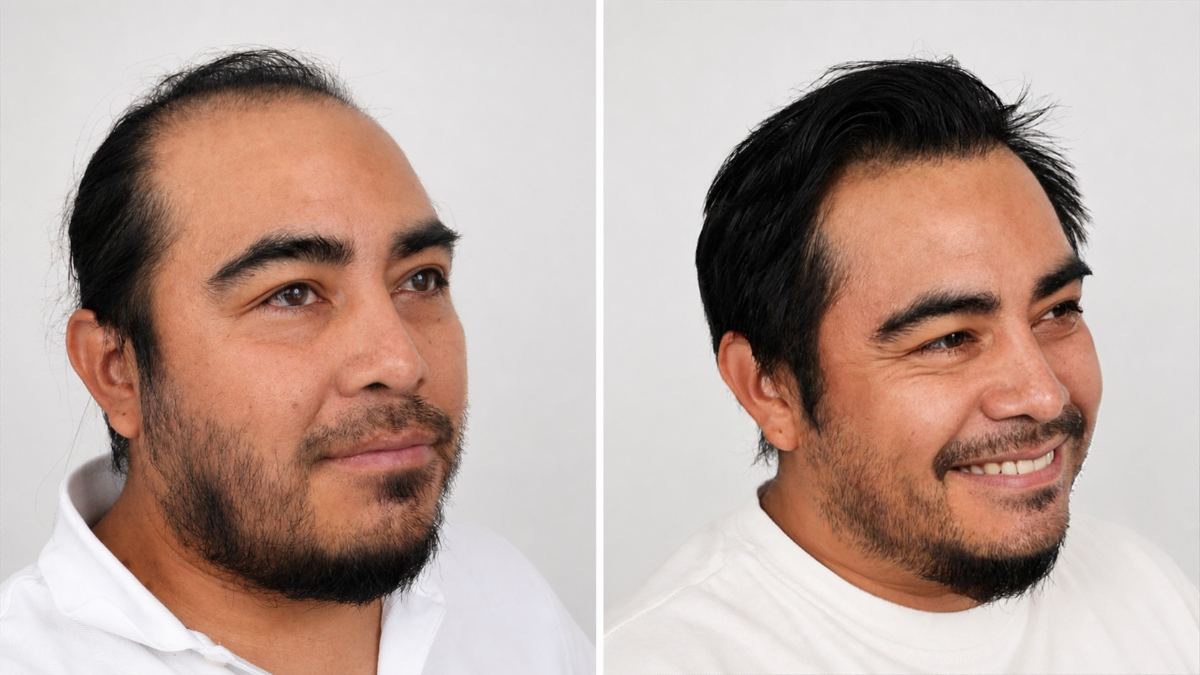
Individual results may vary.
Next step
Ready to explore your options safely?
Schedule a free consultation with the medical experts at Advanced Hair Restoration to receive an honest, scientifically backed restoration strategy.