
What is a Synthetic Hair Transplant? Everything You Need to Know

The Procedure
What is a Synthetic Hair Transplant? Everything You Need to Know
A synthetic hair transplant implants artificial fibers instead of living follicles. It promises instant volume, but the FDA banned it in 1983 over the risks of infection, scarring and rejection, and it is illegal to perform in the United States.

Key takeaways
- A synthetic hair transplant anchors artificial polymer fibers (polyester, polyacrylic or similar) deep in the scalp fascia. There is no root, so nothing grows.
- The FDA banned prosthetic hair fibers in 1983, finding no public health benefit and a substantial deception to patients. The procedure is illegal in the United States.
- The body treats the fibers as foreign objects: **chronic inflammation, cysts, scalp infections, scarring alopecia and rejection are the documented complications.
- Synthetic hair sheds an estimated 10% to 30% a year and needs repeated top-up procedures. FUE and FUT move your own follicles, which grow for life.
When you are experiencing hair loss, the desire for an effective, permanent solution is completely understandable. The psychological impact of thinning hair often leads patients to search for procedures that promise instant, full-volume results. Somewhere in that research you may encounter a procedure marketed as a "synthetic" or "artificial" hair transplant.
The concept of simply implanting a ready-made head of hair sounds appealing. Clinical reality and strict medical regulations tell a very different story. Here is what a synthetic hair transplant actually is, why it remains illegal in the United States, and how it compares to the safety of modern, natural hair restoration.
How a synthetic hair transplant works
A synthetic hair transplant is a cosmetic procedure in which artificial fibers are implanted into the scalp to mimic the appearance of a fuller head of hair.
Unlike traditional hair restoration, which uses your own living tissue, synthetic procedures use medical-grade fibers typically composed of polyester, polyacrylic, or other polymer-based materials. The strands are manufactured in various lengths, textures, and colors to match your existing hair as closely as possible.
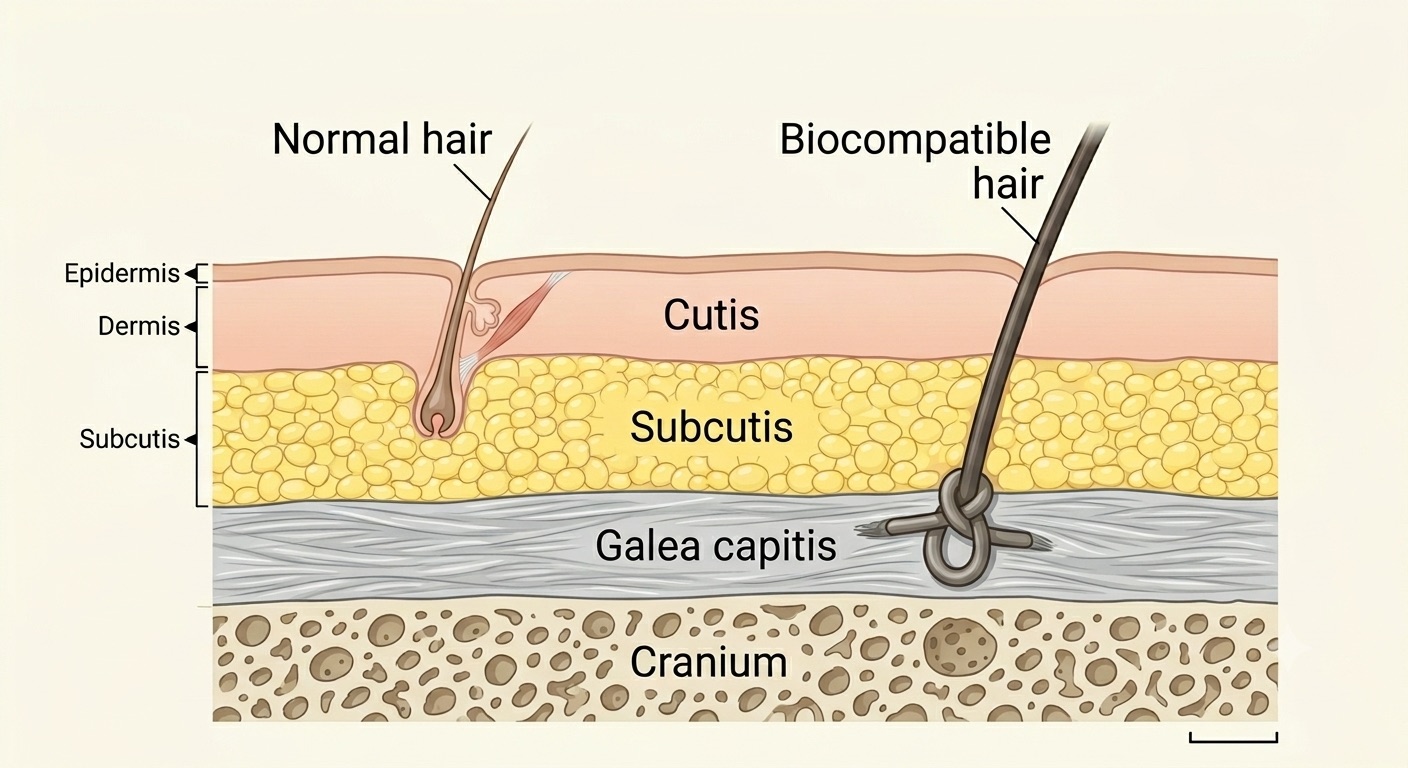
Because there is no biological root or follicle attached to the fiber, the implantation process is fundamentally different from a biological transplant.
- Deep implantation. Synthetic hairs must be implanted much deeper into the scalp than natural follicles. The surgeon uses a specialized hook device to insert and anchor the knotted end of each artificial strand directly into the scalp fascia.
- The primary appeal. The main advantage is the immediate aesthetic transformation. Patients walk out of the clinic with instant volume, bypassing the 12-to-18-month growth cycle a natural hair transplant needs to fully mature. It is also occasionally considered by people with extreme baldness who lack the healthy donor hair a standard biological transplant requires.
Why synthetic hair transplants are illegal in the U.S.
Legal status
You may see artificial hair transplants advertised globally. They are illegal to perform in the United States.
In 1983, the U.S. Food and Drug Administration (FDA) officially banned the use of prosthetic hair fibers. The FDA determined that there was no public health benefit to the device, noting that it presented a substantial deception to patients regarding its safety and efficacy. The International Society of Hair Restoration Surgery (ISHRS) strictly aligns with the FDA ban.
The prohibition is rooted in the severe medical risks of implanting non-biocompatible foreign bodies into living human tissue. The primary complications:
- Severe infections and cysts. Because the body recognizes the synthetic fibers as foreign objects, the immune system frequently attacks them, leading to chronic inflammation, cysts, and dangerous scalp infections.
- Scarring alopecia. The chronic rejection and deep implantation of these fibers can cause permanent tissue damage and scarring alopecia, effectively destroying the surrounding natural hair follicles and ruining the scalp's health.
- High rejection rates. In documented cases, inflammation and allergic reactions to the synthetic materials force physicians to extract the artificial fibers shortly after implantation.
Synthetic implants vs. FUE and FUT
When evaluating hair restoration options, it is critical to understand the stark differences between artificial implants and FDA-approved, biological hair transplants like Follicular Unit Extraction (FUE) and Follicular Unit Transplantation (FUT).
1983
FDA ban on prosthetic hair fibers
10% to 30%
estimated annual shedding of synthetic fibers
12 to 18 months
for a natural transplant to fully mature
| Factor | Synthetic implants | FUE and FUT |
|---|---|---|
| Source material and biocompatibility | Artificial polymer fibers that are foreign to the body, creating a high risk of autoimmune rejection. | Your own living hair follicles, harvested from the DHT-resistant donor areas at the back of your scalp. Because it is your own tissue, the risk of biological rejection is completely eliminated. |
| Growth and styling | The fibers do not grow, do not change color, and cannot be heat-styled. The appearance you leave the clinic with is entirely static. If you cut the fibers, they never grow back. | The transplanted follicles behave exactly like the rest of your hair because they are your hair, just living in a new location. Once the new hairs anchor and exit their resting phase, they grow naturally for the rest of your life. You can cut, dye, and style them without limitation. |
| Permanence and maintenance | Heavy, ongoing maintenance. The fibers break or are rejected by the body over time, with an annual shedding rate estimated between 10% and 30%. Patients are forced into frequent, costly "top-up" procedures to replace the lost fibers. | A permanent, lifelong solution. Once recovery is complete, the transplanted hair needs no specialized maintenance beyond your normal showering and grooming routine. |
Free consultation
Explore a safe, permanent alternative
A free consultation with our experts maps out a safe, customized, and permanent restoration strategy built on your own hair.
Our standard: your own follicles only
The trade-off
Sacrificing the safety of your scalp for the temporary, high-risk illusion of synthetic hair can be a dangerous compromise. A successful hair restoration journey prioritizes your long-term health just as much as your aesthetic goals.
At Advanced Hair Restoration®, we rely exclusively on clinically proven, FDA-sanctioned biological restoration. Our specialized teams use state-of-the-art FUE and FUT techniques to meticulously relocate your own healthy hair follicles, delivering a dense, natural, and completely permanent result without risk of systemic rejection.
Medical review policy
This article has been medically reviewed for accuracy by the medical team at Advanced Hair Restoration. Content is based on current clinical guidelines, FDA regulatory history, and peer-reviewed dermatological literature as of 2026.
Questions patients ask
Synthetic hair transplant questions
Are synthetic hair transplants legal in the United States?
No. The FDA banned prosthetic hair fibers in 1983 after determining the device offered no public health benefit and presented a substantial deception to patients about its safety and efficacy. The International Society of Hair Restoration Surgery (ISHRS) aligns with the ban.
Does synthetic hair grow?
No. Artificial fibers do not grow, do not change color, and cannot be heat-styled. If you cut them, they never grow back. Transplanted follicles from FUE or FUT are your own hair and grow naturally for the rest of your life.
Why are synthetic hair implants considered dangerous?
The fibers are non-biocompatible foreign bodies. The immune system frequently attacks them, causing chronic inflammation, cysts, and scalp infections. Deep implantation and chronic rejection can also cause permanent tissue damage and scarring alopecia that destroys the surrounding natural follicles.
How long do synthetic hair implants last?
They shed at an estimated rate of 10% to 30% per year as fibers break or are rejected, so patients need frequent top-up procedures to replace them. A natural hair transplant is permanent and needs no specialized maintenance beyond normal showering and grooming.
Real Results
Simple 1 Day Treatment®. Lifetime Results.
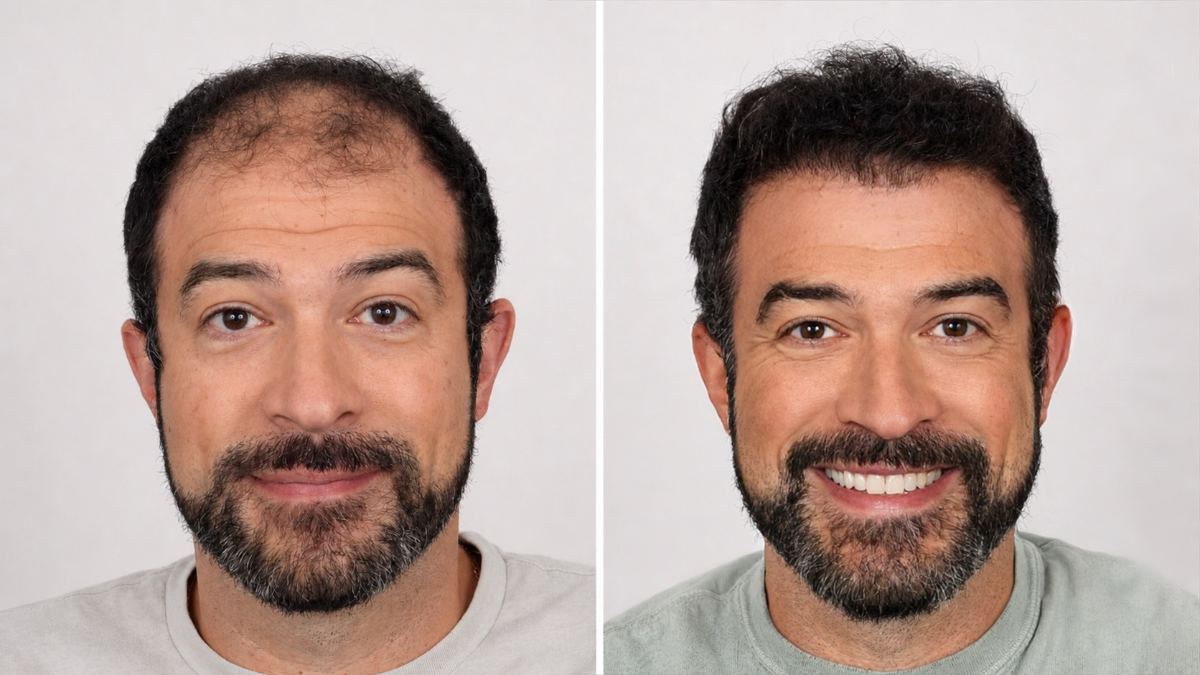
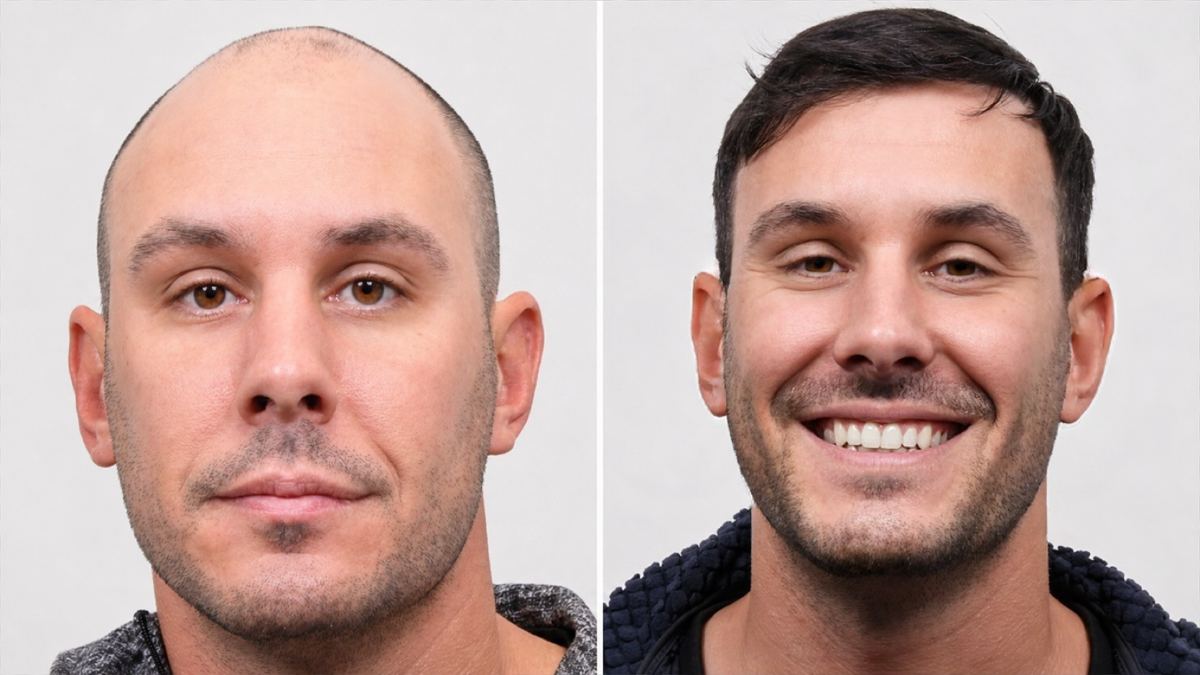
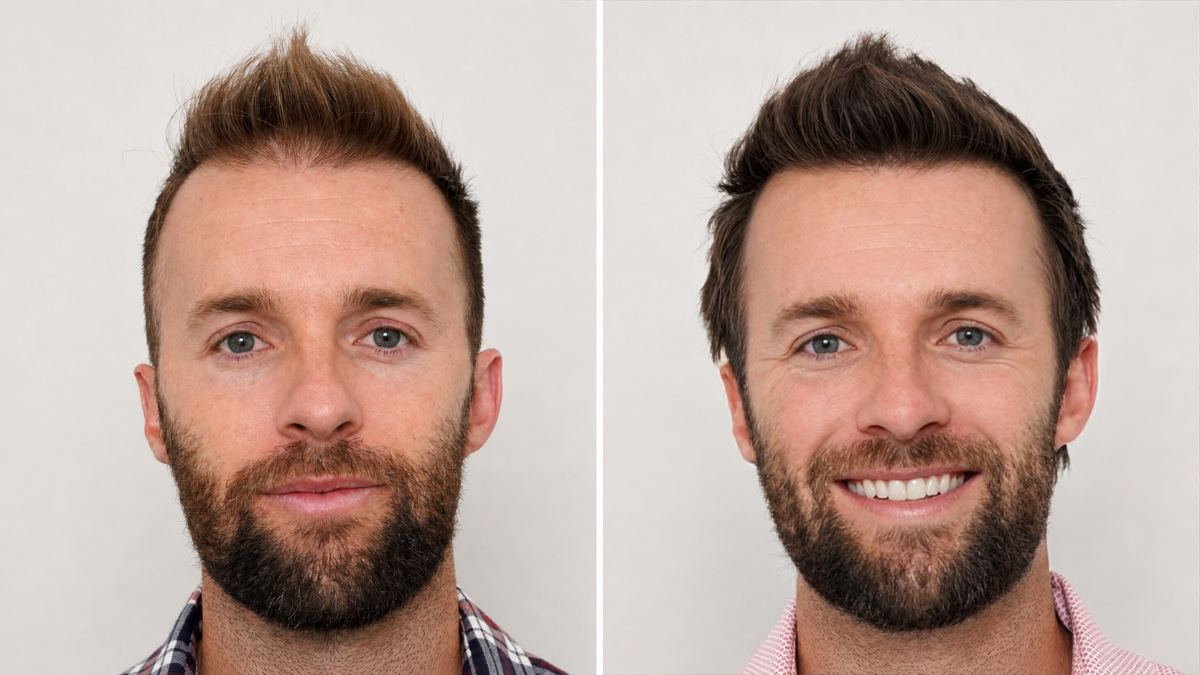
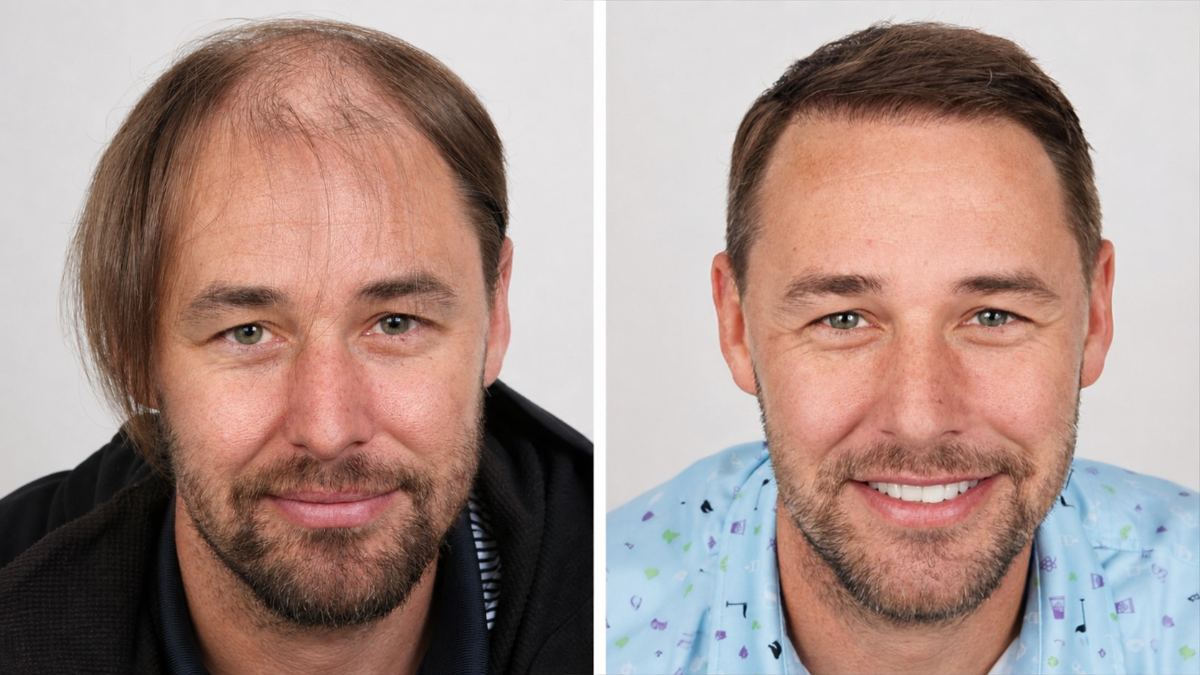
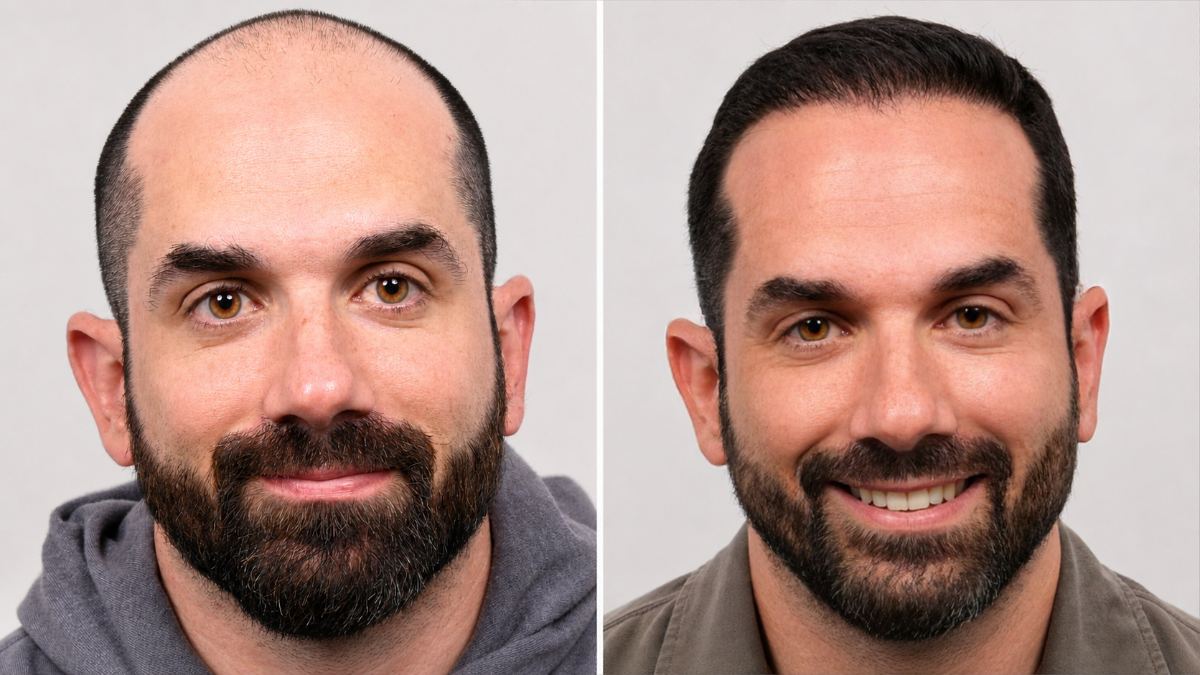
Every photo below is a real Advanced Hair patient: Advanced FUE™, their own natural hair, Guaranteed to Grow for Life™.
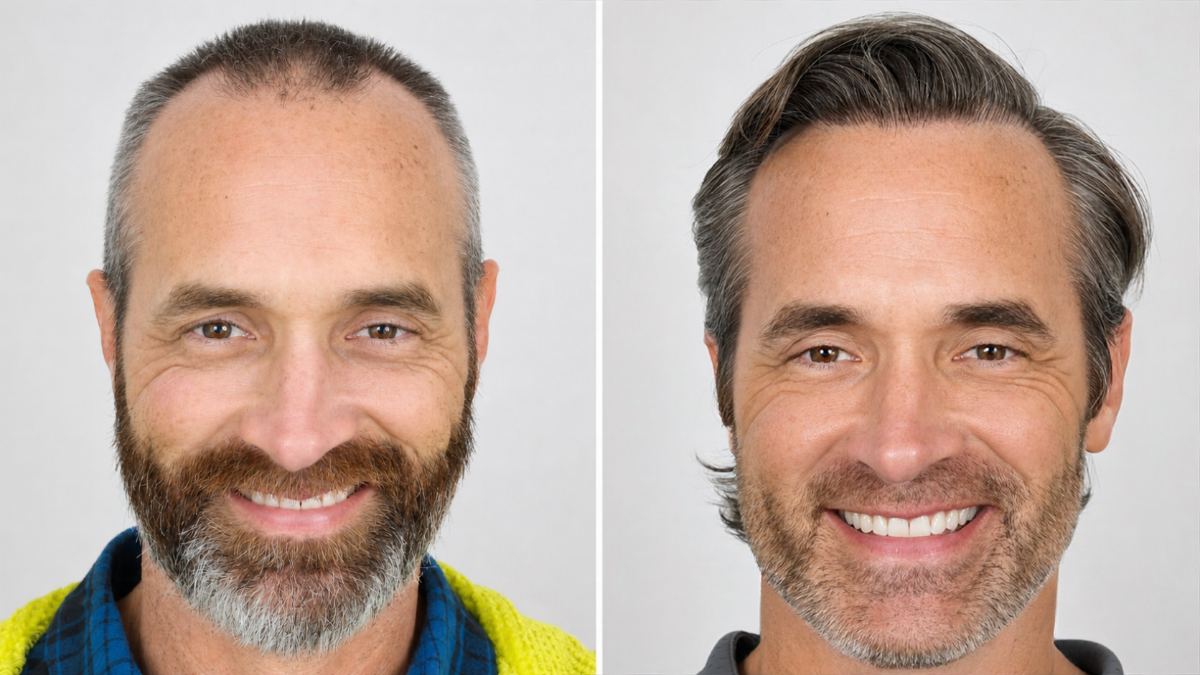
Kyle M. · 3,000 Advanced FUE™ grafts
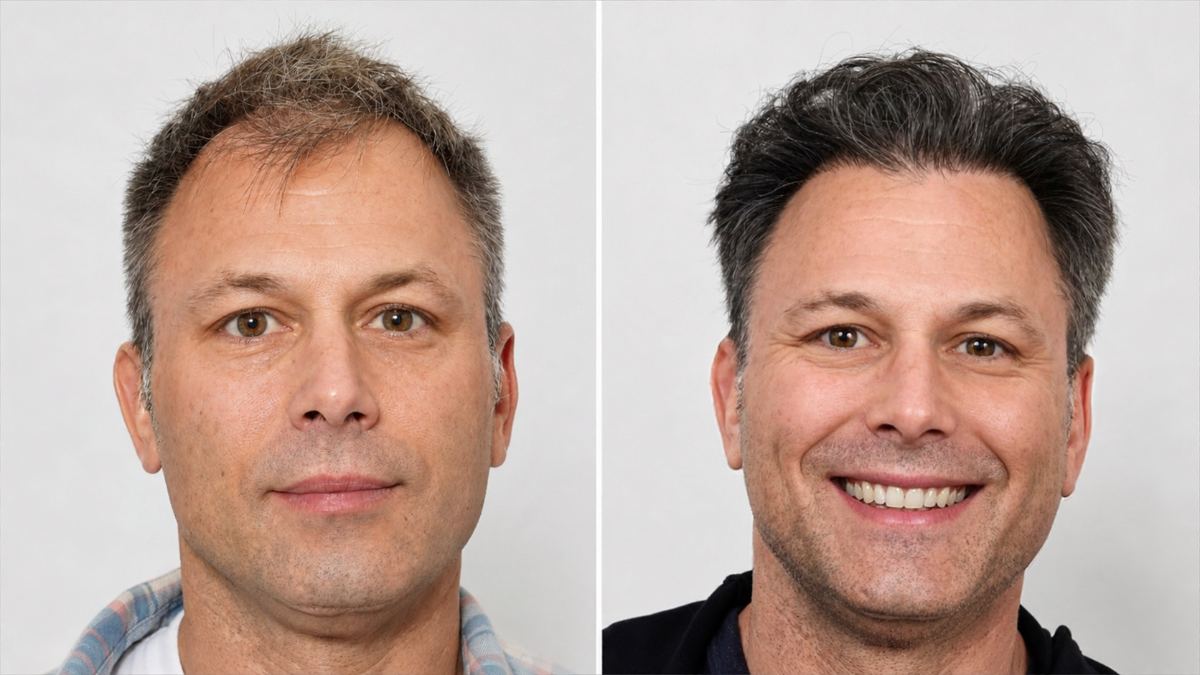
Scott H. · 2,500 Advanced FUE™ grafts
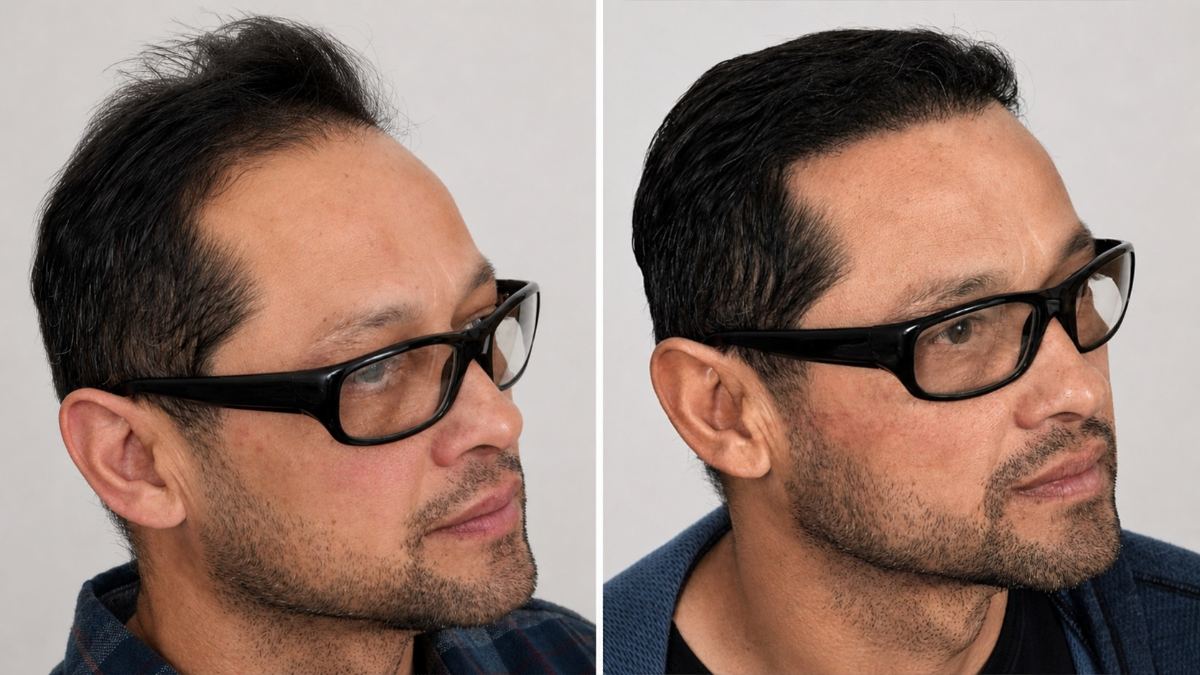
Madison T. · 3,300 Advanced FUE™ grafts
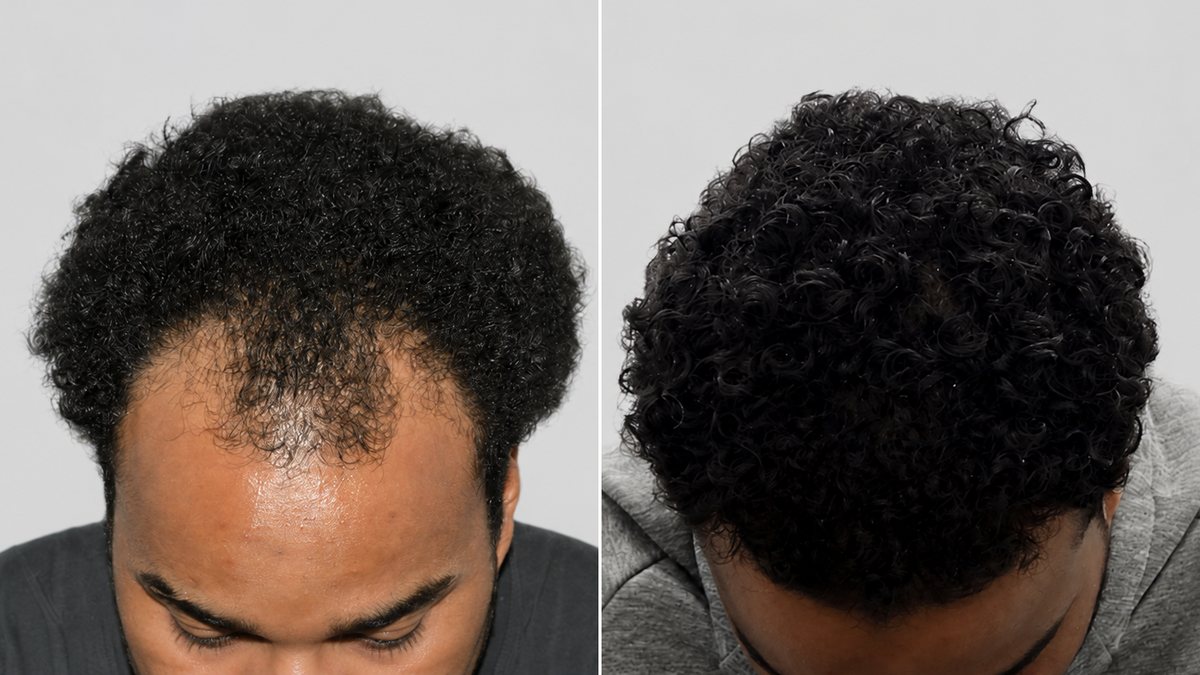
AJ S. · 2,500 Advanced FUE™ grafts
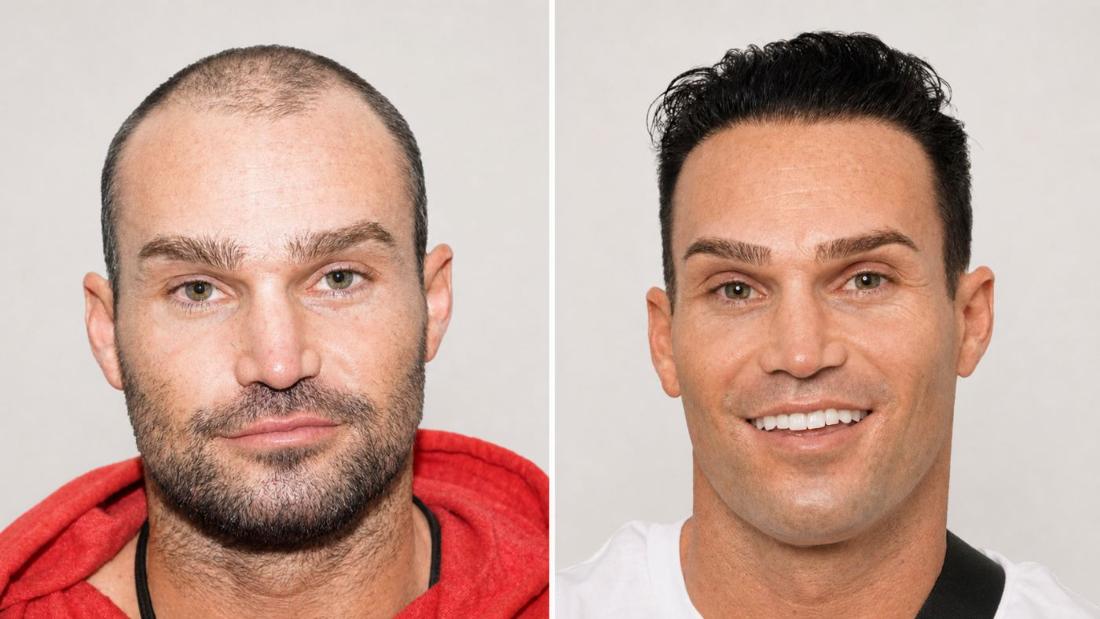
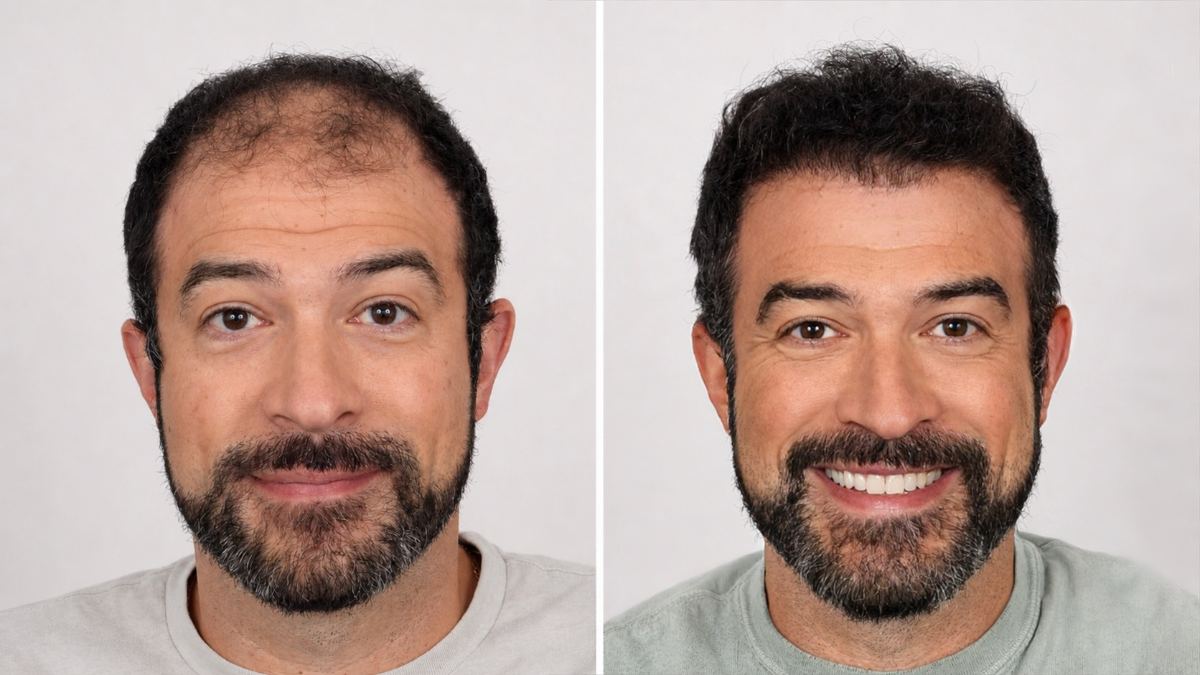
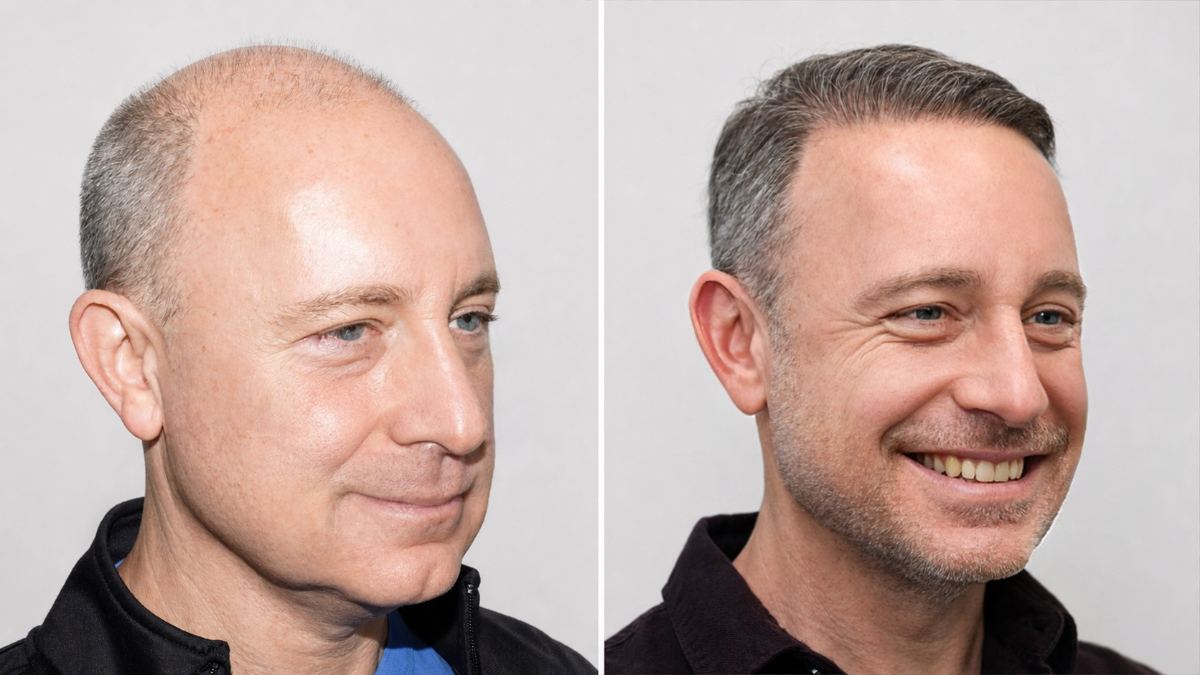
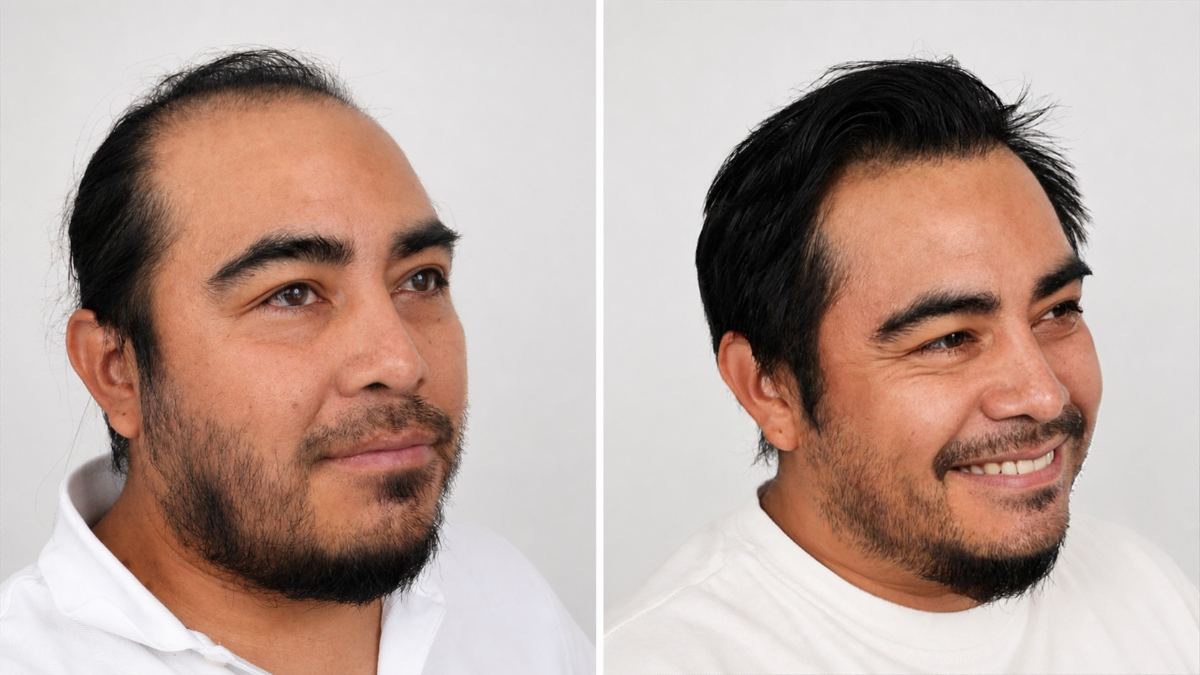
Individual results may vary.
Next step
Get a personalized assessment
The only way to know your graft count, your cost and what your result will look like is a professional evaluation. Consultations are free, and you meet a real expert, not a salesperson.