


The Science
Your own hair, relocated. Growing for life.
An Advanced FUE™ hair transplant relocates healthy, active follicles from the back and sides of your scalp, called the donor area, to the places that are thinning or balding. Each follicle is moved individually, with no scalpel and no stitches. It is the only proven medical solution that permanently restores hair.
It works because of a principle called donor dominance. Donor-area follicles are genetically resistant to DHT, the hormone behind pattern baldness. Moved to a new area, they keep that resistance and keep growing.
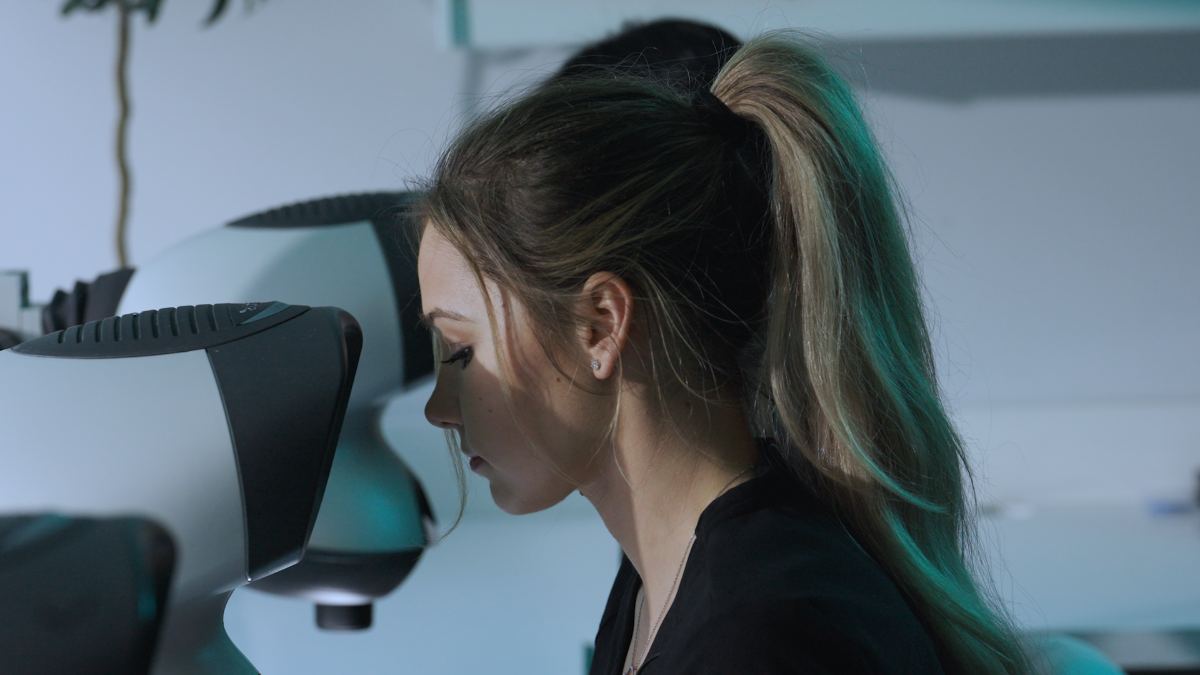
Transplanted hair keeps its genetics. That is why the results are permanent.
How It Works
One day. Three steps.
Our Advanced FUE™ Simple 1 Day Treatment®, from the first look at your scalp to the final graft placed.
Consultation and custom design
Your physician evaluates your scalp health and hair loss pattern, then designs a hairline that fits your facial structure and age, with the exact graft count mapped out.
Follicle extraction
The donor area is numbed with local anesthesia, then individual follicles are gently removed with specialized micro-punch instruments. No strip of scalp, no stitches, and no linear scar.
Artistic placement
Each follicle is implanted at the precise angle, depth, and direction of your natural growth. This is the step that makes the result undetectable.
Techniques
Advanced FUE™ vs the old strip method
Advanced FUE™
Our specialtyFUT, the strip method
Planning
How many grafts will you need?
Each graft carries 1 to 4 hairs. The right number depends on your hair loss, your goals, and your donor supply. Typical ranges:
Hairline restoration
1,500 to 2,500
Crown
2,000 to 3,500
Full restoration
3,000 to 5,000+
We routinely complete 3,500+ graft procedures in a single day with our Advanced FUE™ protocol, so most patients reach their goal without multiple procedures. Get your exact number at a free consultation.
Candidacy
Is a transplant right for you?
A transplant works well for
A different plan may fit if you have
Women often experience diffuse thinning rather than a receding hairline, so candidacy takes careful diagnosis and conservative donor planning. And if a procedure is not the right move yet, medications and laser therapy can help preserve the hair you have. Only a transplant restores what is already gone. An honest evaluation tells you which path is yours.
Recovery
The growth timeline
Advanced FUE™ is minimally invasive, so downtime is minimal. Most patients are back at non-strenuous work within 1 to 3 days, then the new hair takes its natural course.
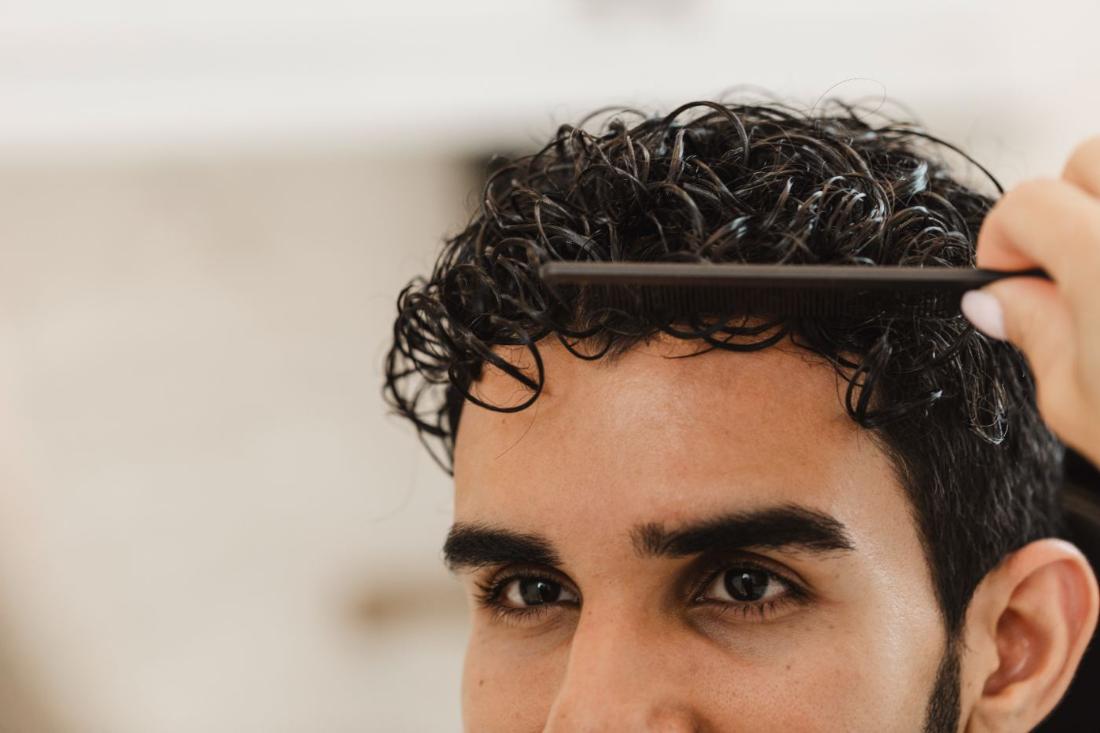
New hair starts growing the very next day and continues over the next couple of weeks. Mild redness and swelling. Tiny scabs form around each graft and naturally flake away within the week.
The shedding phase. Transplanted hairs shed so new, permanent roots can take hold. Completely normal, and temporary.
First growth. Fine new hairs begin to emerge across the treated areas.
Density builds. Hair continues to grow, thicken, and mature.
Final results. Full, permanent, and yours for life.

Investment
What does it cost?
As low as $122/month
$122 per month example: $4,500 financed through CareCredit over 60 months at 20.90% APR, for qualified applicants on purchases of $2,500 or more. 0% APR plans are available for 6 months. Other amounts, terms, and rates are available. Financing is subject to credit approval.
Graft count
The biggest driver. More coverage means more grafts.
Technique
Advanced FUE™ and No-Shave FUE™ demand more precision than strip methods.
Team experience
Skilled surgeons and technicians directly raise graft survival.
Clinic protocols
Graft handling standards separate great results from mediocre ones.
We price transparently with no hidden fees, and our single-day efficiency often accomplishes in one procedure what takes others several. Flexible financing is available.
FAQs
Quick answers
Does it hurt?
The procedure is done under local anesthesia, so you feel no pain during it. Mild soreness afterward is manageable with over-the-counter medication.
What is the best age?
Typically 25 and older, once your hair loss pattern is established. Your physician anticipates future thinning to plan a result that lasts.
Can it fix all hair loss?
Transplants work best for genetic pattern loss with a healthy donor area. Loss from hormones, stress, or medical conditions may call for a different plan.
Will I need more procedures?
Many patients are done in one day. Others add a session later if loss progresses or they want more density. Your plan covers both paths up front.
Award Winning
Find out exactly what your plan would look like
A free in-person consultation maps your graft count, your timeline, and your cost. Your physician examines your scalp and donor area directly, so the plan is precise. No pressure, no obligation.