
What Is Folliculitis? Scalp Infection & Hair Transplants

Scalp Health
What Is Folliculitis? Scalp Infection & Hair Transplants
Folliculitis is inflammation or infection of a hair follicle. After a hair transplant it is relatively common, highly treatable when caught early, and rarely a threat to your final density. Here is how to recognize it and what to do.

Key takeaways
- Folliculitis is inflammation or infection of a hair follicle. It looks like a breakout of small red bumps or pustules centered on hair shafts.
- Most cases are a superficial bacterial infection, usually Staphylococcus aureus, but fungus, yeast, friction, sweat, pore-clogging products and shaving can all trigger it.
- After a hair transplant, folliculitis affects roughly 1 in 8 recipients and comes in two phases: bacterial (weeks 2 to 4) and sterile growth folliculitis (months 2 to 6).
- Never pop or squeeze the bumps. Caught early, folliculitis is highly treatable with warm compresses, medicated shampoos and, if needed, prescription topicals, and it rarely affects final density.
When you inspect your scalp or track new hair growth, finding small red bumps can be alarming. They are often mistaken for ordinary acne, but when the bumps center specifically on your hair follicles, you are most likely looking at a condition called folliculitis.
Scalp folliculitis can happen to anyone, but it matters most for people going through hair restoration, whose scalps are especially vulnerable to scalp inflammation. Understanding what the condition is, why it occurs, and how it affects a hair transplant is essential for protecting both your scalp health and your long-term aesthetic result.
What folliculitis is
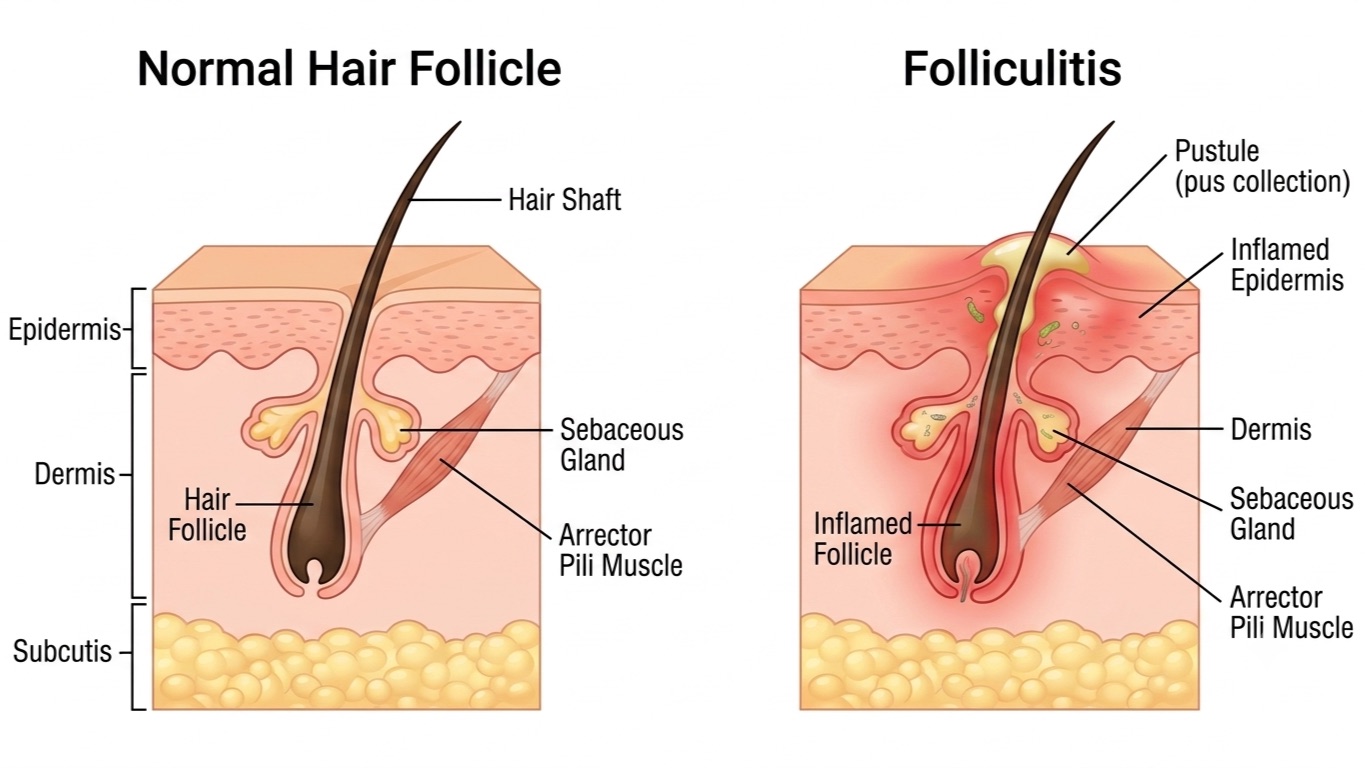
In simple terms, folliculitis is the inflammation or infection of one or more hair follicles. Follicles are the tiny cavities in the skin from which individual hairs grow. When those cavities are damaged or blocked, they become highly susceptible to invading micro-organisms.
Common symptoms
Folliculitis typically presents as clusters of small, raised bumps that look remarkably like a sudden breakout of pimples. Key signs include:
- Red, inflamed bumps centered around a hair shaft
- Pustules (bumps filled with white or yellow pus)
- Itching or burning sensations
- Tenderness, swelling, or mild pain when touching the scalp
- Crusting or oozing as the bumps heal
Common causes
Folliculitis is most frequently triggered by a superficial bacterial infection, usually caused by Staphylococcus aureus. It can also stem from fungal overgrowth, yeast, or physical irritation.
Follicles generally become vulnerable through friction (from tight hats or clothing), excessive sweating, products that clog pores, or shaving against the grain of the hair.
Folliculitis and hair transplants
For hair transplant patients, folliculitis calls for a more nuanced clinical perspective. Developing small bumps on the scalp after a Follicular Unit Extraction (FUE) or Follicular Unit Transplantation (FUT) procedure is a relatively common milestone, but it has to be managed correctly.
In the context of a hair transplant, folliculitis affects roughly 1 in 8 recipients and typically falls into two distinct phases.
1 in 8
transplant recipients affected
Weeks 2 to 4
early bacterial phase
Months 2 to 6
late growth phase
Early-stage post-op folliculitis (weeks 2 to 4)
Shortly after a transplant, the scalp is still healing from thousands of microscopic incisions. If it is not kept clean, or if sweat and natural sebum build up, bacteria can infiltrate the fresh graft sites. The result is standard bacterial folliculitis. It is critical to address this early so the infection does not penetrate deep into the scalp and damage the newly anchored grafts underneath.
Late-stage growth folliculitis (months 2 to 6)
The most common form of post-transplant folliculitis appears a few months into recovery. Around this time the transplanted follicles are waking from their resting phase and beginning to sprout new, fine hairs. As those new shafts push up through the scalp tissue, they can become trapped beneath the surface, behaving much like an ingrown hair.
Sterile, not infected
Growth folliculitis triggers a localized, sterile inflammatory response. It is often caused by physical blockage rather than an active bacterial infection.
Here is how the two compare up close.
| Feature | "Normal" sterile folliculitis | Bacterial folliculitis |
|---|---|---|
| Appearance | Scattered, faint pink bumps | Large, bright red clusters or white-headed pustules |
| Sensation | Occasional, mild itching | Persistent throbbing, tenderness, or burning |
| Spread | Stays isolated to individual emerging hairs | Spreads rapidly across the recipient or donor zones |
| Resolution | Disappears naturally in a few days | Relentless, grows more inflamed without treatment |
How post-transplant folliculitis is managed
If you develop folliculitis after a hair restoration procedure, there is no need to panic. Identified early, it is highly treatable and rarely compromises the final density of your transplant.
Do not pop or squeeze
Self-treatment, such as popping or squeezing the bumps, is strictly discouraged. It can permanently dislodge or damage the hair grafts.
Clinical protocols for managing scalp folliculitis include:
- Warm compresses. Applying a clean, warm, damp cloth to the affected area several times a day soothes inflammation, increases local blood circulation, and encourages natural drainage.
- Targeted medicated shampoos. Specialized cleansers containing anti-bacterial or anti-fungal agents (such as ketoconazole or tea tree derivatives) can eliminate the surface organisms driving the inflammation.
- Prescription topicals. For persistent or widespread cases, a physician may prescribe a topical antibiotic cream or steroid lotion to rapidly cool the inflammatory response and protect the hair roots.
Free consultation
Concerned about your scalp?
If bumps appear after a procedure, a quick check tells you whether it is normal growth folliculitis or something that needs treatment. Consultations are free and with a real expert.
Prevention: the Advanced Hair Restoration protocol
At Advanced Hair Restoration, we design our procedure and aftercare protocols proactively to minimize the risk of scalp complications. Preventing folliculitis is a foundational element of our post-operative care strategy.
Every patient receives a meticulously detailed, day-by-day washing regimen using specialized, non-comedogenic cleansers that prevent sebum buildup without irritating the healing tissue. Our medical teams also use ultra-precise, minimally invasive micro-incisions during graft placement. By reducing overall tissue trauma, the scalp heals cleaner and faster, leaving significantly fewer opportunities for follicles to become blocked or infected.
Through a combination of advanced clinical execution and proactive patient education, we keep your recovery smooth, predictable, and optimized for maximum hair density.
Medical review policy
This article has been medically reviewed for accuracy by the specialized medical team at Advanced Hair Restoration. Content is based on current clinical guidelines and peer-reviewed dermatological literature as of 2026.
Questions patients ask
Folliculitis questions
Is folliculitis after a hair transplant normal?
It is a relatively common milestone. Folliculitis affects roughly 1 in 8 transplant recipients, either as a bacterial infection in weeks 2 to 4 or, more often, as sterile growth folliculitis in months 2 to 6, when new hairs push through the scalp. Identified early, it is highly treatable and rarely compromises final density.
How can I tell growth folliculitis from a bacterial infection?
Sterile growth folliculitis shows up as scattered, faint pink bumps with occasional mild itching, stays isolated to individual emerging hairs, and clears on its own in a few days. Bacterial folliculitis forms large, bright red clusters or white-headed pustules, throbs or burns persistently, spreads rapidly across the recipient or donor zones, and grows more inflamed without treatment.
Can I pop the bumps?
No. Popping or squeezing can permanently dislodge or damage the hair grafts. Use warm compresses several times a day and a medicated shampoo with anti-bacterial or anti-fungal agents such as ketoconazole, and see your physician for a topical antibiotic cream or steroid lotion if the bumps persist or spread.
What causes folliculitis on the scalp?
Most cases are a superficial bacterial infection, usually Staphylococcus aureus, though fungal overgrowth, yeast, and physical irritation can also cause it. Follicles become vulnerable through friction from tight hats or clothing, excessive sweating, pore-clogging products, or shaving against the grain of the hair.
Real Results
Simple 1 Day Treatment®. Lifetime Results.
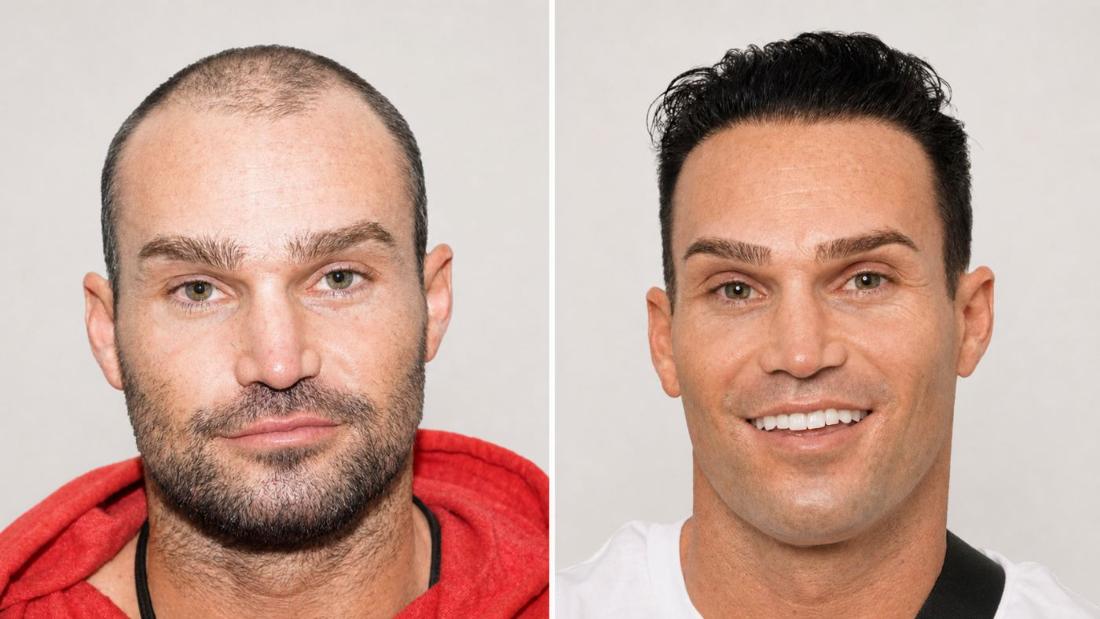
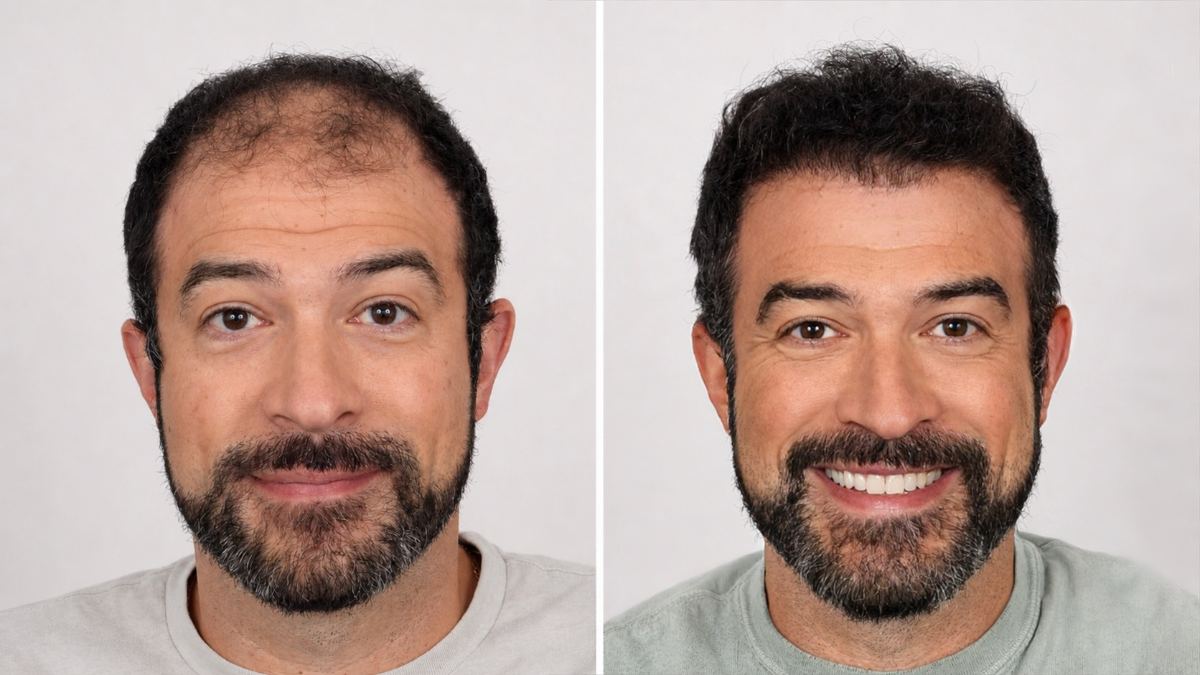
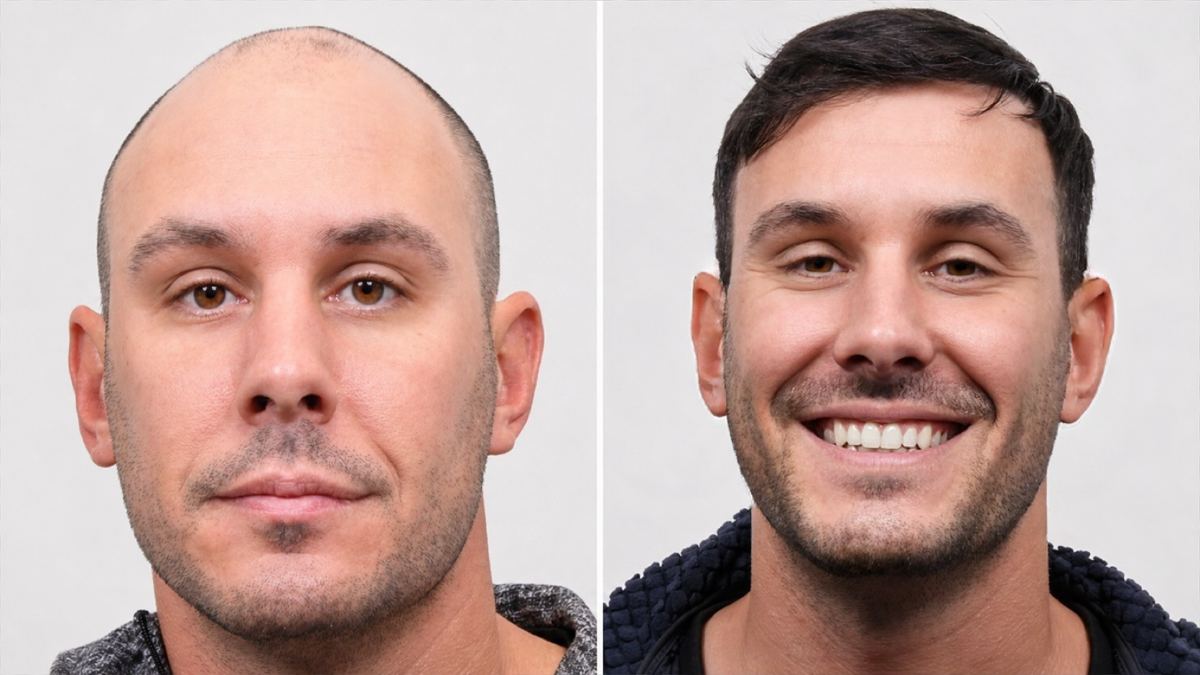
Every photo below is a real Advanced Hair patient: Advanced FUE™, their own natural hair, Guaranteed to Grow for Life™.
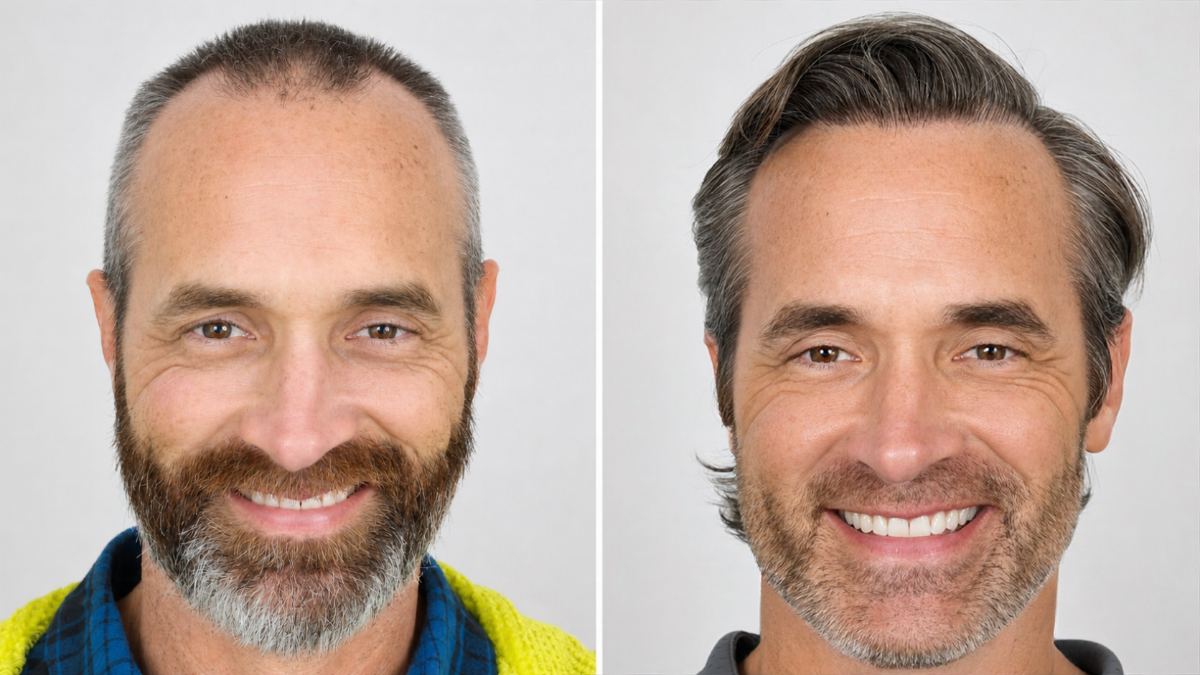
Kyle M. · 3,000 Advanced FUE™ grafts
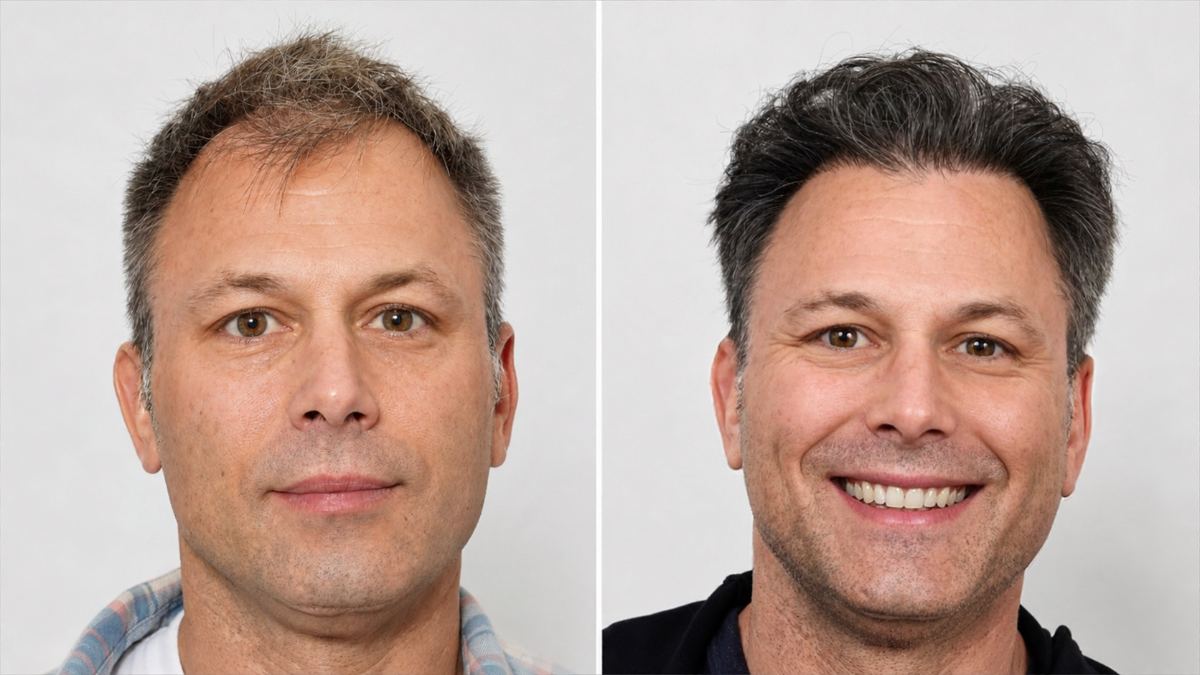
Scott H. · 2,500 Advanced FUE™ grafts
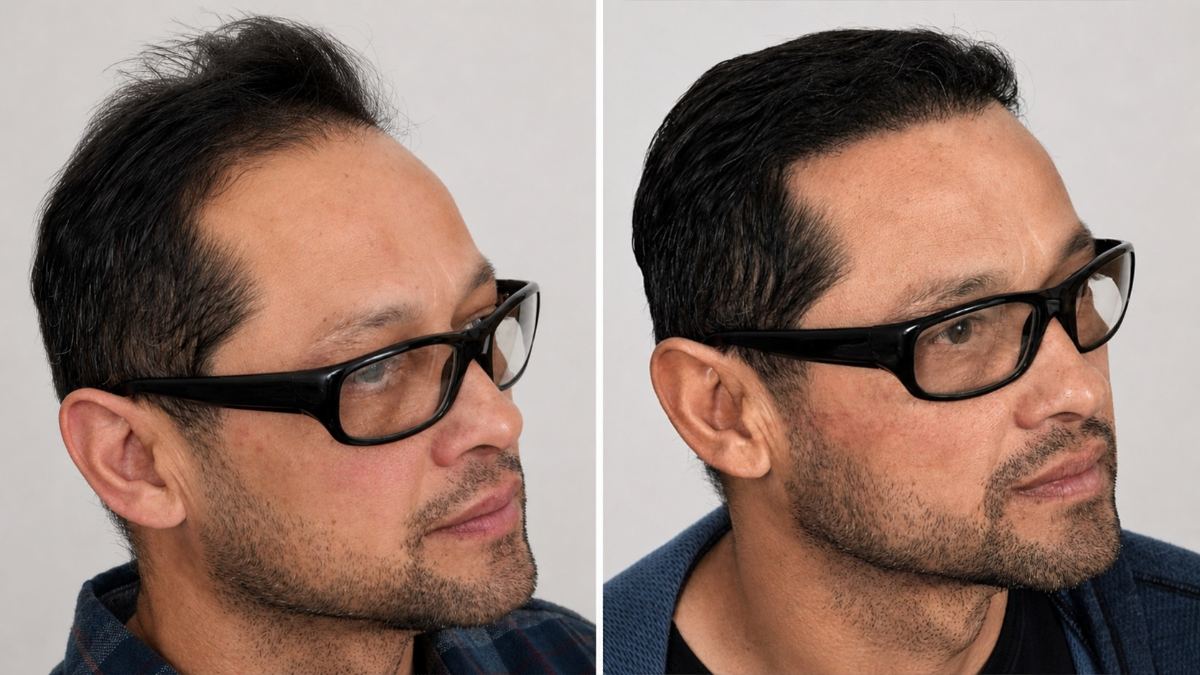
Madison T. · 3,300 Advanced FUE™ grafts
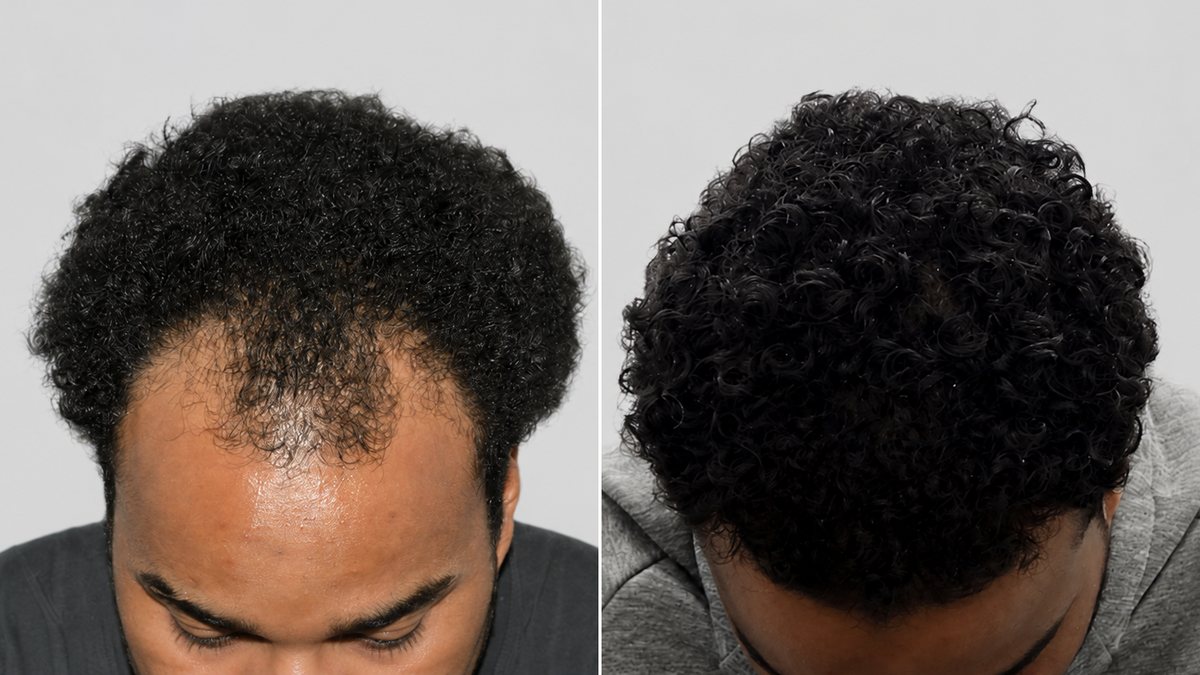
AJ S. · 2,500 Advanced FUE™ grafts
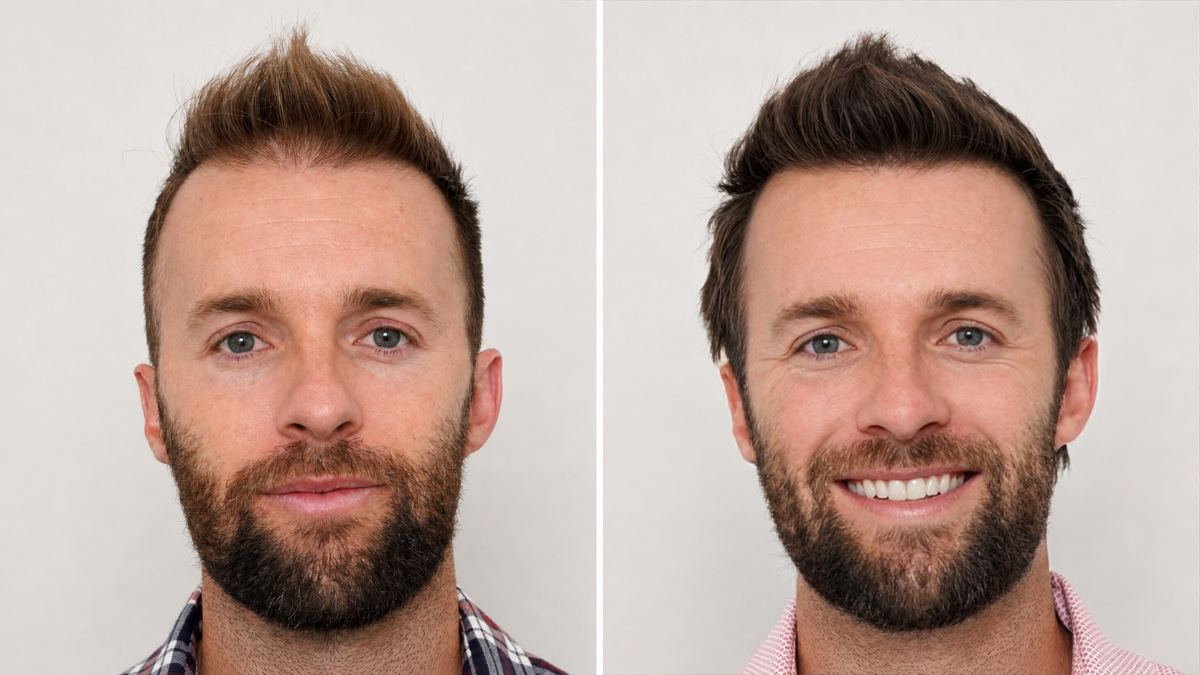
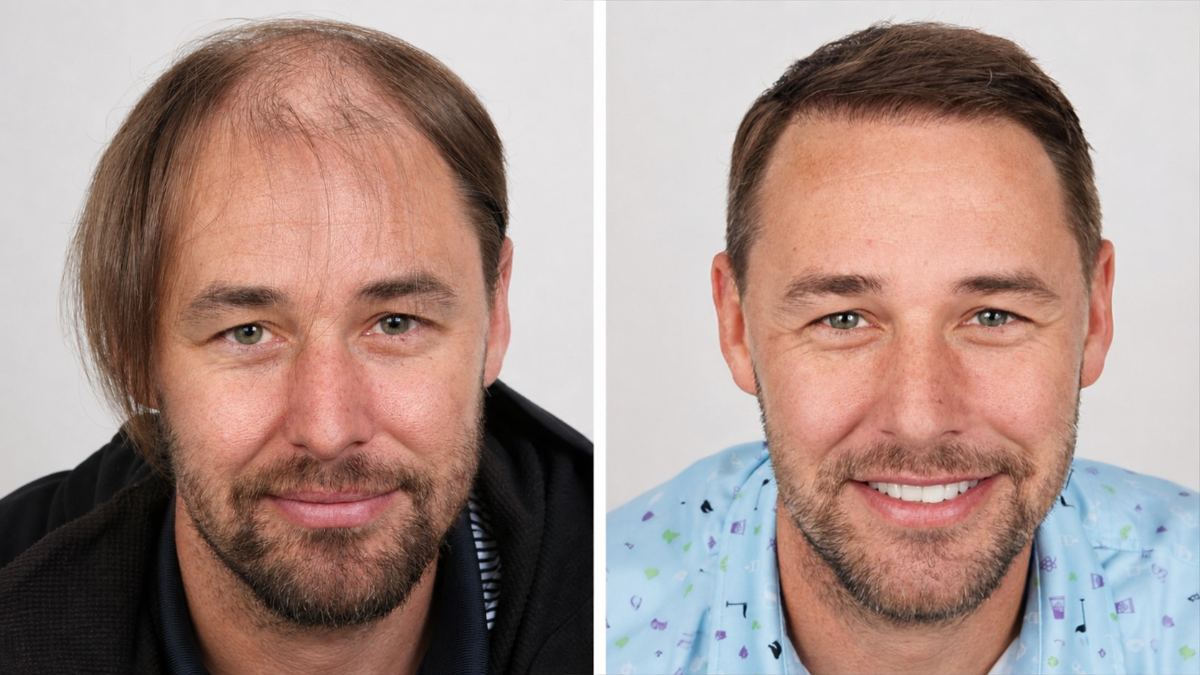
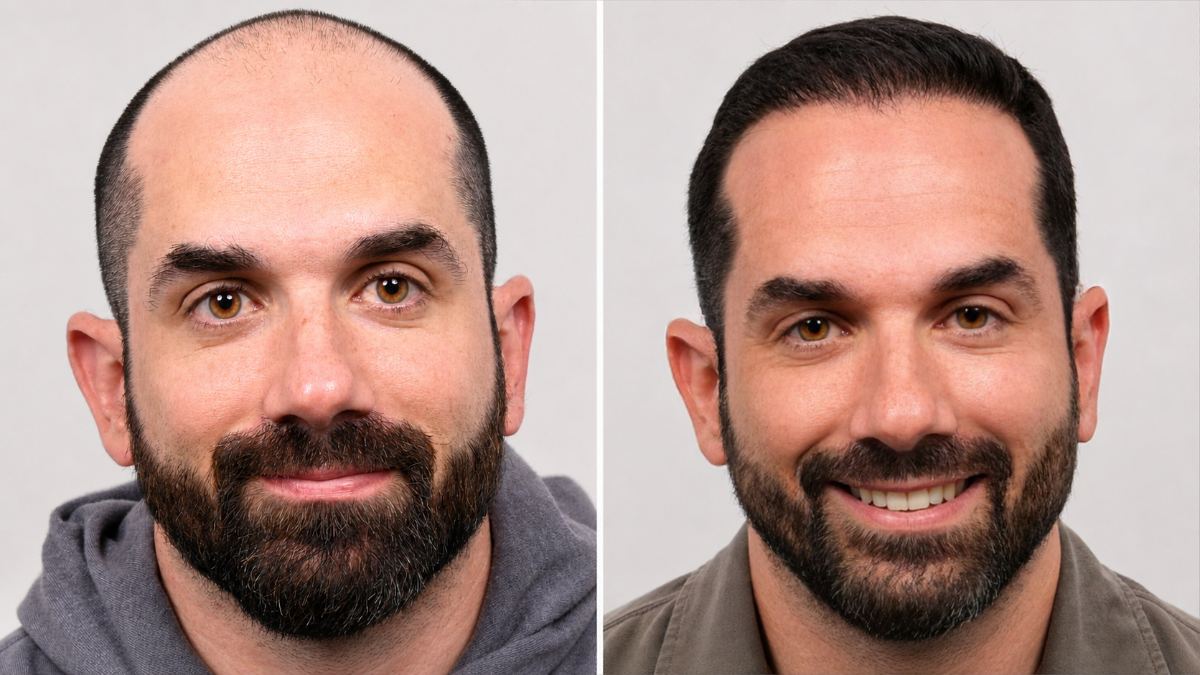
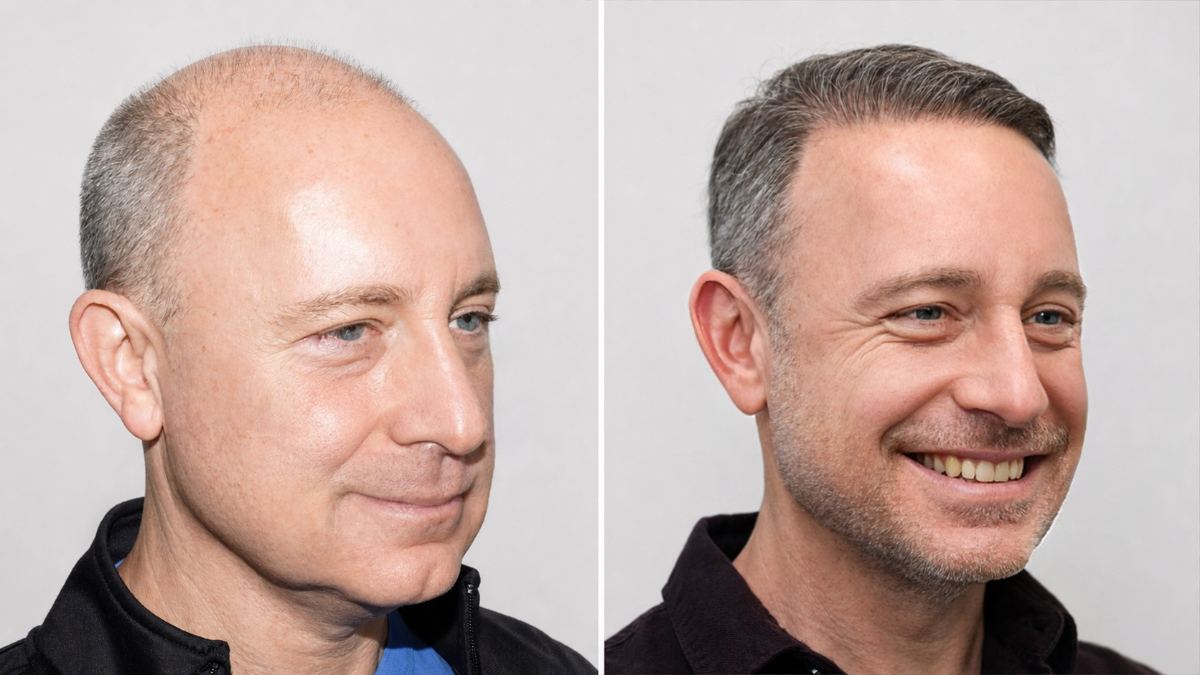
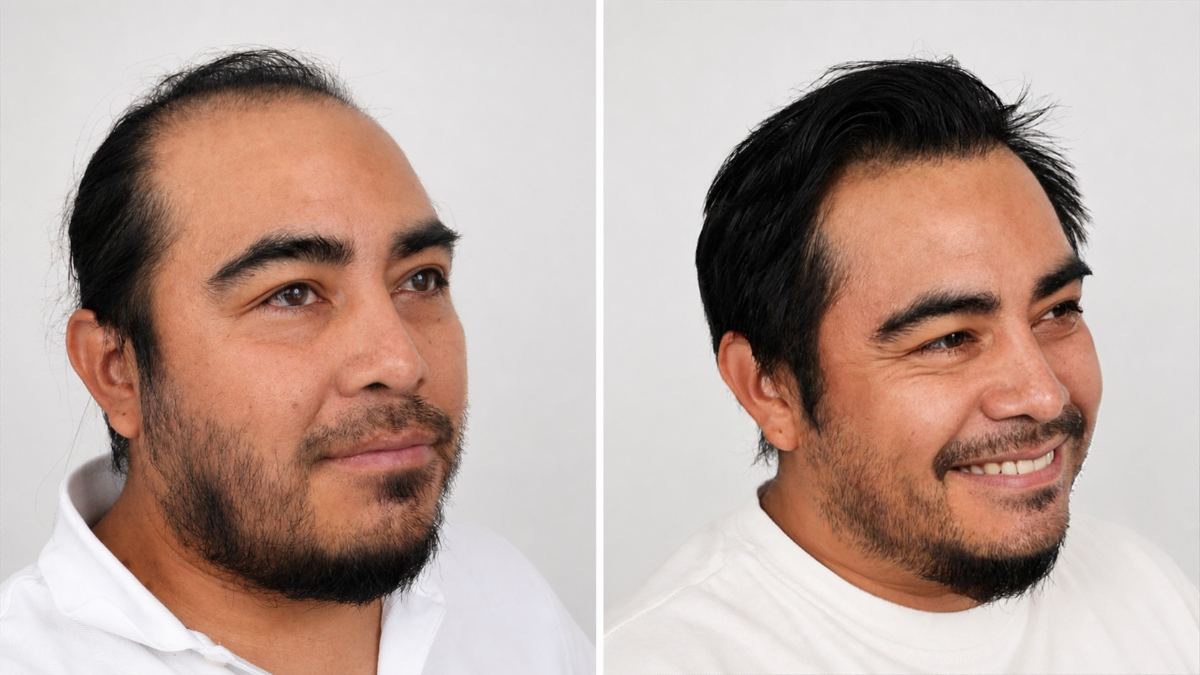
Individual results may vary.
Next step
Talk to a medical team about your scalp
Concerned about changes in your scalp health or considering hair restoration? Schedule an appointment with the medical experts at Advanced Hair Restoration to receive a free, personalized consultation.