
Pumpkin Seed Oil as a DHT Blocker: Efficacy vs Alternatives

Treatments
Pumpkin Seed Oil as a DHT Blocker: Efficacy vs Alternatives
Pumpkin seed oil is a mild, natural DHT blocker with a frequently cited 2014 study behind it. It can support the hair you have; it cannot match finasteride or bring back follicles that are already gone.

Key takeaways
- Pumpkin seed oil is a weak, natural 5-alpha-reductase inhibitor. Its beta-sitosterol may modestly reduce the conversion of testosterone into DHT.
- A 2014 study found an average hair count increase of roughly 40% over 24 weeks in men taking an oral supplement, compared to placebo.
- It does not compete with finasteride, which lowers systemic DHT by up to 70%, and it works differently from minoxidil, which is not a DHT blocker at all.
- Every preventative treatment only works on living follicles. Once they are completely lost, a hair transplant is the only permanent solution.
When searching for hair loss solutions, the internet is quick to offer a myriad of natural remedies. Among the most popular and heavily debated is pumpkin seed oil. Touted as a natural "DHT blocker," it has gained massive traction on social media and wellness blogs as a gentle, plant-based alternative to pharmaceutical treatments.
But when it comes to preserving your hairline, how much of this hype is grounded in clinical science? If you are noticing increased shedding or a receding hairline, it is crucial to separate holistic trends from medical reality. Here is how pumpkin seed oil interacts with DHT, how it actually compares to proven medications, and when it is time to seek a permanent solution.
What is DHT?
To understand how any hair loss treatment works, you first need to understand the enemy. For the vast majority of men and women experiencing pattern baldness (androgenetic alopecia), the primary culprit is a hormone called DHT (dihydrotestosterone).
01
Testosterone converts to DHT
DHT is a natural byproduct of testosterone, created by an enzyme called 5-alpha-reductase.
02
DHT binds to sensitive follicles
If you are genetically predisposed, the follicles on top of your scalp are highly sensitive to DHT.
03
Miniaturization begins
DHT slowly chokes the follicle off. The hair cycle shortens and each strand grows in thinner.
04
The follicle dies
Eventually it stops producing hair entirely.
To stop this process, a treatment must intervene and lower the amount of DHT binding to your scalp.
How pumpkin seed oil acts as a natural DHT blocker
Pumpkin seed oil is extracted from the unroasted seeds of pumpkins and is rich in antioxidants, fatty acids, and minerals. Its popularity in the hair loss community, however, comes from its concentration of phytosterols, particularly beta-sitosterol.
Clinical theories suggest that beta-sitosterol acts as a mild, natural inhibitor of the 5-alpha-reductase enzyme. By partially blocking this enzyme, pumpkin seed oil theoretically reduces the conversion of testosterone into DHT, lowering the amount of the hormone available to attack your hair follicles.
Pumpkin seed oil also has natural anti-inflammatory properties that can soothe an irritated scalp and create a healthier environment for hair growth.
How effective is pumpkin seed oil?
The short answer
Yes, mildly. But it is not a miracle cure.
A frequently cited 2014 study published in the journal Evidence-Based Complementary and Alternative Medicine observed a group of men with mild to moderate pattern baldness. The group taking an oral pumpkin seed oil supplement saw an average hair count increase of roughly 40% over 24 weeks, compared to the placebo group.
~40%
average hair count increase vs. placebo
24 weeks
study duration, oral supplement
These results are promising, but context matters:
- Pumpkin seed oil is a weak 5-alpha-reductase inhibitor. It can help maintain the hair you have and support a healthy scalp, but it is not powerful enough to halt aggressive genetic baldness.
- It cannot resurrect dead hair follicles or lower a severely receded hairline.
- Medical professionals generally view it as a supportive supplement alongside clinical treatments, rather than a standalone cure.
Pumpkin seed oil vs. proven medical treatments
When comparing a natural supplement to FDA-approved pharmaceuticals, the difference in clinical power is substantial.
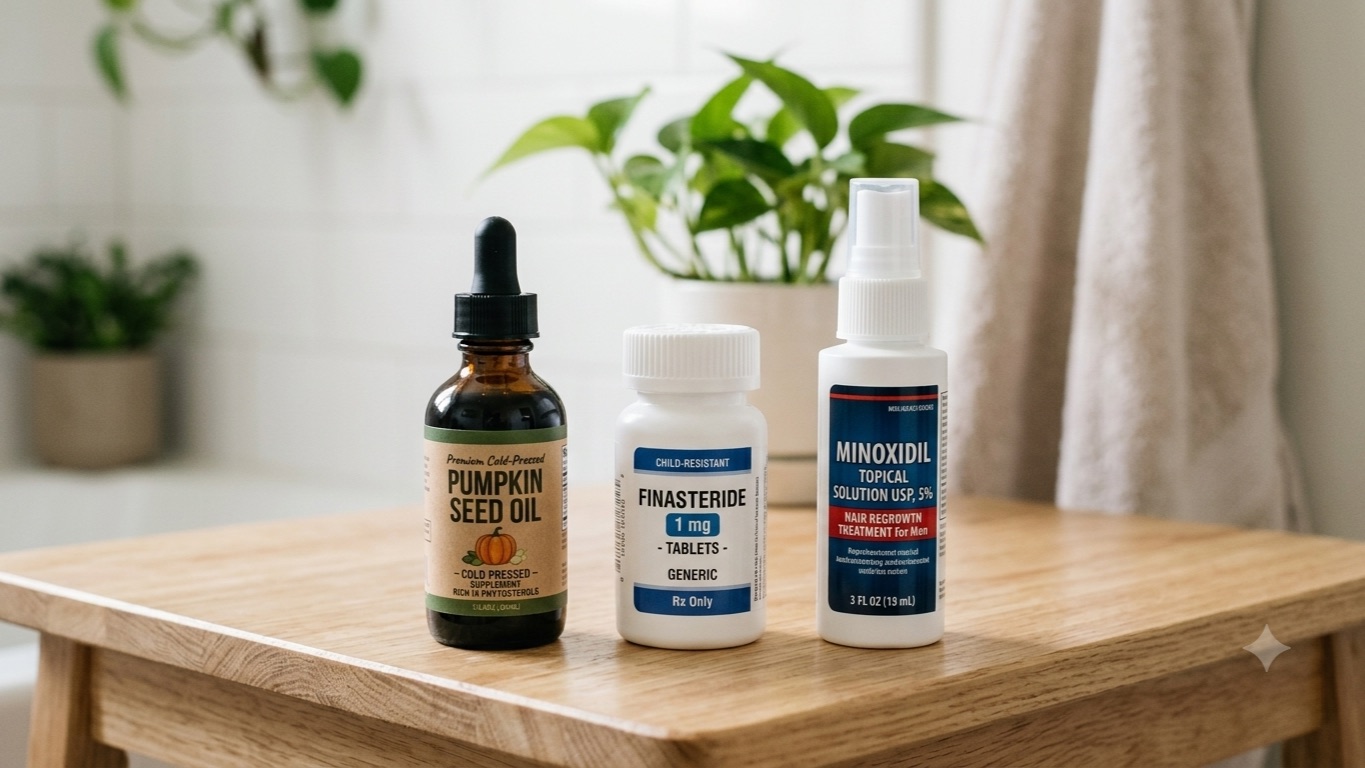
Pumpkin seed oil vs. finasteride
Finasteride is a prescription oral medication specifically engineered to inhibit the 5-alpha-reductase enzyme. While pumpkin seed oil does this gently, finasteride does it aggressively, lowering systemic DHT levels by up to 70%. If your primary goal is to definitively stop the progression of genetic hair loss, finasteride is the medically proven gold standard. Pumpkin seed oil does not compete with the efficacy of finasteride, though it serves as an alternative for patients who cannot tolerate pharmaceutical side effects.
Pumpkin seed oil vs. minoxidil
Minoxidil (commonly known as Rogaine) works entirely differently. It is not a DHT blocker; it is a vasodilator that increases blood flow to the scalp and artificially extends the hair's growth phase. Pumpkin seed oil and minoxidil are not mutually exclusive. Many patients combine the growth-stimulating power of topical minoxidil with the mild DHT-blocking properties of oral pumpkin seed oil for a comprehensive, holistic routine.
| Treatment | How it works | Where it fits |
|---|---|---|
| Pumpkin seed oil | Beta-sitosterol mildly inhibits 5-alpha-reductase; anti-inflammatory | Supportive supplement; alternative when pharmaceutical side effects are not tolerated |
| Finasteride | Prescription 5-alpha-reductase inhibitor; lowers systemic DHT up to 70% | Gold standard for stopping genetic hair loss |
| Minoxidil | Vasodilator; more scalp blood flow, longer growth phase. Not a DHT blocker | Growth stimulation; pairs with oral pumpkin seed oil |
| Hair transplant | Moves DHT-resistant follicles from the back of the head to thinning areas | Permanent option once follicles are lost |
Free consultation
Find out which follicles you can still save
A free consultation with an Advanced Hair Restoration® expert tells you whether medication and supplements can still help, or whether it is time for a permanent solution.
Transitioning to permanent solutions
Dr. Parungao puts it plainly:
From Dr. Allan Parungao
"Whether you rely on pumpkin seed oil, Finasteride, or Minoxidil, all preventative treatments share one biological limitation: They only work on living hair follicles. Once they are completely lost, then only a hair transplant will fill in the gaps where hair once was."
Once DHT has fully miniaturized a hair follicle and it closes over into scar tissue, no natural oil or prescription pill can bring it back. If you have completely bald areas at the temples, a receded hairline, or a highly visible bald spot on your crown, your hair loss has outpaced medical management.
At this stage, the only viable, permanent solution is a hair transplant (FUE or FUT).
By extracting DHT-resistant follicles from the back of your head and meticulously implanting them into your thinning areas, the medical teams at Advanced Hair Restoration can permanently restore the density that medications and supplements cannot. Because these transplanted hairs are immune to DHT, they will continue to grow naturally for the rest of your life, no daily oils or serums required.

Medical review policy
This article has been medically reviewed for accuracy by the medical team at Advanced Hair Restoration. Content is based on current clinical guidelines, FDA regulatory history, and peer-reviewed dermatological literature as of 2026.
Questions patients ask
Pumpkin seed oil questions
Does pumpkin seed oil really block DHT?
Mildly. Its beta-sitosterol content is thought to partially inhibit 5-alpha-reductase, the enzyme that converts testosterone into DHT. It is a weak inhibitor: enough to help maintain the hair you have and support a healthy scalp, not enough to halt aggressive genetic baldness.
How does pumpkin seed oil compare to finasteride?
Finasteride is a prescription medication engineered to inhibit the same enzyme, and it lowers systemic DHT levels by up to 70%. Pumpkin seed oil does not compete with that efficacy. It serves as an alternative for patients who cannot tolerate pharmaceutical side effects, and as a supportive supplement alongside clinical treatment.
Can pumpkin seed oil be combined with minoxidil?
The two are not mutually exclusive, because they work differently. Minoxidil is a vasodilator that increases blood flow to the scalp and extends the growth phase; pumpkin seed oil mildly blocks DHT. Many patients combine topical minoxidil with oral pumpkin seed oil.
Can pumpkin seed oil regrow hair on a bald spot or a receded hairline?
No. Like finasteride and minoxidil, it only works on living follicles. Once a follicle has fully miniaturized and closed over into scar tissue, no oil or pill can bring it back. At that stage a hair transplant is the only permanent solution.
Real Results
Simple 1 Day Treatment®. Lifetime Results.
Every photo below is a real Advanced Hair patient: Advanced FUE™, their own natural hair, Guaranteed to Grow for Life™.

Kyle M. · 3,000 Advanced FUE™ grafts

Scott H. · 2,500 Advanced FUE™ grafts
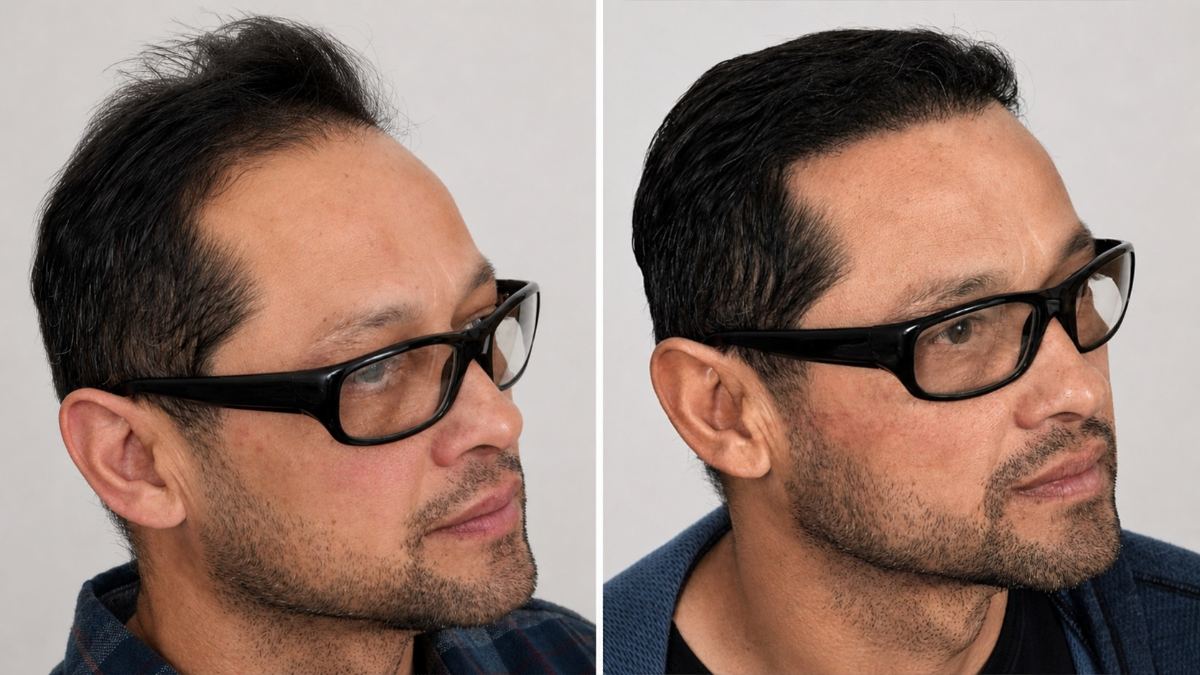
Madison T. · 3,300 Advanced FUE™ grafts
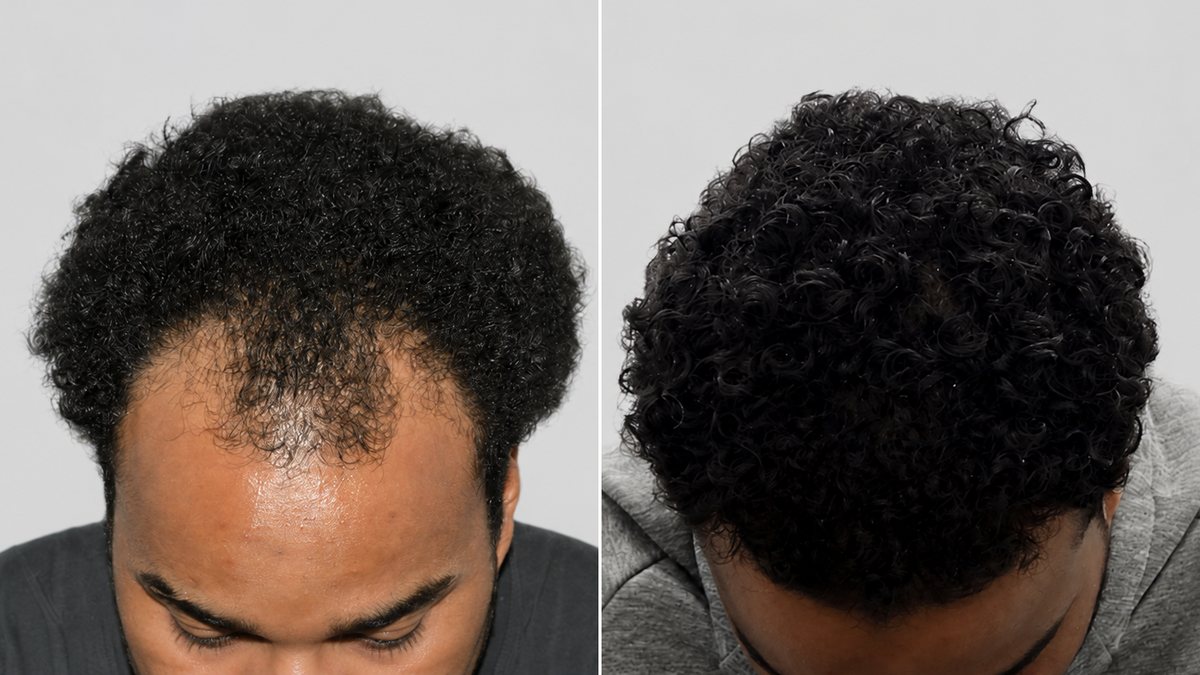
AJ S. · 2,500 Advanced FUE™ grafts
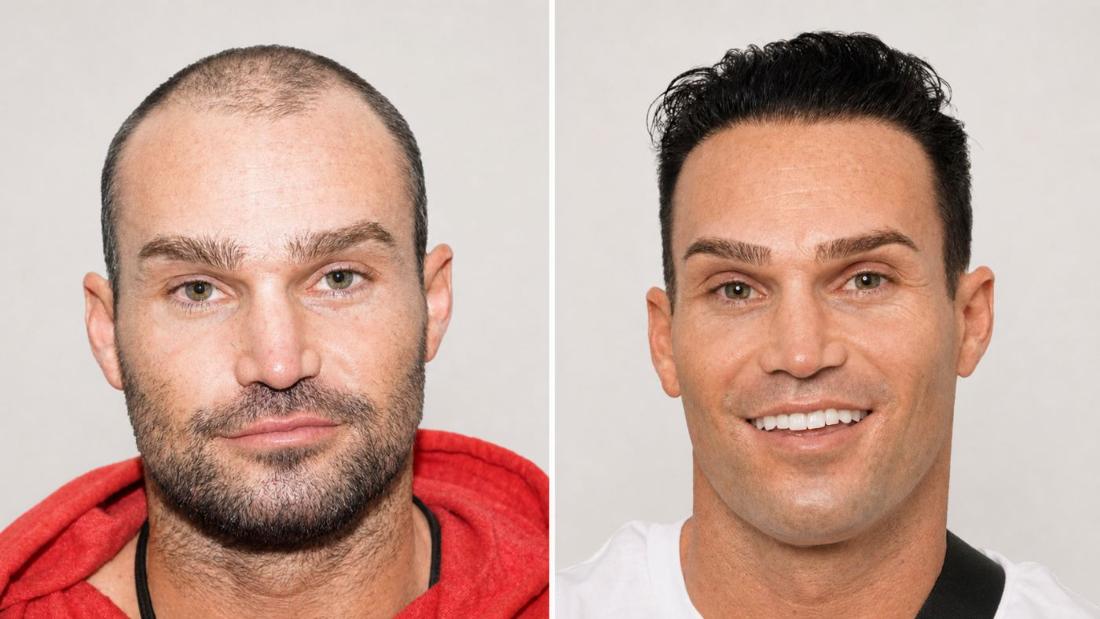
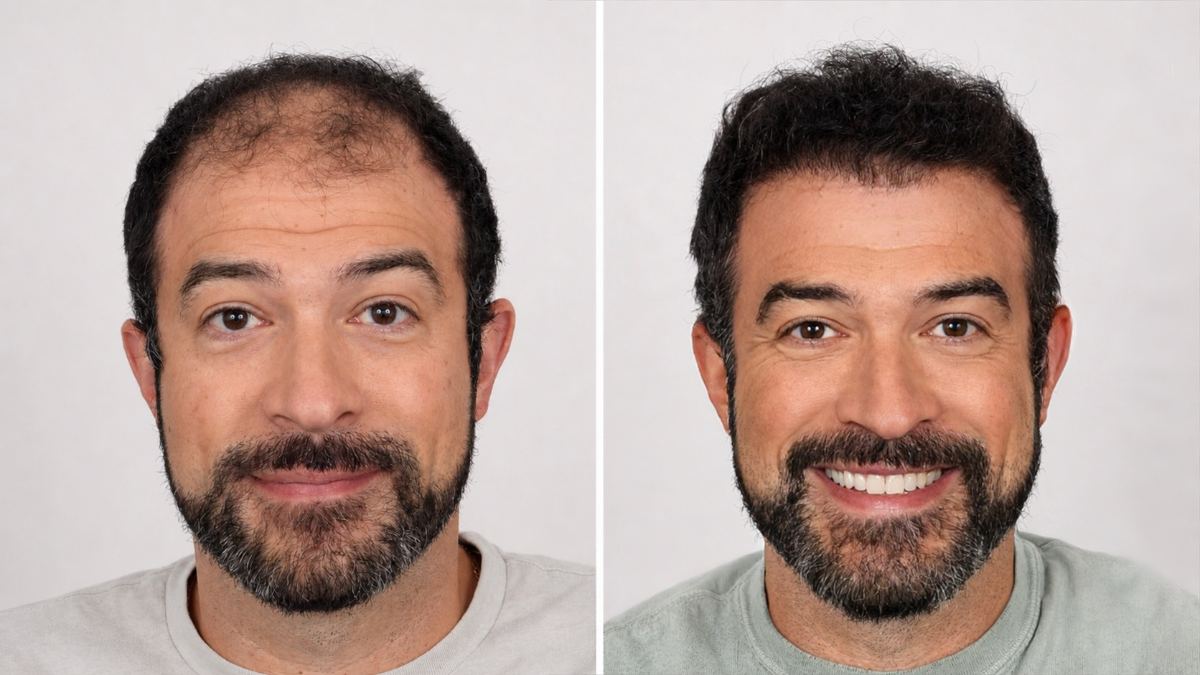
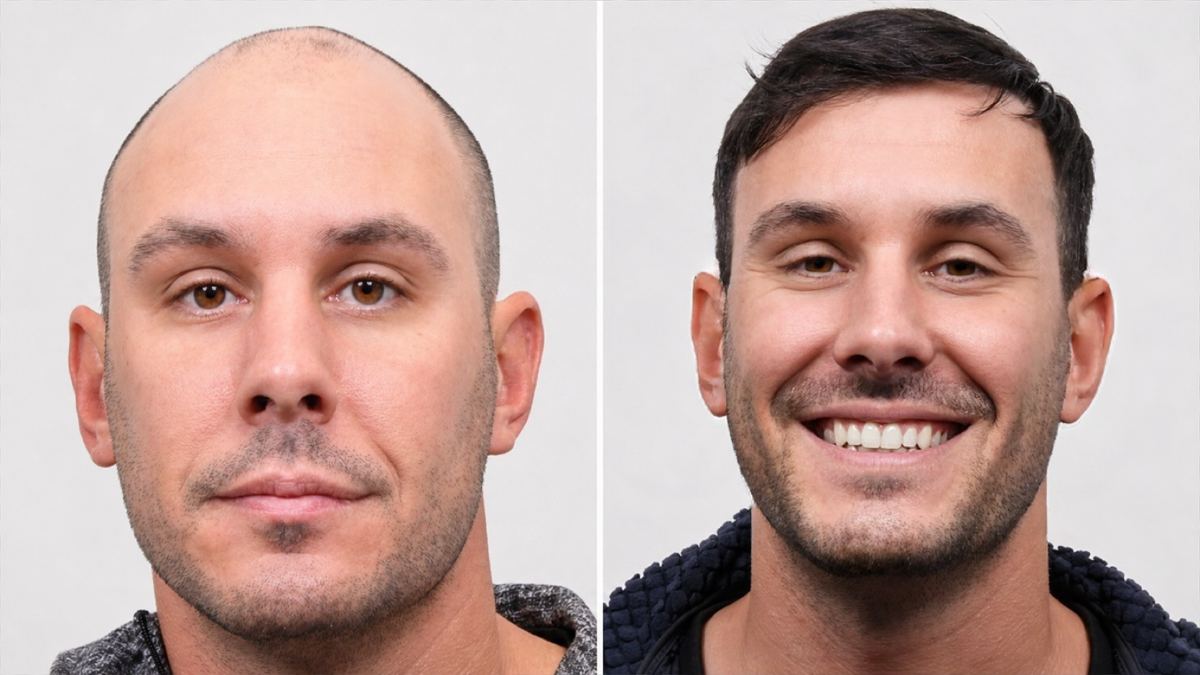
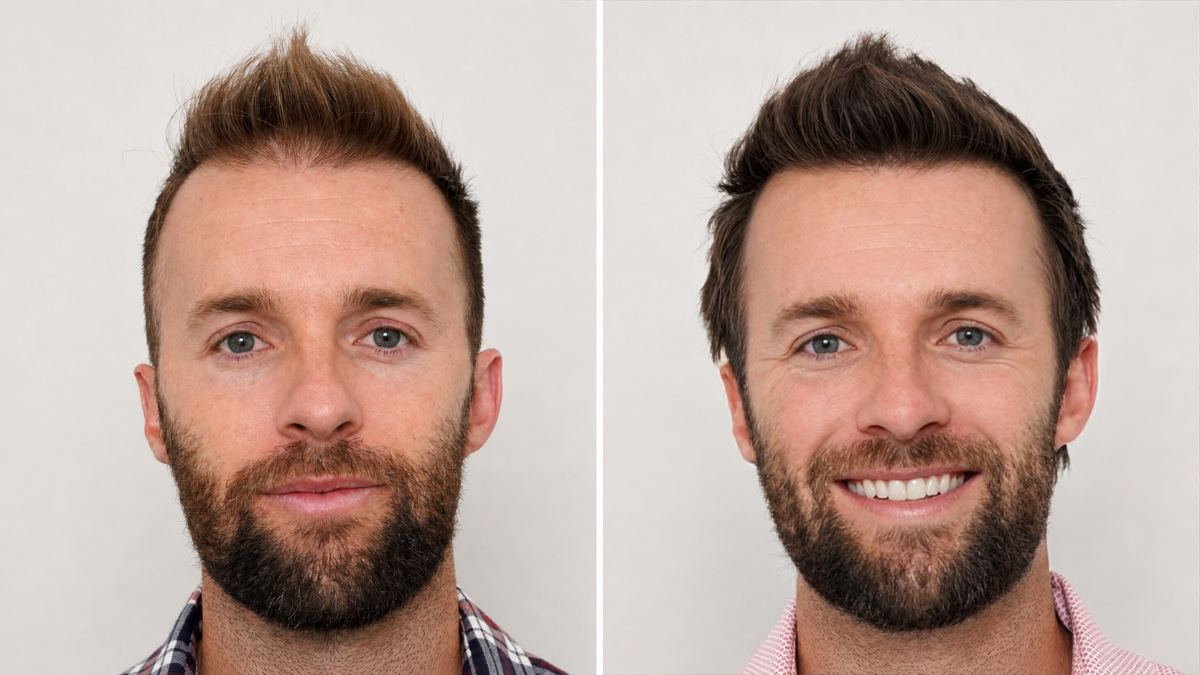
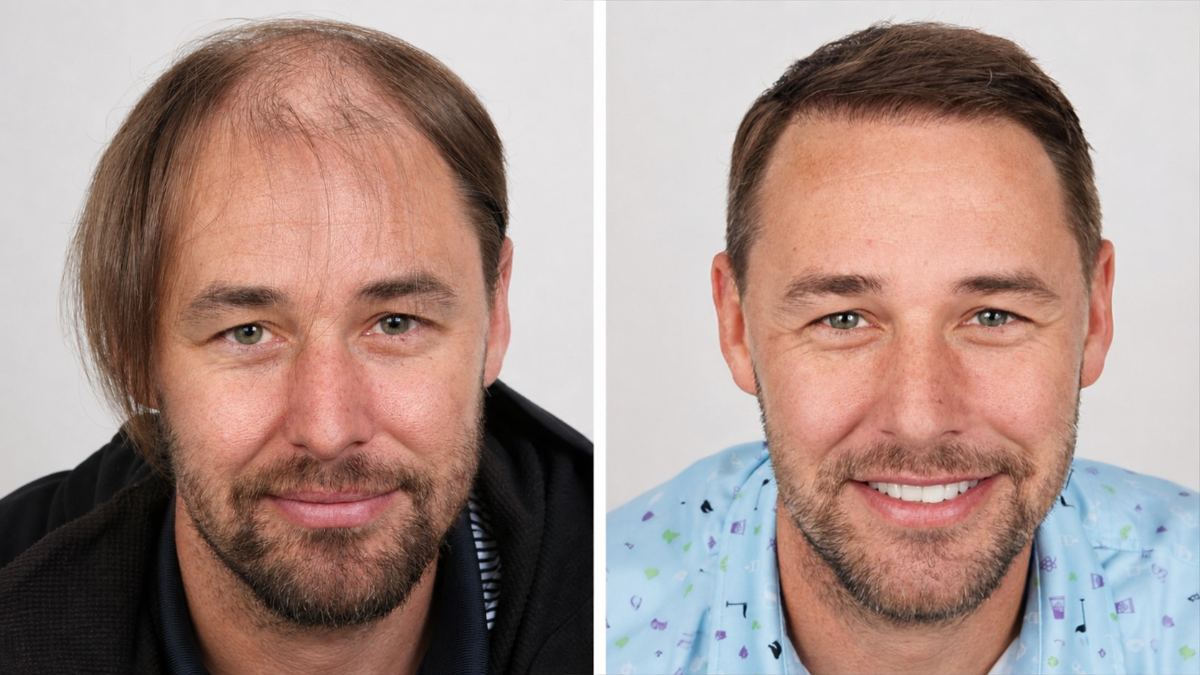
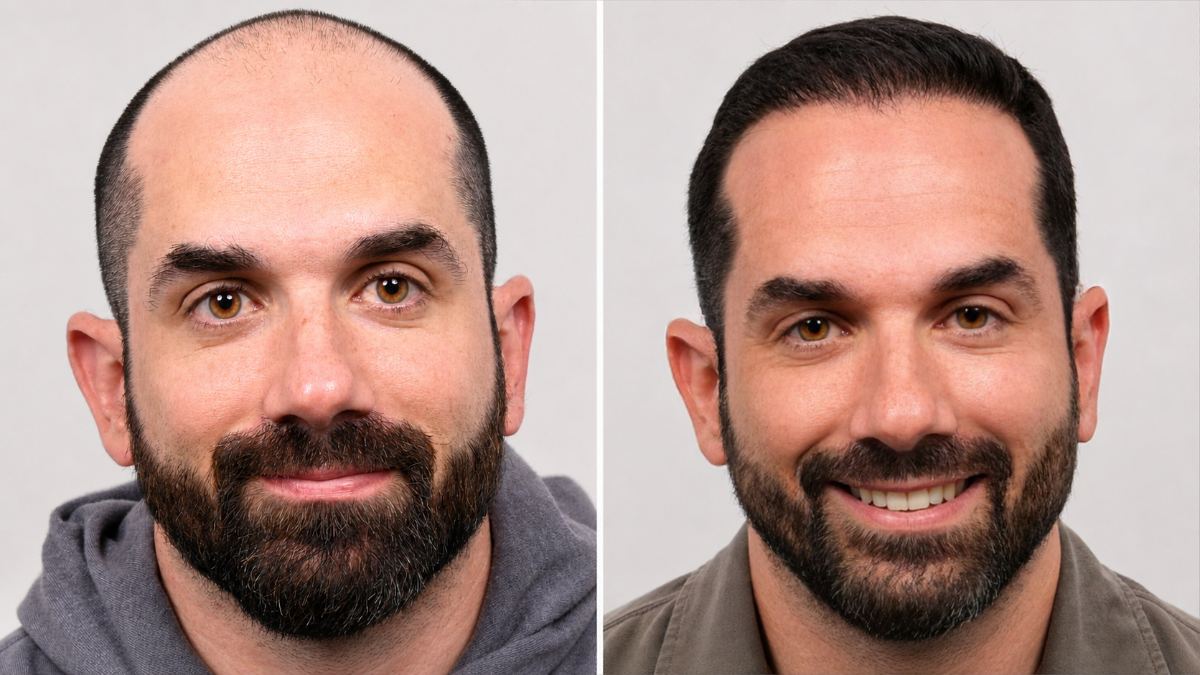
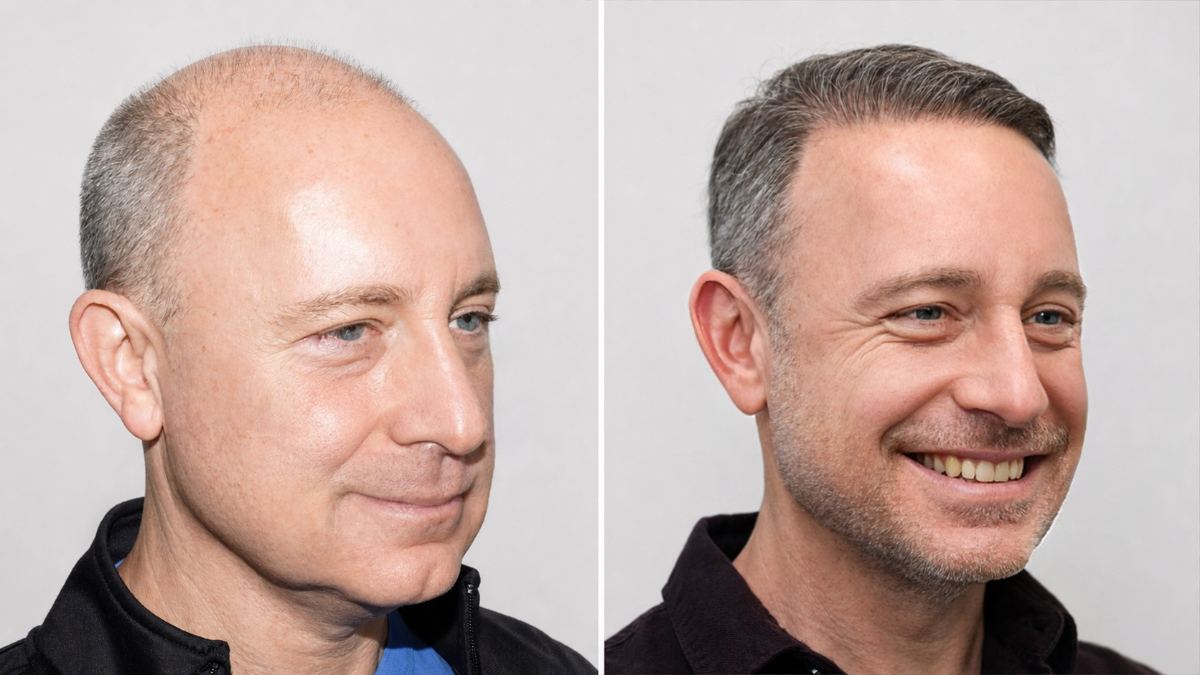
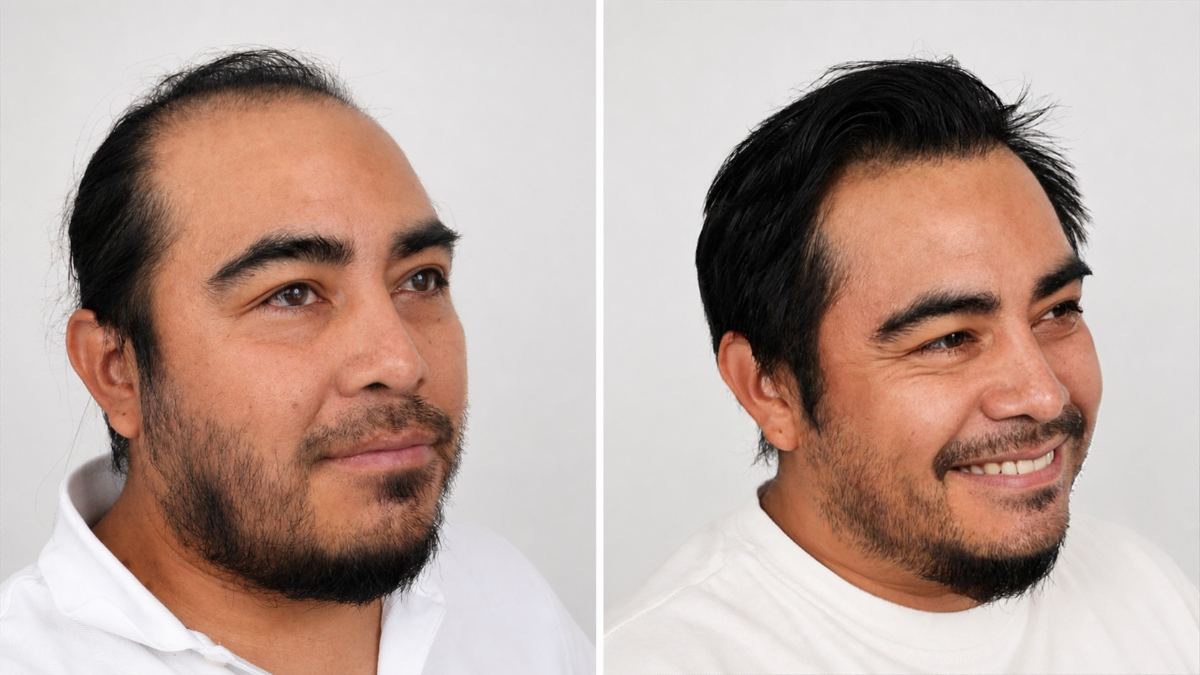
Individual results may vary.
Next step
Don't leave your hairline to chance
If you are unsure whether you need natural maintenance or a permanent solution, rely on the experts. Schedule a free consultation with Advanced Hair Restoration to receive a customized, scientifically backed restoration plan.