
Alopecia: Types, Causes, and Understanding Hair Loss

Hair Loss Science
Alopecia: Types, Causes, and Understanding Hair Loss
Alopecia is simply the medical word for hair loss. Knowing which type you have is the first step to fixing it. Here are the eight most common, and which ones a transplant can reverse.

Key takeaways
- Alopecia is not one disease. It is the umbrella term for hair loss, with very different causes.
- Androgenetic alopecia, pattern baldness, affects about 50 million men and 30 million women in the U.S. and is the most common type by far.
- Stress shedding and mild alopecia areata usually grow back. Pattern, traction, scarring and triangular alopecia do not.
- For permanent types, a hair transplant is the only proven way to restore natural, growing hair.
If you have noticed a thinning hairline, more hair in the shower drain or a bald patch, you have probably run into the word alopecia. Because the media uses it for sudden or severe loss, many people assume it is a single disease. It is not. Alopecia is the medical term for hair loss, and the type you have determines what can be done about it.
The most common types
Hair loss can be triggered by genetics, autoimmune disease, stress, styling or injury to the scalp. Millions of men and women live with one of these forms:
| Type | Cause | How it shows up | Permanent? |
|---|---|---|---|
| Androgenetic alopecia (pattern baldness) | Hereditary sensitivity to DHT, which shrinks follicles until they stop producing hair. | Men: receding hairline and thinning crown. Women: diffuse thinning on top and a widening part. | Yes |
| Alopecia areata | Autoimmune. The immune system attacks healthy follicles, often triggered by severe stress. | Smooth, round bald patches on the scalp, brows or beard. Can progress to total loss. | Often temporary |
| Traction alopecia | Constant pulling from tight braids, cornrows, ponytails or heavy extensions. | Thinning along the front hairline and temples. | Permanent if the tension continues |
| Scarring (cicatricial) alopecia | Burns, injury, harsh chemical treatments or inflammatory disease such as lupus. | Bald patches with scar tissue. Hair cannot regrow through scar naturally. | Yes |
| Trichotillomania | A compulsive hair-pulling response to anxiety, often linked to OCD. | Uneven, broken patches. Years of pulling can destroy follicles. | Can become permanent |
| Triangular alopecia | Unknown. Usually present from childhood and stable for life. | A triangular or oval bald patch at the temple. | Yes |
| Telogen effluvium (stress shedding) | A shock to the system: an operation, childbirth, rapid weight loss, illness or trauma pushes follicles into rest. | Handfuls of hair shed 3 to 4 months after the event. | Usually temporary |
| Loose anagen syndrome | Hair is loosely anchored during the growth phase because of premature keratinization. | Sparse, fine, slow-growing hair that pulls out painlessly, often at the back of the head. | Varies |
Pattern baldness, up close
Androgenetic alopecia is the reason most people are reading this. It is inherited, and it works through DHT, a hormone that attacks susceptible follicles on the top and front of the scalp. Over years the follicles miniaturize, producing finer and shorter hair until they stop. The hair at the back and sides is genetically resistant, which is exactly why it can be moved and keep growing. Our stress guide covers how a shedding episode can unmask it.
Free consultation
Find out which type you have
An Advanced Hair Restoration® expert examines your scalp, names the cause and tells you whether it is temporary, treatable or a candidate for permanent restoration. Consultations are free.
Is alopecia permanent?
It depends entirely on the type. Telogen effluvium and mild alopecia areata are usually temporary: once the stressor or immune response settles, the cycle resets and hair grows back. Conditions that destroy or permanently shrink the follicle, including androgenetic alopecia, advanced traction alopecia, scarring alopecia and triangular alopecia, are permanent. No serum or shampoo brings a dead follicle back.
Treating permanent hair loss
For a permanent form of alopecia, the only proven medical way to restore your own growing hair is a hair transplant. Advanced Hair Restoration® physicians use Advanced FUE™ to extract healthy, DHT-resistant follicles from the back of the scalp one at a time and relocate them to the areas of loss, including traction alopecia at the hairline and temples. Because the follicles keep their genetic resistance, the result is Guaranteed to Grow for Life™.
The bottom line
You do not have to live with hair loss. Name the type, and the path forward becomes clear.
Questions patients ask
Alopecia questions
Is alopecia the same as baldness?
Alopecia means hair loss of any kind. Baldness usually refers to androgenetic alopecia, the hereditary pattern type, which is one of many forms.
How do I know if my hair loss is temporary?
Timing and pattern tell the story. Diffuse shedding a few months after a stressful event is usually telogen effluvium and regrows. A receding hairline or thinning crown that keeps progressing is pattern loss. A specialist can tell in one visit.
Can a transplant treat traction alopecia?
Yes. Once the tension stops, Advanced FUE™ can rebuild the hairline and temples with your own DHT-resistant hair.
Can a transplant treat alopecia areata?
Usually not while the condition is active, because the immune response can attack transplanted follicles too. A physician will evaluate whether it has been stable long enough.
Real Results
Simple 1 Day Treatment®. Lifetime Results.
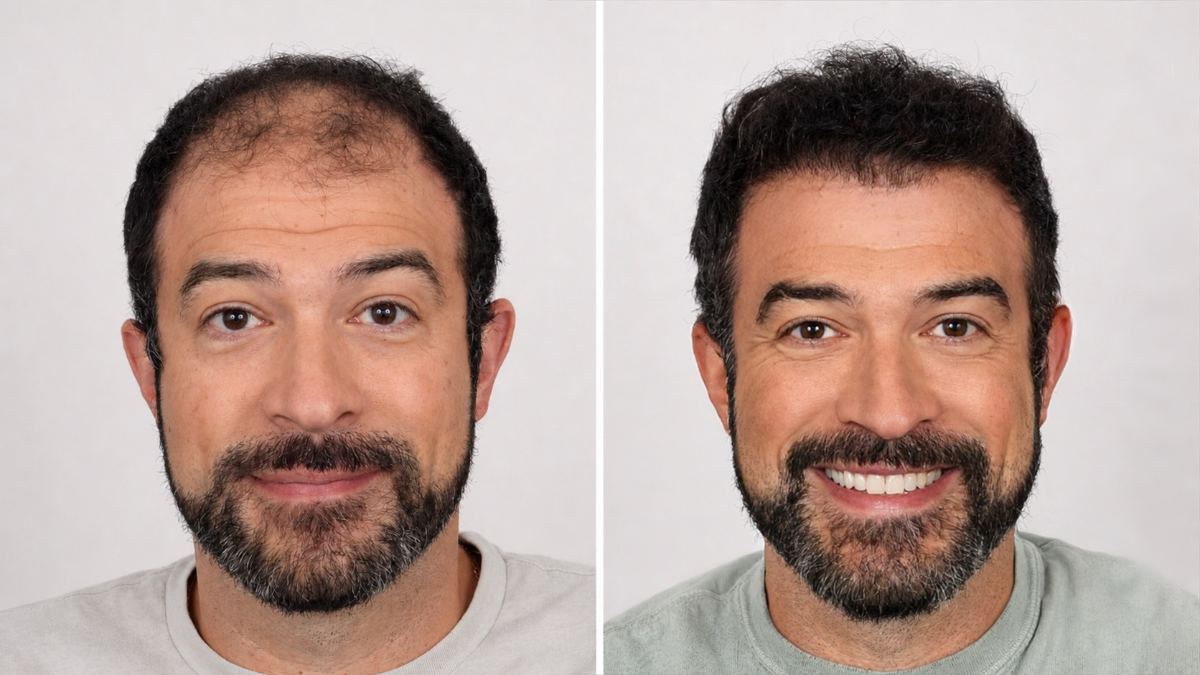
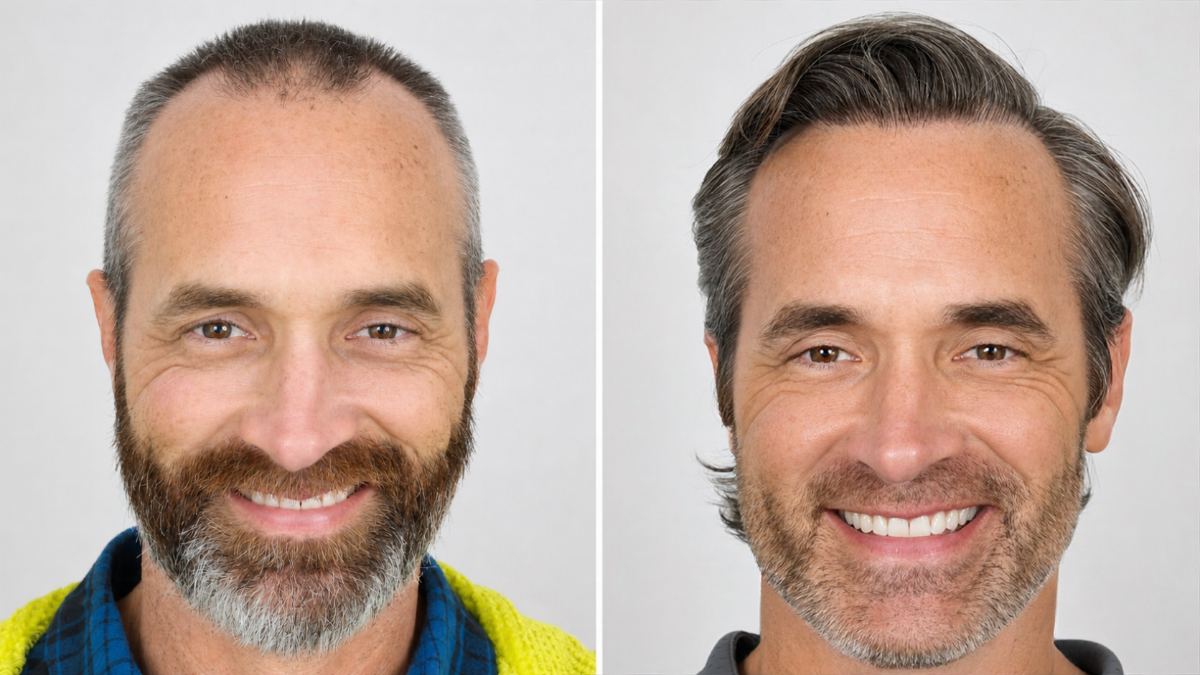
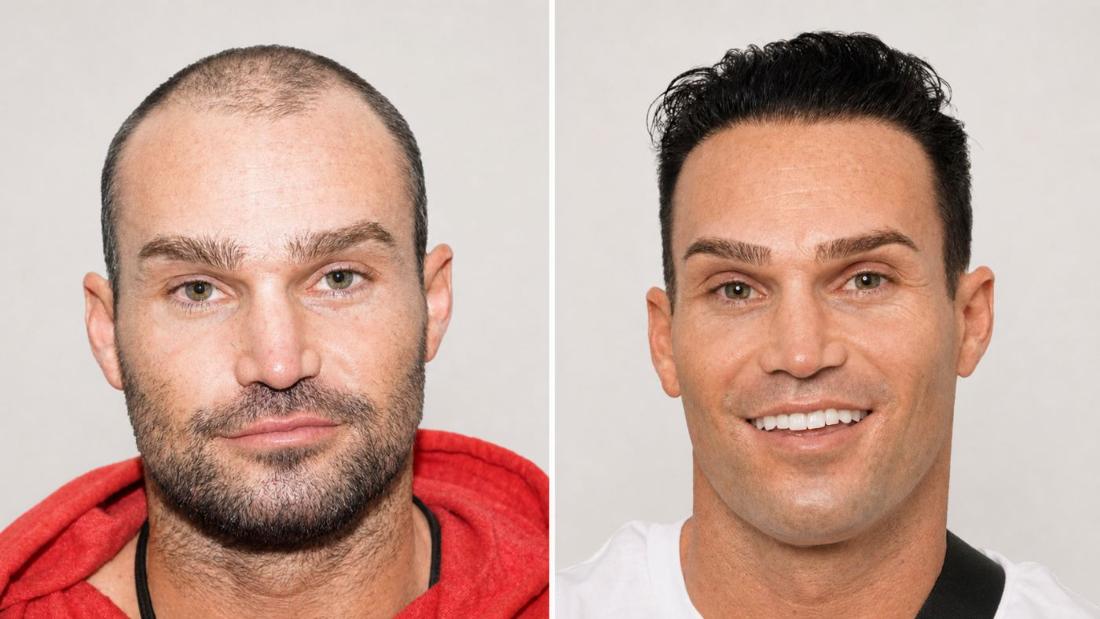
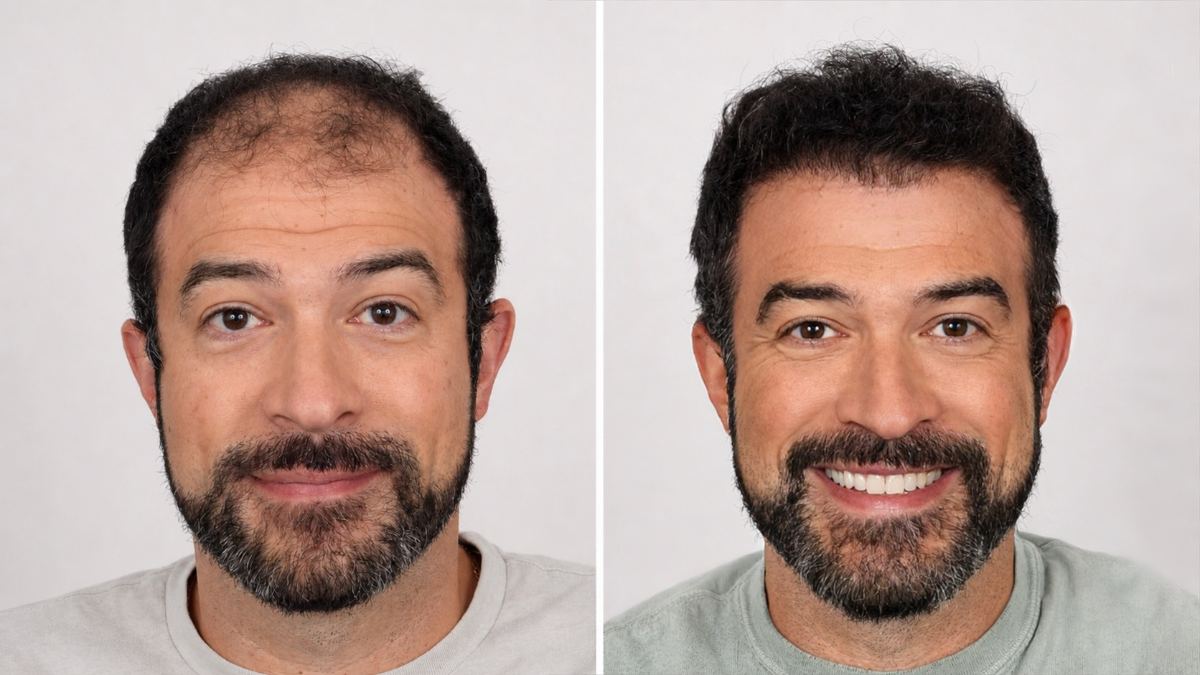
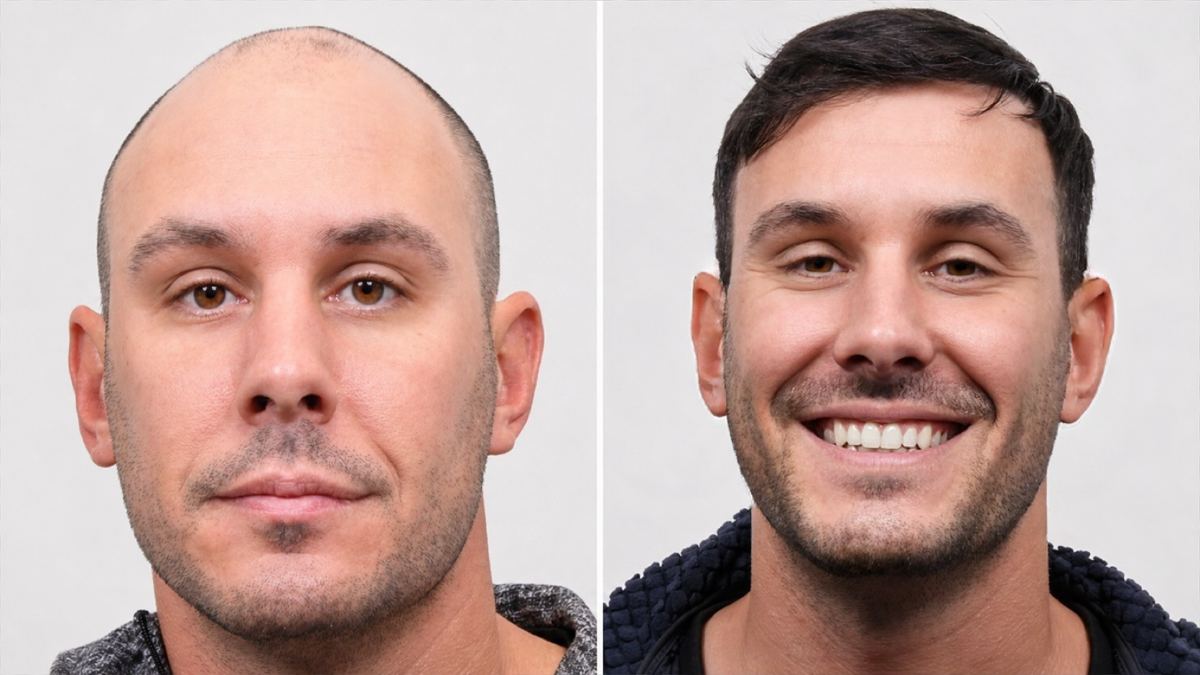
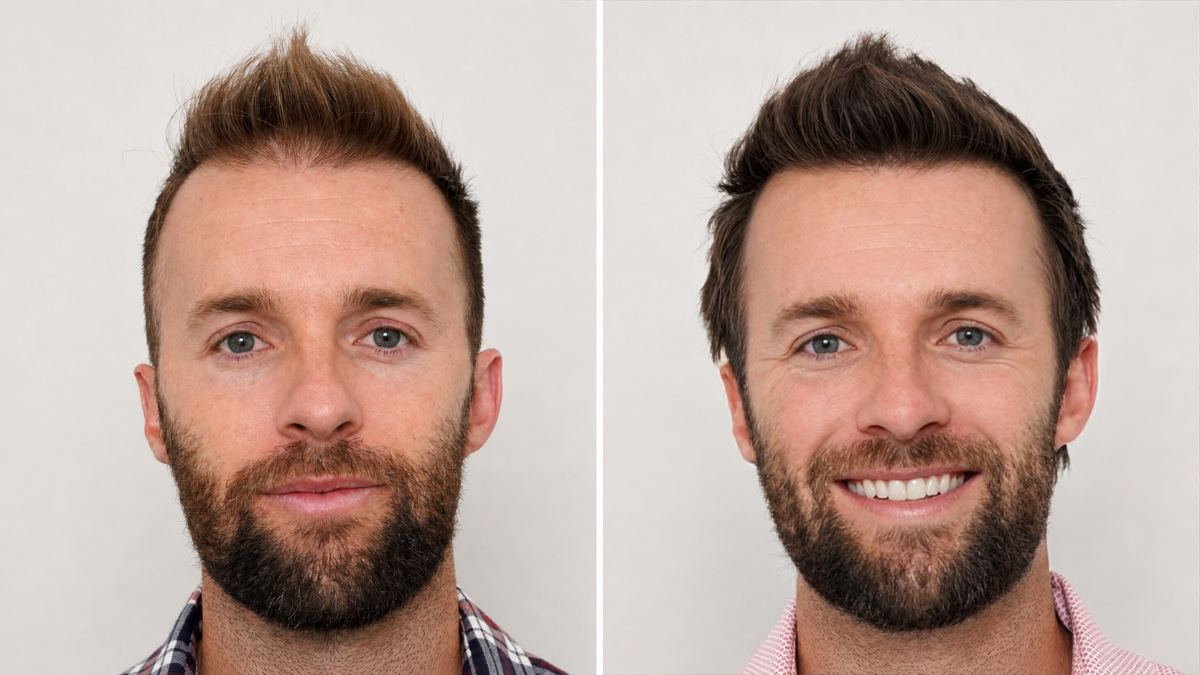
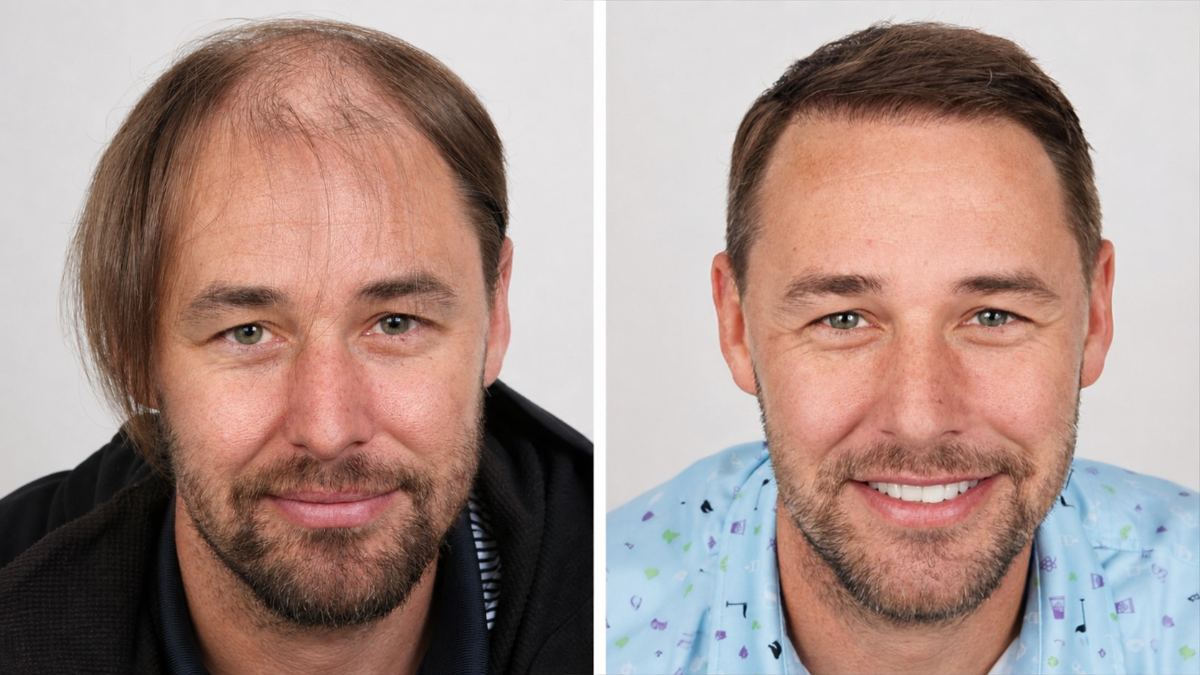
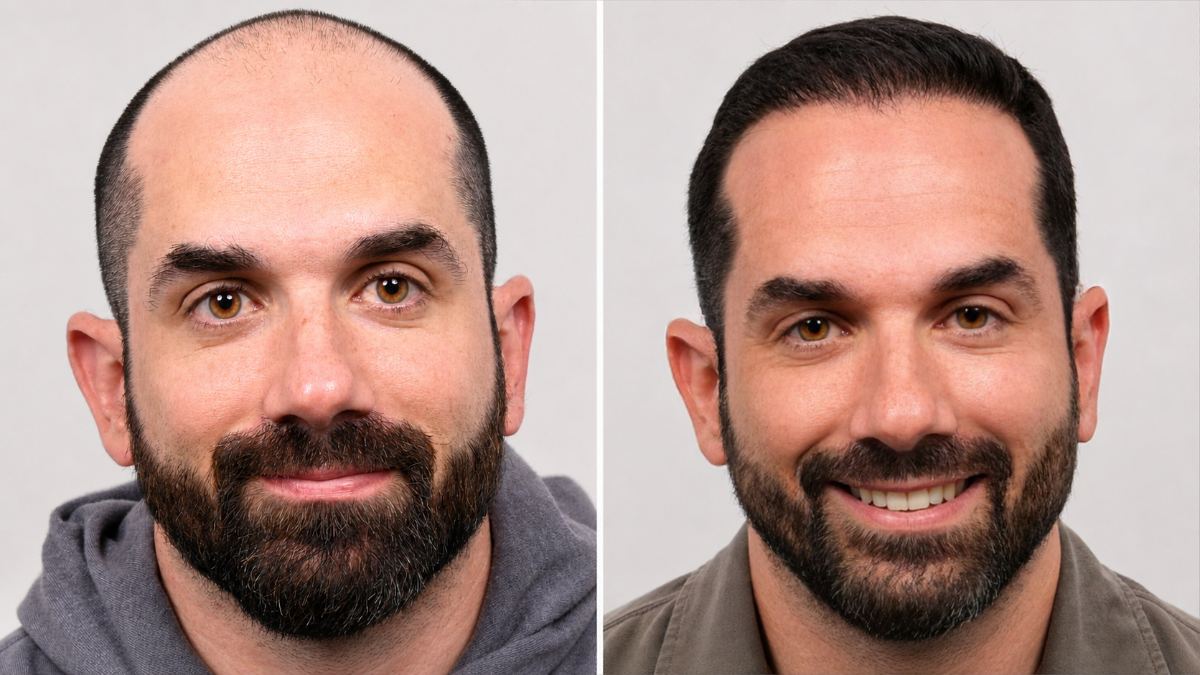
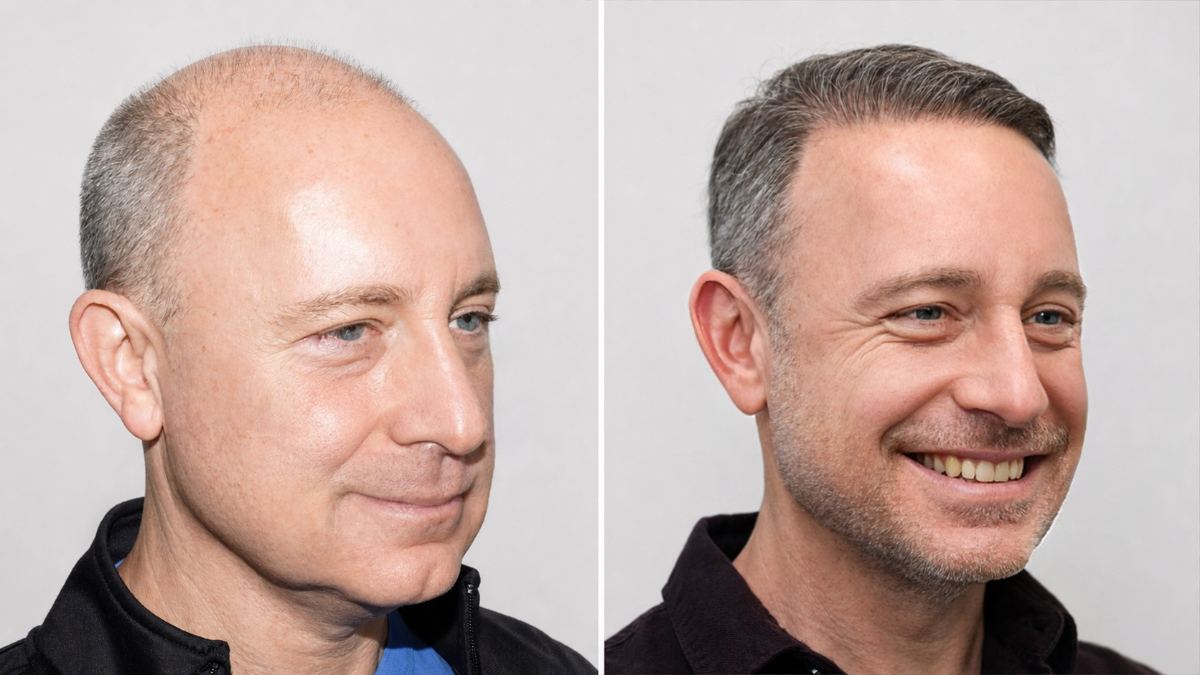
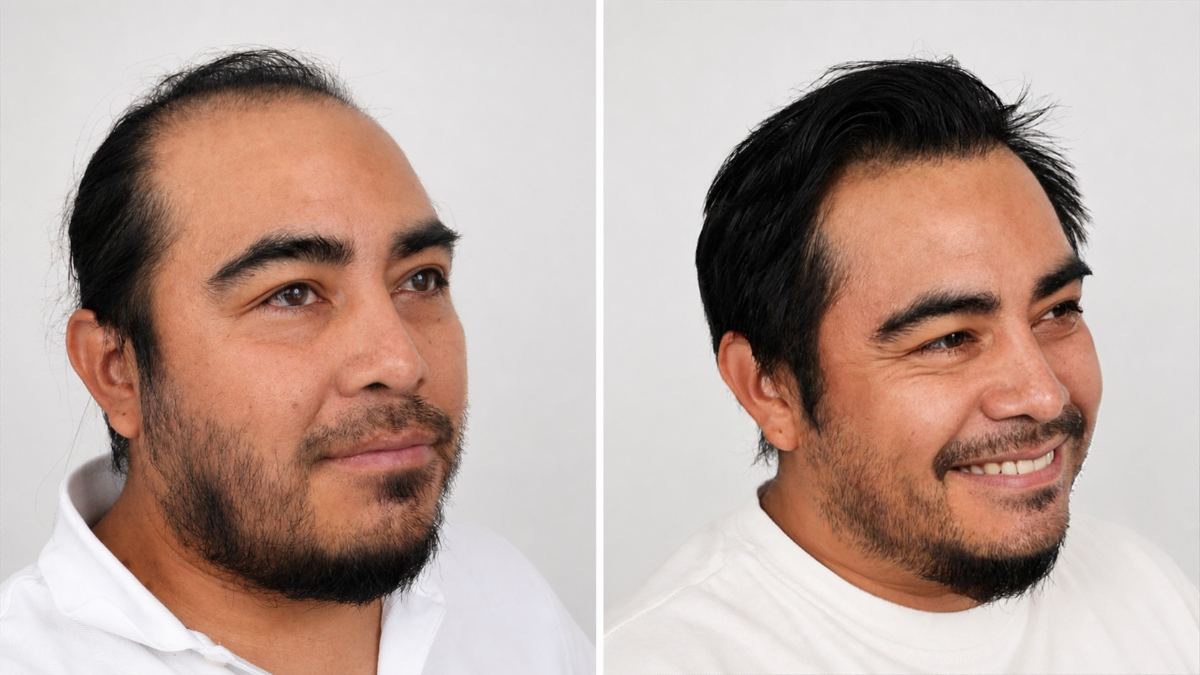
Every photo below is a real Advanced Hair patient: Advanced FUE™, their own natural hair, Guaranteed to Grow for Life™.
Kyle M. · 3,000 Advanced FUE™ grafts

Scott H. · 2,500 Advanced FUE™ grafts
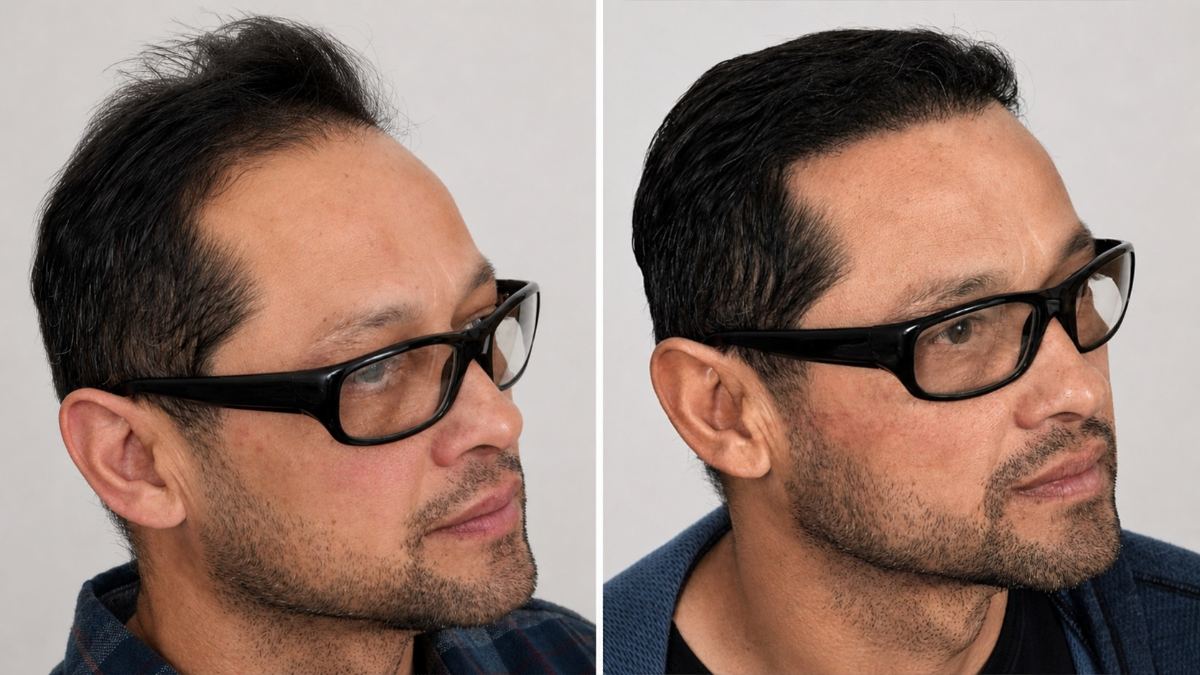
Madison T. · 3,300 Advanced FUE™ grafts
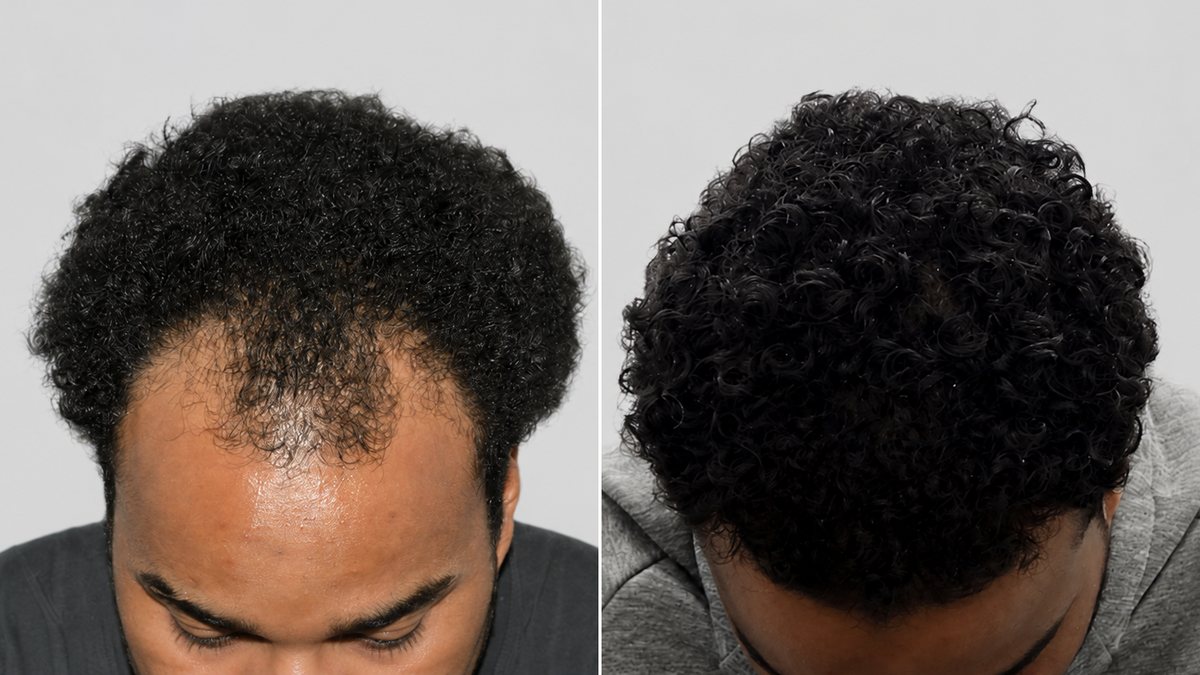
AJ S. · 2,500 Advanced FUE™ grafts
Individual results may vary.
Next step
Get a personalized assessment
The only way to know your graft count, your cost and what your result will look like is a professional evaluation. Consultations are free, and you meet a real expert, not a salesperson.