
Chemo and Hair Loss: Regrowth Timelines & Options

Hair Loss Science
Chemo and Hair Loss: Regrowth Timelines and Options
For most patients chemo hair loss is temporary. For some it is not. A clear, compassionate look at why it happens, when it grows back, and what to do when it does not.

Key takeaways
- Chemotherapy attacks fast-dividing cells, and hair matrix cells are among the fastest. Hair breaks off within 2 to 4 weeks of starting treatment (anagen effluvium).
- Regrowth usually begins 2 to 3 weeks after the last treatment, with real growth by 1 to 2 months. Texture and color changes are common and temporary.
- Permanent chemotherapy-induced alopecia (PCIA) is rare. If there is no meaningful regrowth 6 to 12 months after treatment, it may be the cause.
- Once cleared by your oncologist, a hair transplant can permanently restore PCIA thinning with your own surviving hair.
A cancer diagnosis and chemotherapy are among the hardest things a person goes through. On top of everything else, losing your hair can feel like losing part of your identity. If you or someone you love is preparing for treatment or living with its aftermath, here is a plain, medical explanation of why it happens, when it grows back, and what the options are if it does not.
Why chemotherapy causes hair loss
Chemotherapy drugs are designed to destroy rapidly dividing cancer cells. They cannot easily tell those cells apart from other fast-dividing cells, and the hair matrix contains some of the fastest-growing cells in the body. As the drugs circulate, they disrupt the growth phase abruptly. The result is anagen effluvium: hair shafts weaken and break at the scalp within two to four weeks of starting treatment. Unlike stress shedding, which takes months to appear, this one is fast.
The regrowth timeline
For the vast majority of patients, chemotherapy hair loss is temporary. Once the drugs leave your system the follicles heal and resume their cycle.
- 2 to 3 weeks after the final treatment. Soft, fine "peach fuzz" begins to appear.
- 1 to 2 months. Real hair grows at the usual rate of about half an inch a month.
- The first year. "Chemo curls" are common: hair may come back curlier, straighter, or a different color. The original texture typically returns within a year.
When it does not grow back: PCIA
The medical community increasingly recognizes permanent chemotherapy-induced alopecia, or PCIA. In some cases, often tied to certain aggressive regimens or prolonged exposure, the follicle's stem cells are destroyed and the loss becomes irreversible. It most commonly shows as long-term thinning or bald patches on the top of the scalp and crown. If your hair has not achieved meaningful regrowth six months to a year after your last treatment, PCIA may be the reason.
Free consultation
Talk to us when you are ready
Once your oncologist has cleared you, an Advanced Hair Restoration® physician can evaluate your scalp and donor area and tell you honestly whether restoration is an option. Consultations are free and unhurried.
Can a hair transplant fix chemo hair loss?
For permanent loss after chemotherapy, yes. A hair transplant is a highly effective, permanent treatment for PCIA. Once you are in remission and fully cleared by your oncologist, our medical team evaluates your candidacy.
With Advanced FUE™, surviving healthy follicles are extracted from the donor area at the back of the scalp one at a time and relocated to the thinned areas on top. Because they are your own hair, they take root and keep growing for life. With our patented No-Shave FUE™, you can have the procedure without shaving your head again, which matters to many patients who have already been through that once.
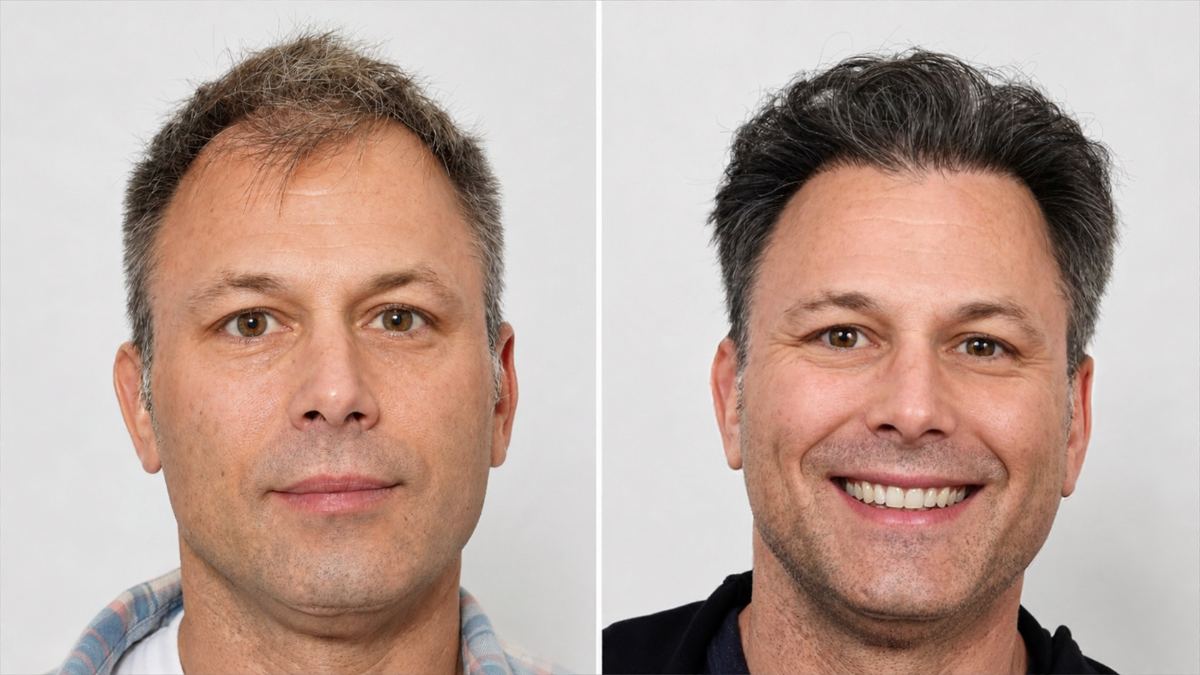
Reclaiming your reflection
Surviving cancer is a monumental victory. You deserve to see a reflection that matches your renewed health. If regrowth has stalled and you want to explore permanent, medical restoration, our team is here with compassion and the surgical expertise to match.
Questions patients ask
Chemo and hair questions
How soon after chemotherapy can I have a hair transplant?
Only after your oncologist has cleared you, and after enough time has passed to know which follicles have recovered on their own. Most physicians want to see at least a year of stable regrowth, or the lack of it, before planning.
Will transplanted hair survive if I need treatment again?
Transplanted follicles behave like any other follicle. Future chemotherapy could cause them to shed temporarily, and they would be expected to recover in the same way as native hair.
Does the donor area survive chemotherapy?
Usually. PCIA tends to affect the top and crown. The back and sides often recover fully, which is what makes restoration possible. Your physician measures donor density at the consultation.
Real Results
Simple 1 Day Treatment®. Lifetime Results.
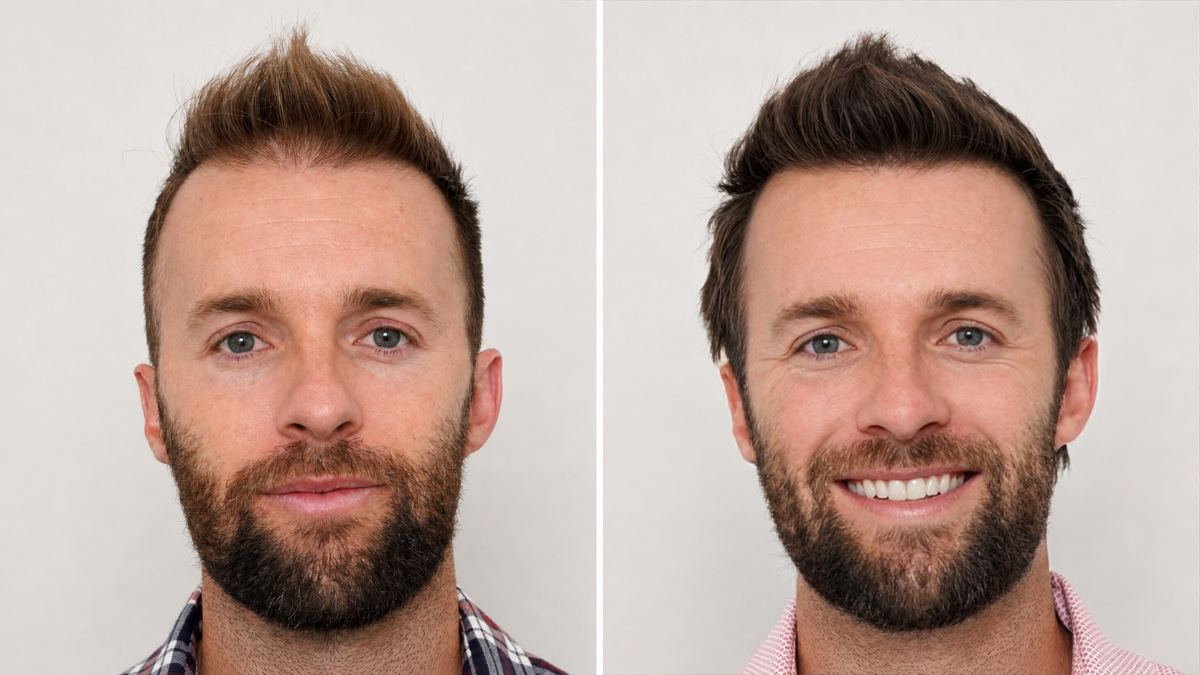
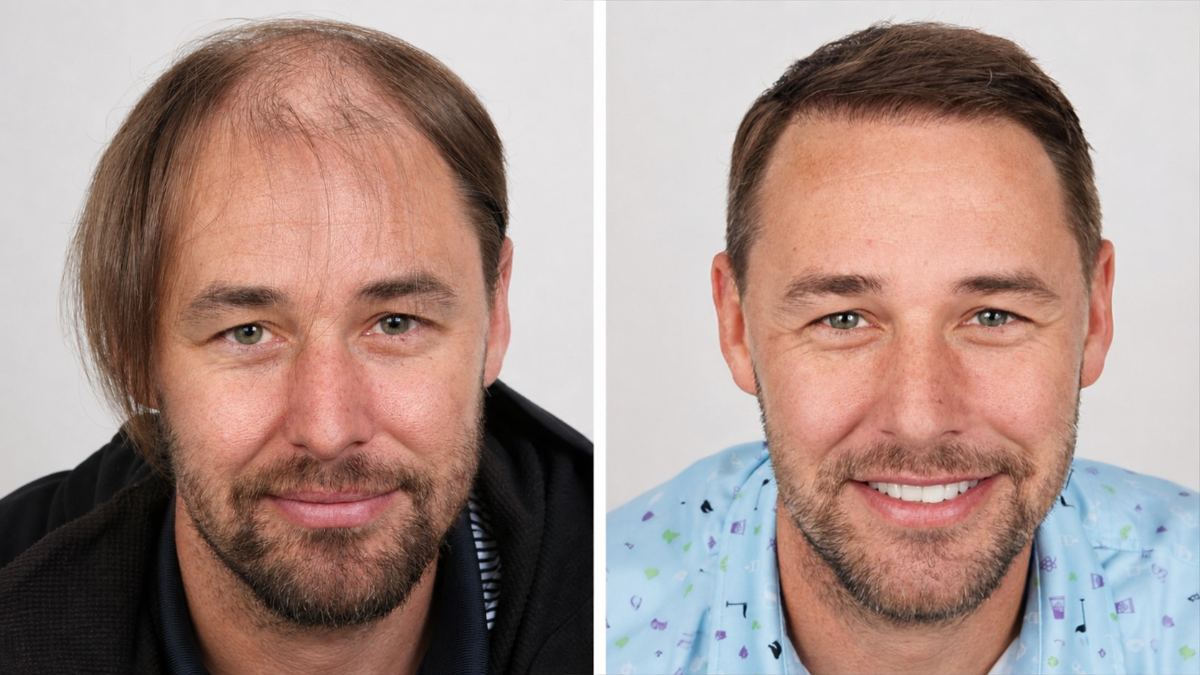
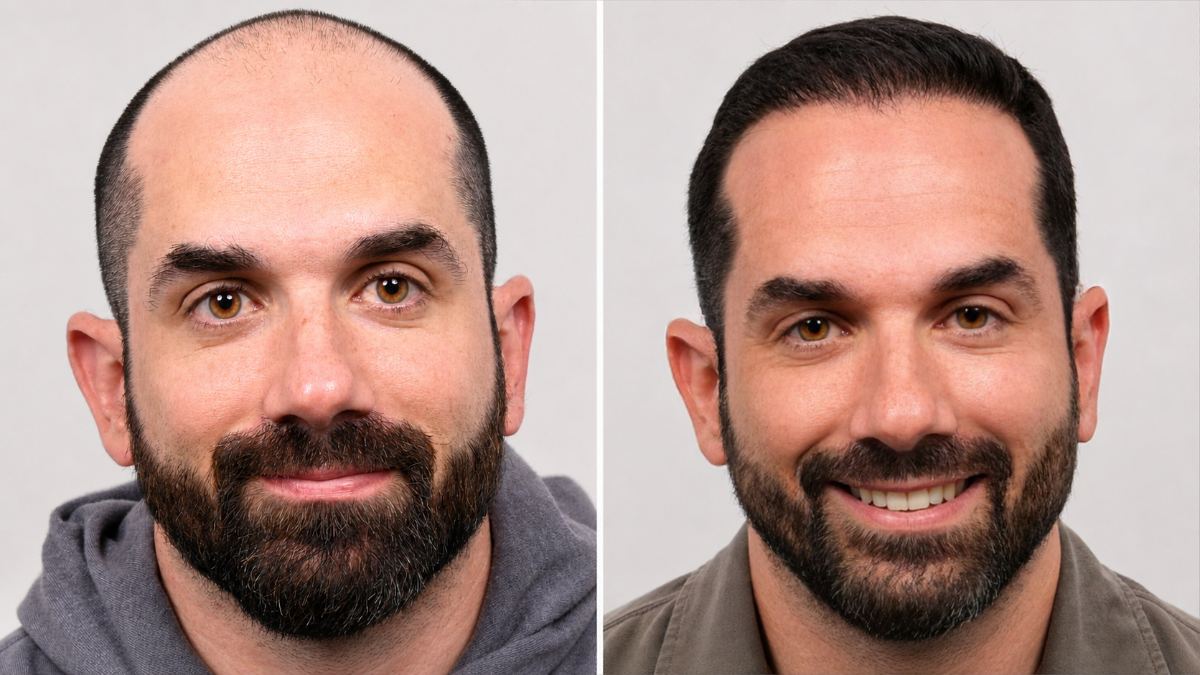
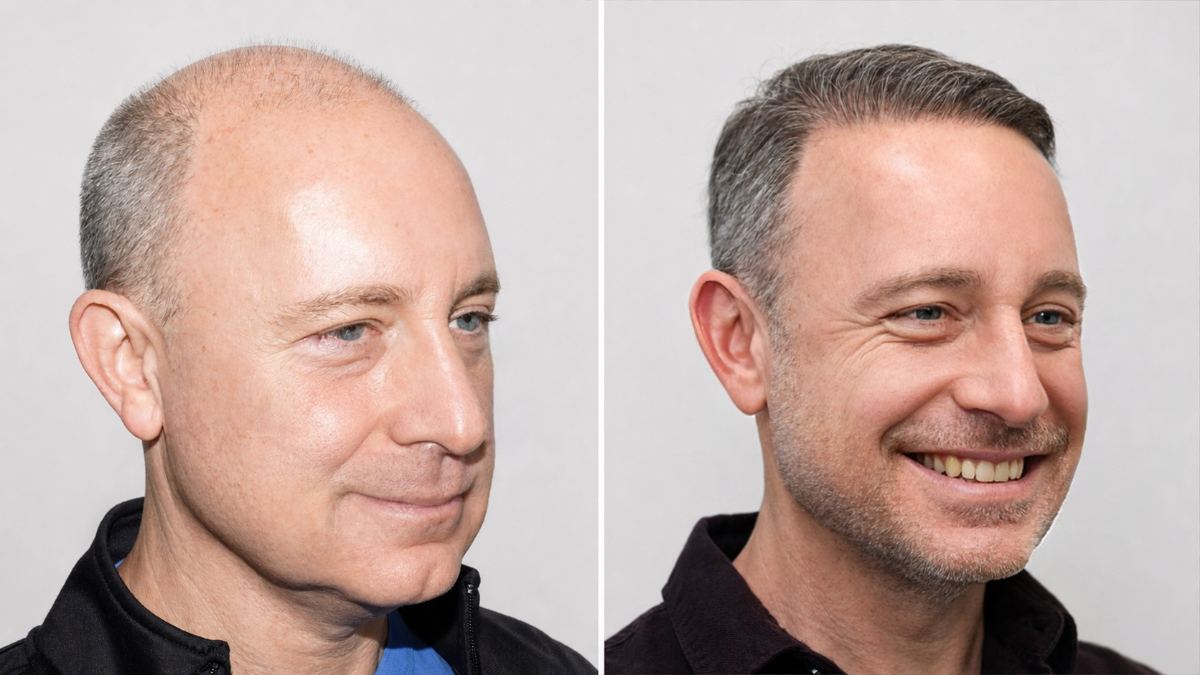
Every photo below is a real Advanced Hair patient: Advanced FUE™, their own natural hair, Guaranteed to Grow for Life™.
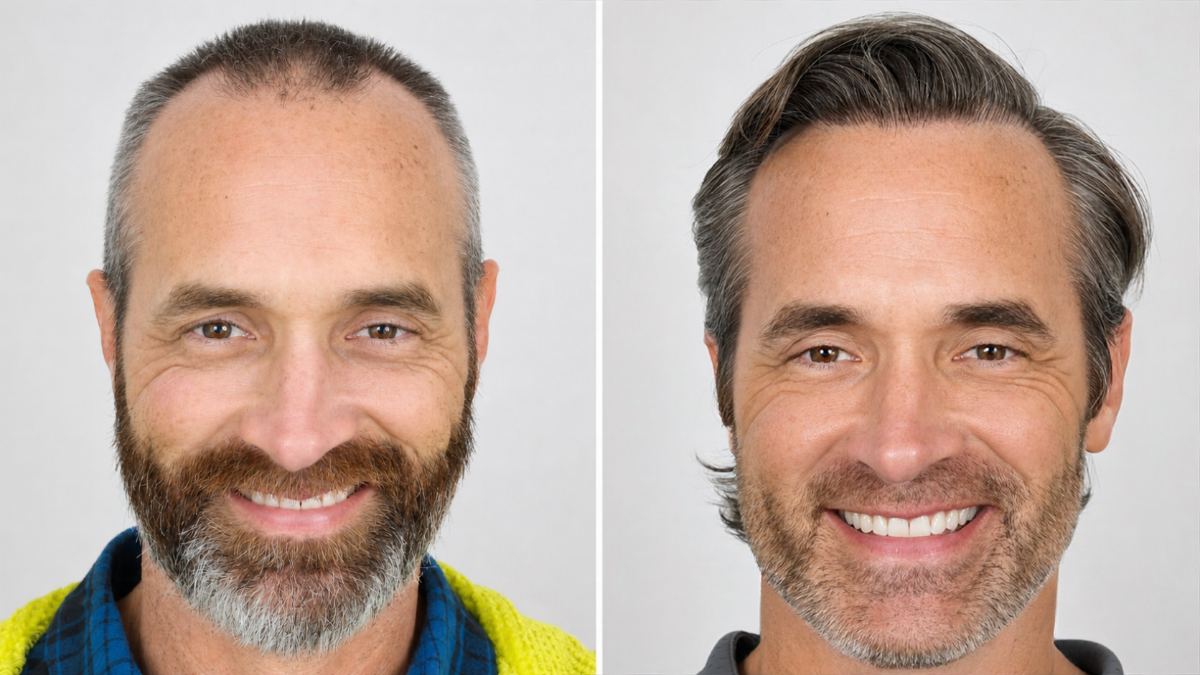
Kyle M. · 3,000 Advanced FUE™ grafts
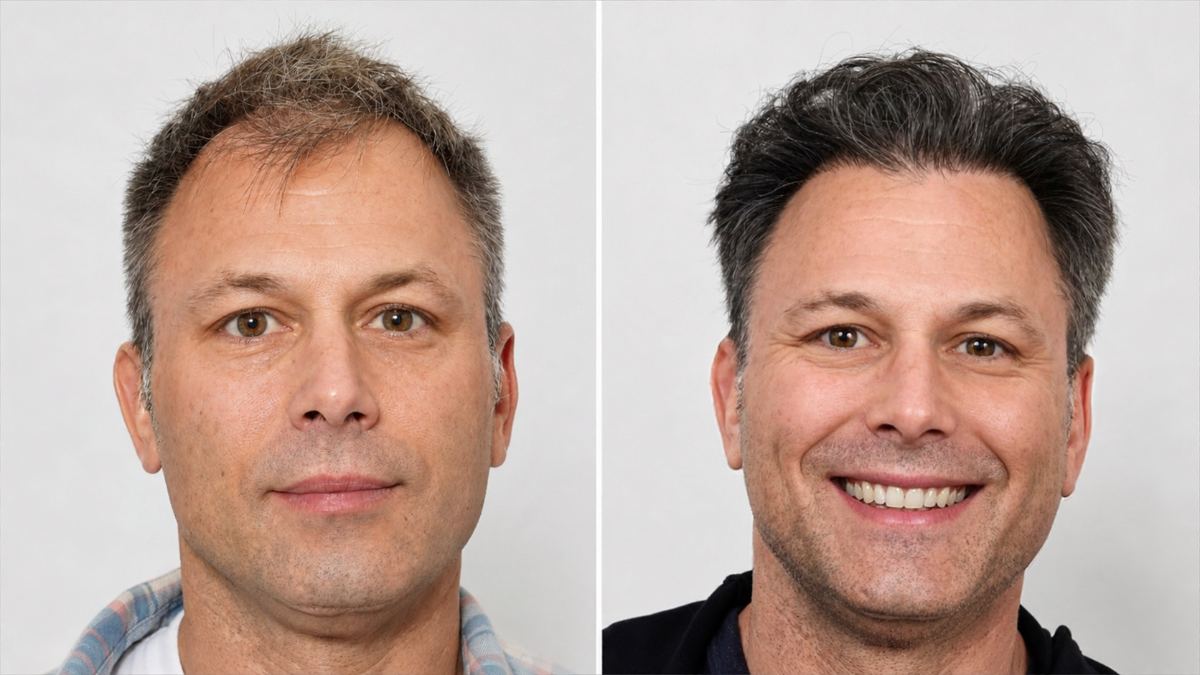
Scott H. · 2,500 Advanced FUE™ grafts
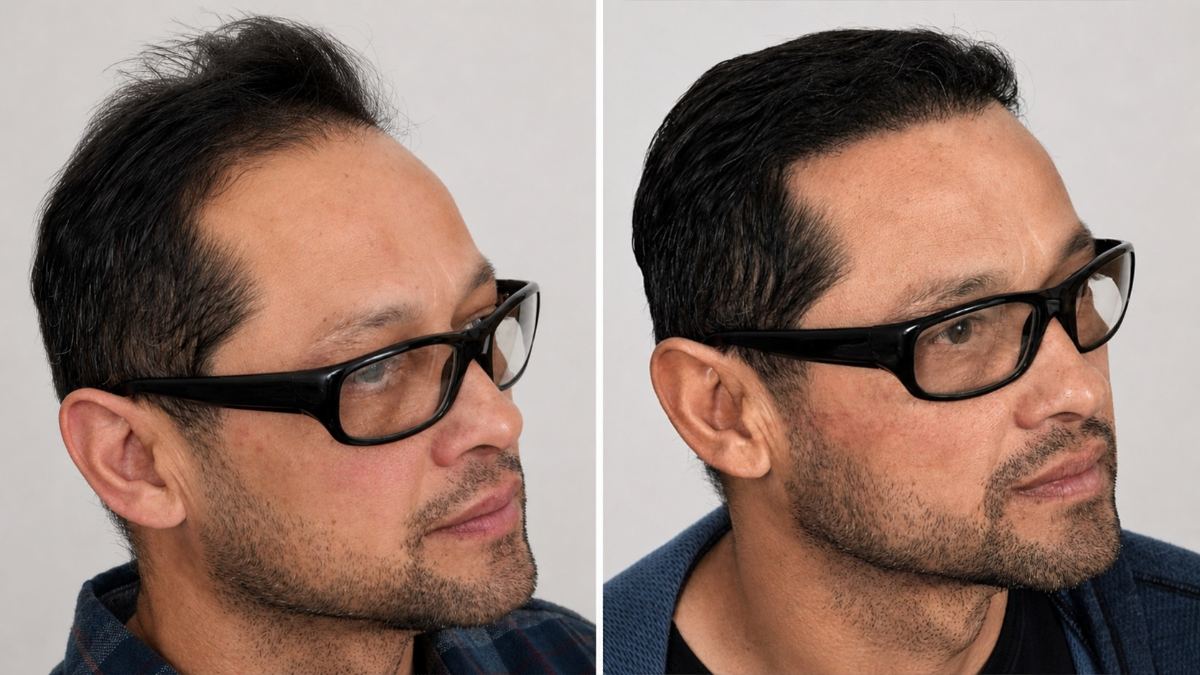
Madison T. · 3,300 Advanced FUE™ grafts
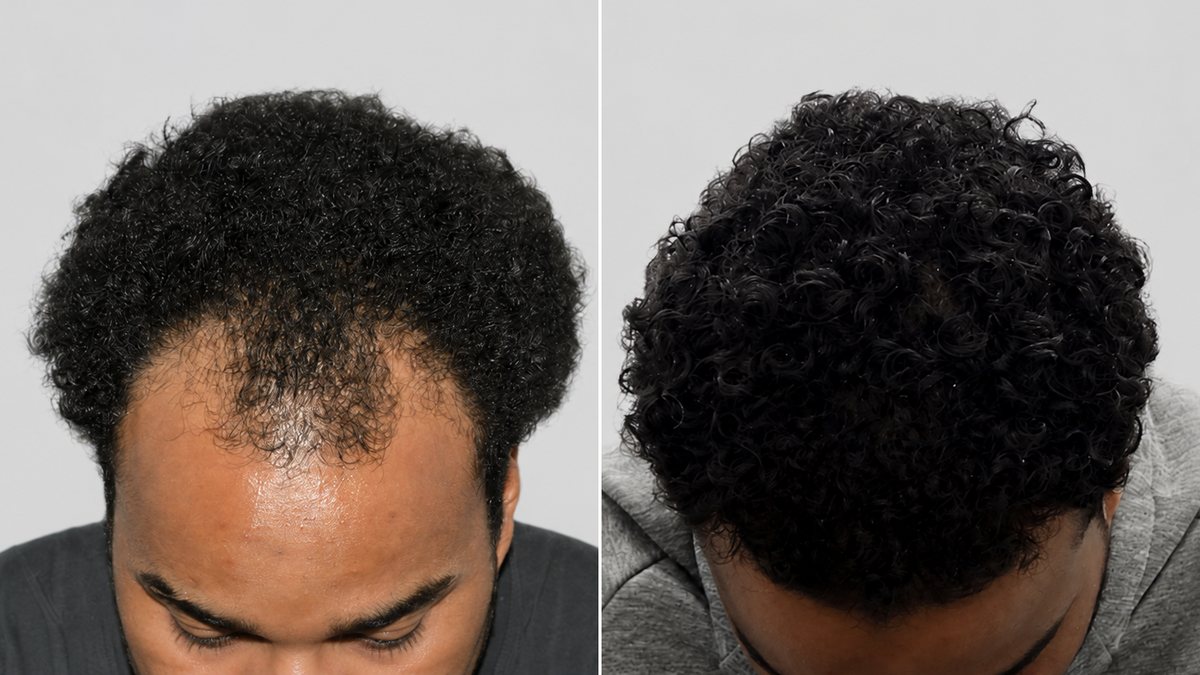
AJ S. · 2,500 Advanced FUE™ grafts
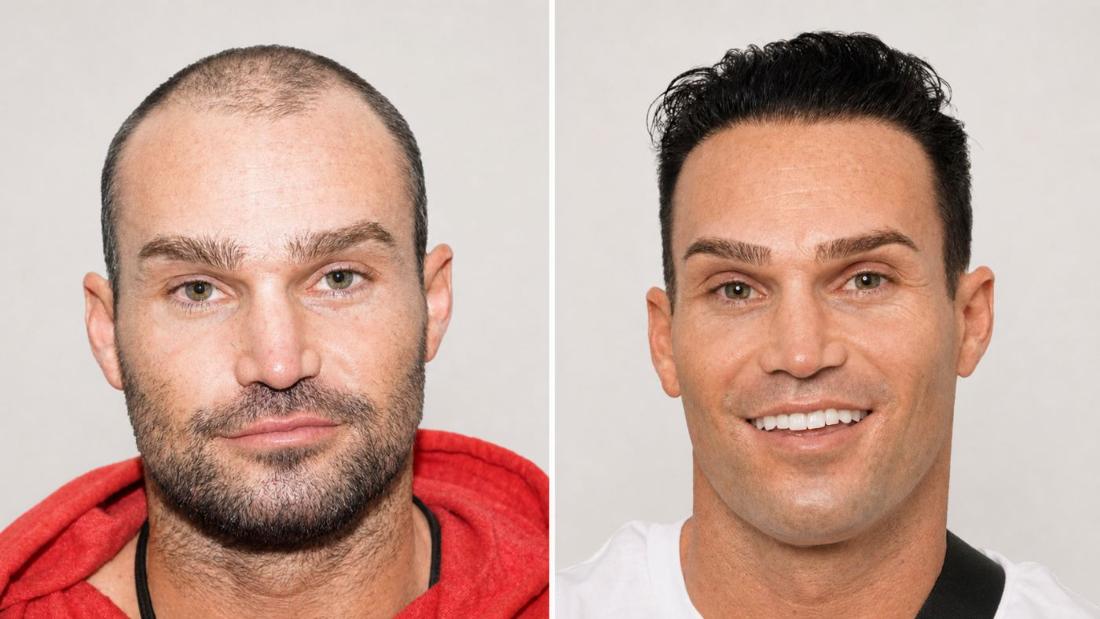
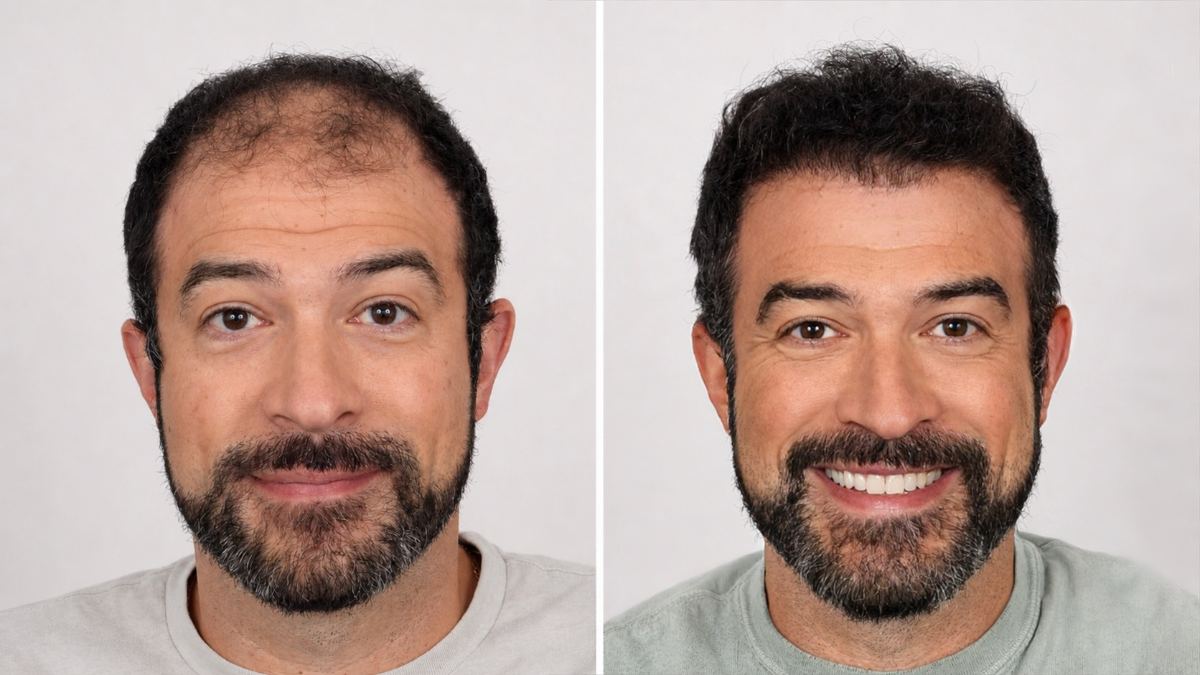
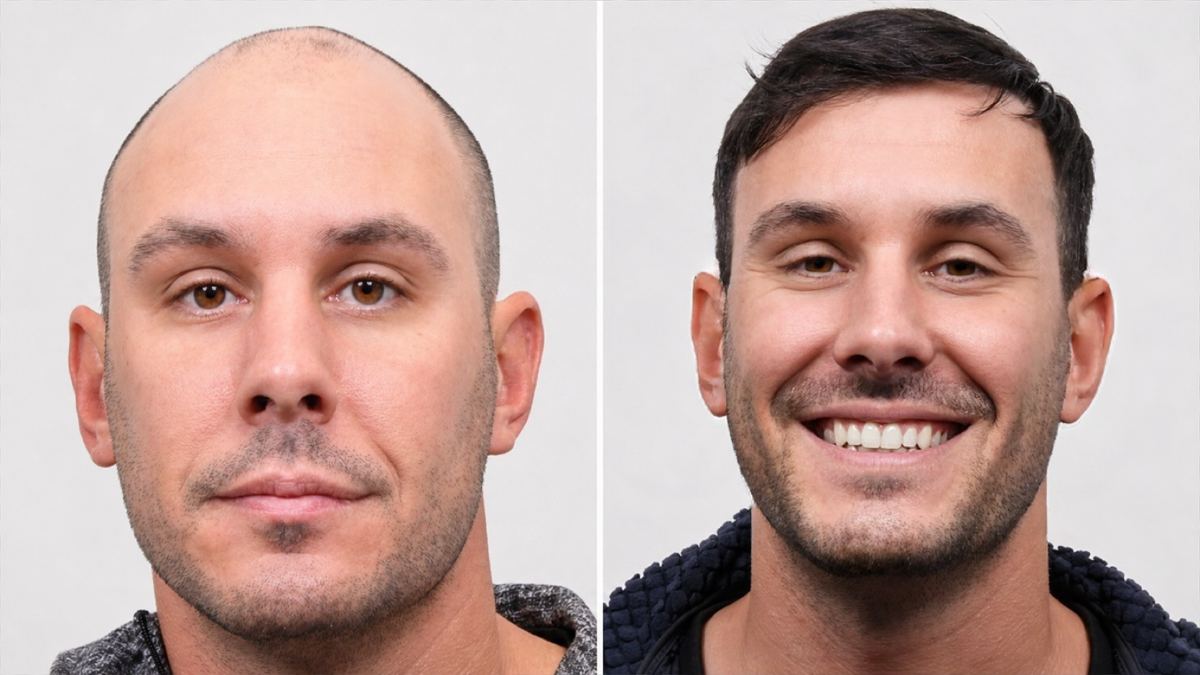
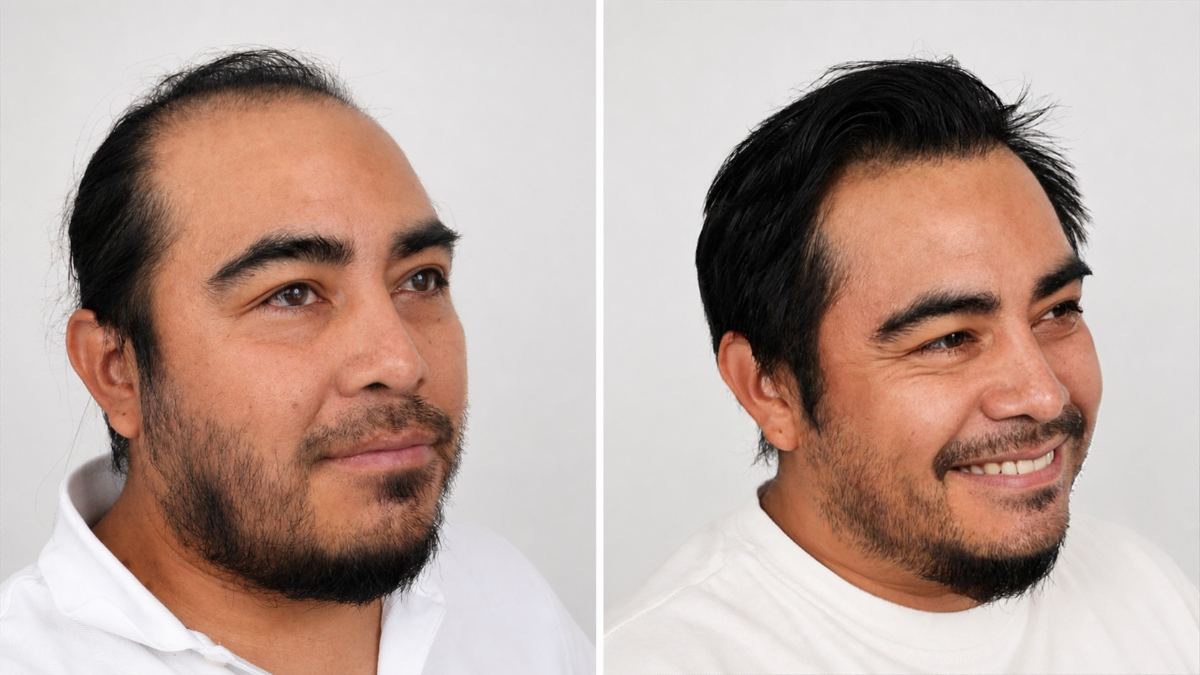
Individual results may vary.
Next step
Get a personalized assessment
The only way to know your graft count, your cost and what your result will look like is a professional evaluation. Consultations are free, and you meet a real expert, not a salesperson.