
Sunburns and Scalp Health: Can The Sun Cause Hair Loss?

Scalp Health
Sunburns and Scalp Health: Can the Sun Cause Hair Loss?
Your scalp points straight at the sun, and almost no one protects it. What UV does to your skin and hair, when a burn causes shedding, and why a hat is non-negotiable after surgery.

Key takeaways
- UV damages the scalp two ways: inflammation of the skin, and breakdown of the keratin in the hair shaft.
- A severe scalp sunburn can trigger telogen effluvium. Shedding appears 2 to 3 months later and usually regrows.
- Repeated blistering burns can scar the scalp, and hair cannot grow through scar tissue.
- After a hair transplant, sun protection is a medical necessity for the first several months.
When the weather warms up, sunscreen on the face, shoulders and arms becomes routine. The one place almost everyone forgets is the top of the head. Because the scalp points directly at the sun, it takes the brunt of UV radiation, and anyone who has peeled after a scalp burn knows how uncomfortable that is. The longer-term question patients ask is whether it costs them hair.
How UV damages the scalp and hair
01
Cellular damage to the scalp
The scalp is skin. UV causes acute inflammation, the sunburn, and it is one of the most common and dangerous sites for skin cancers because hair hides them. A severe burn also strips the moisture barrier, leaving skin dry, flaking and a poor environment for follicles.
02
Structural damage to the hair shaft
Even when hair shields the scalp from burning, UVA and UVB degrade the keratin in the hair itself. The cuticle breaks down and hair turns dry, brittle and frizzy, snaps easily and fades as UV bleaches its melanin.
Can a scalp sunburn cause hair loss?
Yes, and it is usually temporary. A severe burn is significant trauma, and acute stress on the scalp can trigger telogen effluvium, pushing many follicles into their resting and shedding phase at once. The shedding is delayed, typically showing up two to three months after the burn. Once the scalp heals and inflammation settles, the cycle resets and hair grows back. Our stress guide explains the mechanism.
The exception
Chronic, severe, blistering burns on the same spot over many years can scar the scalp. Hair cannot grow through scar tissue, and the result is scarring alopecia, which is permanent.
Sun protection after a hair transplant
If you have recently had a hair transplant, protecting your scalp from the sun is not a suggestion. The skin around new grafts is highly sensitive for the first months. Direct sun on a healing recipient area can cause post-inflammatory hyperpigmentation, permanently darkening the tiny sites where grafts were placed. A burn can also damage healing tissue and put graft survival at risk. Advanced Hair Restoration® patients are asked to wear a loose-fitting hat outdoors for the first several months after an Advanced FUE™ or No-Shave FUE™ procedure.
Free consultation
Thinning at the crown and burning easily?
Scalp that shows is scalp that burns. If your part is widening or your crown is thinning, an Advanced Hair Restoration® expert can tell you whether it is sun, stress or pattern loss, and what to do about it. Consultations are free.
How to protect your scalp
- Wear a UPF hat. A physical barrier is the best defense. UPF 50+ gives maximum protection.
- Use sunscreen on exposed scalp. For a thinning crown or wide part, apply directly to the skin. Lightweight SPF powders and mists are made for scalp and part lines.
- Avoid peak hours. UV is strongest between 10 a.m. and 4 p.m.
When to get help
If thinning after a bad sunburn does not resolve within a few months, the sun is probably not the cause. Pattern hair loss can be unmasked by any shedding episode, and once loss is permanent, no sunscreen or serum brings follicles back. Our team diagnoses the root cause and, where restoration is the answer, designs a permanent plan around your natural density.
Questions patients ask
Sun and scalp questions
Does the sun make pattern baldness worse?
Not directly. UV does not affect DHT sensitivity. It can damage exposed scalp skin and hair shafts, and a severe burn can trigger a shedding episode that reveals pattern loss already underway.
How long after a hair transplant do I need a hat?
Wear a loose-fitting hat outdoors for the first several months. Your care team gives you exact timing based on how your scalp is healing.
Can I use sunscreen on the transplanted area?
Not in the early weeks; a hat is the rule. Once your physician confirms the recipient area has healed, scalp sunscreen is fine and encouraged.
Real Results
Simple 1 Day Treatment®. Lifetime Results.
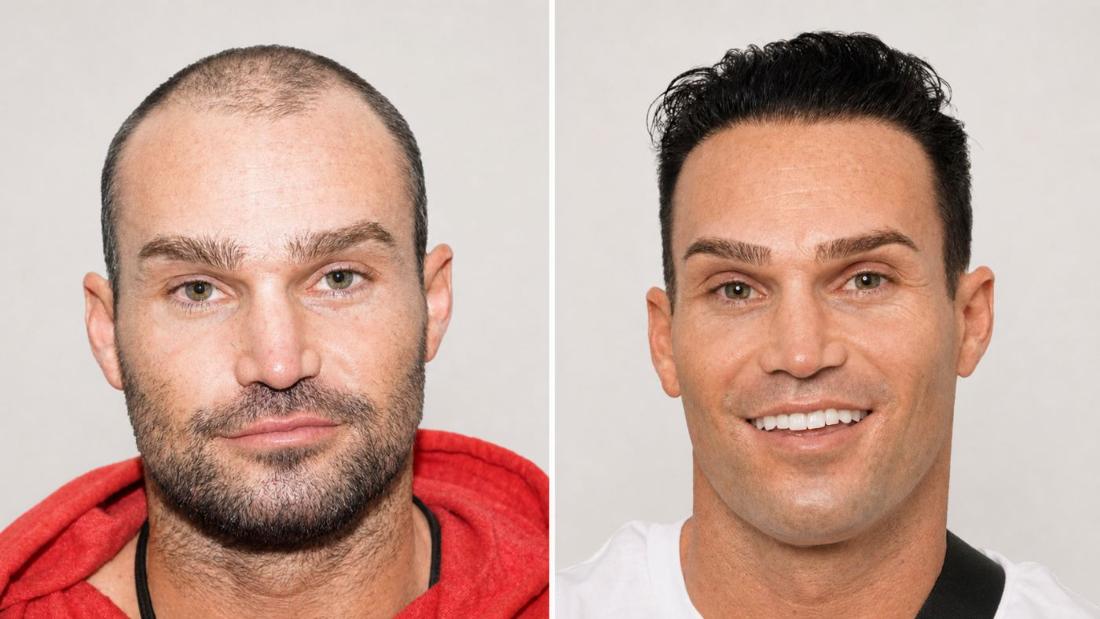
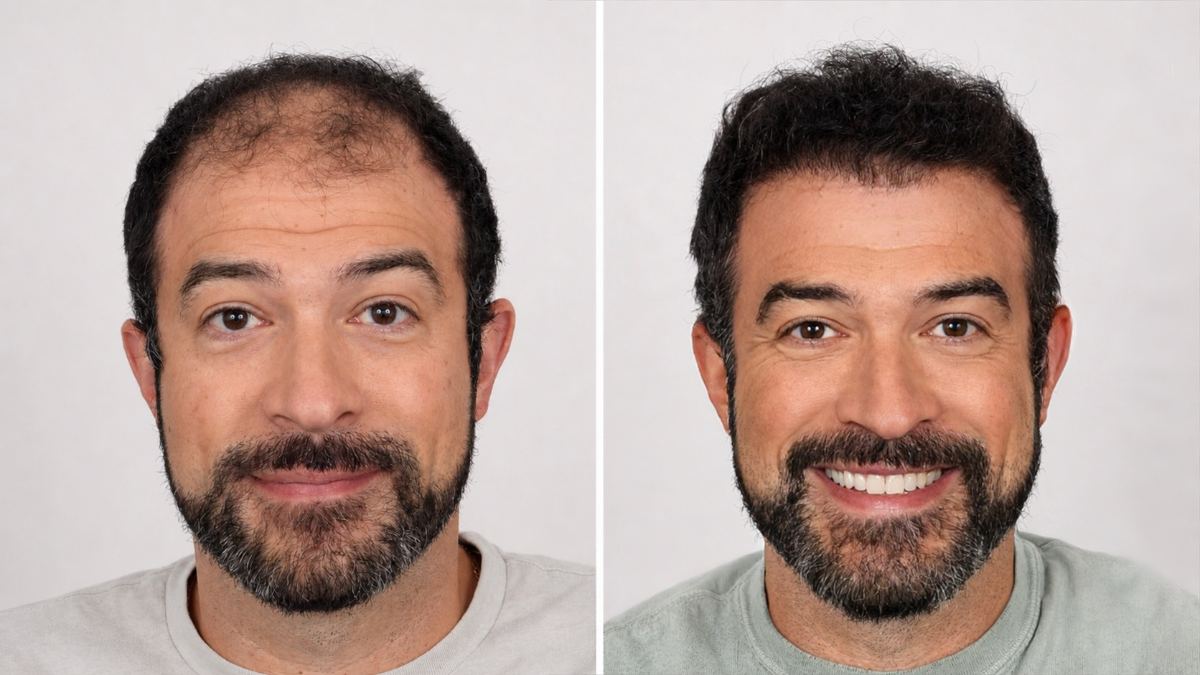
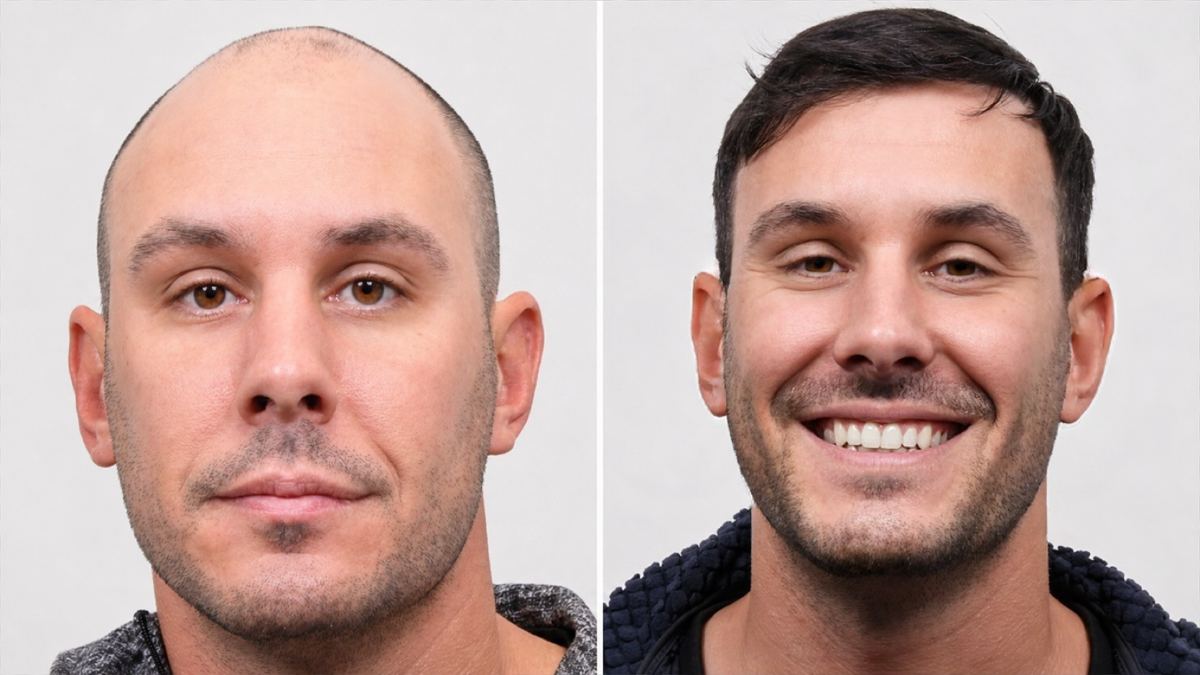
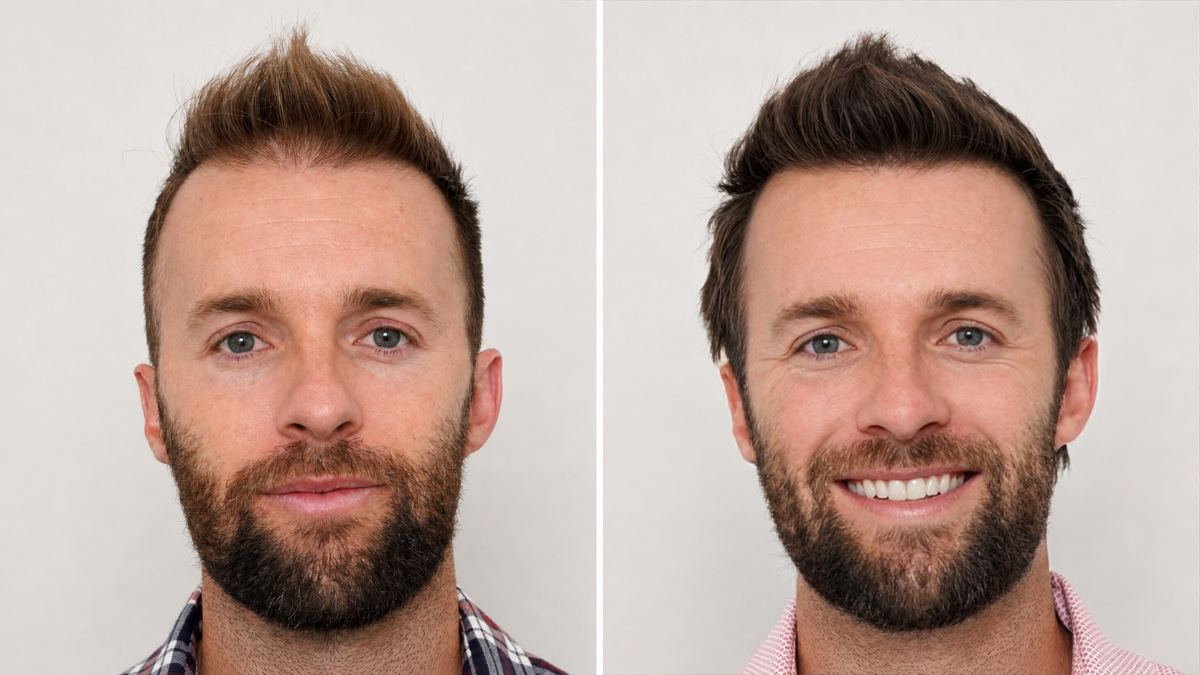
Every photo below is a real Advanced Hair patient: Advanced FUE™, their own natural hair, Guaranteed to Grow for Life™.
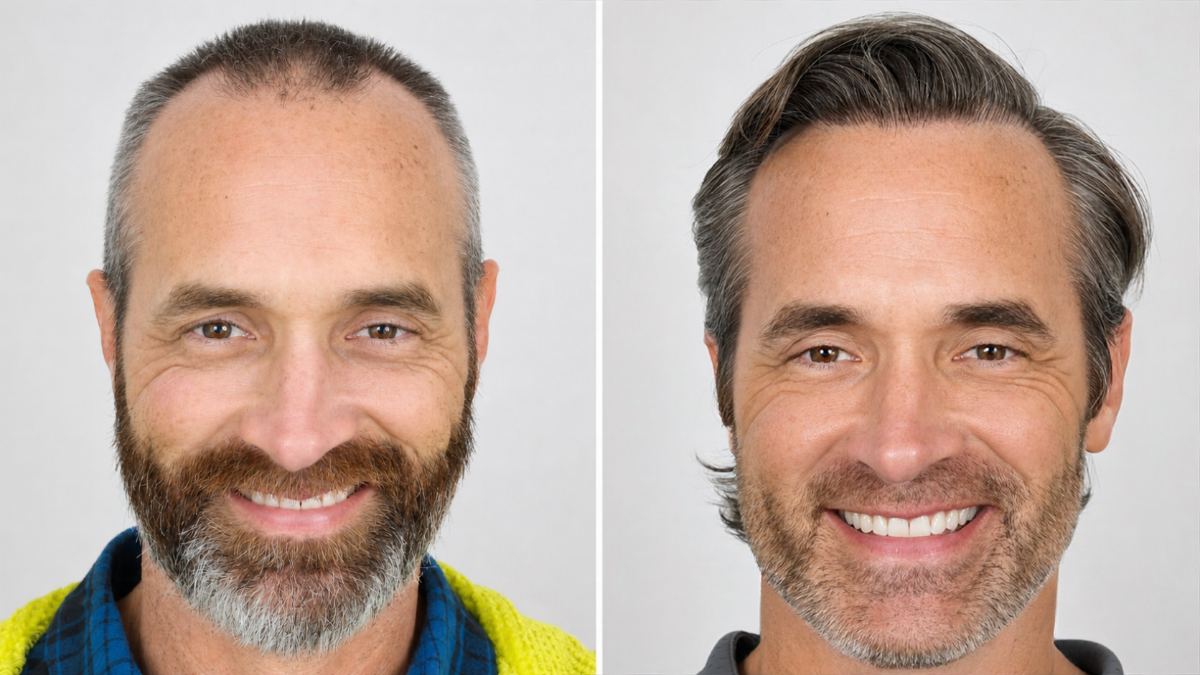
Kyle M. · 3,000 Advanced FUE™ grafts
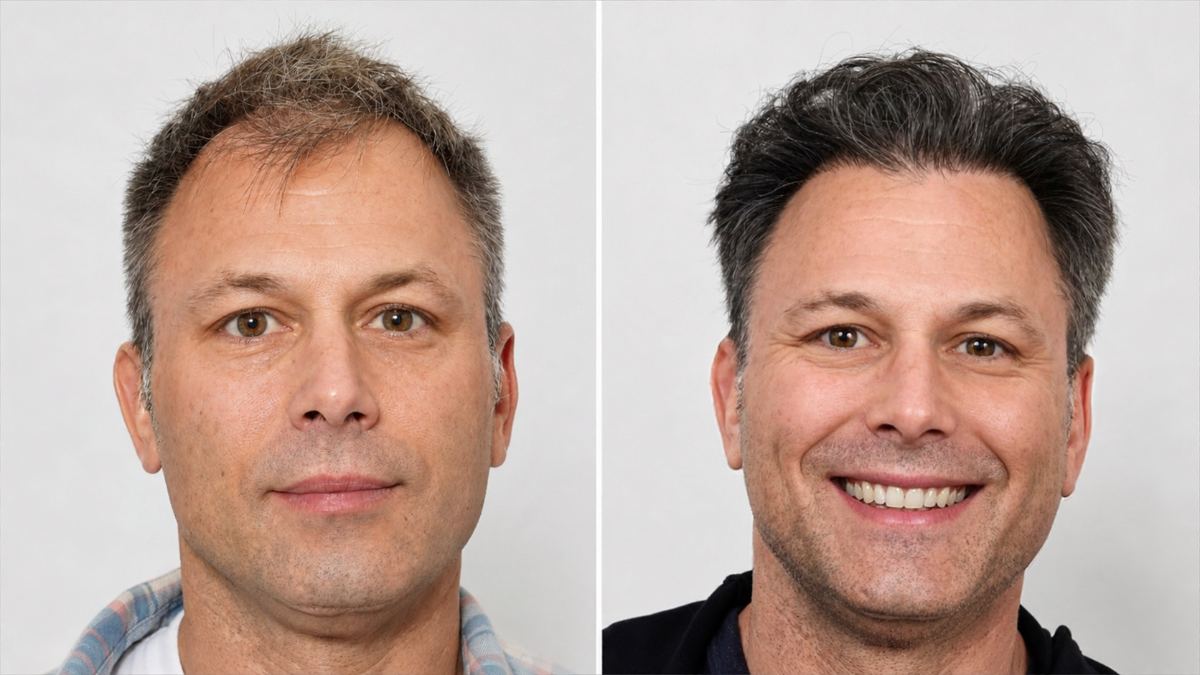
Scott H. · 2,500 Advanced FUE™ grafts
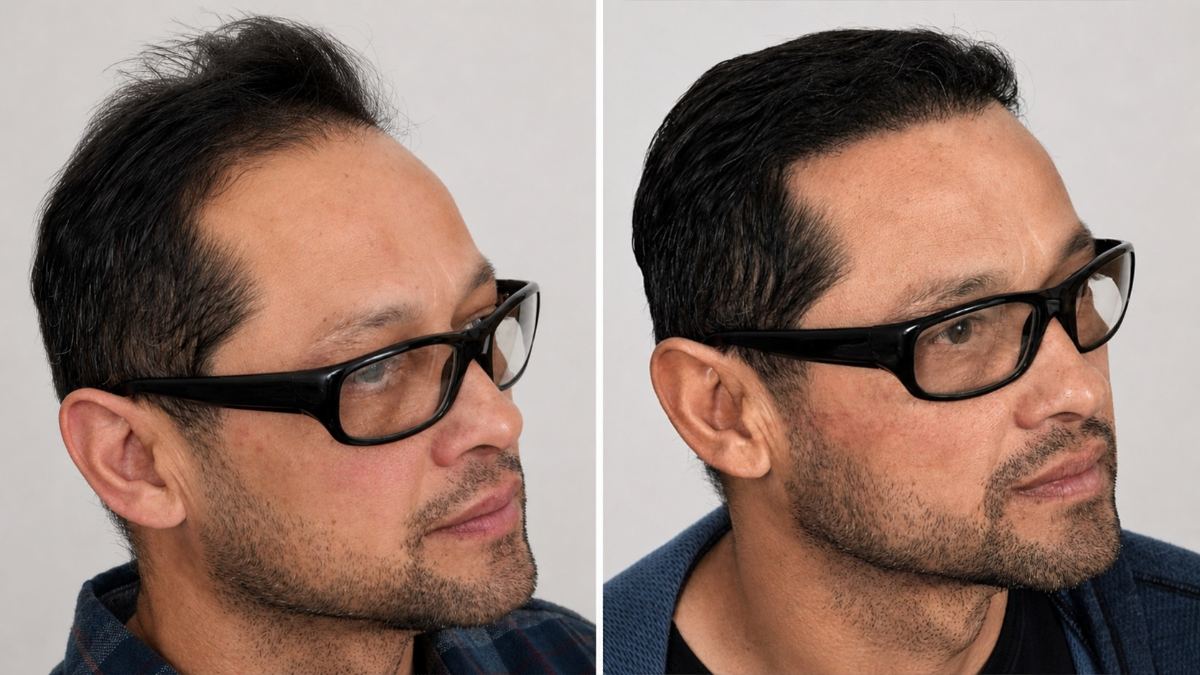
Madison T. · 3,300 Advanced FUE™ grafts
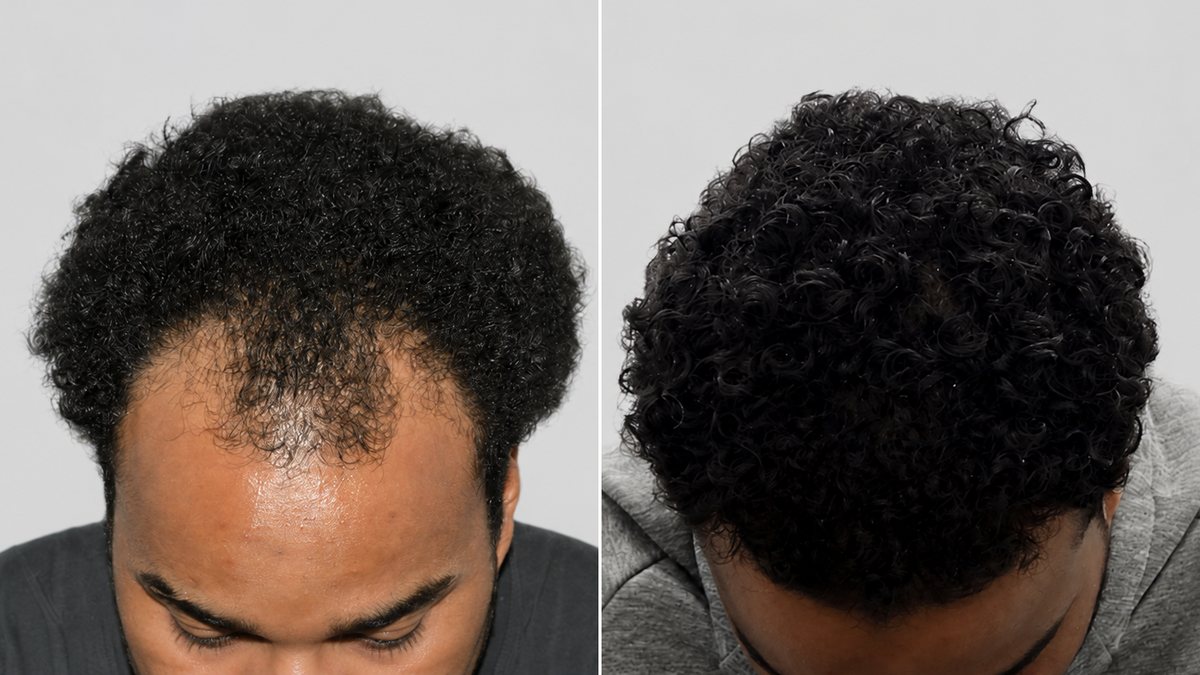
AJ S. · 2,500 Advanced FUE™ grafts
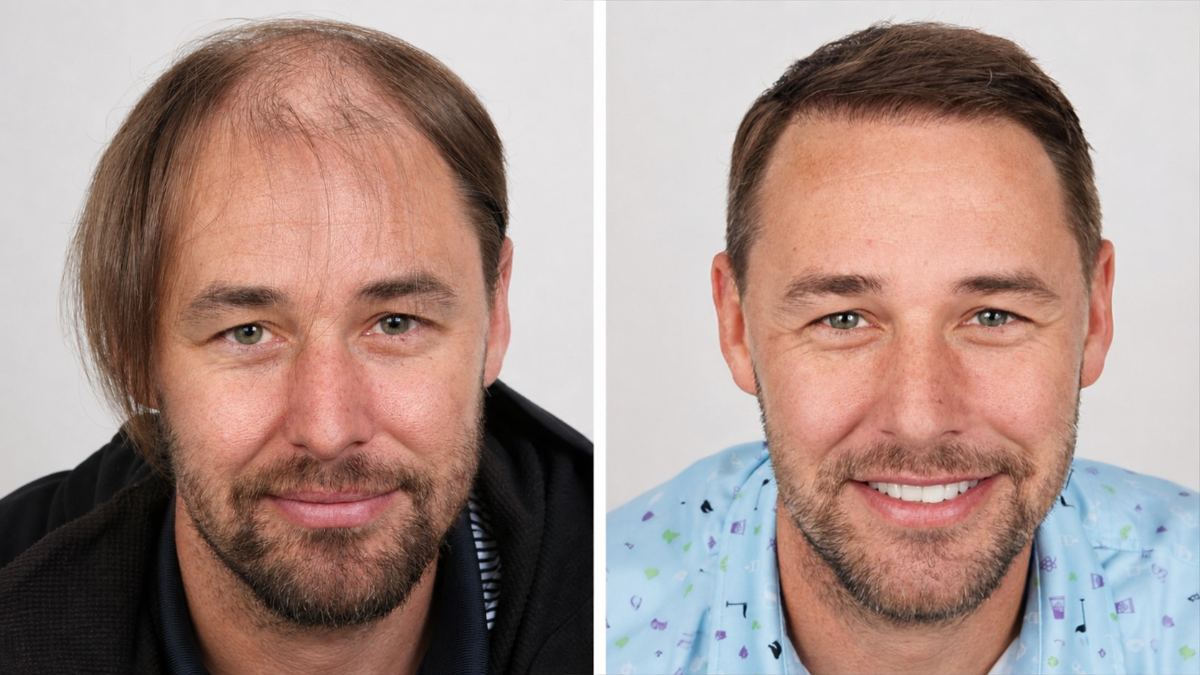
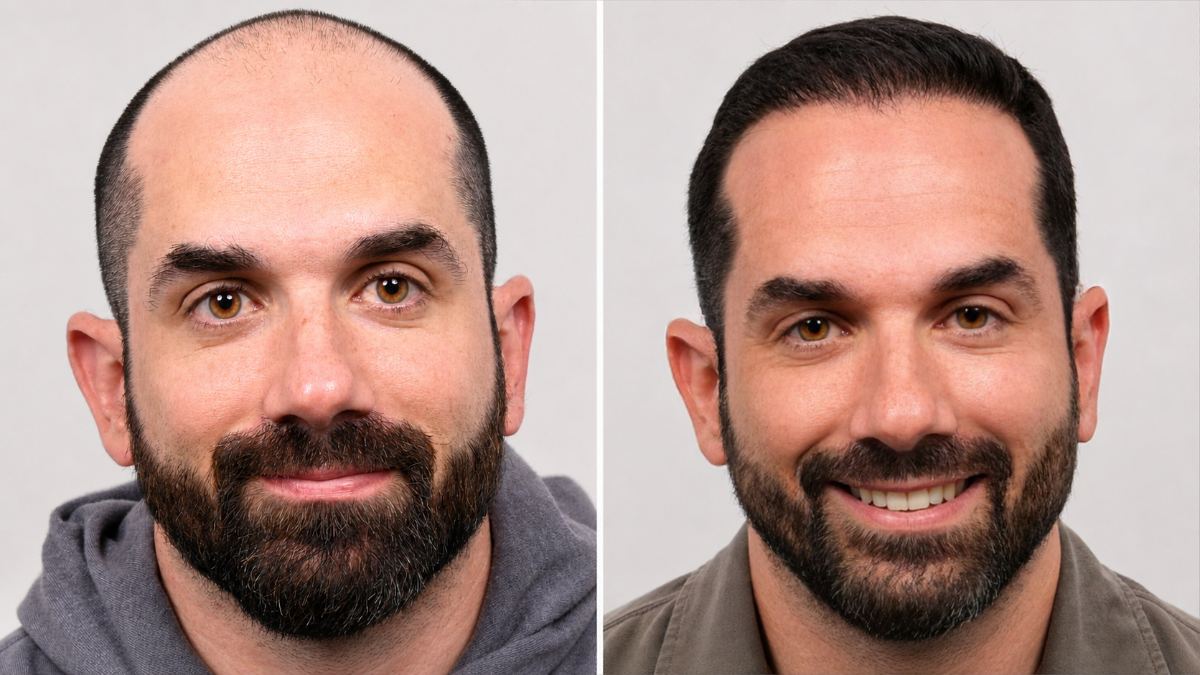
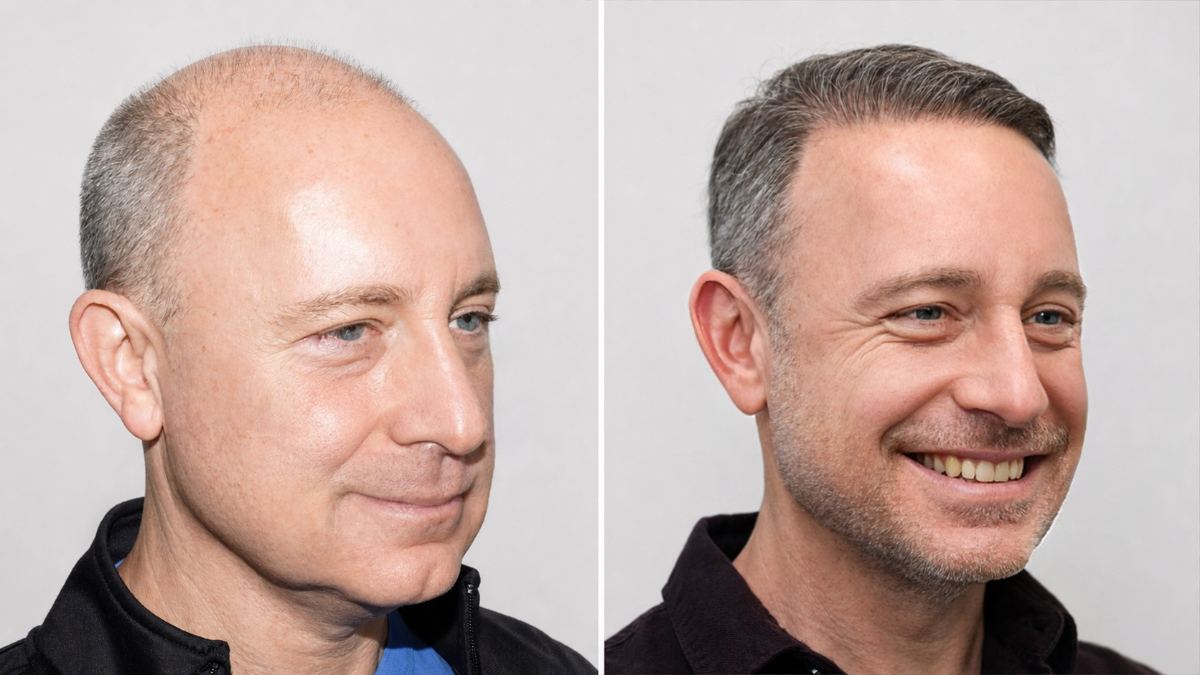
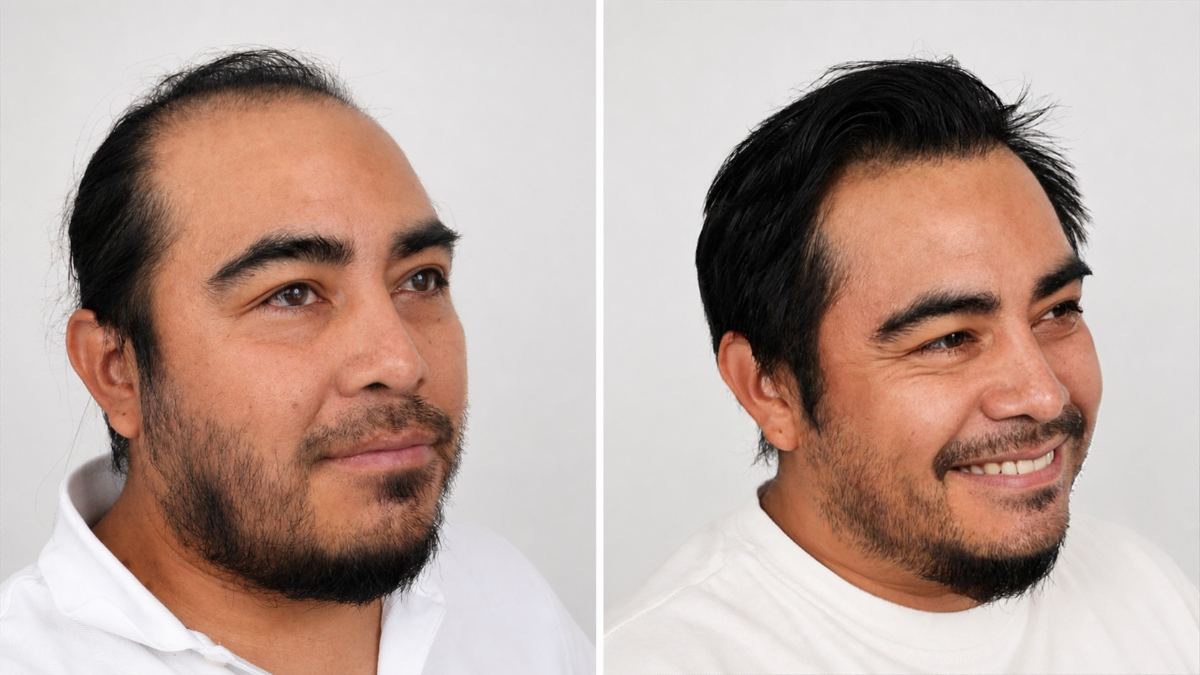
Individual results may vary.
Next step
Get a personalized assessment
The only way to know your graft count, your cost and what your result will look like is a professional evaluation. Consultations are free, and you meet a real expert, not a salesperson.