
How to Wash Your Hair After a Hair Transplant

Aftercare
How to Wash Your Hair After a Hair Transplant
The first two weeks decide how well your grafts take. Here is the day-by-day washing routine our treatment team gives every patient.

Key takeaways
- Day 1: we wash your hair for you at the clinic. Do not wash it yourself in the first 24 hours.
- Days 2 to 5: the hands-free cup method. Pour, dab, rinse, pat dry. Never rub the grafts.
- Days 6 to 10: gentle fingertip washing to soften and lift scabs. Do not pick.
- Days 11 to 14 and beyond: grafts are rooted, and your normal shower is back.
A hair transplant does not end when you walk out of the clinic. For the first week your new grafts are anchoring into the blood supply of the recipient area, and how you wash decides whether they stay put. Most patients worry about that first wash. This guide takes the guesswork out of it.
Why the wash routine matters
In the first days after the procedure each graft sits in a tiny opening, held by clotting and a small scab. Washing correctly does two jobs at once:
- Prevents infection. Gentle cleansing keeps the scalp free of bacteria and excess oil while the skin is open.
- Removes scabs safely. Scabs are a natural bandage, but left too long they block the follicle. A structured routine softens them so they fall away on their own, without taking the graft with them.
The three stages
We reintroduce pressure to the scalp gradually. Do not wash your hair yourself in the first 24 hours; that is when grafts are most vulnerable. Keep the scalp from getting wet until day two, and use the post-op healing spray as directed so it never dries out completely.
01
Days 2 to 5: hands-free rinse
Fill a clean cup with lukewarm water and pour it gently over your head. Dilute a small amount of the mild shampoo we provide until it is soapy, dab or pour it over the recipient area, then rinse the same way. Pat dry. No rubbing, no showerhead.
02
Days 6 to 10: fingertip washing
Wet the scalp with the cup, apply shampoo directly, and massage in small circles using only the pads of your fingers, never nails. If a scab does not lift, leave it. Let your scalp air dry.
03
Days 11 to 14: back to normal
Most scabs are gone and the grafts are permanently rooted. You can stand under the showerhead at moderate pressure and wash as you usually would.
04
Weeks 2 to 4: expect shedding
Transplanted hairs shed while the roots stay anchored. This is shock loss, and it is normal. The permanent hair grows in over the following months.
From Dr. Allan Parungao
"On day one we wash the hair for our patients and teach them the cup pouring method. They continue that no-touch technique through day 7, pat drying the grafted area. On day 8, patients can shampoo and shower as normal."
Free consultation
Aftercare is part of the procedure
Every Advanced Hair Restoration® patient leaves with a written recovery plan and a care team a text away. If you are still deciding, a free consultation is the place to start.
Which shampoo to use
For the first 14 days, avoid commercial shampoos with strong sulfates, heavy fragrance or harsh chemicals. Use the mild cleanser your clinic provides, or a quality baby shampoo. Once the scabs are gone and the scalp has healed, usually after two weeks, go back to your regular shampoo.
FUE, No-Shave FUE™ or FUT: does it change the routine?
For the recipient area, no. The routine above is the same for Advanced FUE™, No-Shave FUE™ and the older FUT strip method. The difference is the donor area. FUE leaves no linear scar, so the micro-openings at the back of the head heal fast and can be washed with the same steps. After FUT, be especially gentle around the suture line until the stitches dissolve or are removed.
Common mistakes
- Standing under a high-pressure showerhead in the first ten days.
- Picking or scratching scabs instead of letting them lift on their own.
- Using a hairdryer in the first 14 days. Heat damages healing follicles. After two weeks, low and cool is fine.
- Washing more than once a day, which dries the scalp, or skipping days, which lets oil and dead skin build up.
Questions patients ask
Post-op washing questions
How often should I wash after a hair transplant?
Once a day, starting on day 2 with the cup method. More than once dries the scalp; less lets sebum and dead skin build up around the grafts.
Can I use a hairdryer?
Not for the first 14 days. After that, the lowest and coolest setting is fine.
I see hair in the drain. Did I lose a graft?
Shedding between weeks 2 and 4 is shock loss, a predictable part of healing. The shaft falls out; the root stays anchored under the skin and grows new, permanent hair over the coming months.
When can I go back to my normal shampoo?
Once the scabs are gone and the scalp has healed, typically after two weeks.
Real Results
Simple 1 Day Treatment®. Lifetime Results.
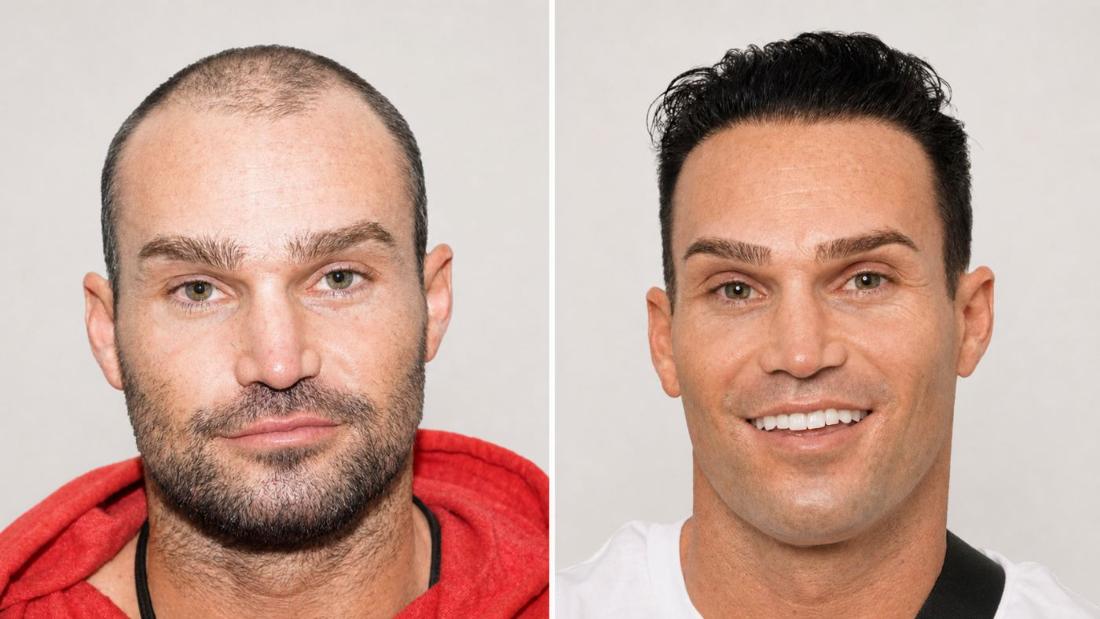
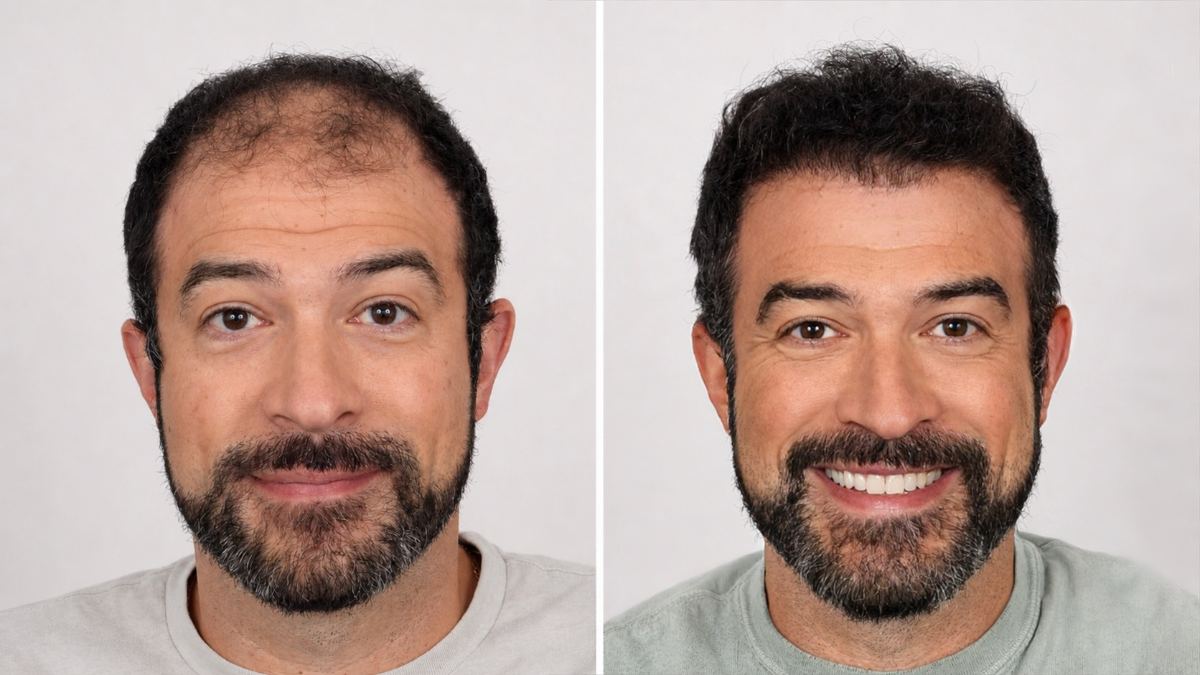
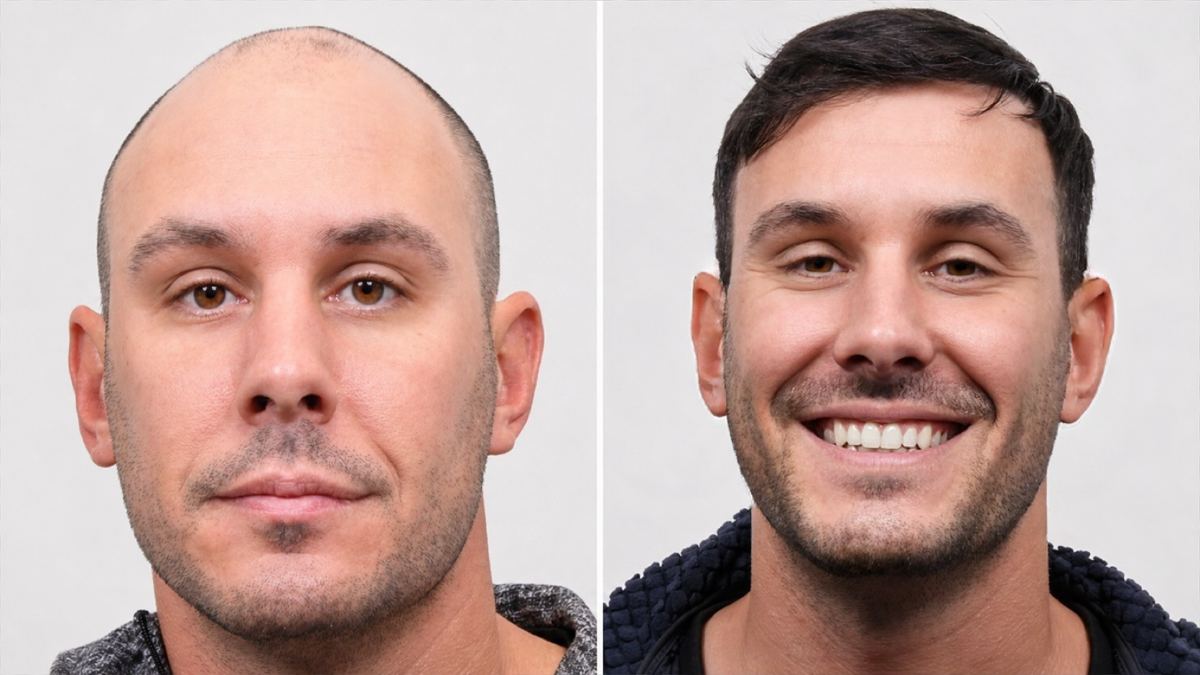
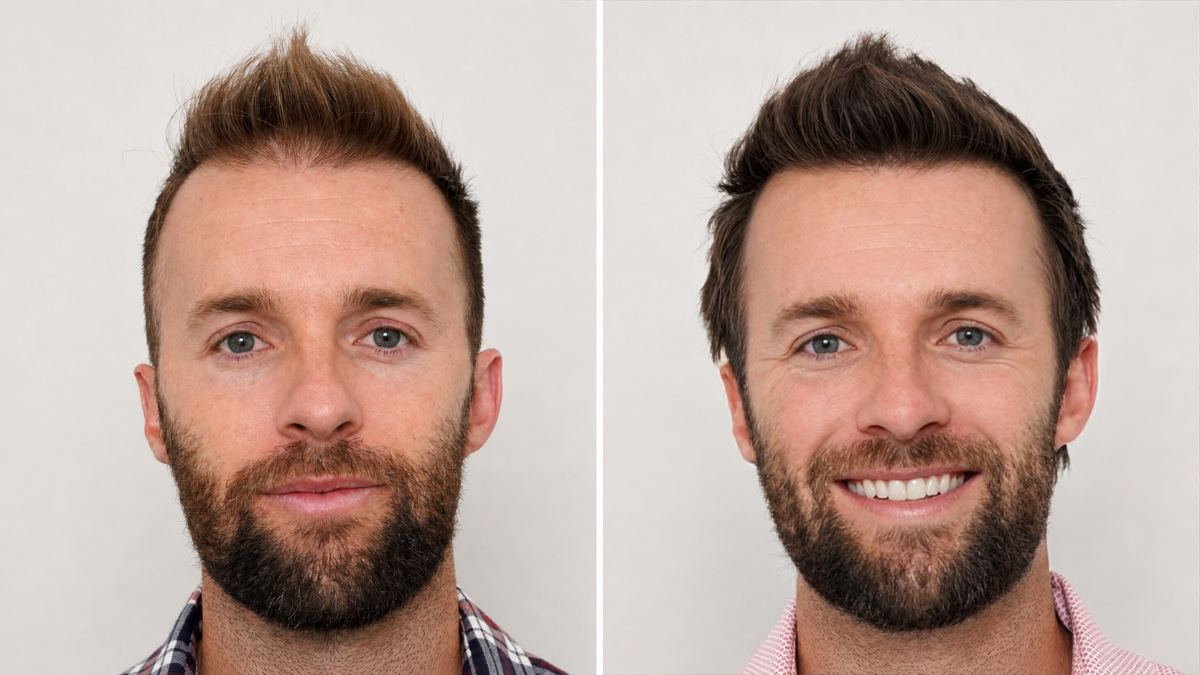
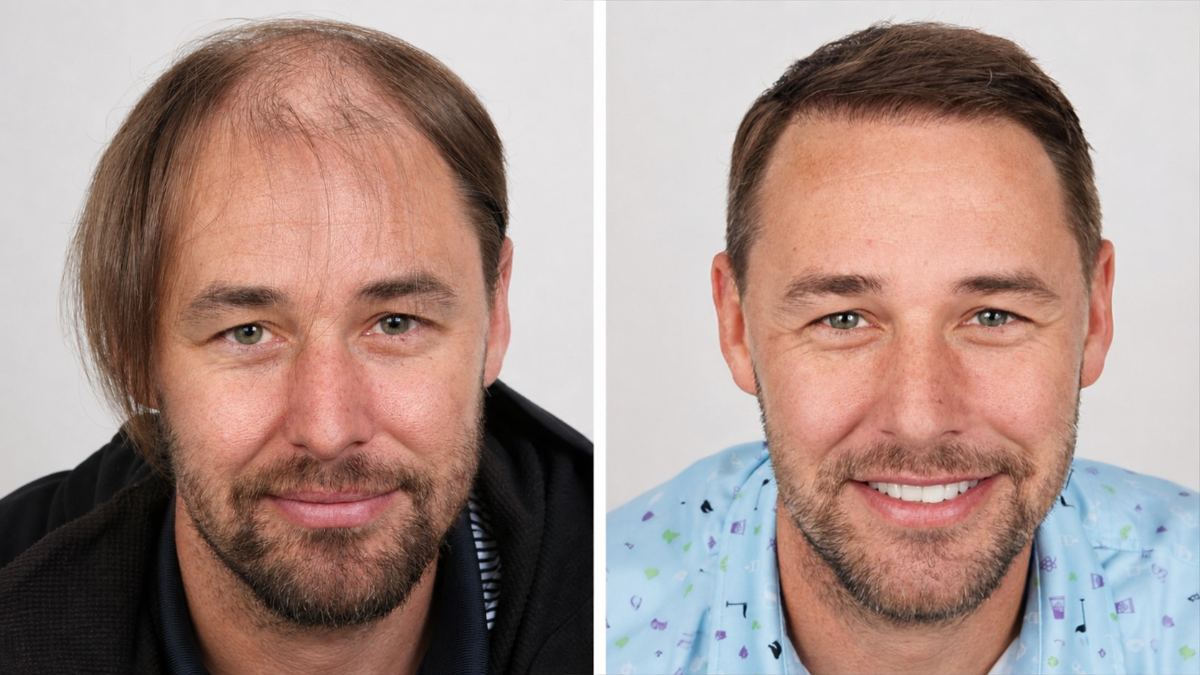
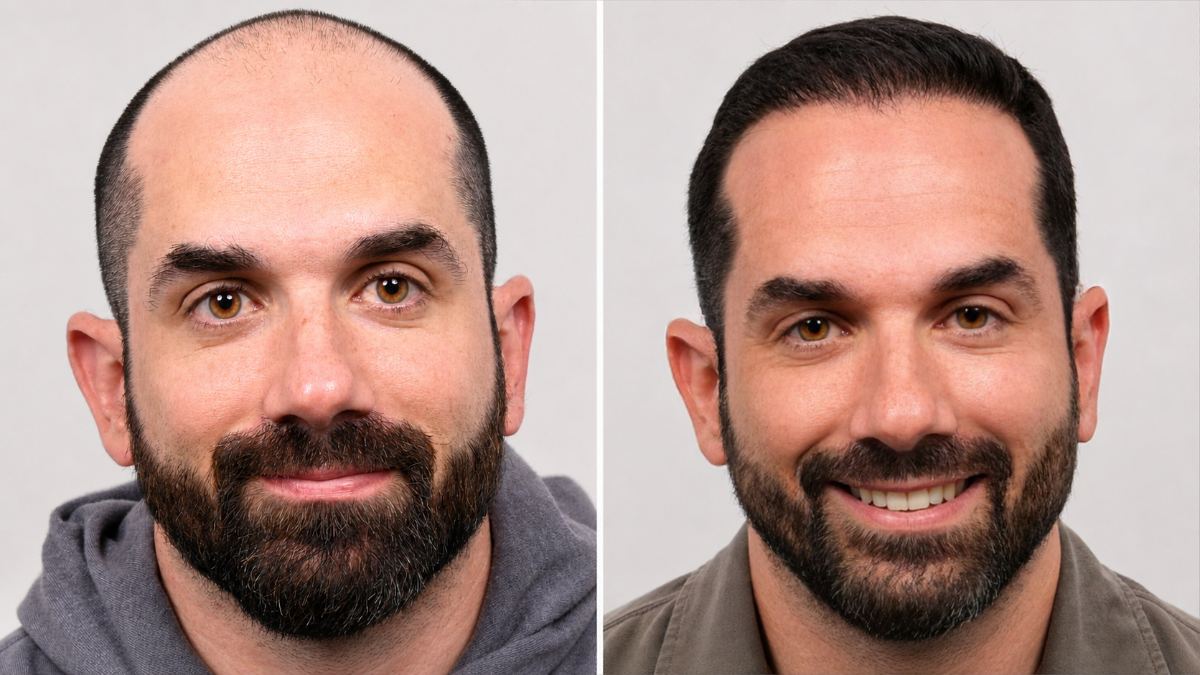
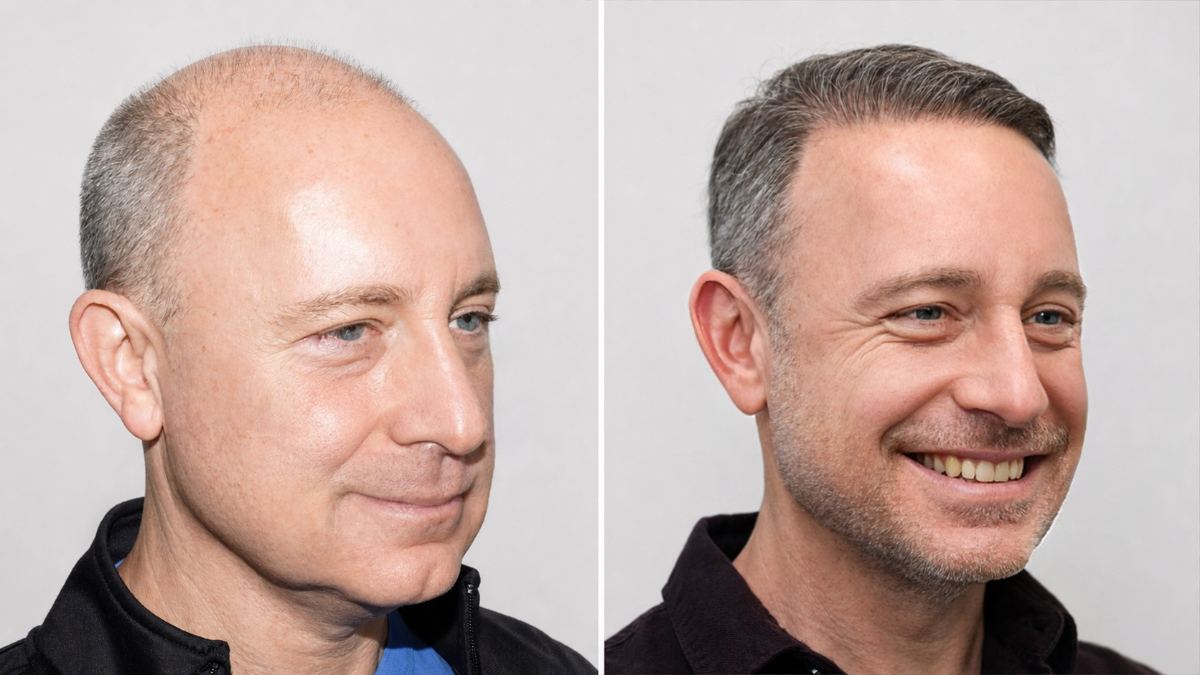
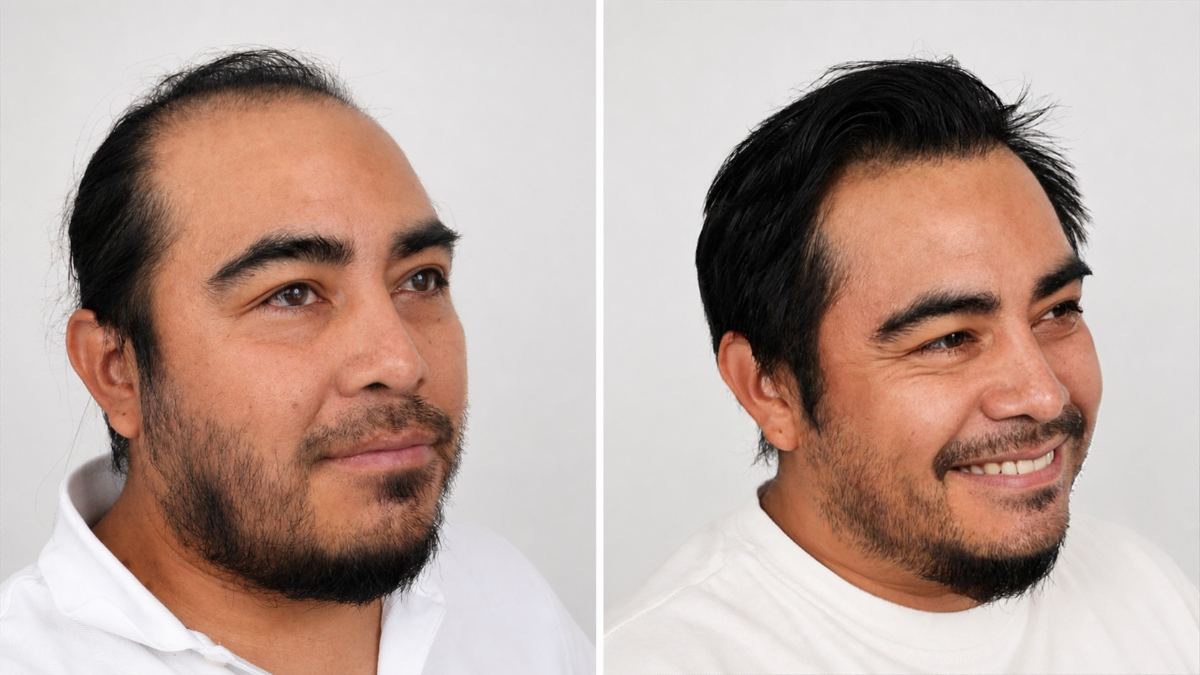
Every photo below is a real Advanced Hair patient: Advanced FUE™, their own natural hair, Guaranteed to Grow for Life™.
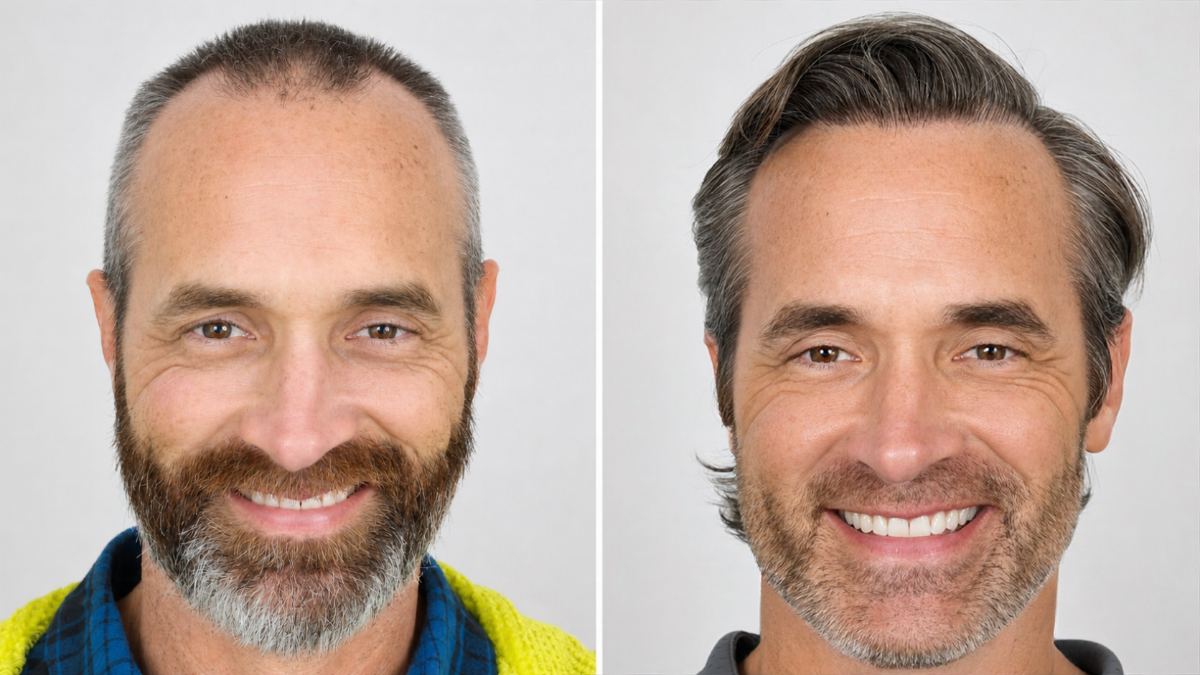
Kyle M. · 3,000 Advanced FUE™ grafts
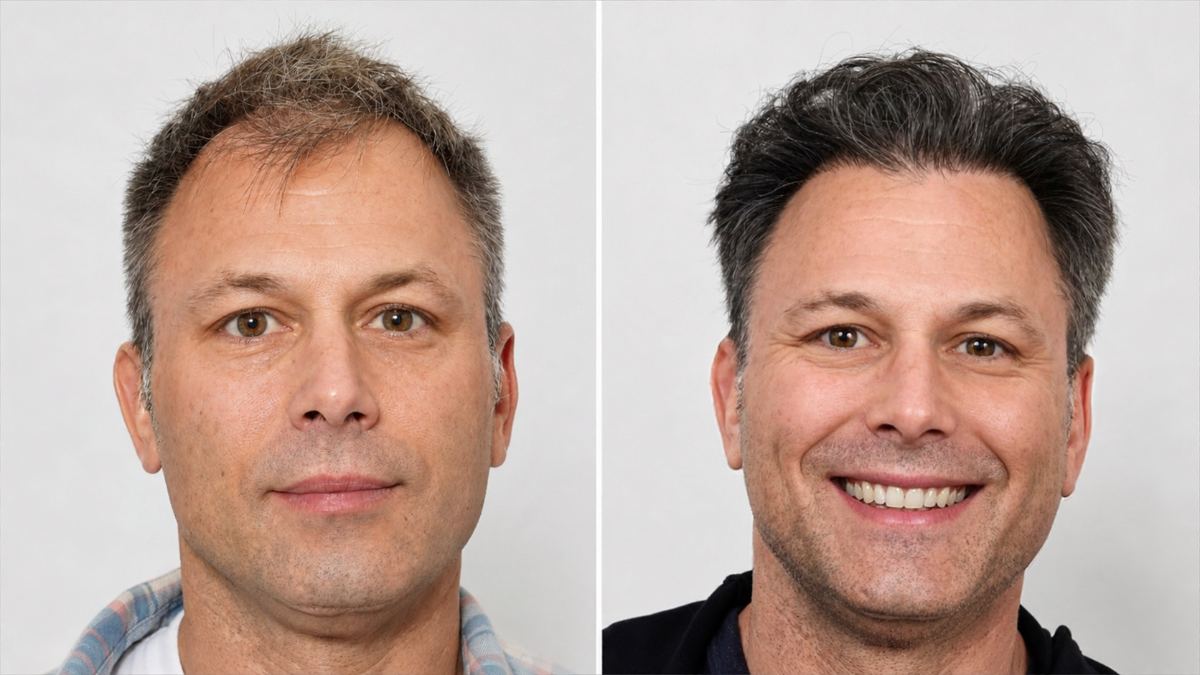
Scott H. · 2,500 Advanced FUE™ grafts
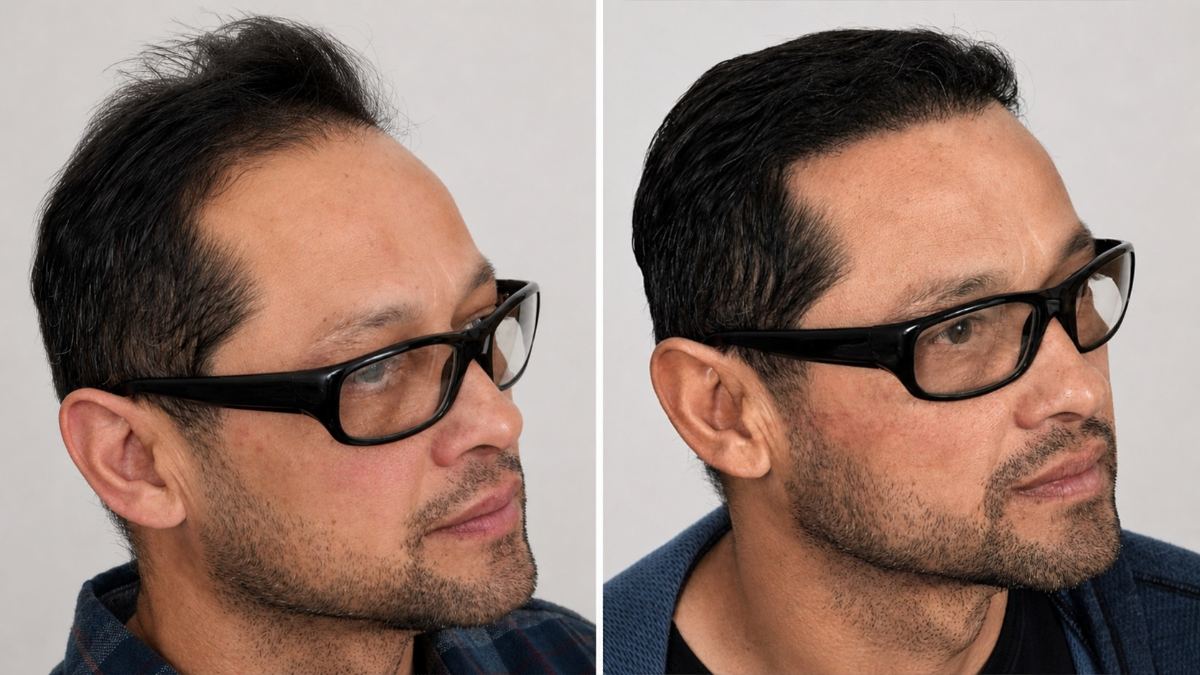
Madison T. · 3,300 Advanced FUE™ grafts
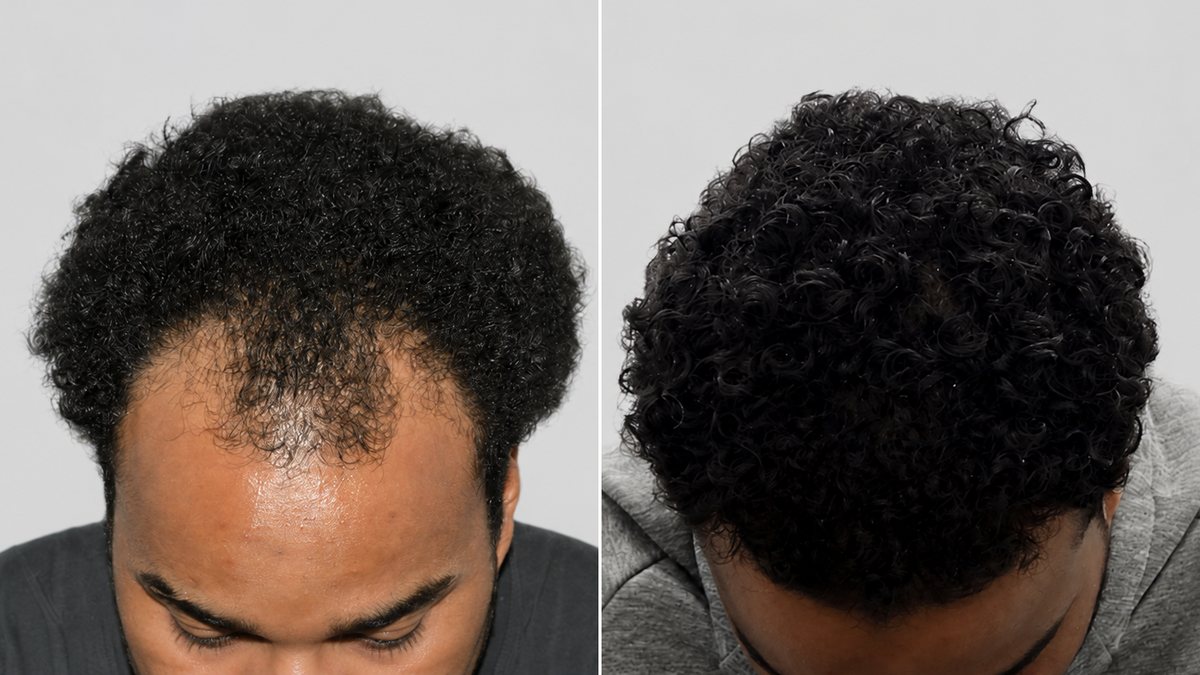
AJ S. · 2,500 Advanced FUE™ grafts
Individual results may vary.
Next step
Get a personalized assessment
The only way to know your graft count, your cost and what your result will look like is a professional evaluation. Consultations are free, and you meet a real expert, not a salesperson.