
Do You Need to Grow Hair Out for a Hair Transplant?

Before Your Procedure
Do You Need to Grow Hair Out for a Hair Transplant?
Long transplanted hair sounds like instant results. It is actually a risk to the graft. Here is the medical reasoning, and where length does help.

Key takeaways
- Grow your hair to at least a centimeter for the consultation, so we can measure density and map the plan.
- Transplanted grafts are kept short. Long shafts act as levers and snag, and they shed within weeks anyway.
- Long native hair is a different story: with No-Shave FUE™ it hides the procedure from day one.
One of the most common questions we hear before the procedure is, "Should I grow my hair out first?" Many patients assume long strands can be moved into the thinning area for full-length results the moment they leave the clinic. The truth is more useful than that: length matters, but only in one place.
What a new graft goes through
When a follicular unit is extracted from the donor area it is temporarily cut off from your blood supply. After it is placed into its micro-opening it sits unsecured for the first few days, relying on the surrounding tissue to clot and form a small protective scab while blood vessels reconnect. During that window the graft is vulnerable to any physical force. That is where the length of the hair shaft becomes a liability.
Why we do not transplant long hair
There is no clinical or aesthetic benefit to implanting long strands, and three real risks.
01
Weight and leverage
On a microscopic scale a long shaft is a lever. Its weight can tilt, shift or dislodge a graft before the follicle has set. Short grafts sit flush and stay embedded.
02
Snags and pulls
In the first two weeks long hair catches on combs, collars, pillows and fingers. One snag can pull an unsecured root out for good. Short hair removes the risk.
03
It sheds anyway
The procedure pushes transplanted follicles into a resting phase. Between weeks two and four the shafts shed in what is called shock loss. The length is gone regardless; the root is what matters.
The trade
A few days of temporary length is not worth the permanent survival of the root beneath it.
Where length does help
The hair we move is kept short. Your native hair around the treated areas is a different story. If you want to conceal the procedure as quickly as possible, growing out the hair on the top, back and sides before the procedure is a real advantage.
With No-Shave FUE™, invented and patented at Advanced Hair Restoration®, donor follicles are extracted without shaving the back of the head. Your existing hair combs over the extraction sites, and you return to your routine with the procedure virtually undetectable.
Free consultation
Not sure how to prepare your hair type?
Ask us. In a free consultation an Advanced Hair Restoration® expert measures your donor area and tells you exactly how to arrive on procedure day.
Trust the process
A hair transplant is a lifetime investment. The desire for immediate length is understandable, but graft survival is the only path to a dense, natural result. Once the new roots heal and wake from their resting phase, they grow into thick, long, permanent hair that you cut and style like the rest.
Questions patients ask
Hair length questions
How long should my hair be for the consultation?
At least a centimeter. That lets us assess density, caliber and the pattern of your loss and build an accurate plan and graft count.
Will you shave my head for the procedure?
Not with No-Shave FUE™. Your donor area is never shaved and neither is the hair on top, so you walk out with the same length and style you walked in with. Standard Advanced FUE™ may involve trimming the donor area.
When will the transplanted hair grow long?
After the shedding phase, new growth starts around month 3 to 4 and matures by 12 to 18 months. From there it grows like the rest of your hair.
Real Results
Simple 1 Day Treatment®. Lifetime Results.
Every photo below is a real Advanced Hair patient: Advanced FUE™, their own natural hair, Guaranteed to Grow for Life™.
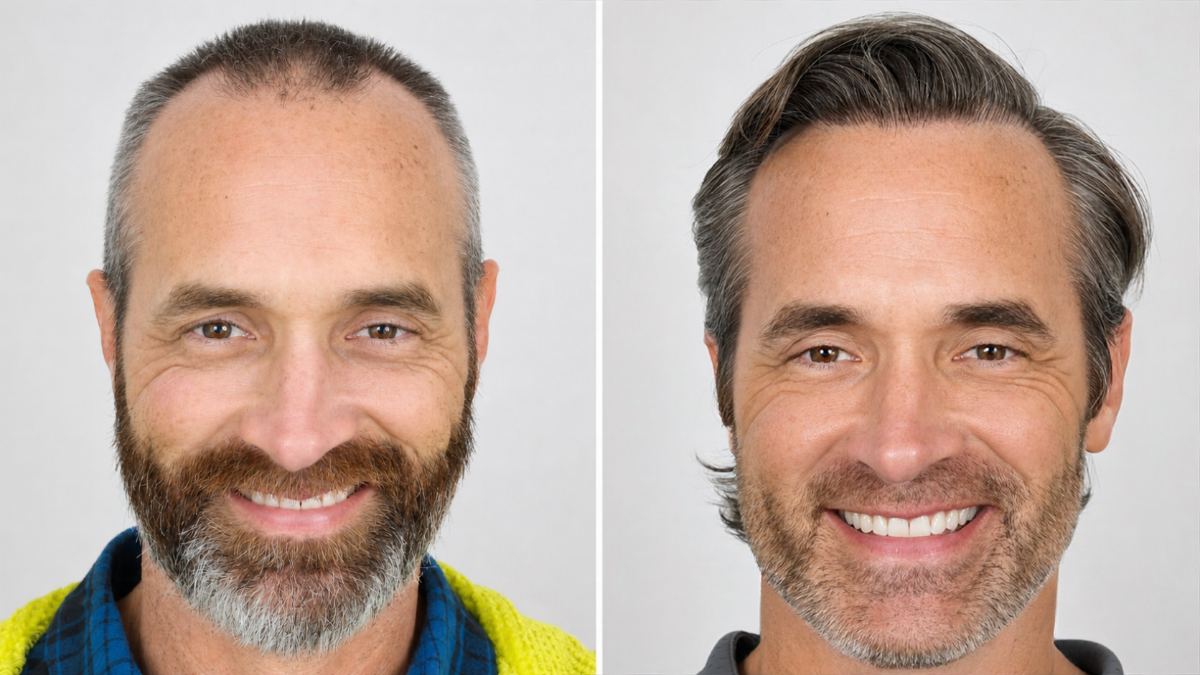
Kyle M. · 3,000 Advanced FUE™ grafts

Scott H. · 2,500 Advanced FUE™ grafts
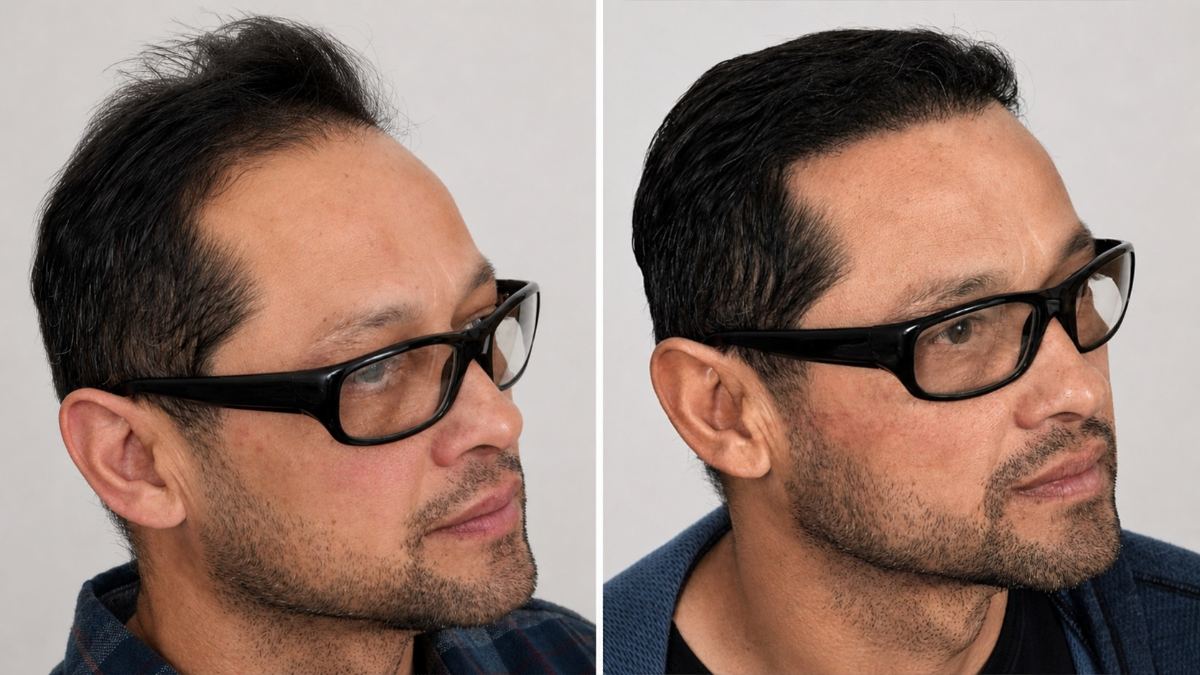
Madison T. · 3,300 Advanced FUE™ grafts
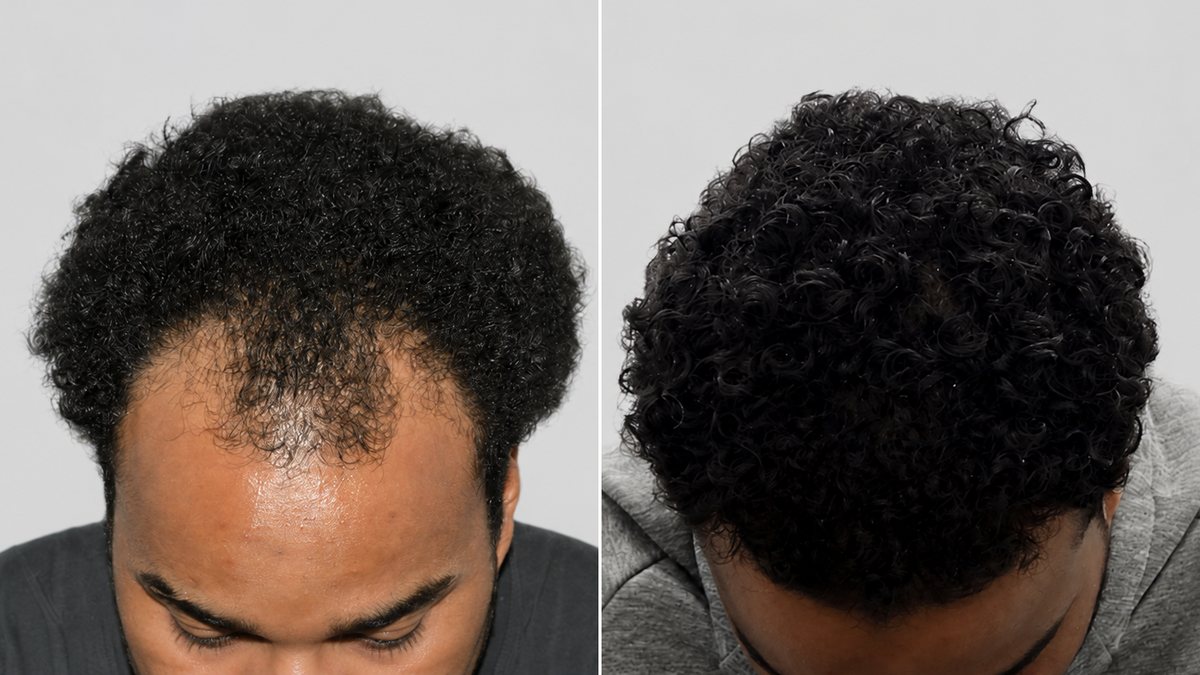
AJ S. · 2,500 Advanced FUE™ grafts
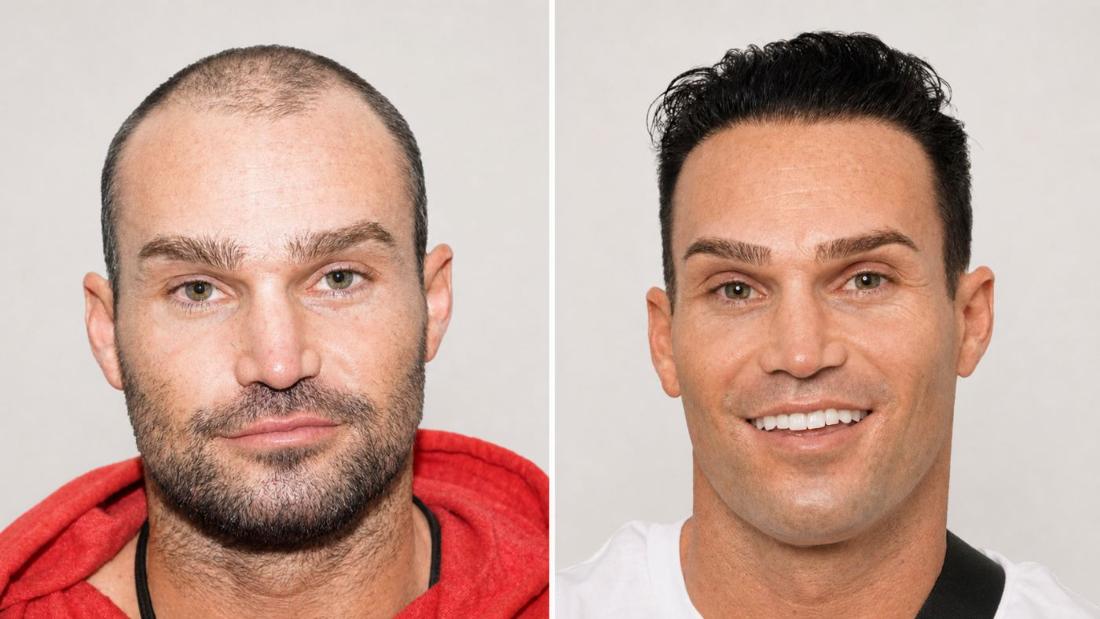
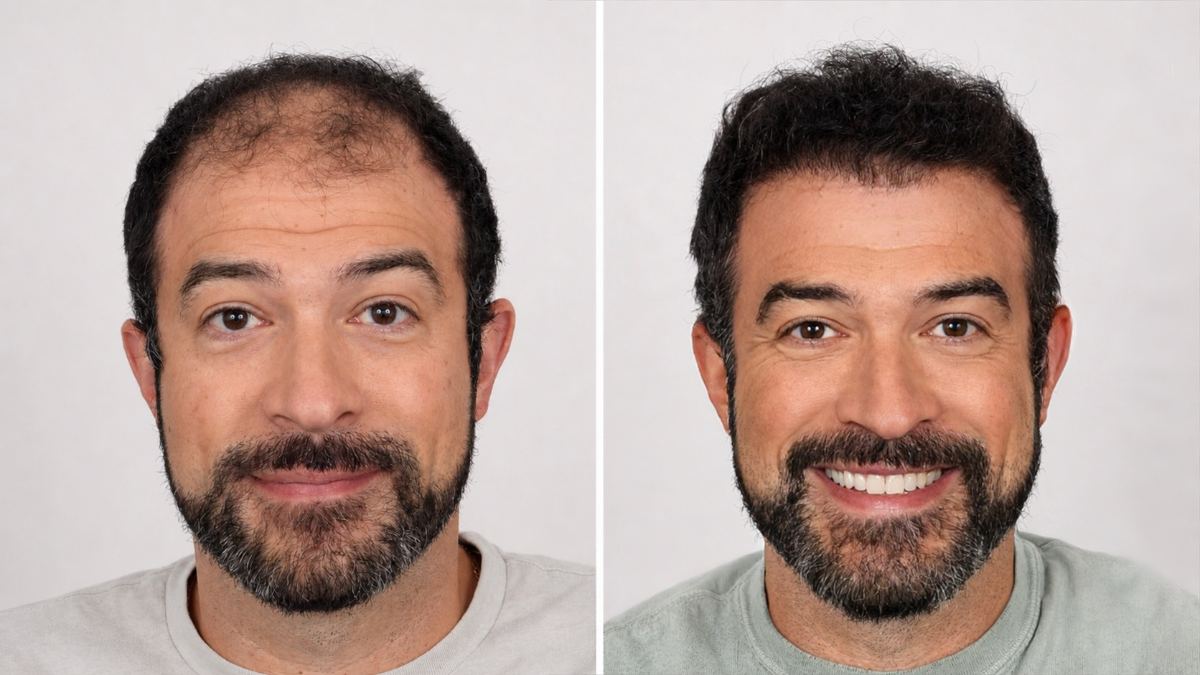
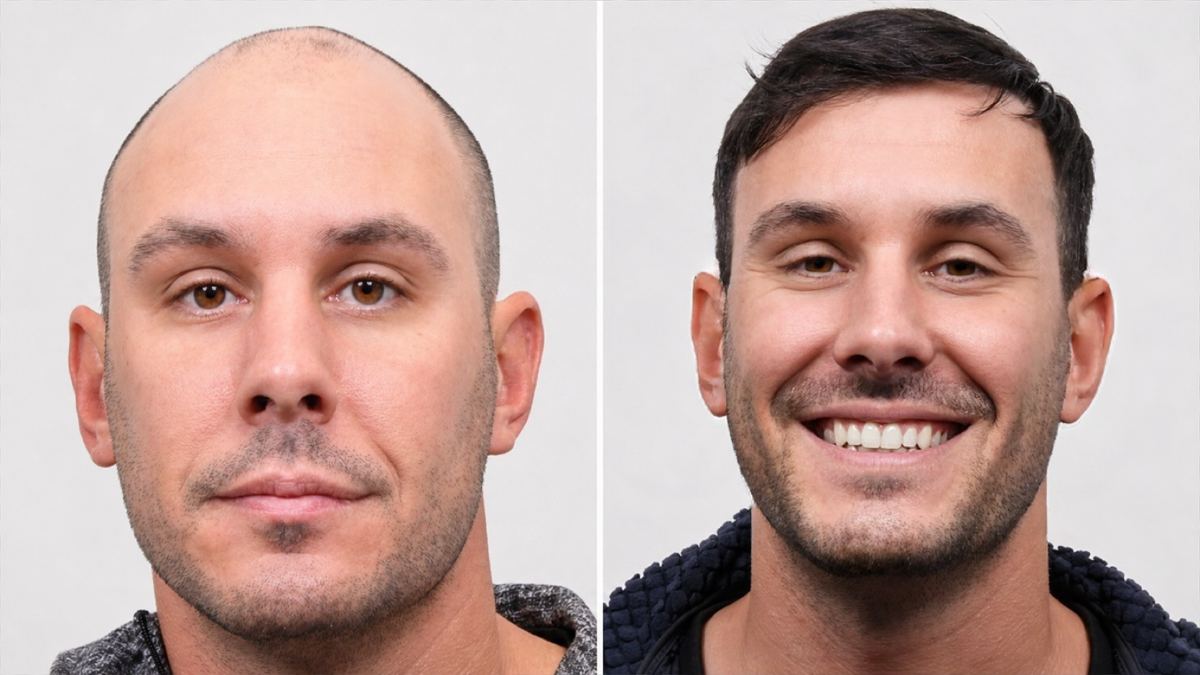
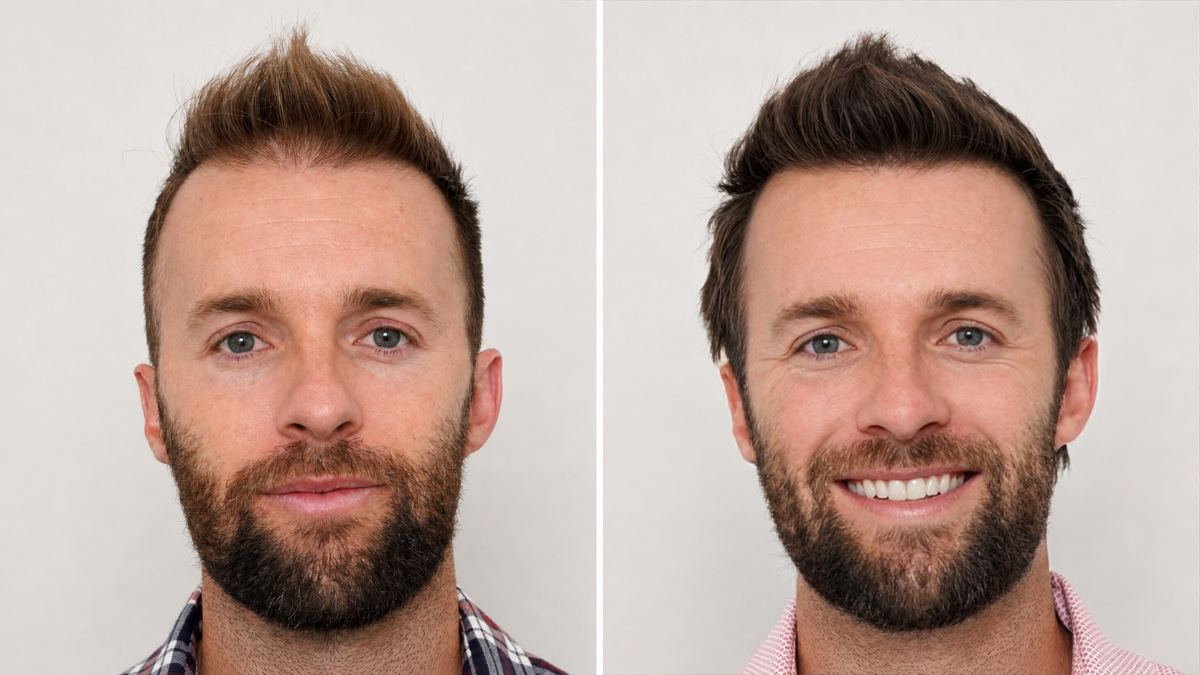
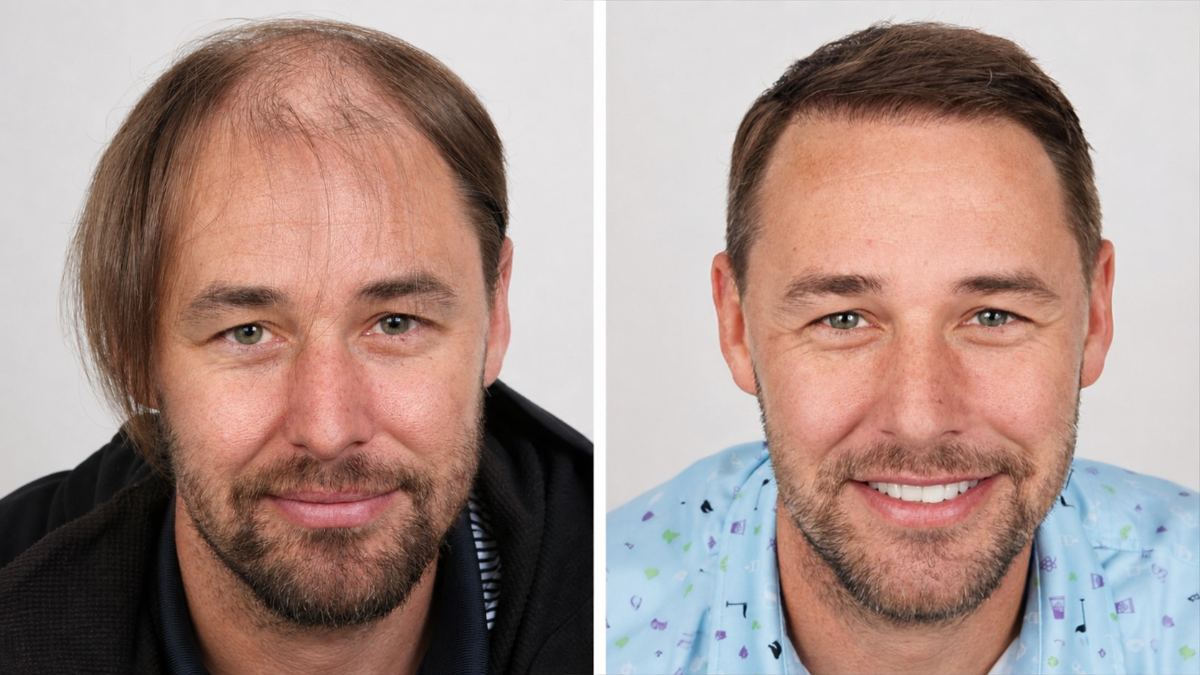
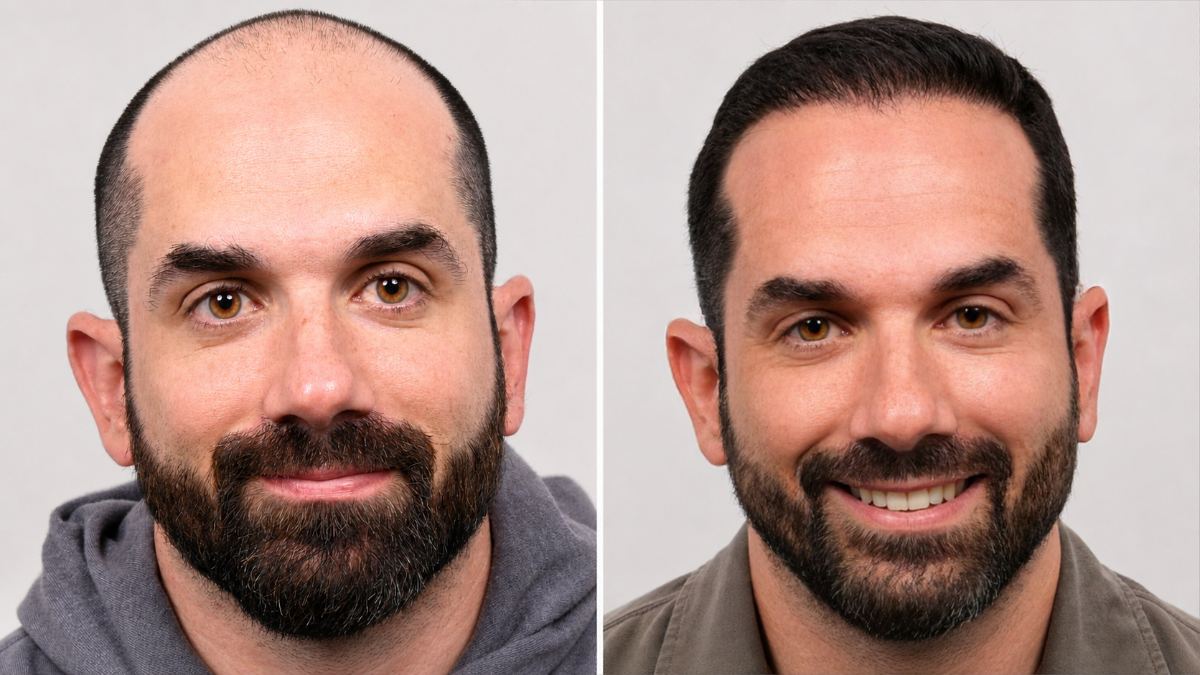
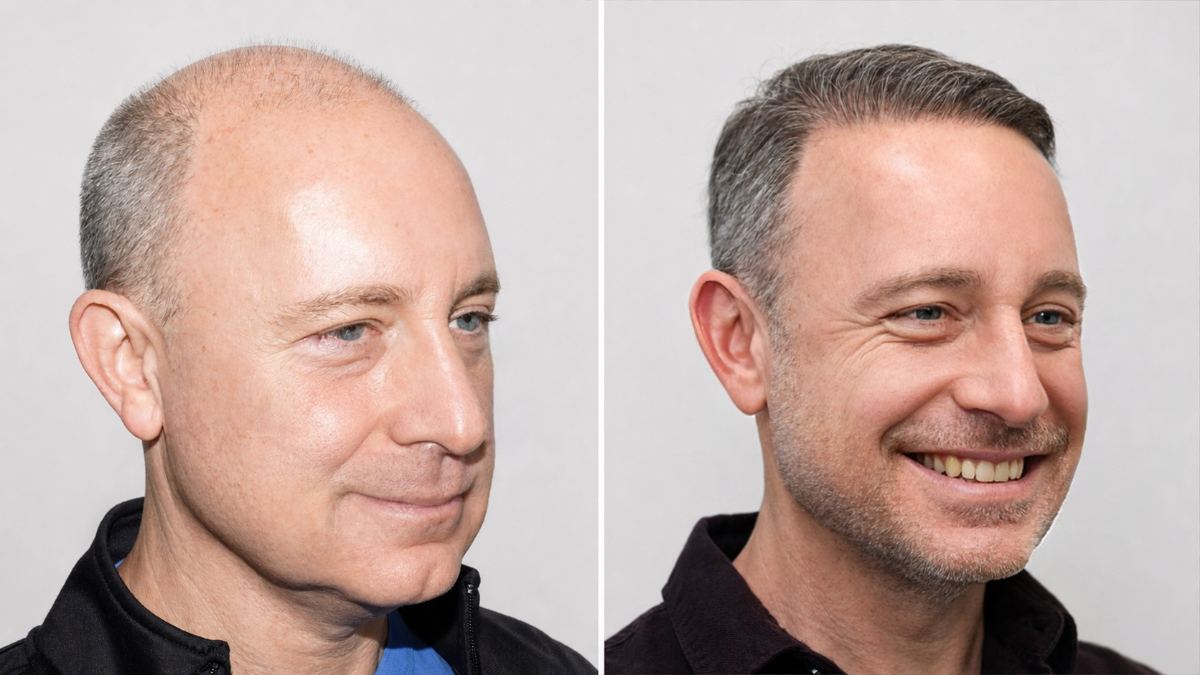
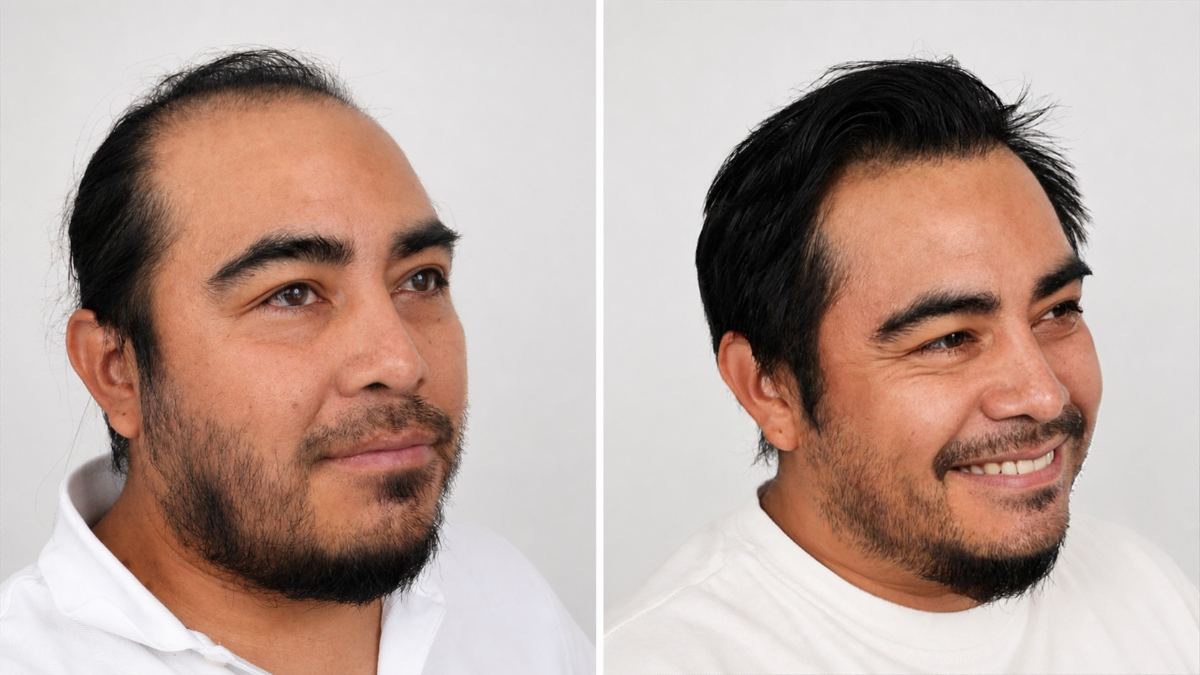
Individual results may vary.
Next step
Get a personalized assessment
The only way to know your graft count, your cost and what your result will look like is a professional evaluation. Consultations are free, and you meet a real expert, not a salesperson.