
How to Stop Hair Loss and Promote Hair Growth

Treatments
How to Stop Hair Loss and Promote Hair Growth
Medications can slow loss and hold what you have. Only one treatment puts hair back where it is gone. Here is what each option really does.

Key takeaways
- Finasteride lowers DHT and minoxidil improves scalp blood flow. Both slow loss and need continuous use to keep working.
- Laser therapy, saw palmetto and PRP range from modest to unproven. None regrows a bald area.
- A hair transplant is the only permanent solution: DHT-resistant hair moved to where you need it, no maintenance.
- Act early. The sooner you address loss, the more options you have.
Losing some hair every day is normal. When thinning becomes noticeable, most people start with their primary care physician, who typically suggests FDA-approved medications such as finasteride (Propecia) or minoxidil (Rogaine). Those are proven to slow or stop loss and maintain existing hair. Understanding what they can and cannot do is the key to a plan that works.
Medications: slowing the loss
Dihydrotestosterone, or DHT, is the hormone behind androgenetic alopecia. It shrinks susceptible follicles until they stop producing visible hair. Finasteride reduces DHT, protecting follicles from that miniaturization and slowing loss in most users. Minoxidil, applied topically, improves scalp blood flow and supports follicle health; it is best at maintaining hair and producing mild regrowth. Both work only while you keep using them, and neither restores hair in an area that has already gone bald.
Other options, honestly rated
| Option | What it does | What to expect |
|---|---|---|
| Low-level laser therapy | FDA-cleared devices stimulate follicles at home. | Safe and easy. Better for maintenance than reversing significant loss. Results vary and require regular use. |
| Saw palmetto | A supplement thought to block the enzyme that converts testosterone to DHT. | A natural alternative some people prefer. Research is ongoing and effectiveness is not guaranteed. |
| PRP, stem cells, microneedling | Aim to improve scalp health and encourage regrowth. | Expensive, and without definitive long-term evidence. Treatment cycles are not standardized. |
| Hair transplant | Moves DHT-resistant hair from the back and sides to where you have lost it. | Permanent. No ongoing maintenance. Advanced FUE™ results are Guaranteed to Grow for Life™. |
Free consultation
Get a plan, not a product
In a free consultation an Advanced Hair Restoration® expert tells you which of these belongs in your plan, and whether you are a candidate for a permanent fix.
How to stop hair loss permanently
There is no pill that stops hair loss for good. There are safe, FDA-approved or cleared treatments that slow it (finasteride, minoxidil, laser therapy), and there is one treatment that restores hair in areas of loss: hair transplantation.
A transplant relocates DHT-resistant follicles from the back and sides of the scalp to the top and front. It rebuilds a fuller, natural hairline and adds density where you need it, and because the hair is genetically resistant to DHT, it stays. Native hair around the transplant can continue to thin, so your physician may recommend finasteride, minoxidil or laser therapy alongside a transplant to slow that. Many patients choose smaller procedures over time to stay ahead of their loss, or a second session to add density.
Protecting the hair you have
- Act early. Medications work best in the early stages, and a smaller transplant does more.
- Keep the scalp healthy. Regular washing, no harsh chemicals, and a diet with enough protein, iron, zinc and biotin.
- Skip the hype. Expensive therapies without a guarantee or proven results are a poor place to spend.
- See a specialist. A hair restoration physician can tell you what is causing your loss and which options fit, in one visit.
Questions patients ask
Hair loss treatment questions
Can finasteride or minoxidil regrow a bald spot?
No. They slow loss and can thicken thinning hair, but they cannot revive follicles that have stopped producing hair. A transplant is the only way to restore a bald area.
Do I have to stay on medication after a transplant?
Transplanted hair does not need it. Your physician may still recommend finasteride, minoxidil or laser therapy to protect the native hair around the transplant.
Are hair growth supplements worth it?
If you have a real deficiency, correcting it helps. For pattern hair loss, supplements alone will not stop the process, and the evidence behind most of them is thin.
What does a transplant cost compared with years of medication?
A transplant is a one-time investment, typically priced per graft. Medications and devices are ongoing for life. See our cost guide for real numbers.
Real Results
Simple 1 Day Treatment®. Lifetime Results.
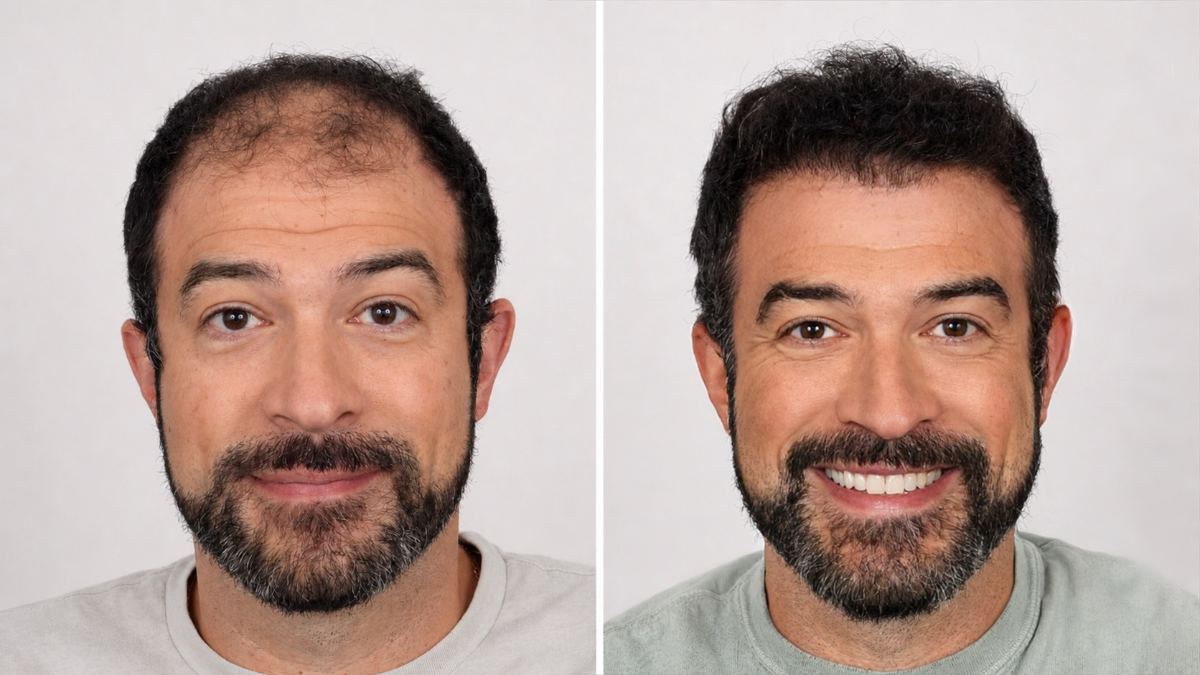
Every photo below is a real Advanced Hair patient: Advanced FUE™, their own natural hair, Guaranteed to Grow for Life™.

Kyle M. · 3,000 Advanced FUE™ grafts

Scott H. · 2,500 Advanced FUE™ grafts
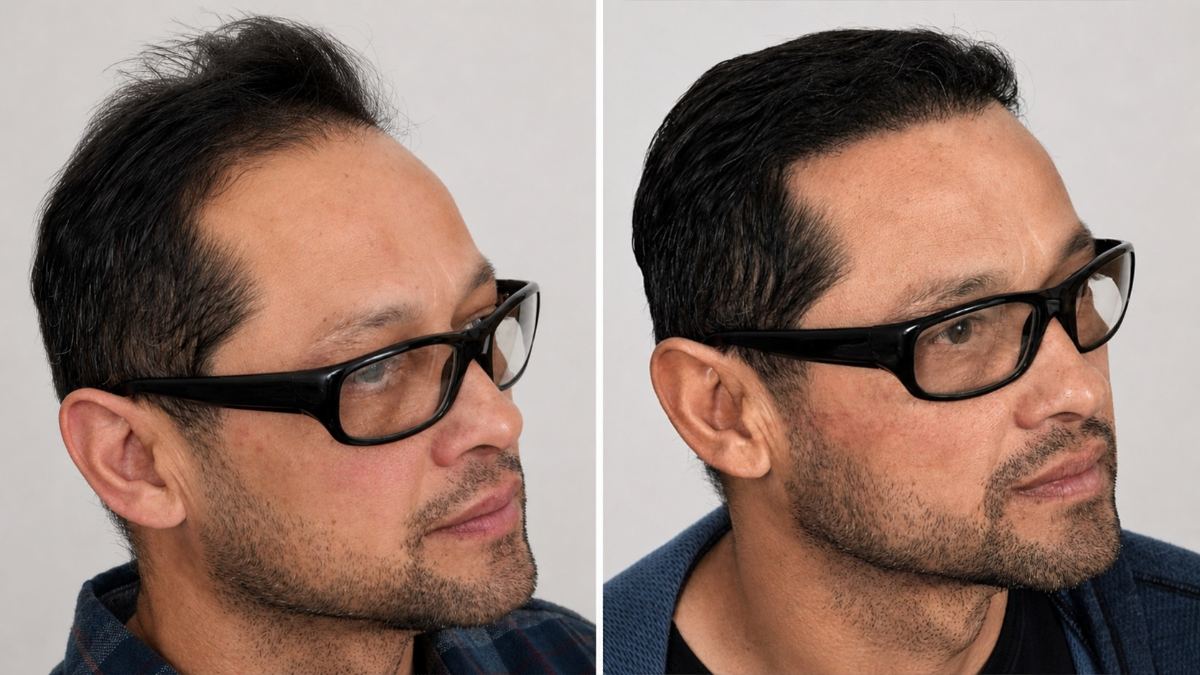
Madison T. · 3,300 Advanced FUE™ grafts
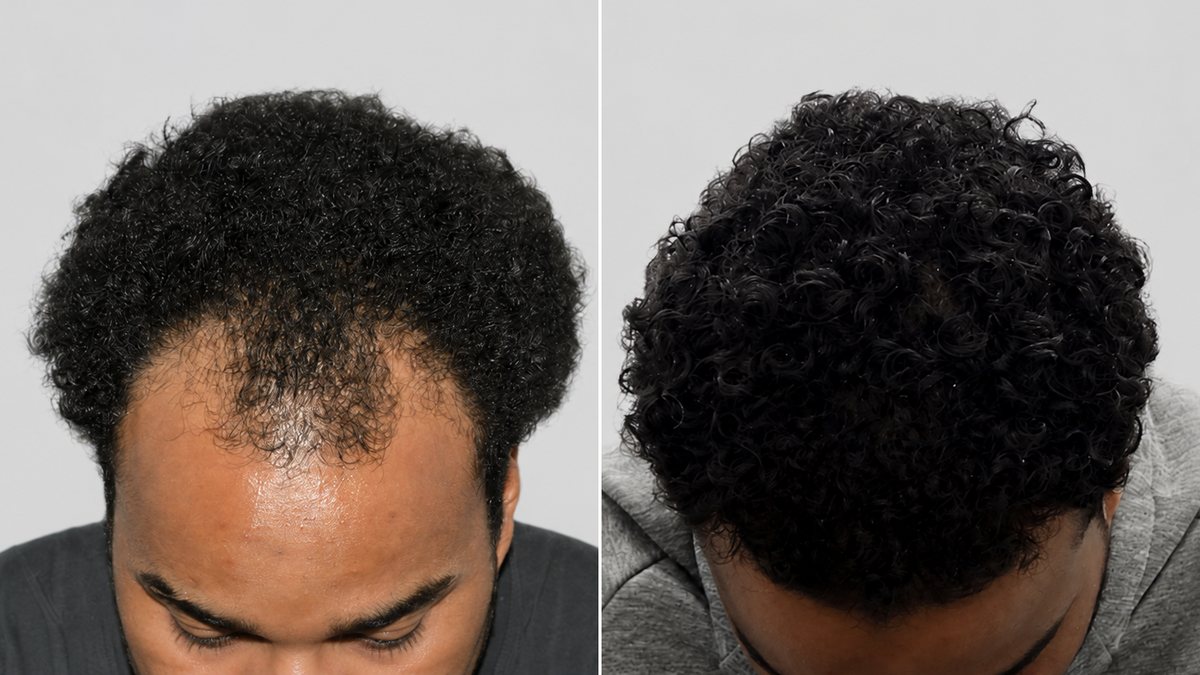
AJ S. · 2,500 Advanced FUE™ grafts
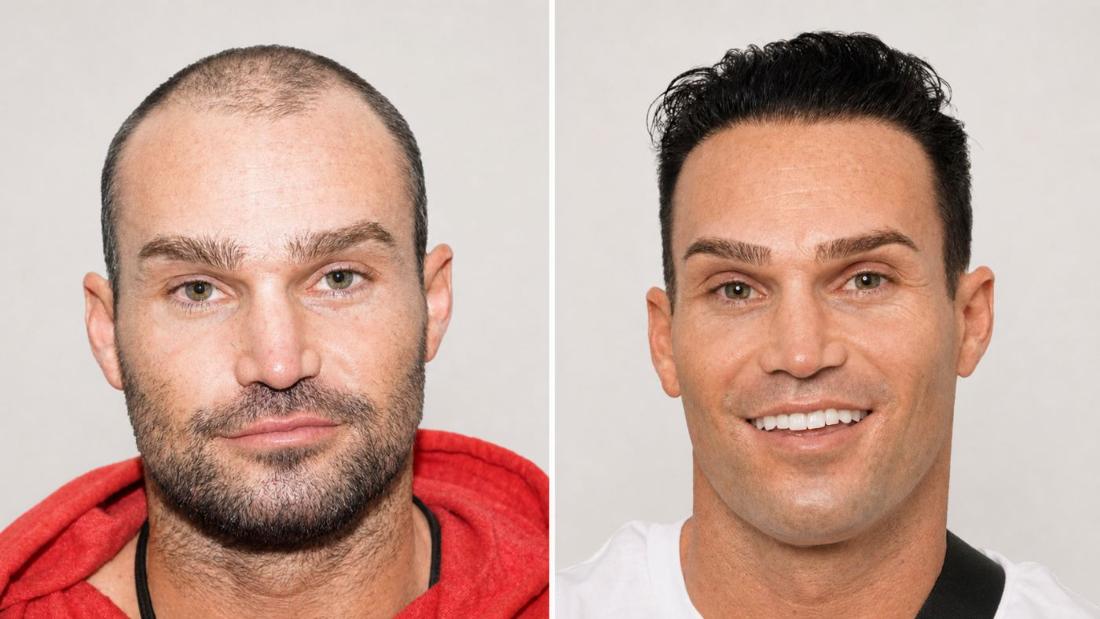
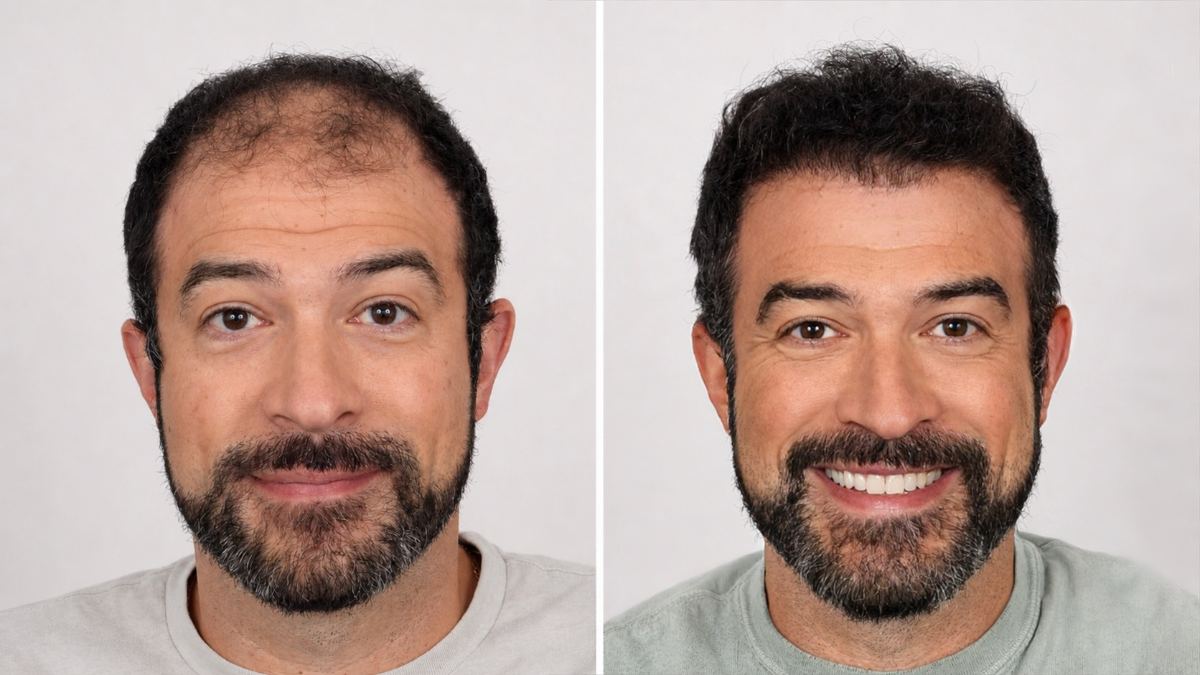
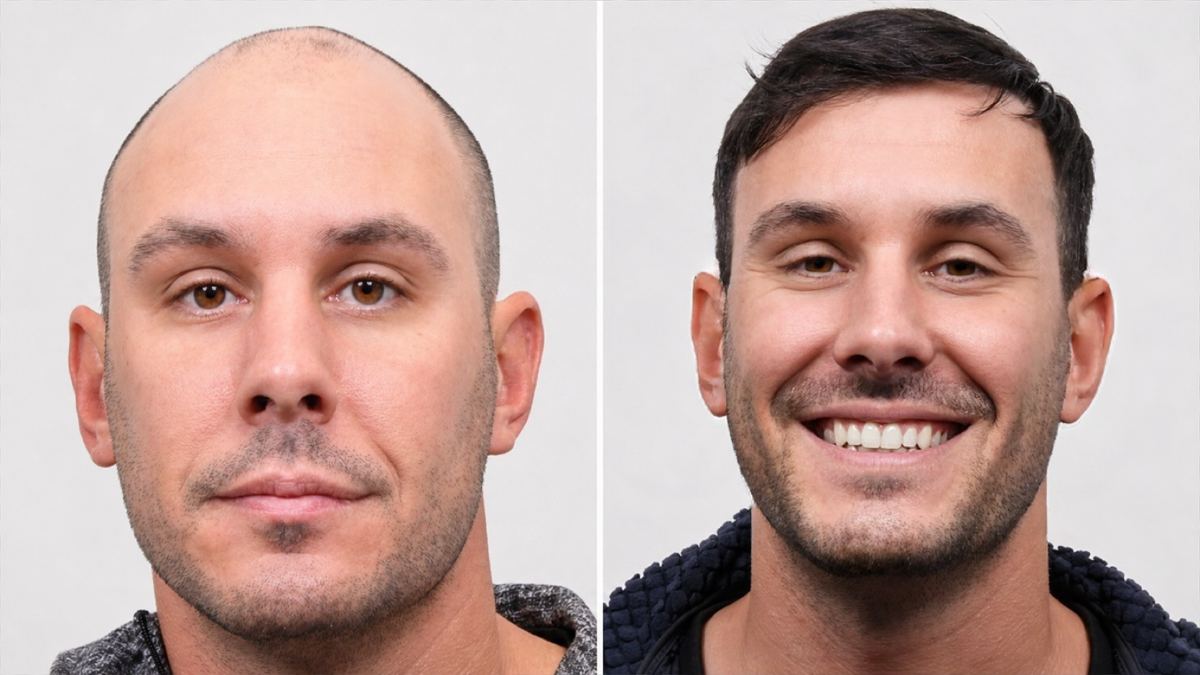
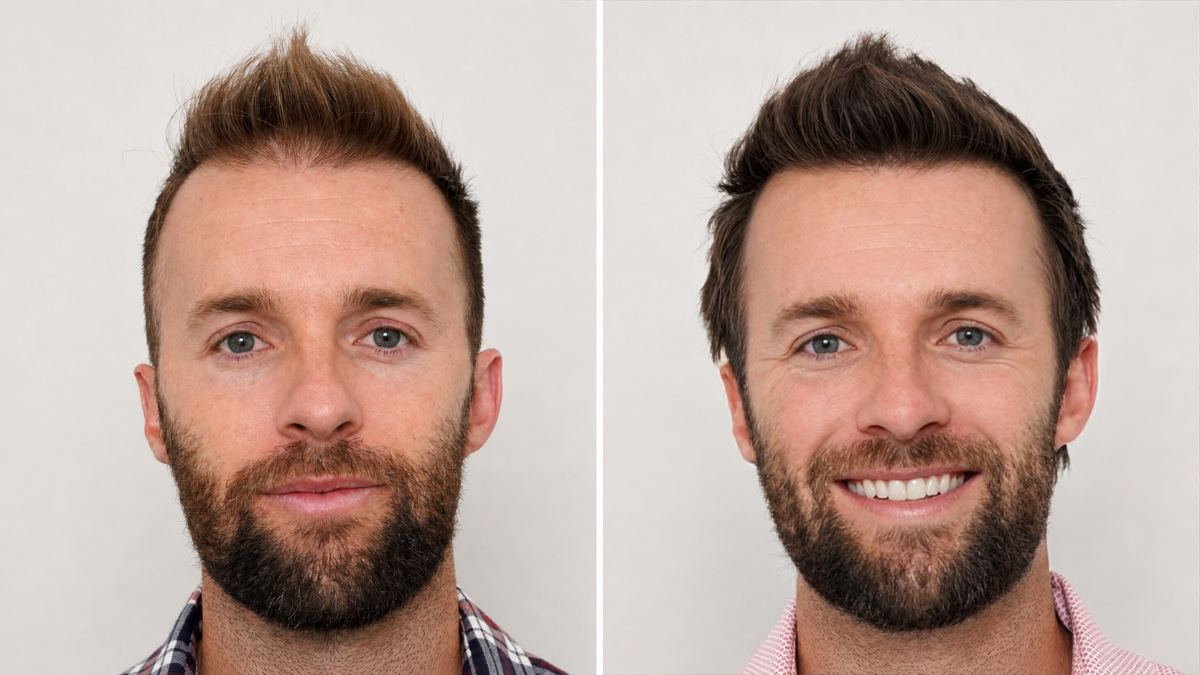
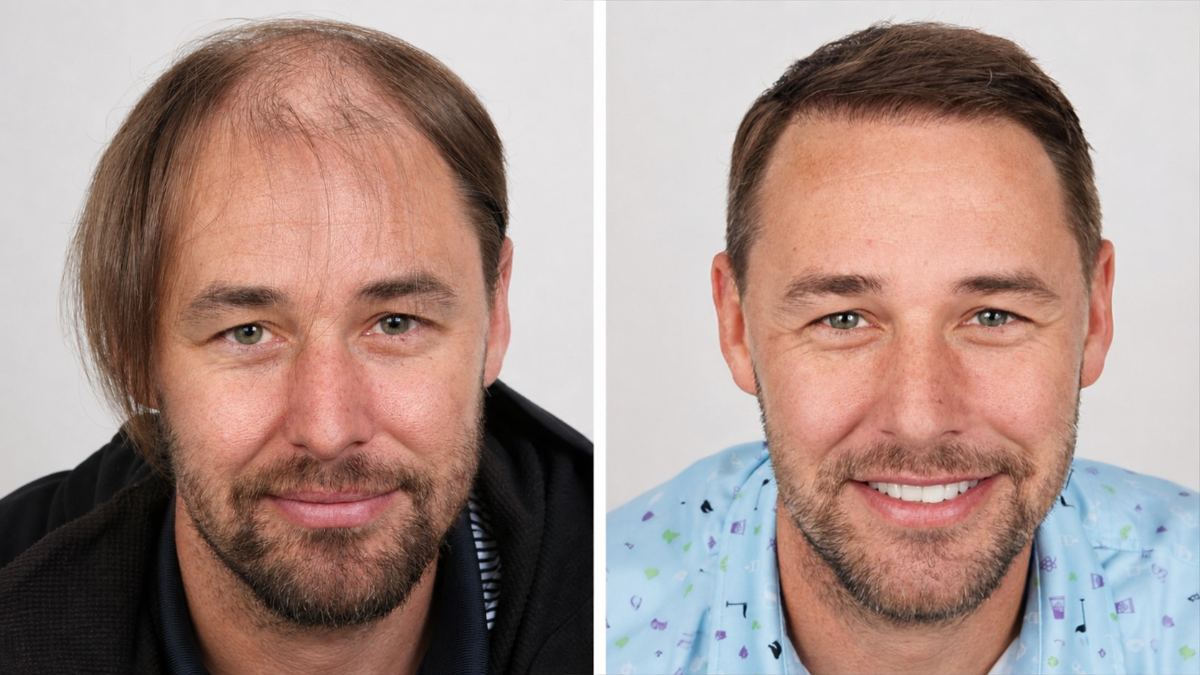
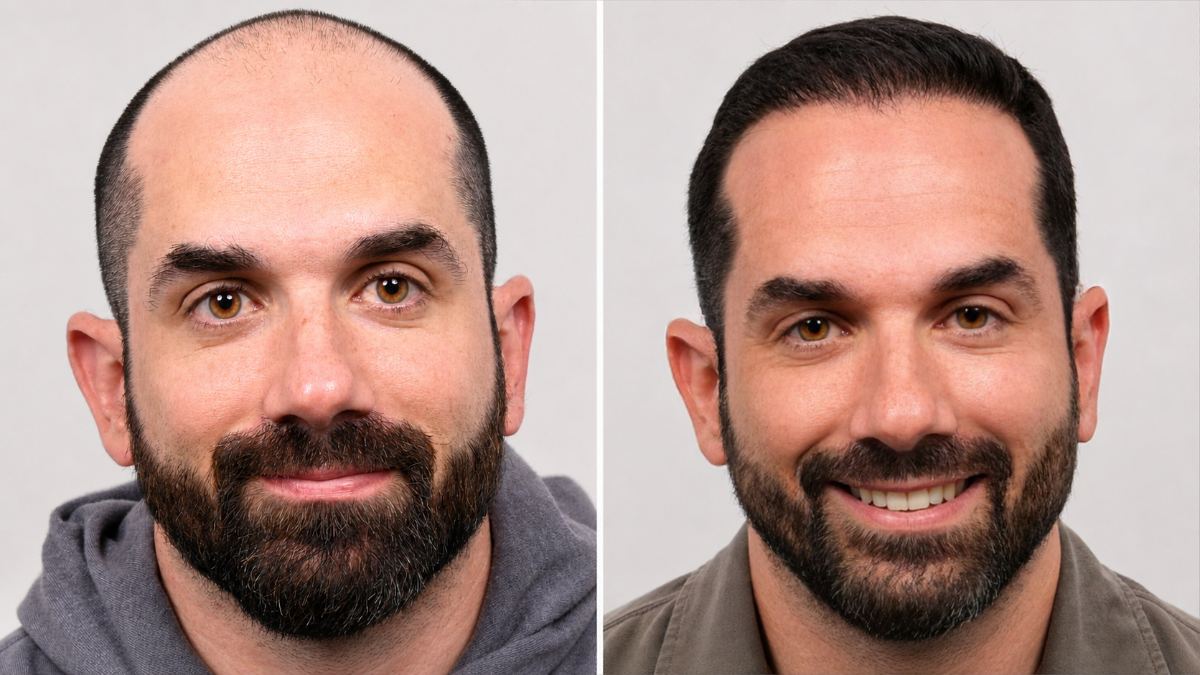
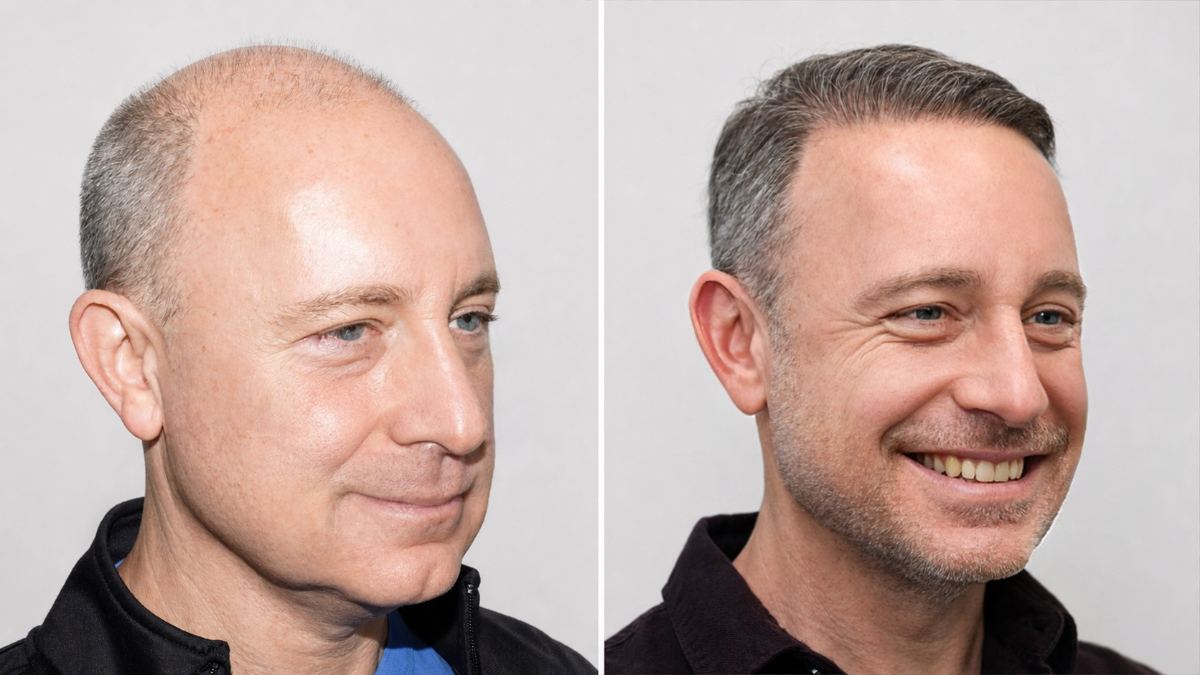

Individual results may vary.
Next step
Get a personalized assessment
The only way to know your graft count, your cost and what your result will look like is a professional evaluation. Consultations are free, and you meet a real expert, not a salesperson.