
The Anatomy of a Hair Follicle: Understanding Its Structure and Function

Hair Loss Science
The Anatomy of a Hair Follicle
A follicle is a miniature organ. Knowing its parts explains how hair grows, why it sheds, and where hair loss actually happens.

Key takeaways
- The follicle is a tunnel through the epidermis into the dermis. It houses the root and is connected to a gland, blood vessels and a small muscle.
- The dermal papilla at the base feeds the follicle, and its androgen receptors are where DHT does its damage in pattern baldness.
- Follicle stem cells in the bulge regenerate the hair shaft each cycle.
- A hair transplant moves the entire follicle, so the new hair carries its donor genetics with it.
The hair follicle is a complex, miniaturized organ in the skin. Understanding its anatomy explains how hair grows and sheds, and which parts are involved when things go wrong. Here is a tour of each component and what it does.
What hair does
Scalp hair retains heat and helps regulate temperature. Fine body hair adds warmth and protects skin. Hair in the nose and ears and around the eyes filters dust and debris, while brows and lashes shield the eyes from light and particles.
What a follicle is
A follicle is a tunnel-like structure that starts in the outer layer of skin, the epidermis, and extends into the deeper dermis. It holds the root of the hair and everything needed to grow it. Each follicle connects to a sebaceous gland, a blood supply and a tiny muscle. Human hair has three parts: the shaft, which is the visible strand above the skin; the root, a soft, thickened bulb at the base; and the follicle itself, the sac the hair grows from.
The components
01
Hair shaft
The visible strand, built in three layers. The cuticle, overlapping cells that protect the inside and give shine. The cortex, most of the hair's weight and the melanin that gives it color. The medulla, an inner core present only in thick hair.
02
Root and bulb
The root anchors the shaft. The bulb at the base is where production starts: keratinocytes build keratin, the protein hair is made of, and melanocytes add pigment.
03
Dermal papilla
A cone-shaped structure at the very base, rich in blood vessels. It delivers oxygen and nutrients that fuel the anagen growth phase. It also carries androgen receptors, which makes it the target of DHT in androgenetic alopecia.
04
Inner and outer root sheaths
The inner sheath guides the shaft and keeps its shape. The outer sheath runs through the dermis and epidermis, adds stability and holds stem cells that regenerate hair and repair skin.
05
Sebaceous gland
Produces sebum, the natural oil that conditions scalp and hair. Too little leaves hair dry and brittle; too much can lead to conditions like seborrheic dermatitis.
06
Arrector pili muscle
Contracts in cold or emotion and stands the hair on end. Goosebumps are the visible sign.
07
Follicle stem cells
In the bulge region of the follicle. They rebuild the shaft with every growth cycle and help repair skin and regenerate follicles after loss.
Free consultation
Curious what your follicles are doing?
A scalp evaluation shows follicle density, miniaturization and the health of your donor area. Advanced Hair Restoration® consultations are free and with a real expert.
Why anatomy matters for hair loss
Each part has a job, and each can be a point of failure. Pattern baldness acts at the dermal papilla, where DHT gradually miniaturizes the follicle until it stops producing visible hair. Stress shedding pushes follicles out of the growth cycle early. Scarring destroys the follicle outright.
That is also why a hair transplant works. Advanced FUE™ moves the whole follicular unit, papilla and stem cells included, from the DHT-resistant donor zone to the area of loss. The genetics travel with it, so the new hair keeps growing for life.
In short
Hair health is follicle health. Feed the papilla, protect the stem cells, keep sebum in balance, and move resistant follicles where they are needed.
Questions patients ask
Follicle questions
How many hair follicles are on the scalp?
About 100,000 on an average head, with 80 to 100 follicular units per square centimeter. Each unit contains one to four hairs.
Can a dead follicle be revived?
No. Once a follicle has been destroyed by scarring or fully miniaturized by DHT, it cannot be brought back. Healthy follicles can be moved into the area instead.
Why does transplanted hair keep growing?
Because the entire follicle comes along, including the dermal papilla whose receptors are genetically resistant to DHT. The follicle behaves as it did at the back of the head.
Real Results
Simple 1 Day Treatment®. Lifetime Results.
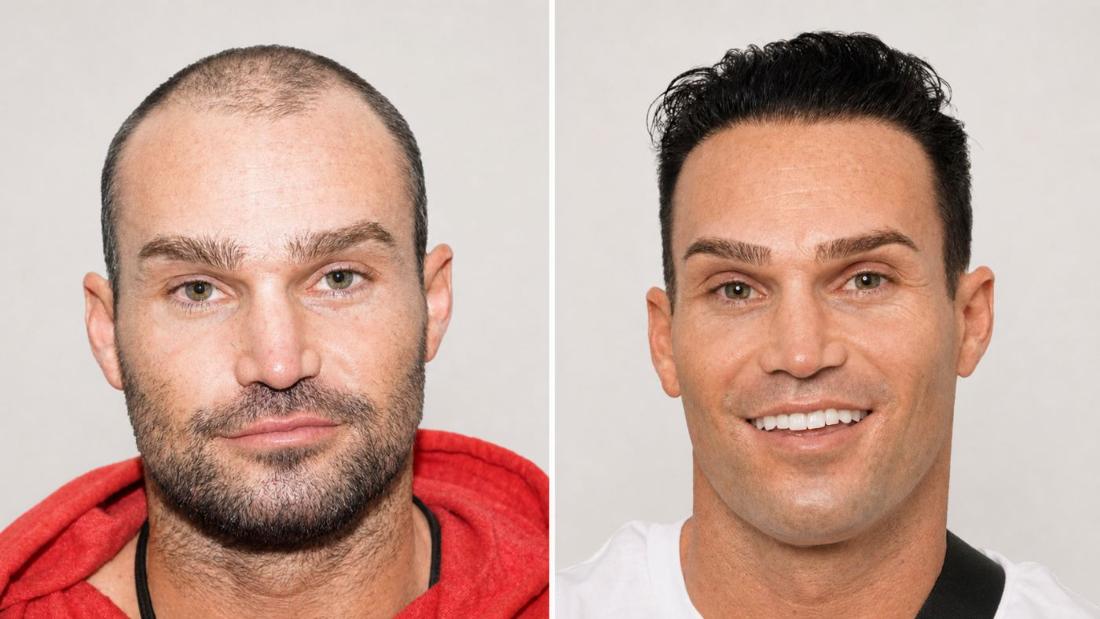
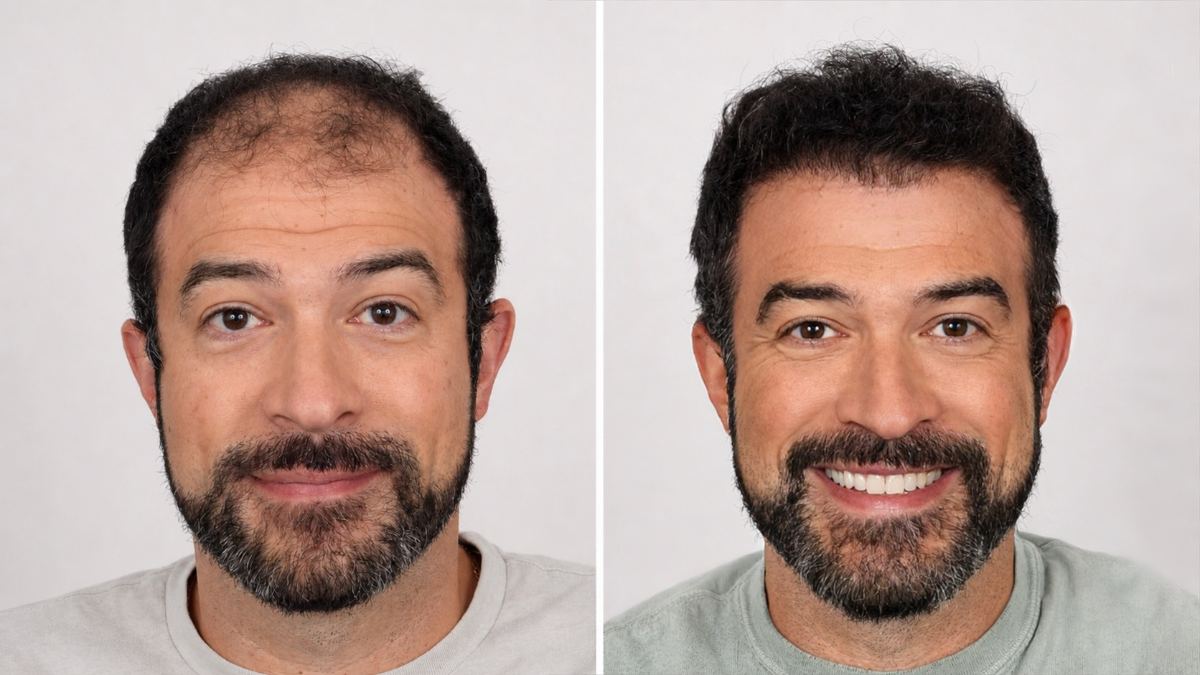
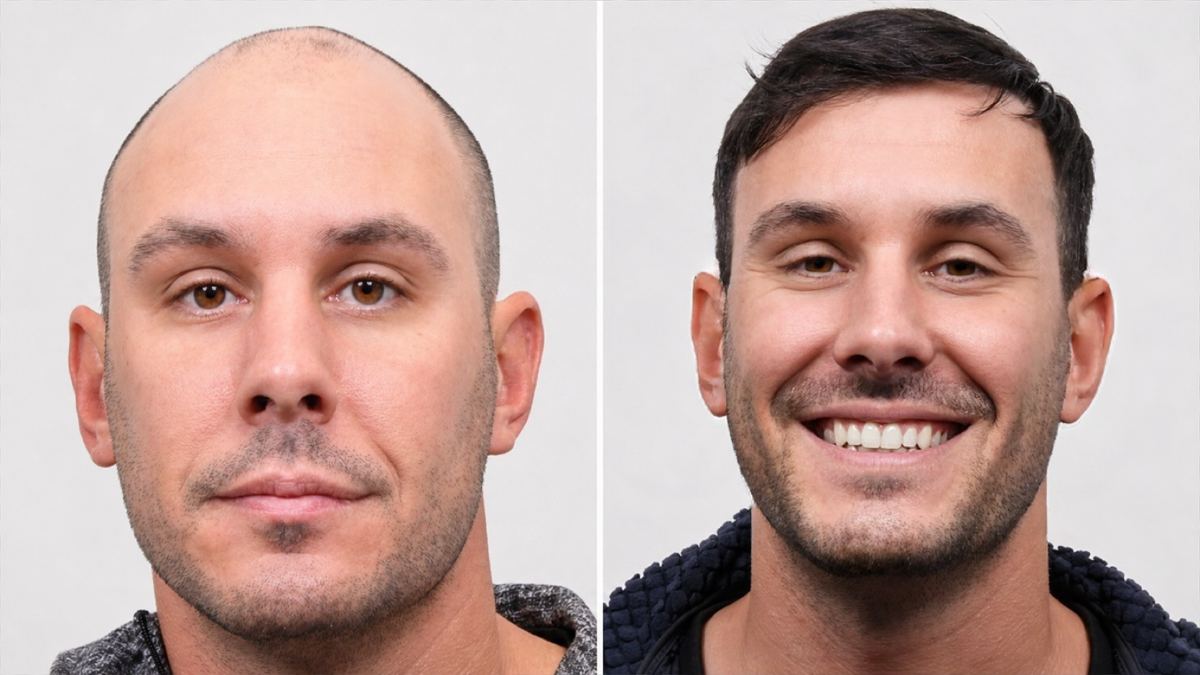
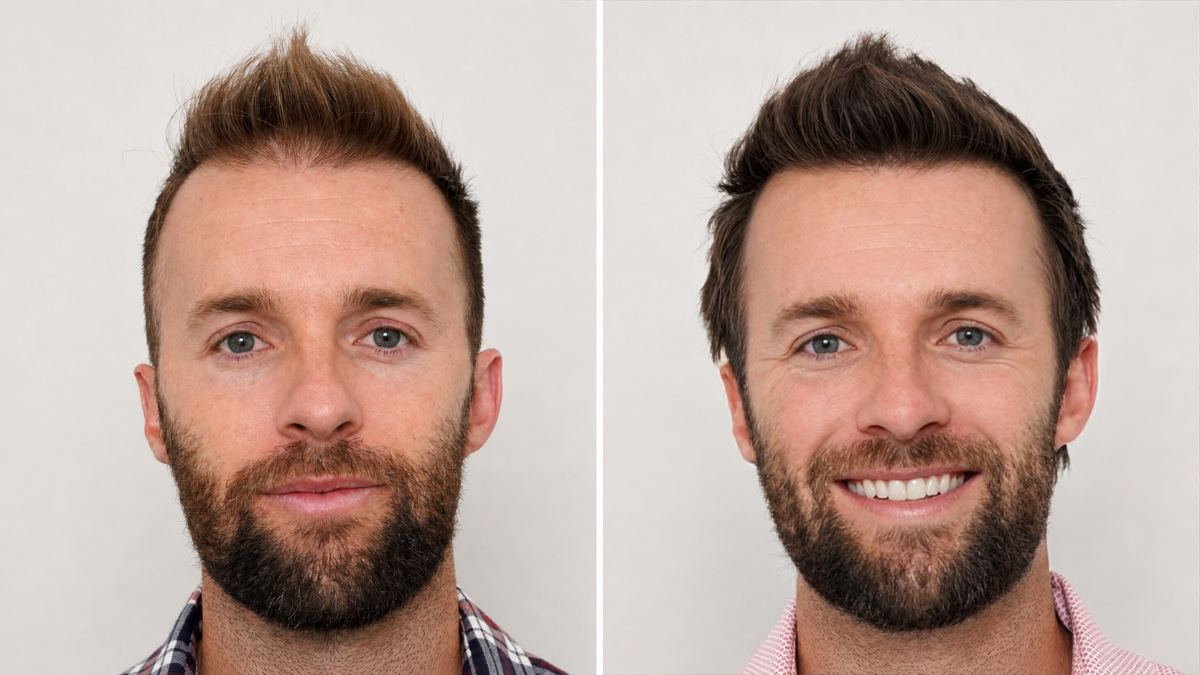
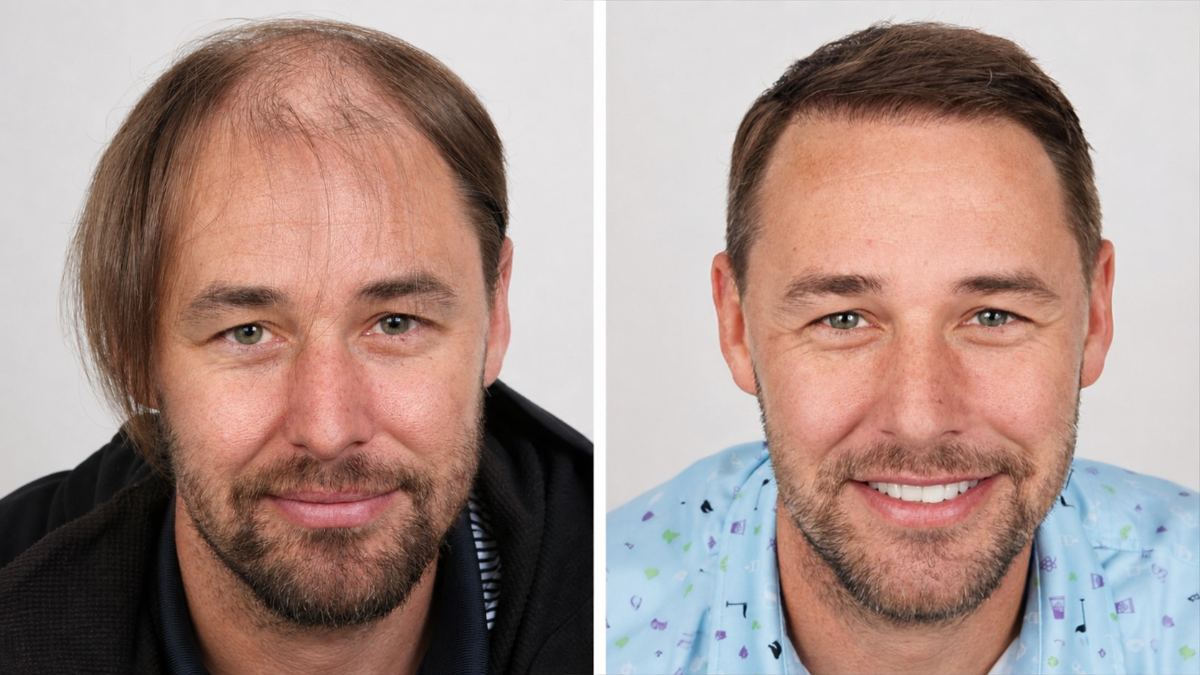
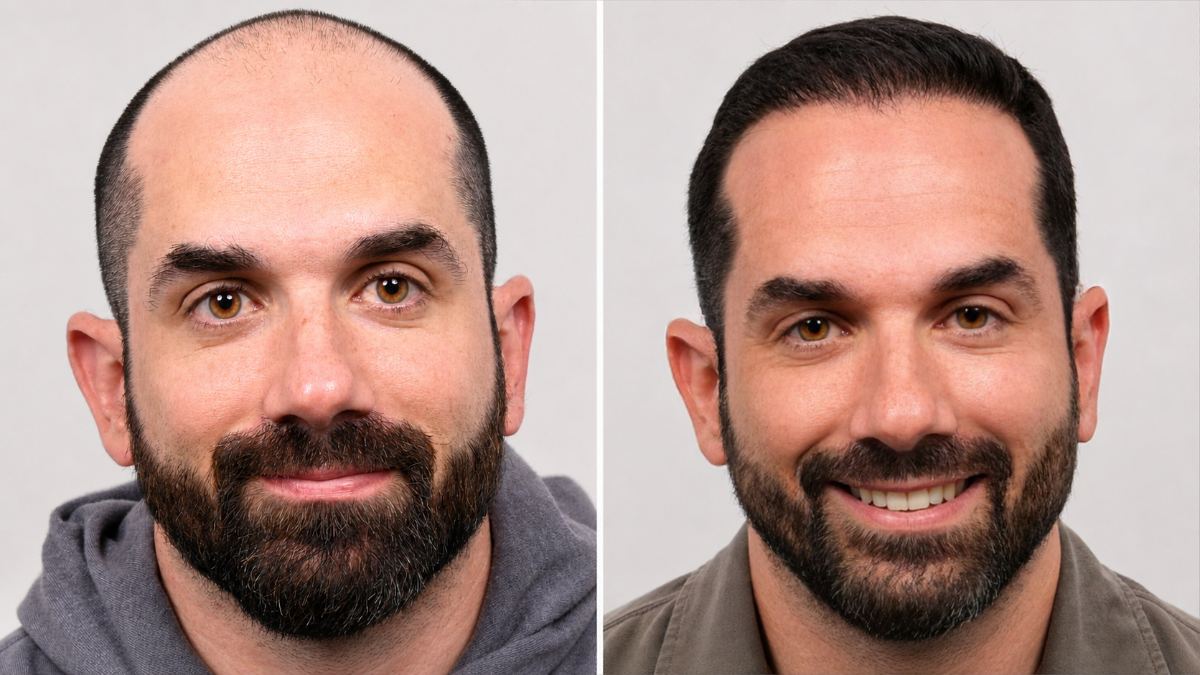
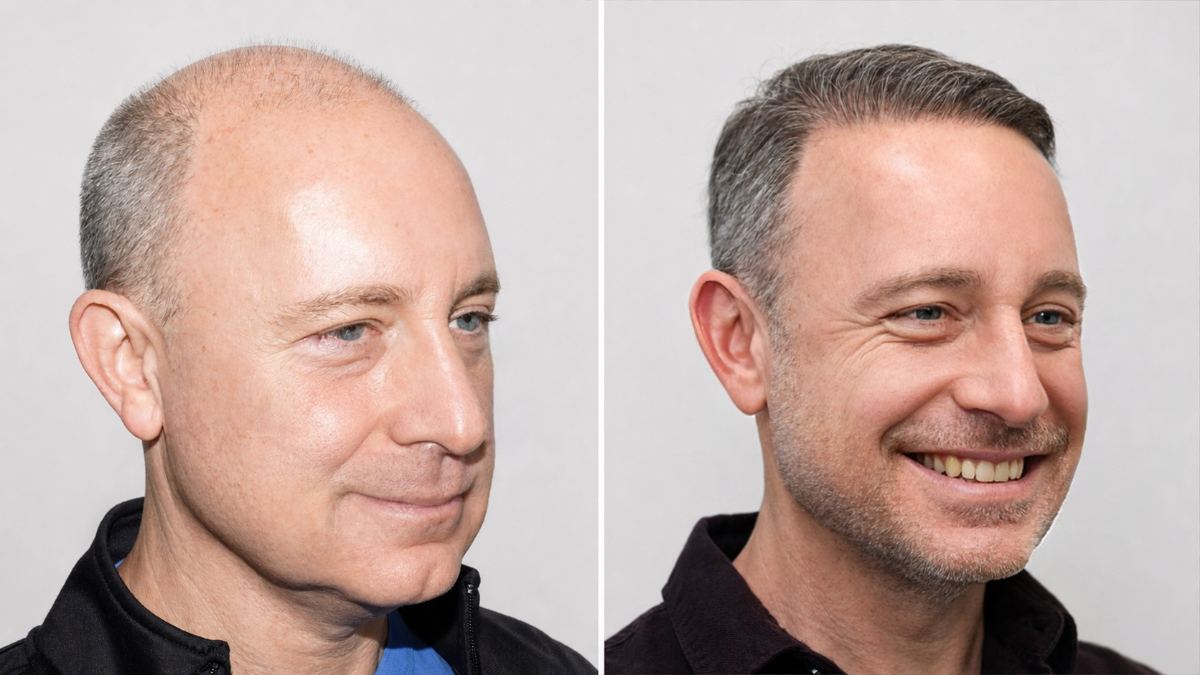
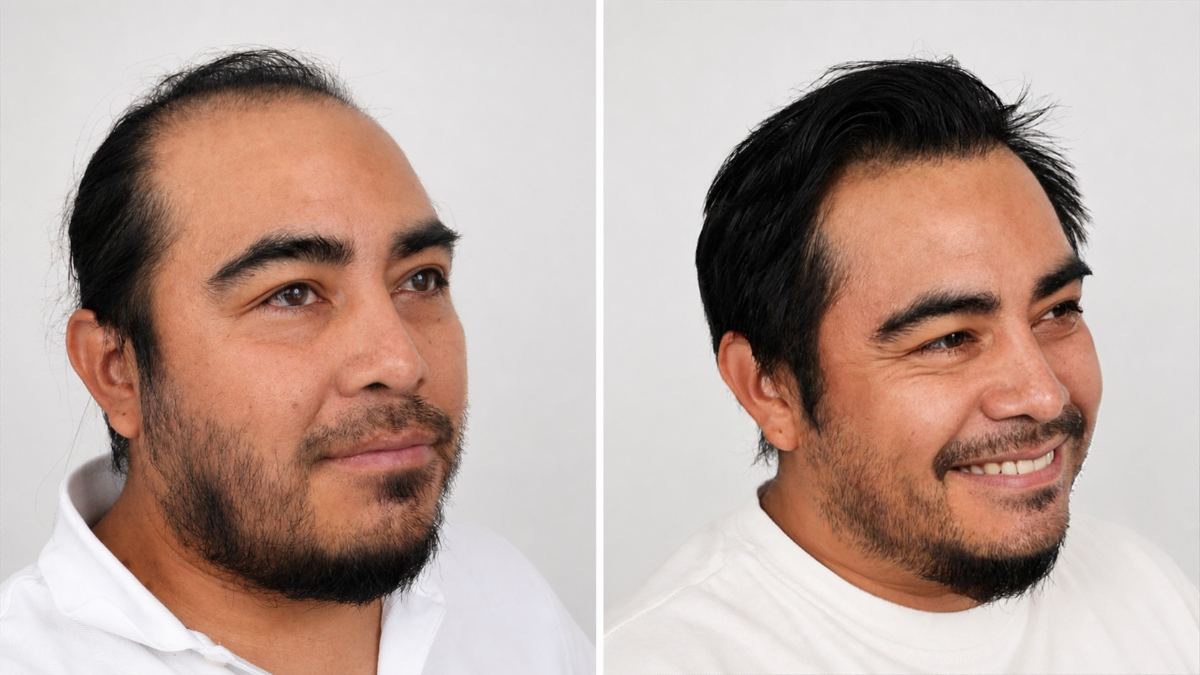
Every photo below is a real Advanced Hair patient: Advanced FUE™, their own natural hair, Guaranteed to Grow for Life™.
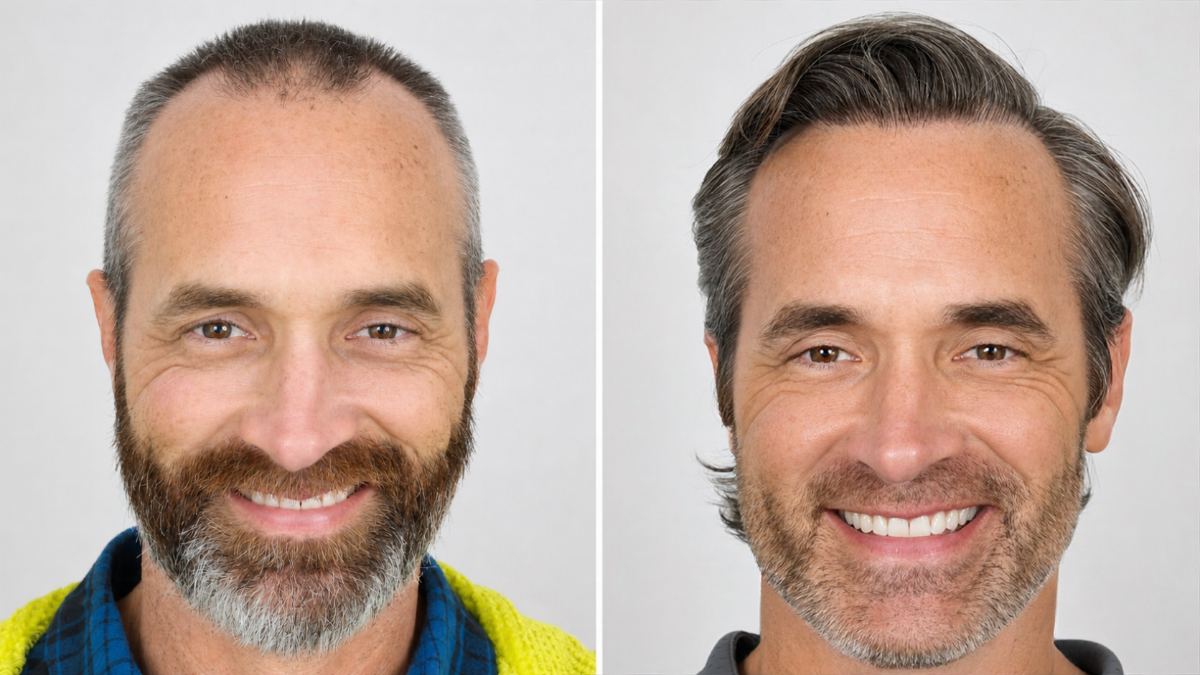
Kyle M. · 3,000 Advanced FUE™ grafts
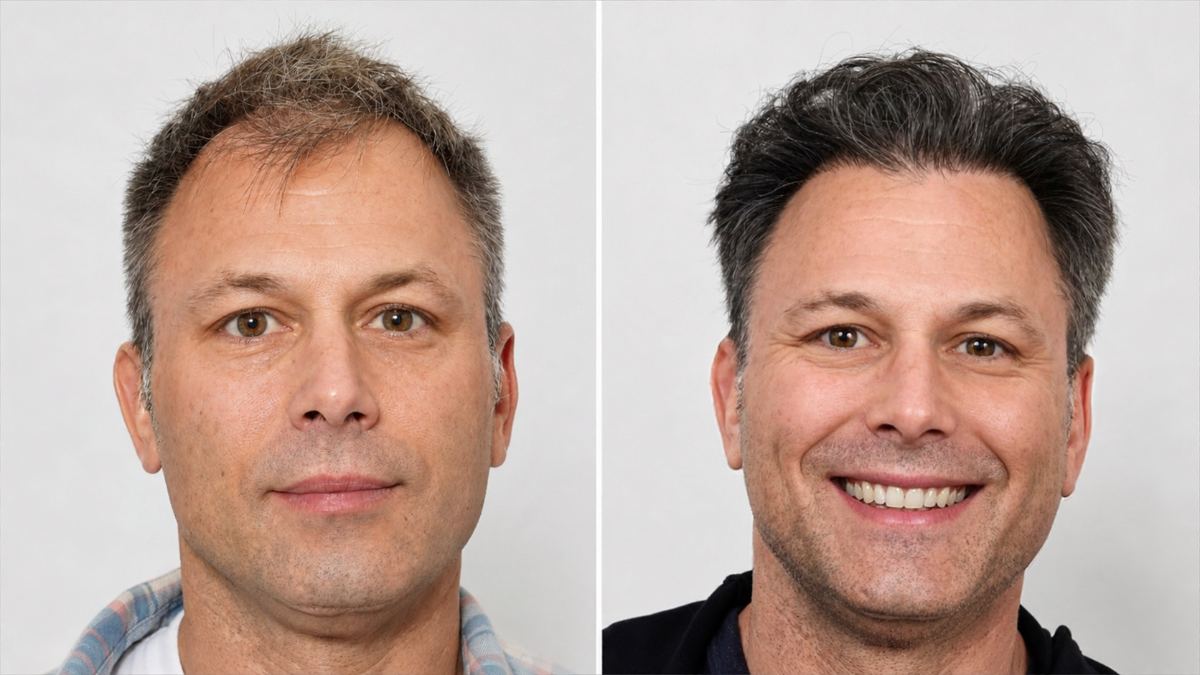
Scott H. · 2,500 Advanced FUE™ grafts
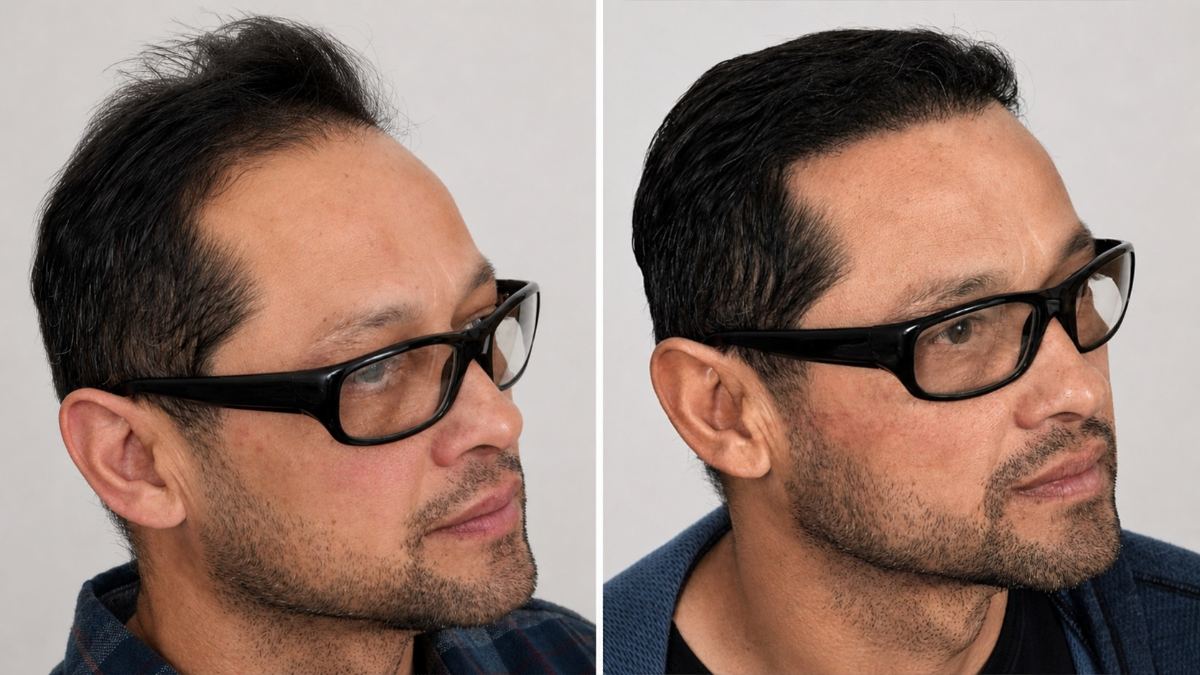
Madison T. · 3,300 Advanced FUE™ grafts
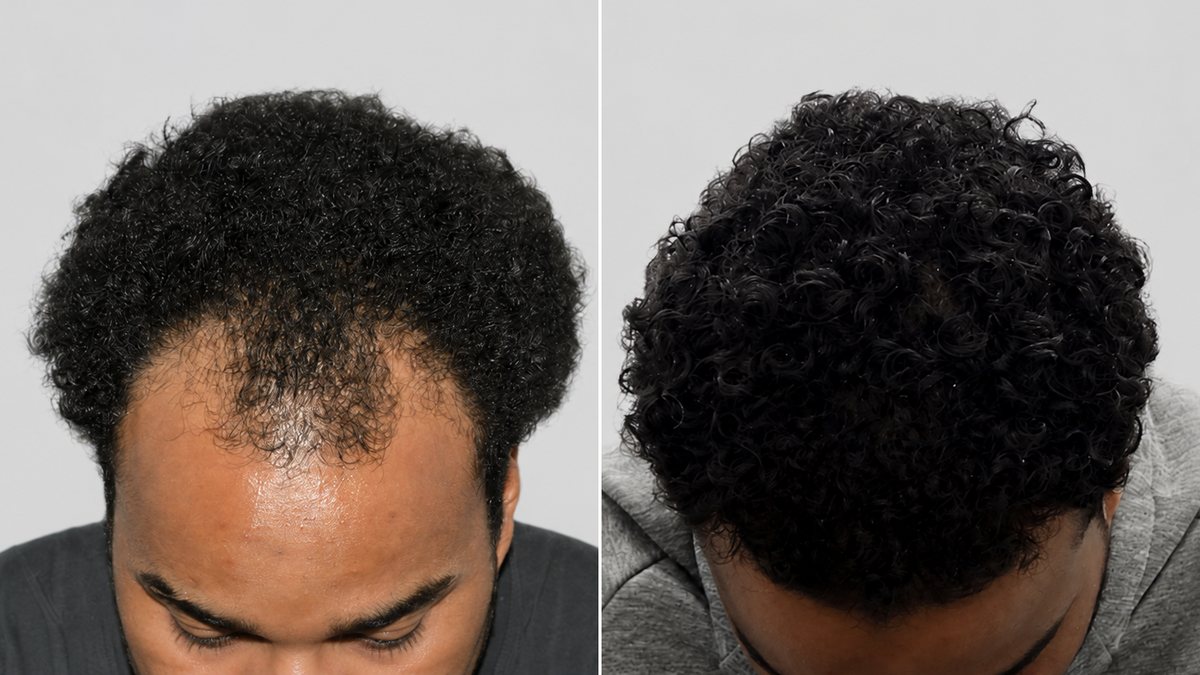
AJ S. · 2,500 Advanced FUE™ grafts
Individual results may vary.
Next step
Get a personalized assessment
The only way to know your graft count, your cost and what your result will look like is a professional evaluation. Consultations are free, and you meet a real expert, not a salesperson.