
Diabetes and Hair Loss: Understanding the Connection

Hair Loss Science
Diabetes and Hair Loss: Understanding the Connection
Does diabetes cause hair loss? While not directly responsible, diabetes and prediabetes can impact hair health through reduced blood flow, hormonal imbalances, and chronic inflammation.

Key takeaways
- Diabetes does not directly cause hair loss, but it can contribute through reduced blood circulation, hormonal imbalances, autoimmune conditions like alopecia areata, and stress and chronic inflammation.
- Hair loss caused by diabetes can often be reversed with medications and by getting blood sugar levels under control. Prediabetes may contribute too, and early intervention at that stage can help.
- Managing diabetes cannot stop genetic hair loss caused by DHT. If you also have pattern hair loss, combination therapy may provide the most comprehensive solution.
- For irreversible hair loss, a hair transplant can offer a permanent solution. Advanced FUE™ allows for natural-looking results, even in people managing diabetes.
Hair loss can be a distressing issue for many, and when paired with a condition like diabetes or prediabetes, the concerns often multiply. Hair loss can be a symptom of both type 1 and type 2 diabetes, and it is thought to have a few possible causes, including hormonal imbalances, poor circulation due to hyperglycemia, or an autoimmune disorder.
The good news is that hair loss caused by diabetes can often be reversed with medications and by getting blood sugar levels under control. This article explores the relationship between diabetes and hair loss, its underlying mechanisms, and what you can do to manage it effectively.
Does diabetes cause hair loss?
Diabetes does not directly cause hair loss, but it can contribute to it in several ways.
Reduced blood circulation
High blood sugar levels can damage small blood vessels, reducing blood flow to hair follicles. This deprives them of the nutrients and oxygen they need to grow, potentially leading to thinning hair or shedding.
Hormonal imbalances
Diabetes can disrupt hormonal balance, affecting the hair growth cycle. When the normal cycle is altered, hair may enter the resting phase prematurely, causing more shedding than usual.
Autoimmune conditions
People with type 1 diabetes have a higher risk of autoimmune diseases like alopecia areata, where the immune system attacks hair follicles, leading to patchy hair loss.
Stress and chronic inflammation
Managing diabetes often comes with physical and emotional stress, which can trigger or exacerbate hair loss. Chronic inflammation associated with diabetes also impacts hair follicle health.
Can controlling diabetes stop hair loss?
It’s important to differentiate between diabetes-related hair loss and patterned hair loss (androgenetic alopecia). While managing diabetes early can prevent complications that may contribute to hair thinning, such as reduced blood circulation or hormonal imbalances, it cannot stop genetic hair loss caused by DHT.
If you have patterned hair loss alongside diabetes, combination therapy may provide the most comprehensive solution. It can include:
- DHT-blocking medications
- Proper diabetes management
- Hair restoration options like FUE transplants
Consulting both an endocrinologist and a hair restoration specialist is key to tailoring an effective treatment plan.
Free consultation
Find out which kind of hair loss you have
In a free, in-person consultation, an Advanced Hair Restoration® hair loss professional examines your scalp and donor area directly, looks for signs of pattern hair loss, and maps your exact graft count if a transplant is right for you.
Prediabetes and hair loss: is there a connection?
Prediabetes, characterized by elevated blood sugar levels that haven’t yet reached diabetic thresholds, may also contribute to hair loss. The mechanisms are similar, involving impaired blood flow and low-grade chronic inflammation. Early intervention during this stage can help mitigate hair-related issues.
What can you do about diabetes-related hair loss?
01
Manage blood sugar levels
The cornerstone of addressing diabetes-related hair loss is controlling blood sugar. Consistent management through diet, exercise, and medication helps maintain blood flow to hair follicles and minimizes damage.
02
Improve scalp health
Use gentle hair care products and maintain a clean, hydrated scalp. A healthy scalp fosters better hair growth.
03
Nutrition and supplements
Ensure your diet includes the vitamins, minerals, and healthy fats essential for hair health, such as biotin, zinc, and omega-3 fatty acids. If deficiencies are suspected, consult a doctor about supplements.
04
Consider medications
FDA-approved treatments like minoxidil (Rogaine) can be used to stimulate hair regrowth. However, consult a healthcare provider to ensure compatibility with diabetes management.
05
Consult a specialist
A dermatologist or hair restoration expert can assess your condition and recommend a tailored treatment plan. If hair loss is caused by conditions like alopecia areata, specific treatments such as corticosteroid injections may be suggested.
06
Hair transplantation
For those experiencing irreversible hair loss, procedures like hair transplantation can offer a permanent solution. Our Advanced FUE™ hair transplant allows for natural-looking results, even in individuals managing chronic conditions like diabetes.
Prevention and early intervention
The best approach is to address hair loss early. Monitoring your blood sugar levels and maintaining a healthy lifestyle can reduce the risk of complications that affect hair health. Regular check-ups with your healthcare provider can also help identify and treat underlying issues before they escalate.
Conclusion
Diabetes and prediabetes can contribute to hair loss, but the effects are manageable with the right interventions. By controlling blood sugar levels, improving scalp health, and seeking professional guidance, individuals can take meaningful steps toward preserving their hair and overall health.
If hair loss persists or worsens, consulting a hair restoration specialist is crucial for exploring advanced solutions tailored to your needs.
Questions patients ask
Diabetes and hair loss questions
Does diabetes cause hair loss?
Not directly, but it can contribute to hair loss in several ways. High blood sugar can damage small blood vessels and reduce blood flow to the follicles. Diabetes can disrupt hormonal balance and the hair growth cycle, so hair may enter the resting phase early and shed more than usual. People with type 1 diabetes have a higher risk of autoimmune diseases like alopecia areata. And the physical and emotional stress of managing diabetes can trigger or worsen hair loss, while chronic inflammation affects follicle health.
Can controlling diabetes stop hair loss?
It depends on the cause. Hair loss caused by diabetes can often be reversed with medications and by getting blood sugar levels under control, and managing diabetes early can prevent complications that may contribute to thinning. It cannot stop genetic hair loss caused by DHT, though. If you also have pattern hair loss, combination therapy with DHT-blocking medications, proper diabetes management, and hair restoration options like FUE transplants may provide the most comprehensive solution.
Can prediabetes cause hair loss?
It may. In prediabetes, blood sugar levels are elevated but have not yet reached diabetic thresholds, and the mechanisms that affect hair are similar: impaired blood flow and low-grade chronic inflammation. Early intervention at this stage can help mitigate hair-related issues.
What can you do about diabetes-related hair loss?
Start with blood sugar control through diet, exercise, and medication, which helps maintain blood flow to the follicles. Use gentle hair care products, keep your scalp clean and hydrated, and make sure your diet includes nutrients such as biotin, zinc, and omega-3 fatty acids. FDA-approved treatments like minoxidil can stimulate regrowth, but ask your healthcare provider whether they are compatible with your diabetes management. A dermatologist or hair restoration expert can recommend a tailored plan, and for irreversible hair loss, a hair transplant can offer a permanent solution.
Real Results
Simple 1 Day Treatment®. Lifetime Results.
Every photo below is a real Advanced Hair patient: Advanced FUE™, their own natural hair, Guaranteed to Grow for Life™.
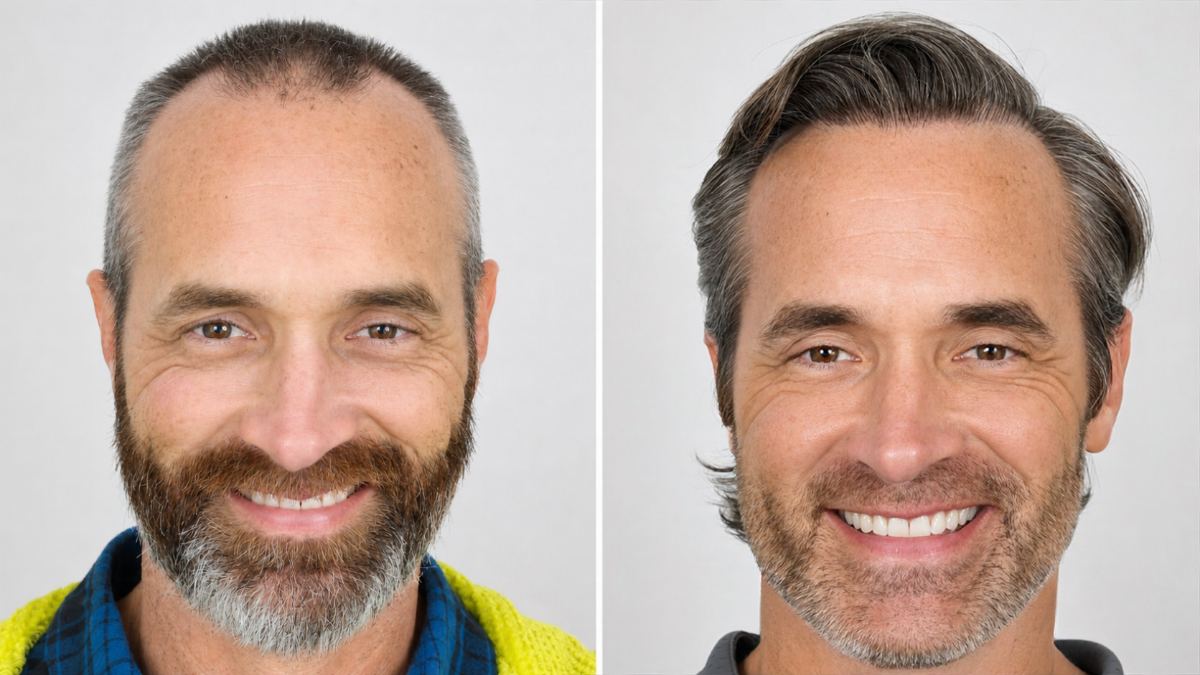
Kyle M. · 3,000 Advanced FUE™ grafts
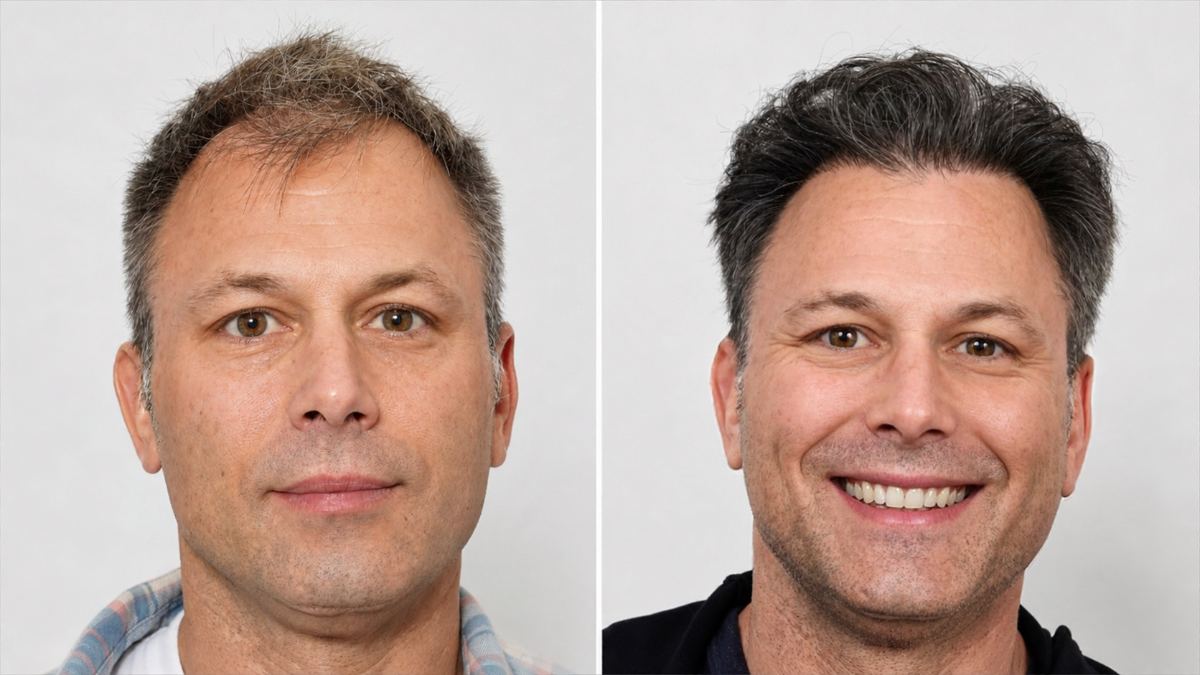
Scott H. · 2,500 Advanced FUE™ grafts
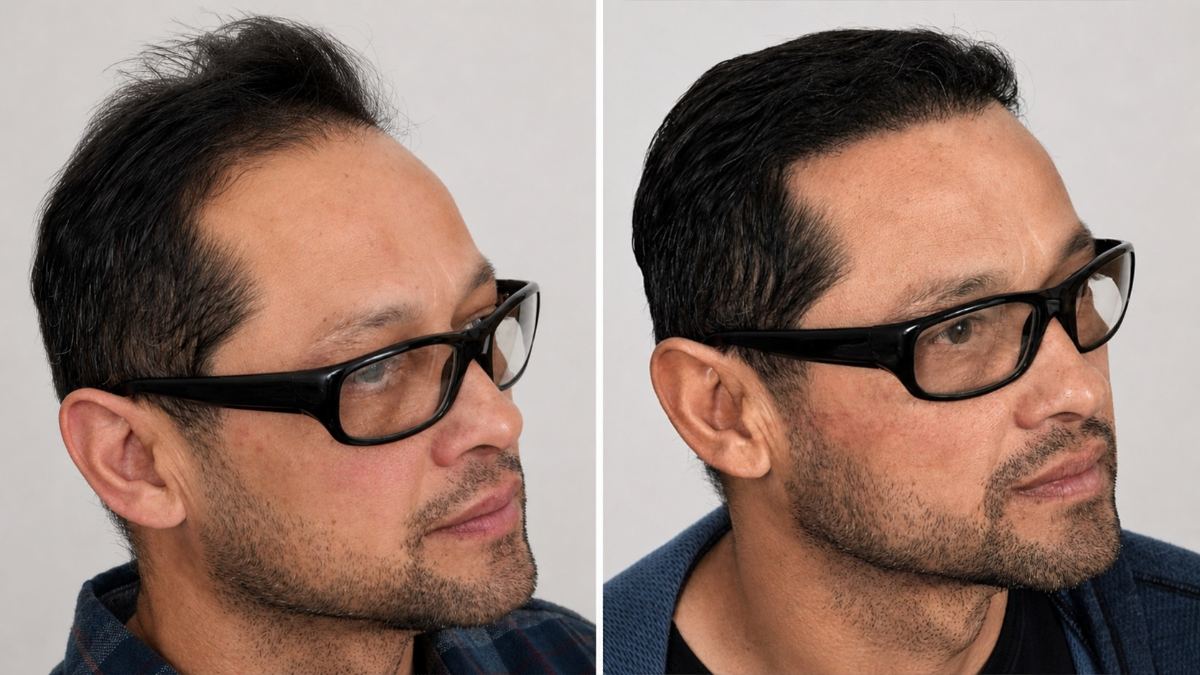
Madison T. · 3,300 Advanced FUE™ grafts
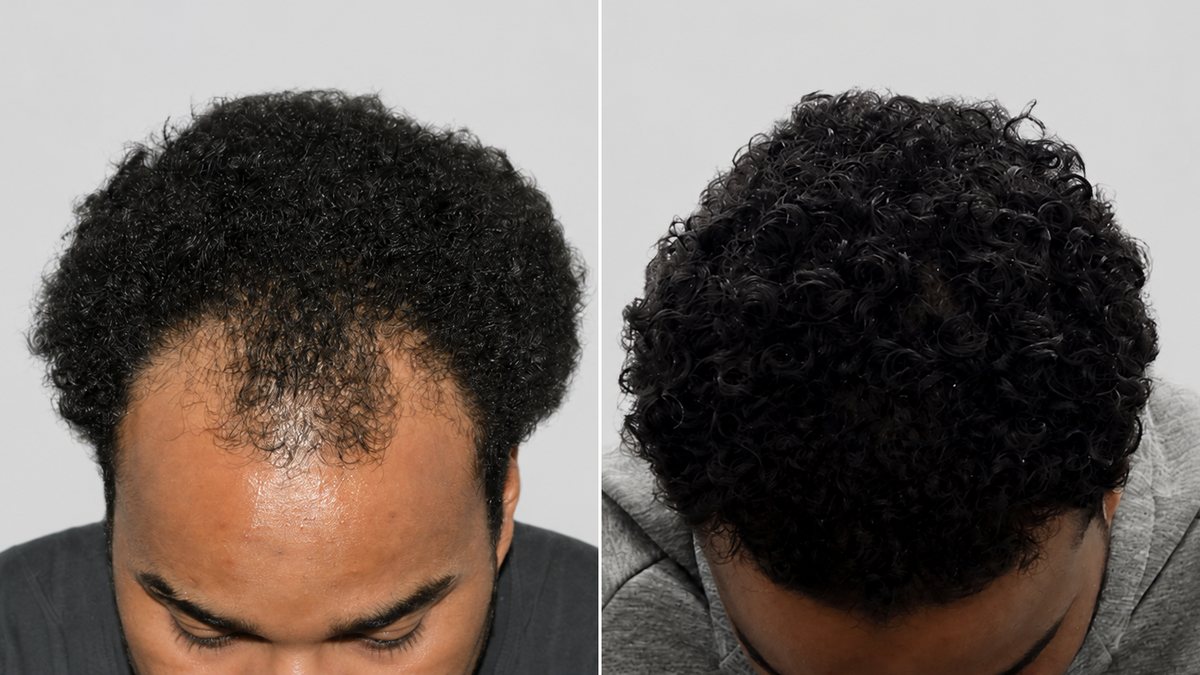
AJ S. · 2,500 Advanced FUE™ grafts
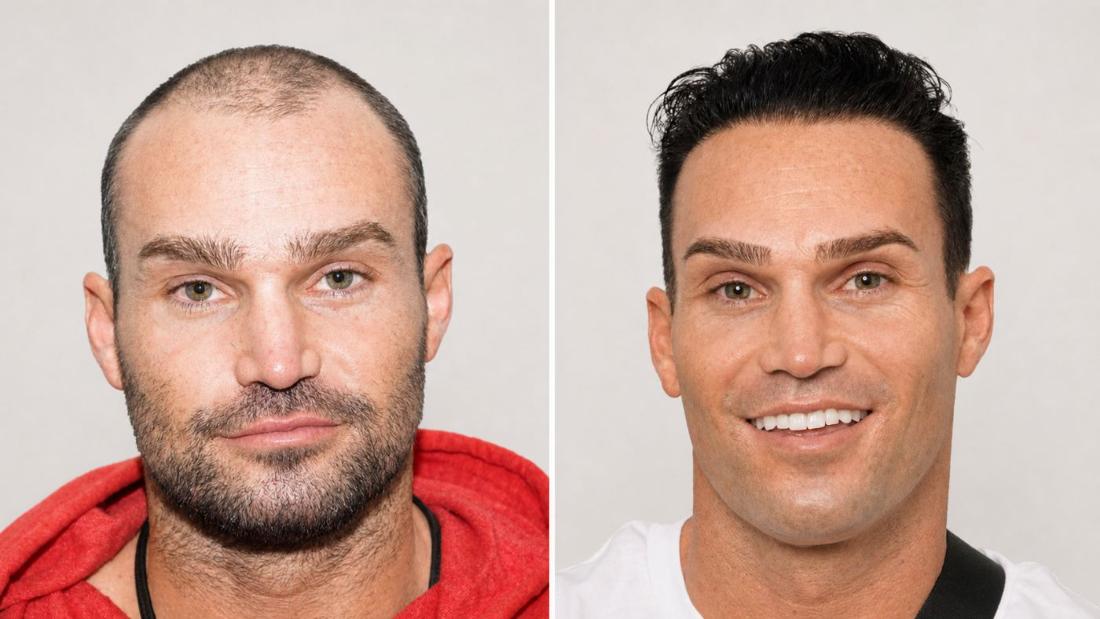
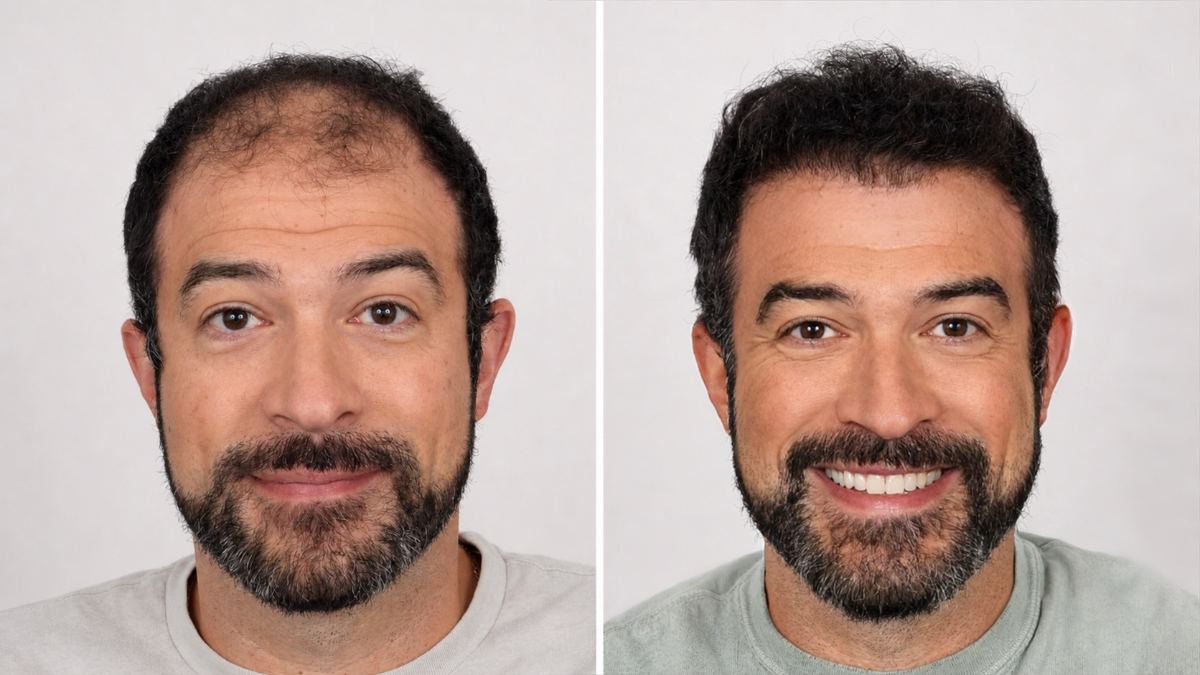
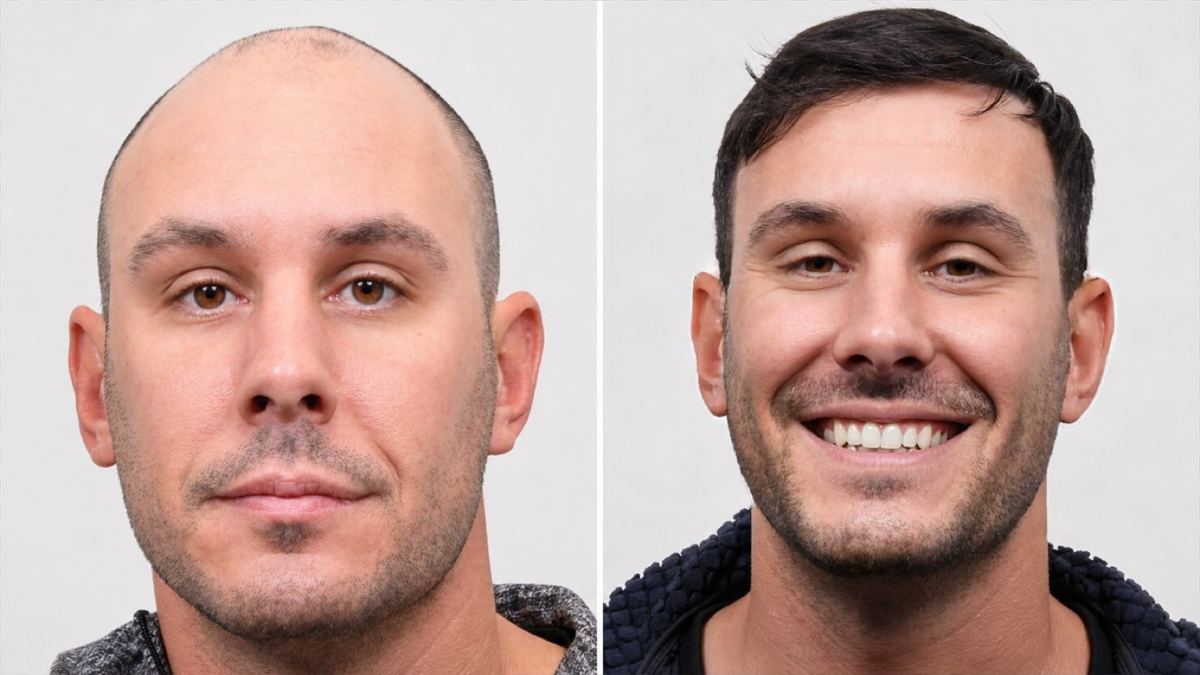
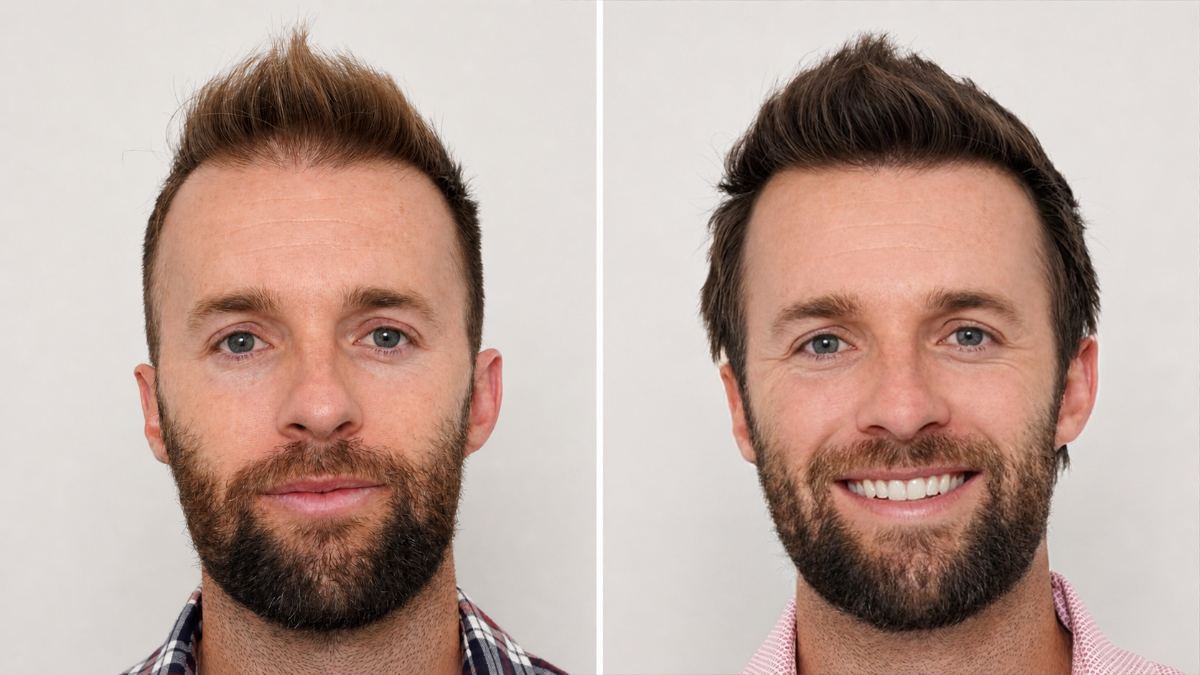
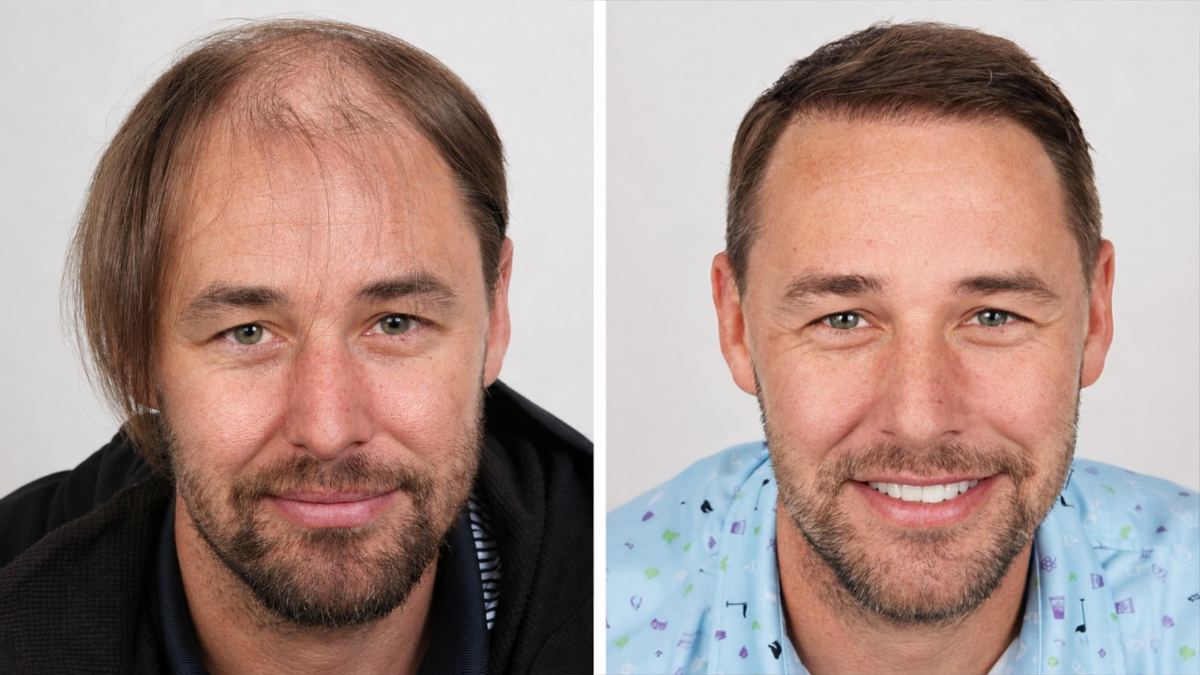
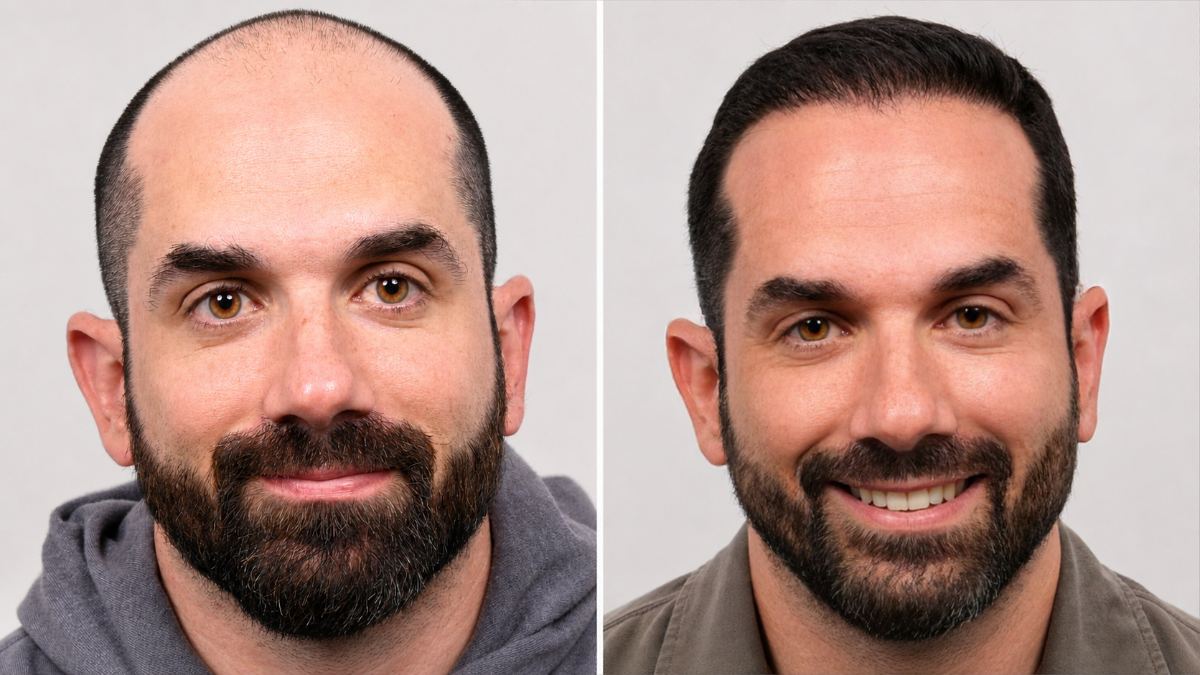
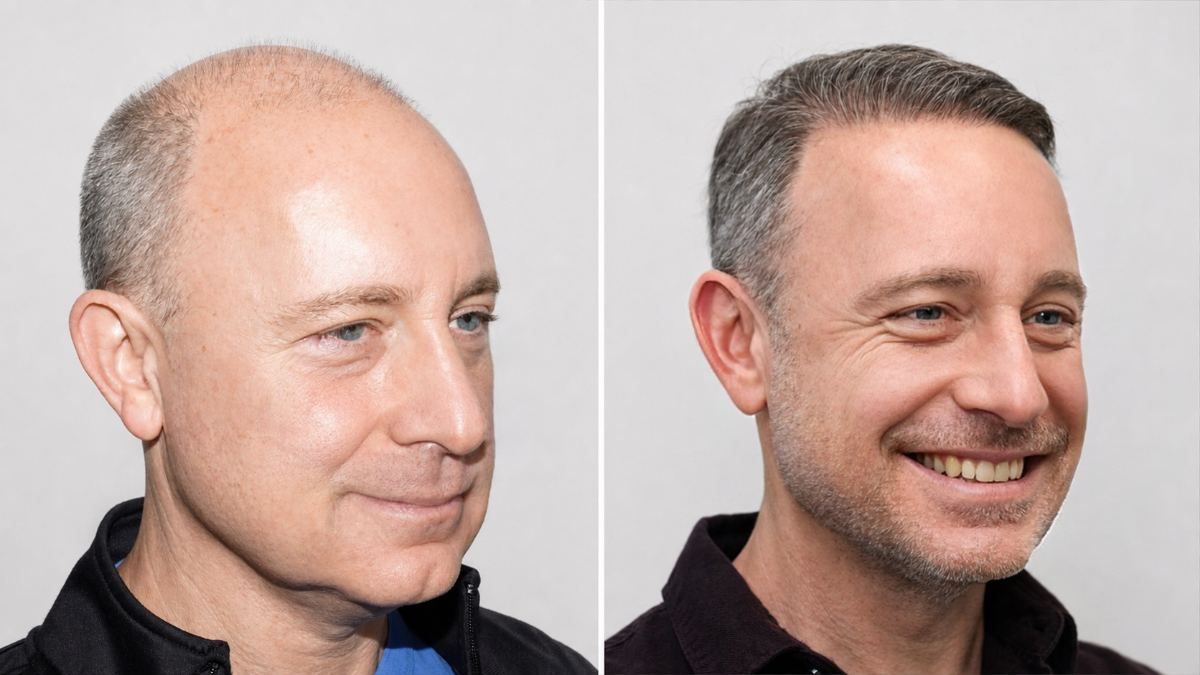
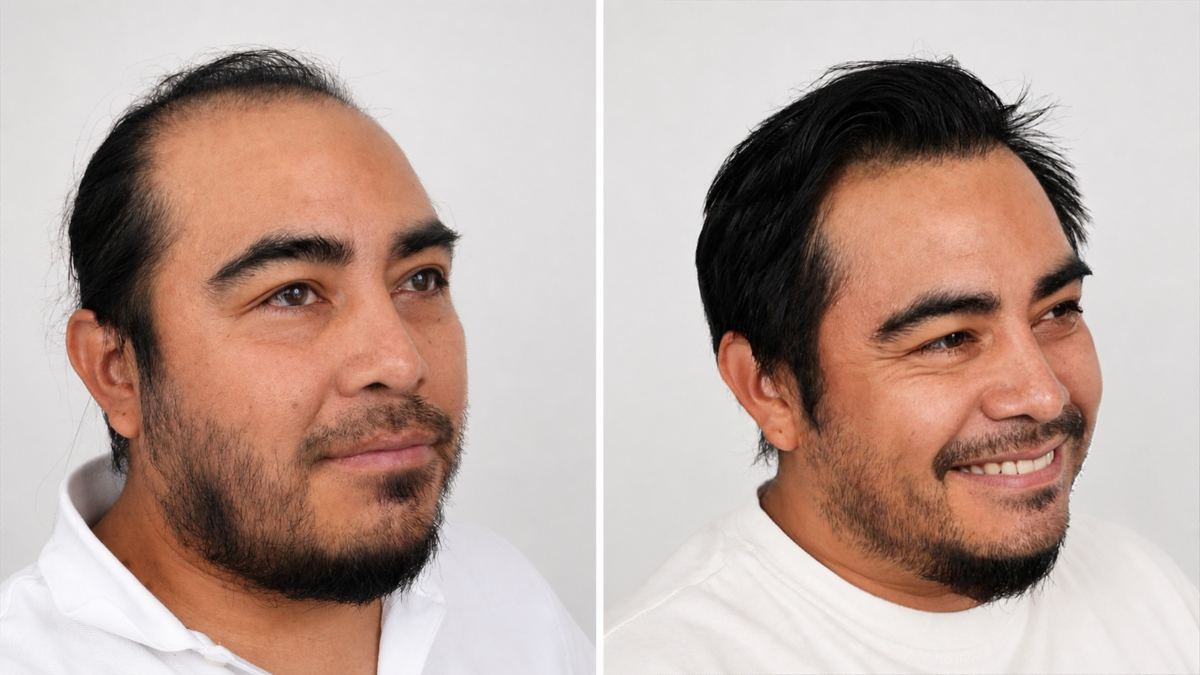
Individual results may vary.
Next step
Take the next step for your hair
Whether your hair loss is diabetes-related, genetic, or both, an Advanced Hair Restoration® specialist can help you explore solutions tailored to your needs. Consultations are free and in person, so a hair loss professional can examine your scalp and donor area directly and map your exact graft count.