
Can Ozempic Cause Hair Loss? Understanding GLP-1 and Hair Loss

Hair Loss Science
Can Ozempic Cause Hair Loss? GLP-1 and Hair
The medication does not attack your follicles. The speed of the weight loss does. What GLP-1 users should know about shedding, and when it points to something permanent.

Key takeaways
- GLP-1 medications such as Ozempic do not typically damage follicles directly. Rapid weight loss triggers telogen effluvium, or stress shedding.
- Up to 30% of growing hairs can enter the resting phase at once. Shedding shows up about 3 months later.
- For most people it is temporary. Density returns over 6 to 12 months once weight stabilizes.
- If hair comes back thinner or not at all, the shedding has unmasked pattern hair loss, which needs a permanent solution.
Ozempic and its relatives have changed medical weight management, and the transformations are celebrated. Some patients also report a side effect that is not on the box: sudden hair shedding. If you are on a GLP-1 medication and seeing more hair in the brush or the drain, you are not alone, and the connection between rapid weight loss and thinning hair is well established.
What a GLP-1 medication is
Ozempic belongs to a class called GLP-1 receptor agonists. Developed to manage type 2 diabetes, they proved highly effective for weight loss by mimicking a hormone that slows digestion and signals fullness. The medication works. The rapid physical change it produces is what can disrupt the hair cycle.
The real cause: telogen effluvium
When the body loses a lot of weight quickly, or caloric intake drops suddenly, it reads the change as physical stress and moves energy away from non-essential functions. Growing hair is one of them. The result is telogen effluvium: a large share of actively growing follicles, up to 30%, shifts early into the resting phase. Roughly three months later those hairs shed at once.
Up to 30%
of growing hairs pushed into rest
3 to 4 months
from weight loss to visible shedding
6 to 12 months
for density to return once weight stabilizes
Is it permanent?
For most people, no. Shedding typically starts three to four months after the weight loss begins. Once your weight stabilizes and your body adapts to its new nutritional baseline, the shedding stops and new hair grows in over the following six to twelve months.
When to be concerned
Severe shedding can unmask underlying androgenetic alopecia. If you have a genetic predisposition to pattern hair loss, the hair may grow back thinner, or not at all. If density does not return after your weight has stabilized, the temporary stress accelerated a permanent condition.
Free consultation
You changed your health. Keep your hair.
An Advanced Hair Restoration® expert can tell whether your shedding is temporary or has revealed pattern loss, and what to do about either. Consultations are free.
Protecting your hair during weight loss
- Prioritize protein. Hair is mostly keratin, a protein. When appetite drops, make sure the calories you do eat are protein-rich.
- Watch for deficiencies. Rapid loss can drop iron, zinc and vitamin D, all linked to shedding. Ask your prescriber to check levels.
- Give it time, then act. Shedding that continues past six months, or a hairline that keeps moving, deserves a specialist's evaluation.
When to see a hair restoration specialist
If you have reached your weight goals but feel you sacrificed your hair along the way, it is time for a professional look. Our medical team diagnoses the exact cause of your loss. Whether you need medical management to support dormant follicles or a permanent fix such as Advanced FUE™ to rebuild a thinned hairline, you leave with a plan. You worked hard to improve your health. Your hair should show it.
Questions patients ask
GLP-1 and hair questions
Does hair loss happen with all GLP-1 medications?
The trigger is rapid weight loss, not one brand. Any medication or diet that produces fast loss can cause telogen effluvium.
Should I stop taking Ozempic if my hair is shedding?
That is a decision for you and your prescriber. Shedding from telogen effluvium usually resolves once weight stabilizes, whether or not the medication continues.
Will a hair transplant help?
Not for temporary shedding, which regrows on its own. If the episode revealed permanent pattern loss, Advanced FUE™ restores density with your own DHT-resistant hair, Guaranteed to Grow for Life™.
Real Results
Simple 1 Day Treatment®. Lifetime Results.
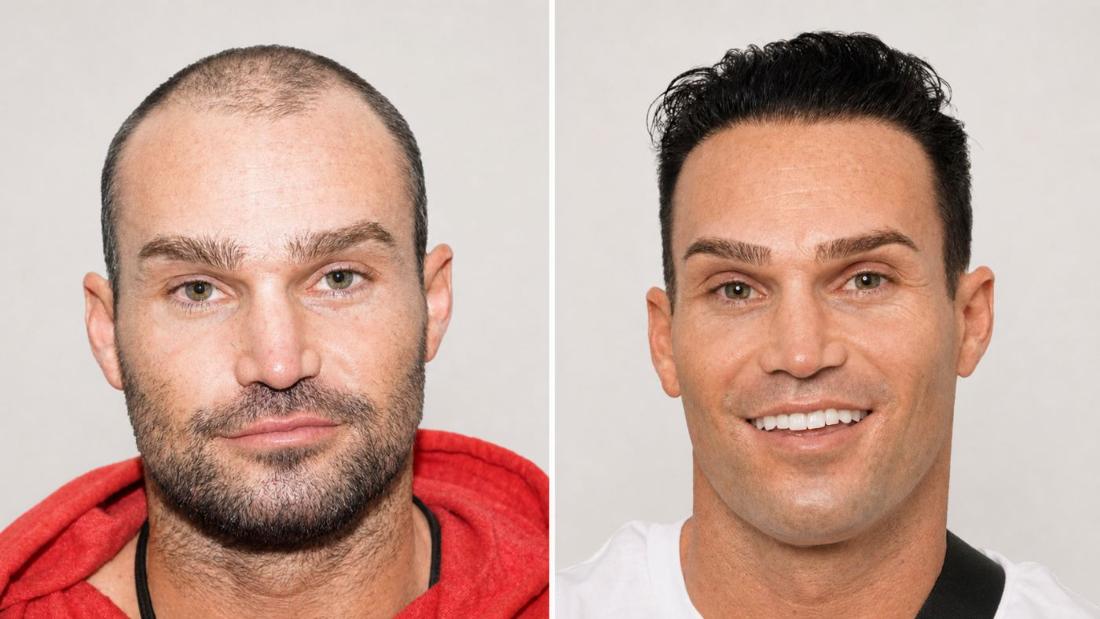
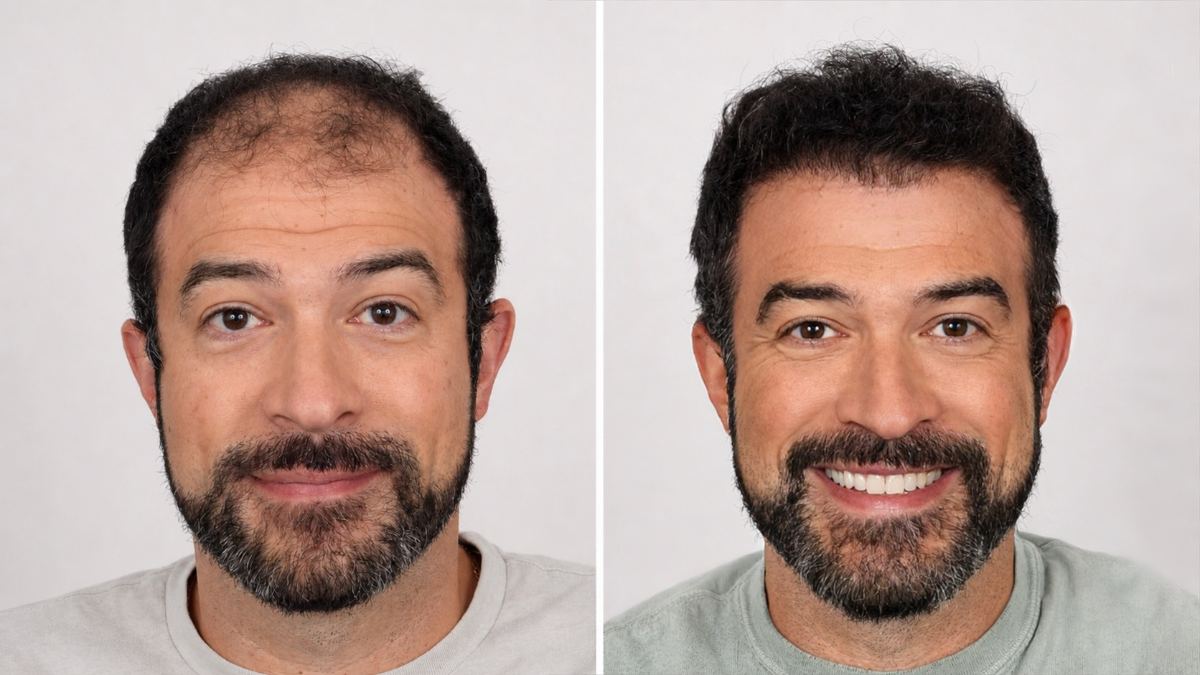
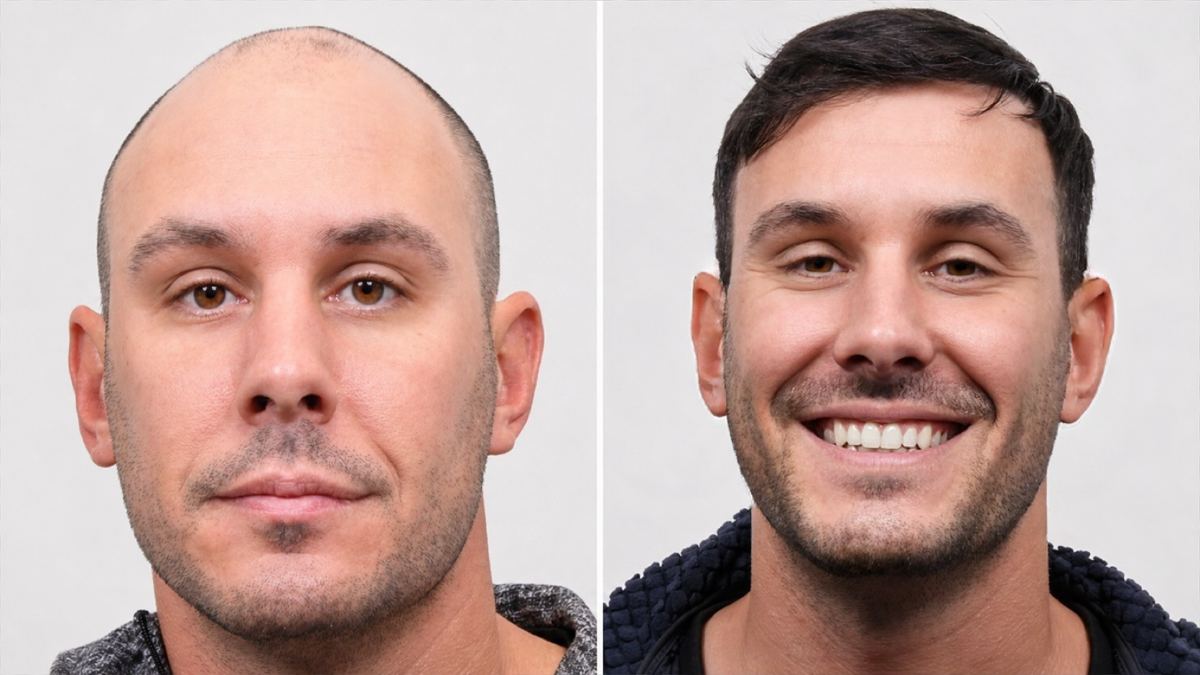
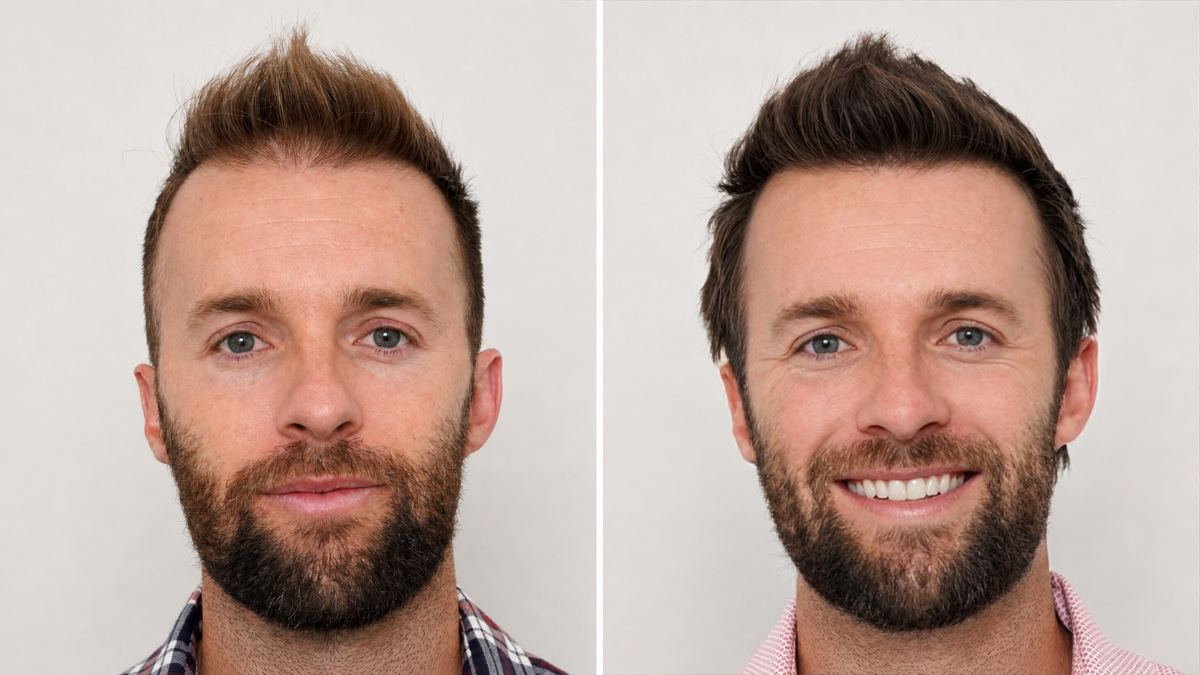
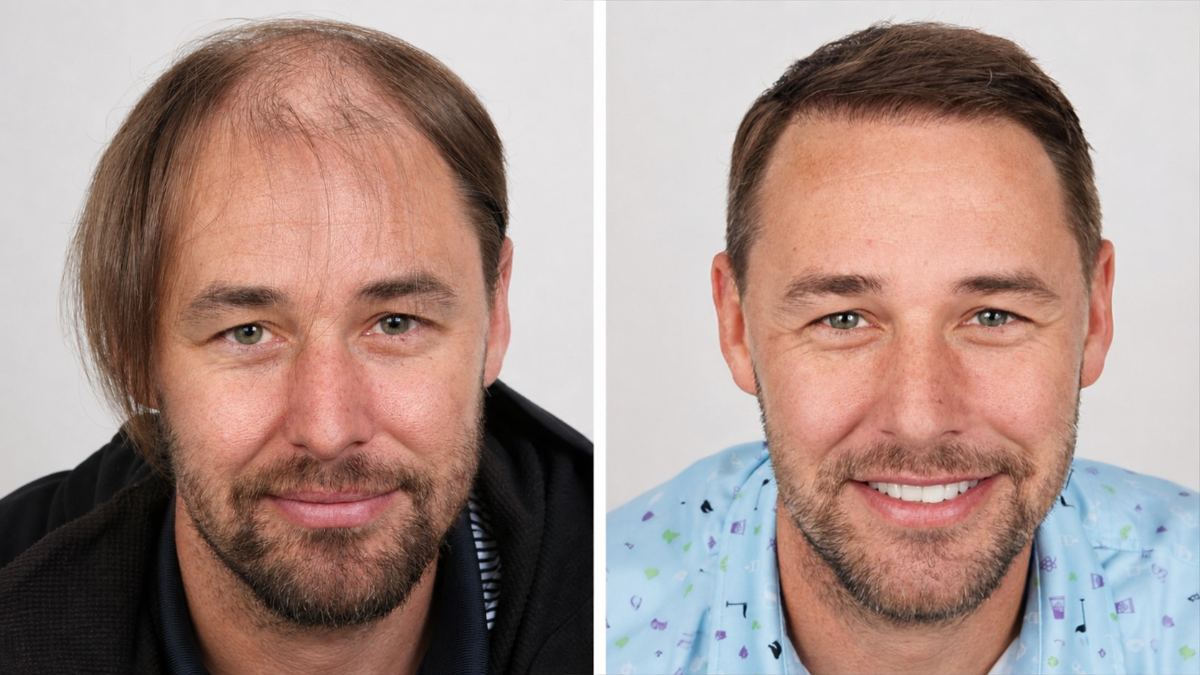
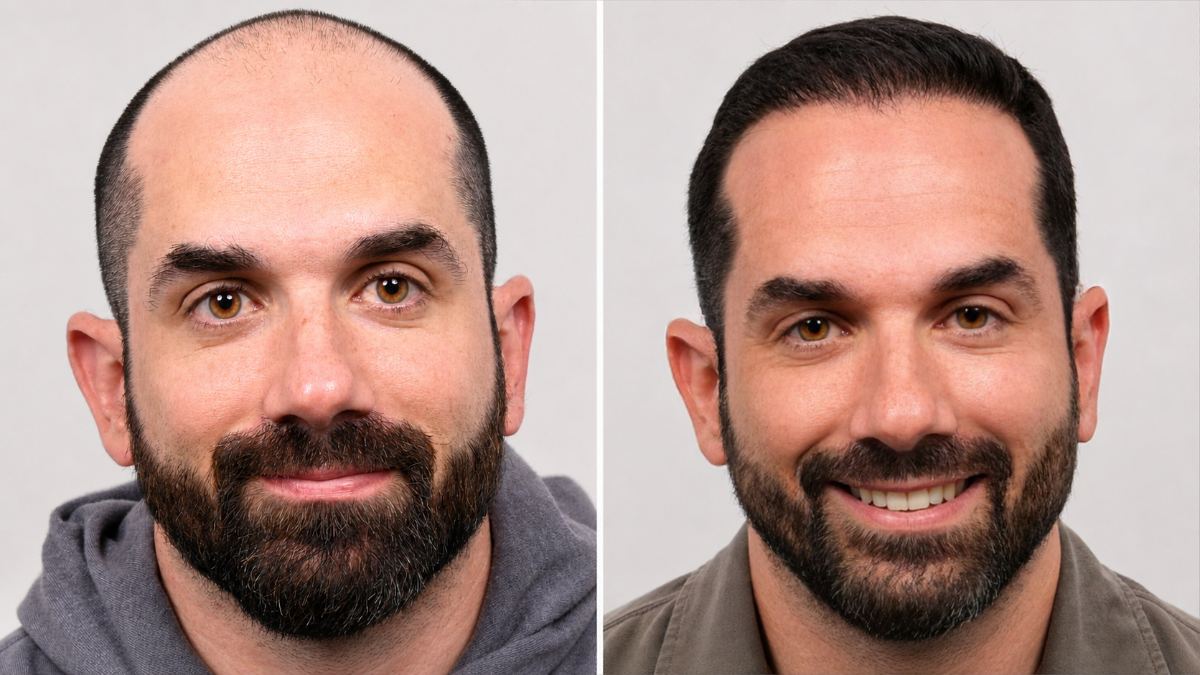
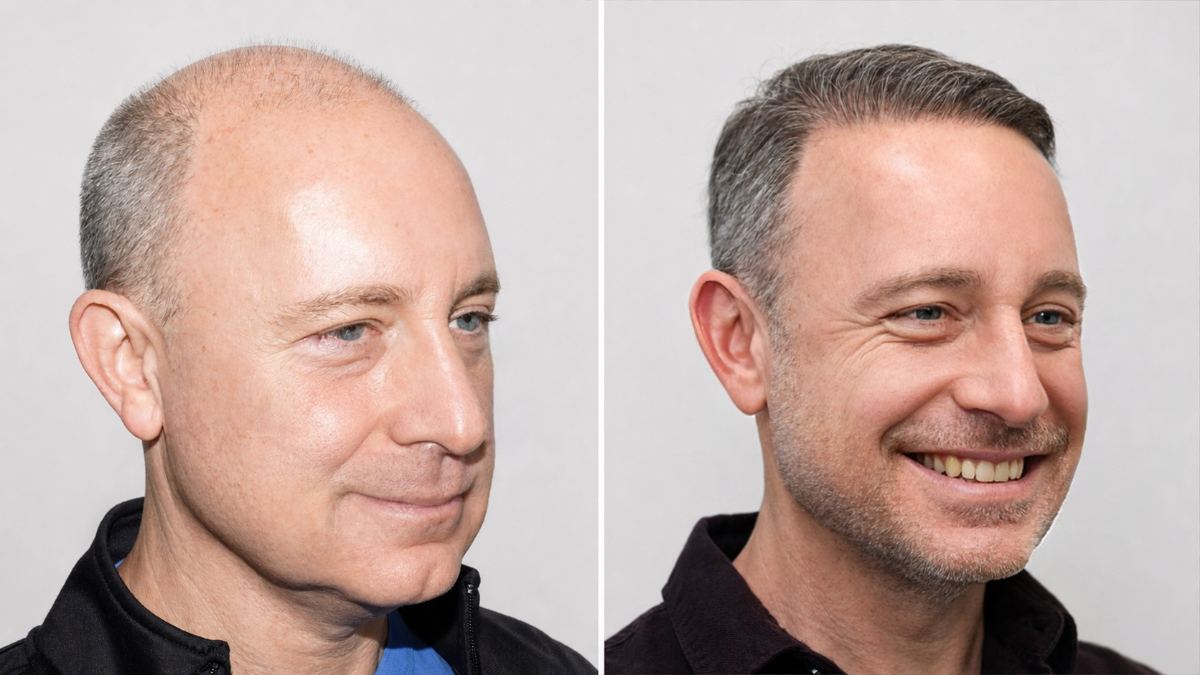
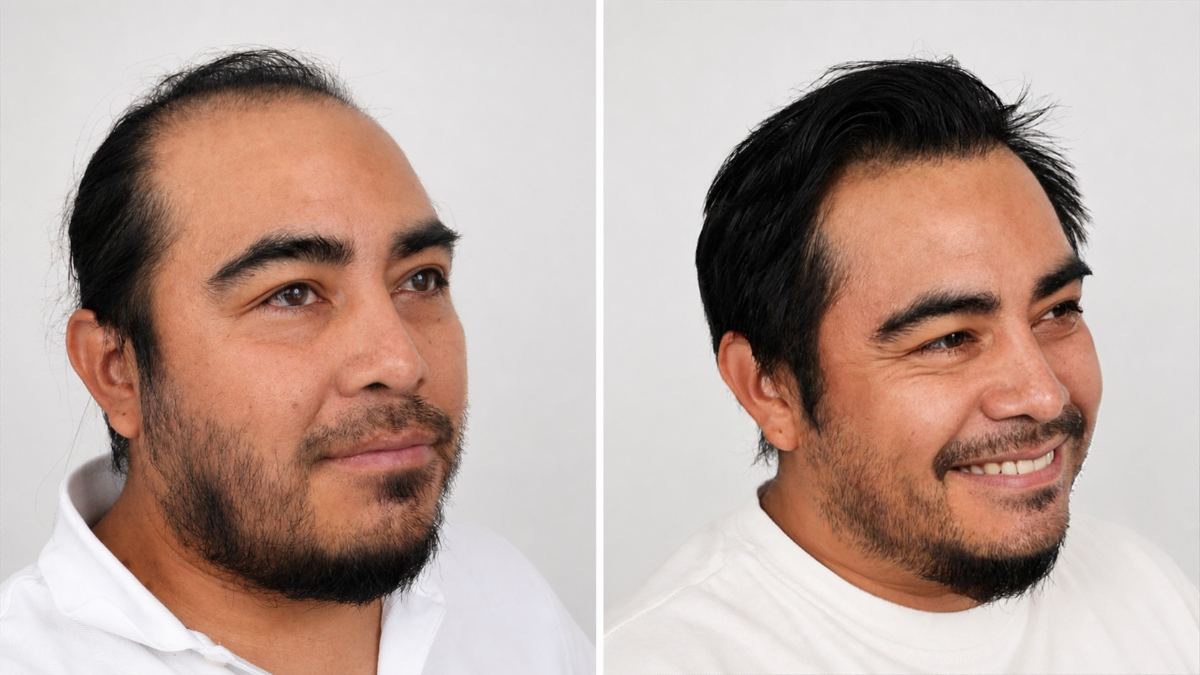
Every photo below is a real Advanced Hair patient: Advanced FUE™, their own natural hair, Guaranteed to Grow for Life™.
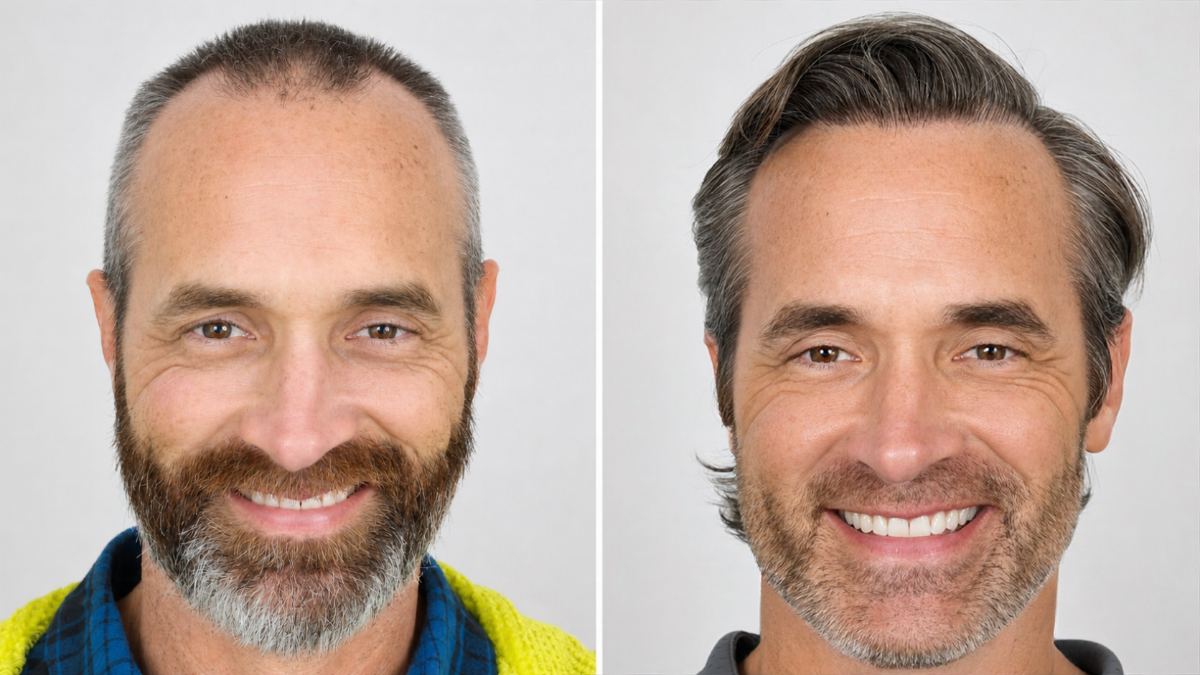
Kyle M. · 3,000 Advanced FUE™ grafts
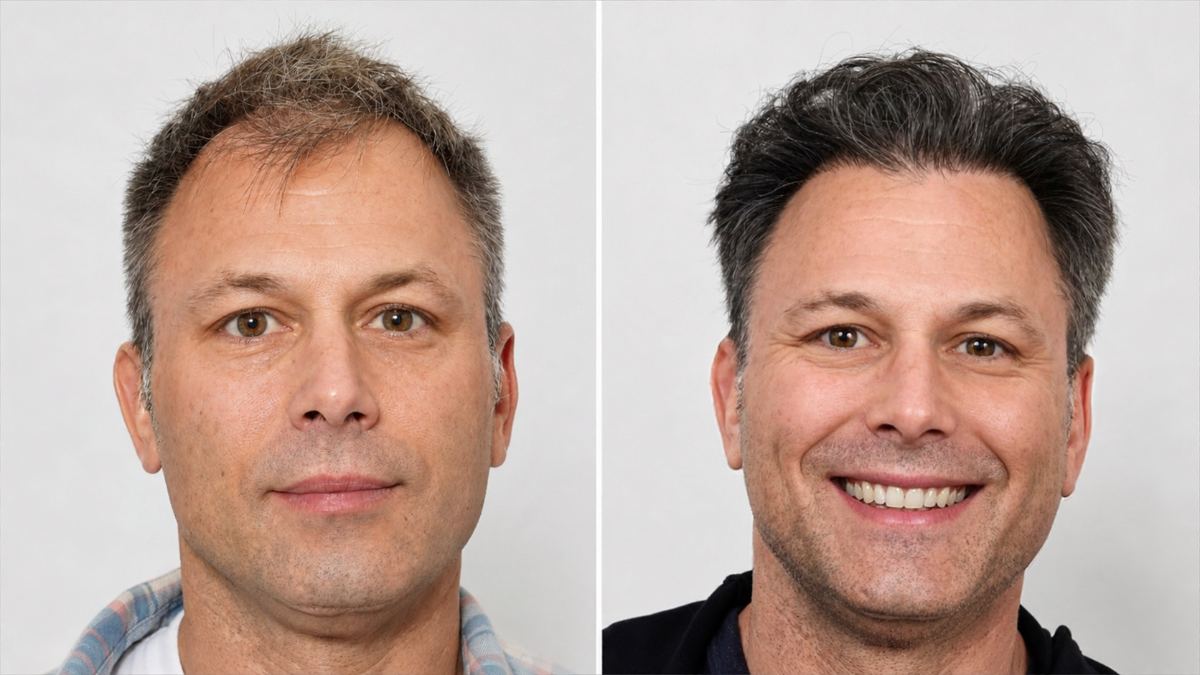
Scott H. · 2,500 Advanced FUE™ grafts
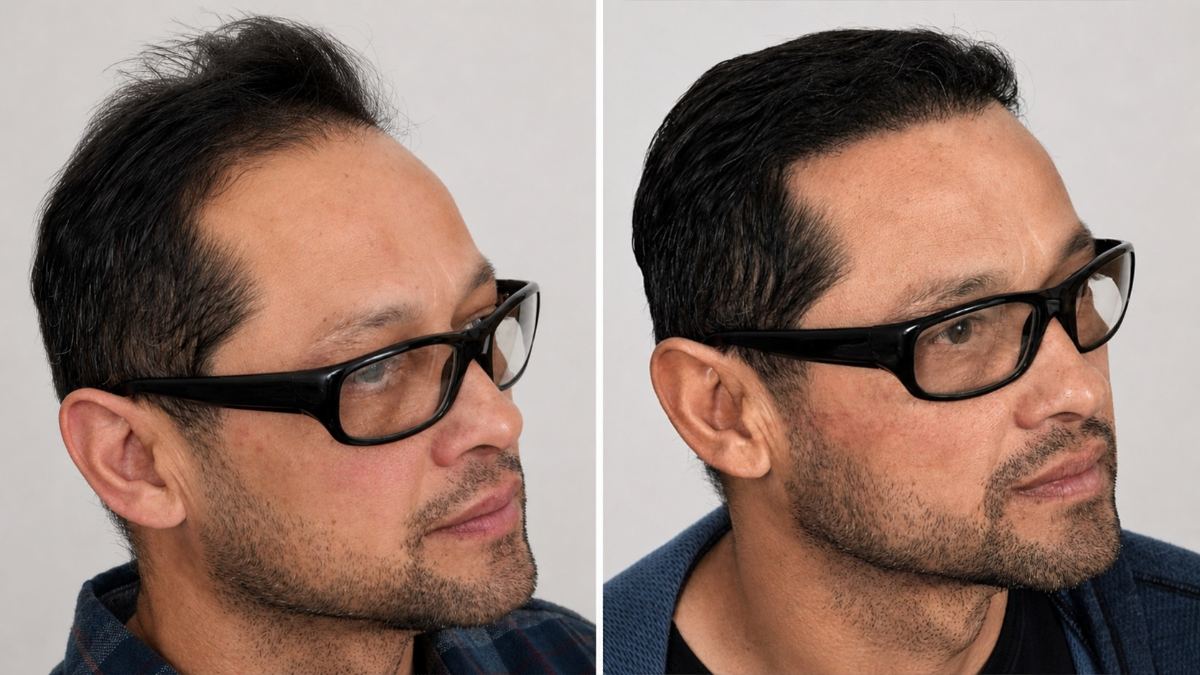
Madison T. · 3,300 Advanced FUE™ grafts
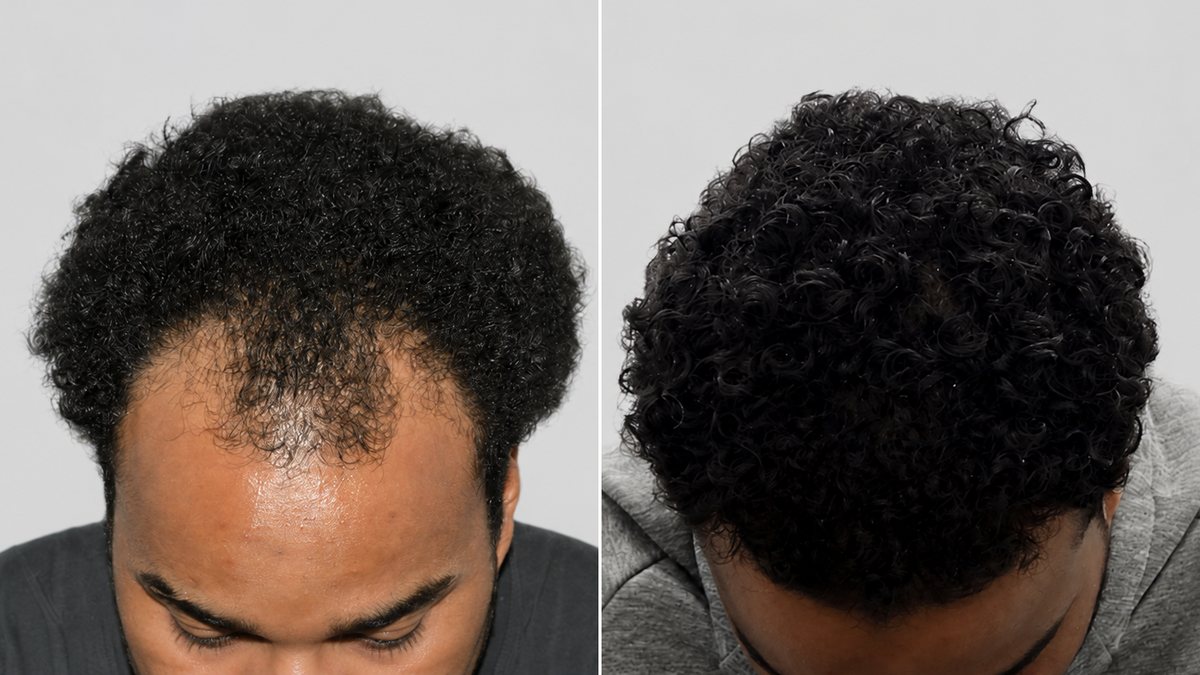
AJ S. · 2,500 Advanced FUE™ grafts
Individual results may vary.
Next step
Get a personalized assessment
The only way to know your graft count, your cost and what your result will look like is a professional evaluation. Consultations are free, and you meet a real expert, not a salesperson.