

The Procedure
Understanding Hair Plugs: Are They Still Relevant in Hair Restoration?
Hair plugs were the early answer to baldness, but they’re now obsolete. Discover how today’s hair transplant techniques deliver natural, refined results.

Key takeaways
- Hair plugs were the go-to method in the 70s, 80s and into the 90s: round “plugs” of skin, each containing multiple hair follicles, moved from the donor area into thinning or balding zones.
- The results often looked tufted and unnatural, and clinics phased plugs out years ago. Someone who says they “got hair plugs” today most likely means a modern hair transplant.
- The two procedures performed today are FUT (the strip method) and FUE (follicles harvested one by one). FUE has dethroned FUT and accounts for more than 75% of all hair transplant procedures.
- Plugs were permanent, thanks to donor dominance, but “permanent” doesn’t always mean “pretty.” Smaller grafts and artistic placement let modern hairlines blend in.
Let’s be honest, “hair plugs” is one of those phrases that’s just fun to say. It brings to mind vintage TV characters, questionable toupees, and the early days of hair restoration. But while the term is still tossed around, actual hair plugs are a thing of the past. So, what were hair plugs, and how do they compare to the sleek, advanced hair transplant techniques available today?
In this not-so-serious (but very informative) guide, we’ll cover the rise and fall of hair plugs, how they evolved, and why you should probably leave the term behind, except when joking with your buddies.
What were hair plugs, anyway?
Back in the 70s, 80s, and even into the 90s, hair plugs were the go-to method for hair restoration procedures. The procedure involved removing round “plugs” of skin (each containing multiple hair follicles) from a donor area, usually the back of the scalp, and implanting them into thinning or balding zones.
Sounds simple enough. But the results? Let’s just say... “Barbie doll hair” comes to mind. The transplanted hairs often looked tufted and unnatural, especially when placed too far apart or at odd angles.
Are hair plugs still used today?
No, hair plugs are not performed today. Clinics phased them out years ago in favor of the modern techniques that leave natural-looking results. If you hear someone say they “got hair plugs,” they probably mean they had a hair transplant, but the term stuck around like an outdated nickname. (Think: Grandpa still calls the TV remote a “clicker.”)
Hair plugs vs. modern hair transplants
Hair restoration has come a long way, and today’s techniques are light-years ahead of the old-school plug method. The two main players now are:
Follicular Unit Transplantation (FUT)
Also known as the “strip method,” FUT involves removing a thin strip of tissue from the donor area, then dissecting it into individual follicular units. These tiny grafts are placed with precision, resulting in a more natural hairline.
Follicular Unit Extraction (FUE)
FUE takes it even further: individual hair follicles are harvested one by one using a specialized device. It’s minimally invasive, leaves virtually no linear scarring, and allows for a quicker recovery.
Note
While the follicle implantation aspect of FUT and FUE is the same, FUT is no longer the preferred method for hair transplantation.
Technology and skill have evolved to the point that the FUE procedure has dethroned the FUT procedure. Today, FUE accounts for more than 75% of all hair transplant procedures performed. FUT is a more invasive procedure and leaves behind an unsightly linear scar. While there are still appropriate uses for the FUT procedure, do yourself a favor and get a second opinion if it’s recommended. For more on the differences between FUE and FUT, see our FUE vs FUT comparison.
Here is how the three methods compare:
| Method | How grafts are taken | What the result looks like |
|---|---|---|
| Hair plugs | Round “plugs” of skin, each containing multiple hair follicles, removed from the donor area | Large, round grafts spaced apart; often tufted and unnatural |
| FUT (strip method) | A thin strip of tissue removed from the donor area and dissected into individual follicular units | Tiny grafts placed with precision for a more natural hairline; leaves a linear scar |
| FUE | Individual hair follicles harvested one by one with a specialized device | Tiny grafts and strategic placement for a natural look; virtually no linear scarring |
Free consultation
See what a modern hair transplant could do for you
At a free, in-person consultation, an Advanced Hair Restoration® hair loss professional examines your scalp and donor area directly and maps your exact graft count.
For fun, would hair plugs still work?
Technically, yes, hair plugs could still “work” in the sense that transplanted hair grows. But the problem is that they don’t look great. Because the grafts are so large and spaced apart, the final result often screams “I had a procedure!” And not in a good way.
Were hair plugs permanent? Yes, they were, but “permanent” doesn’t always mean “pretty.” The same concept of donor dominance that applies to today’s hair transplants applied to hair plugs, and it is the reason transplanted hair follicles thrive in their new environment. Hair plugs were just an earlier version that allowed us to get to where we are today.
With modern FUT and FUE methods, surgeons can mimic the way hair naturally grows, using artistic placement and smaller grafts. The result? Hairlines that don’t just grow. They blend in.

From plugs to precision: the evolution of hair transplants
The hair restoration industry has moved beyond plugs and toward artistry and customization. Modern methods allow for personalized hairline design, refined density, and results that are virtually undetectable.
So while “hair plugs” might still be a fun phrase to toss around, they belong in the same category as disco balls and floppy disks: iconic, but outdated.
Conclusion: Hair plugs had their time, but thankfully we have better
Hair plugs walked so modern transplants could run. They were the beginning, but not the future. Today’s hair restoration procedures offer refined, natural results without the pluggy appearance, and our Advanced FUE™ represents the next generation of hair transplants.
So go ahead, laugh about hair plugs. Use the term if you must. Just know that if you’re serious about restoring your hair, you’ll want a clinic and technique that’s as advanced as your grooming routine: that’s Advanced Hair and Advanced FUE™.
Related reading: What to Expect at Your Hair Restoration Consultation, Understanding Donor Dominance in Hair Transplantation, FUT vs FUE: Understanding the Differences and What is Advanced FUE™?
Questions patients ask
Clearing the air on hair plugs
Were hair plugs permanent?
Yes, they were, but “permanent” doesn’t always mean “pretty.” The same concept of donor dominance that applies to today’s hair transplants applied to hair plugs, and it is the reason transplanted hair follicles thrive in their new environment. Hair plugs were just an earlier version that allowed us to get to where we are today.
What’s the difference between hair plugs and FUE?
FUE uses tiny grafts and strategic placement for a natural look. Individual hair follicles are harvested one by one using a specialized device. Hair plugs used large, round grafts with less finesse. Each was a round plug of skin containing multiple hair follicles, and the grafts were often spaced apart, which is why the results looked tufted and unnatural.
Do people still get hair plugs?
No. FUE and FUT are the two procedures performed today, and clinics phased hair plugs out years ago. If someone tells you they got hair plugs, they are most likely using the term generically or for fun.
Is FUT or FUE the preferred method today?
FUE. The follicle implantation step is the same in both, but technology and skill have evolved to the point that FUE has dethroned FUT, and FUE now accounts for more than 75% of all hair transplant procedures performed. FUT is more invasive and leaves an unsightly linear scar. There are still appropriate uses for FUT, but get a second opinion if it’s recommended.
Real Results
Simple 1 Day Treatment®. Lifetime Results.
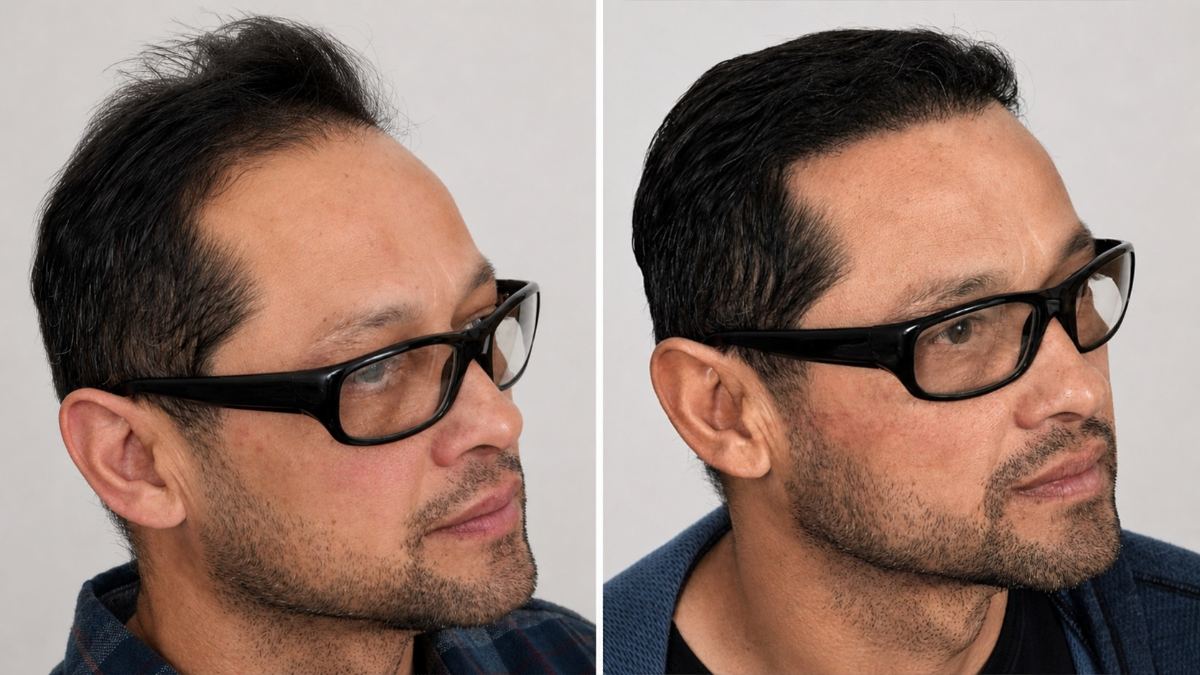
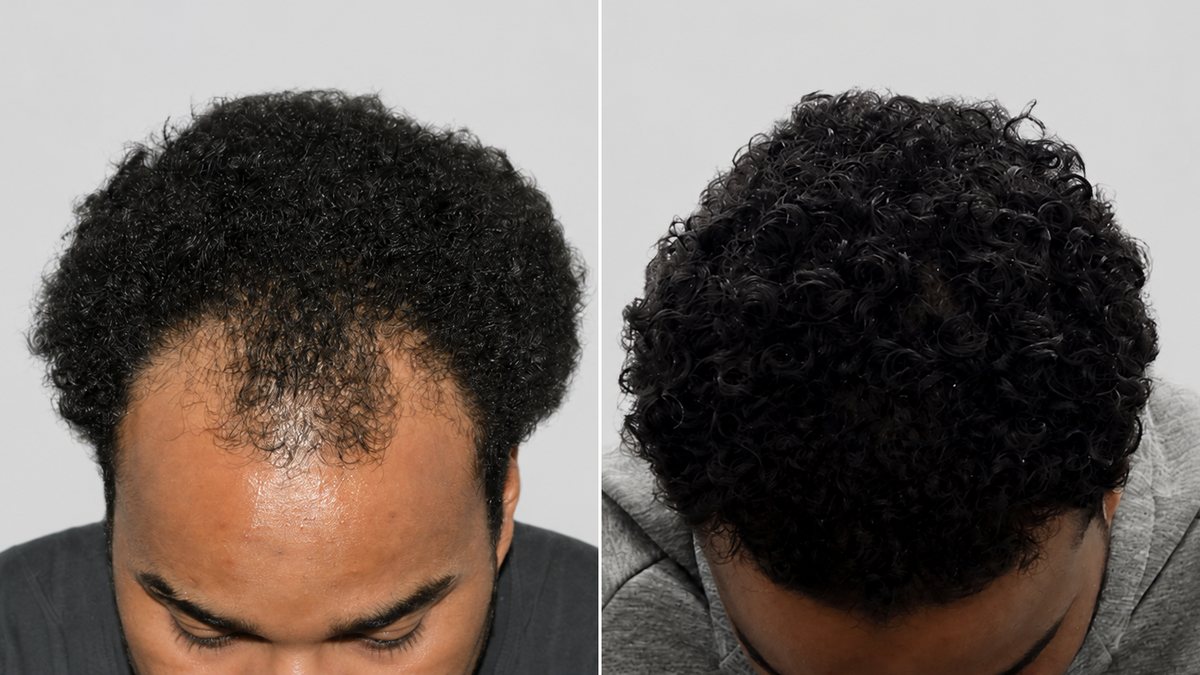
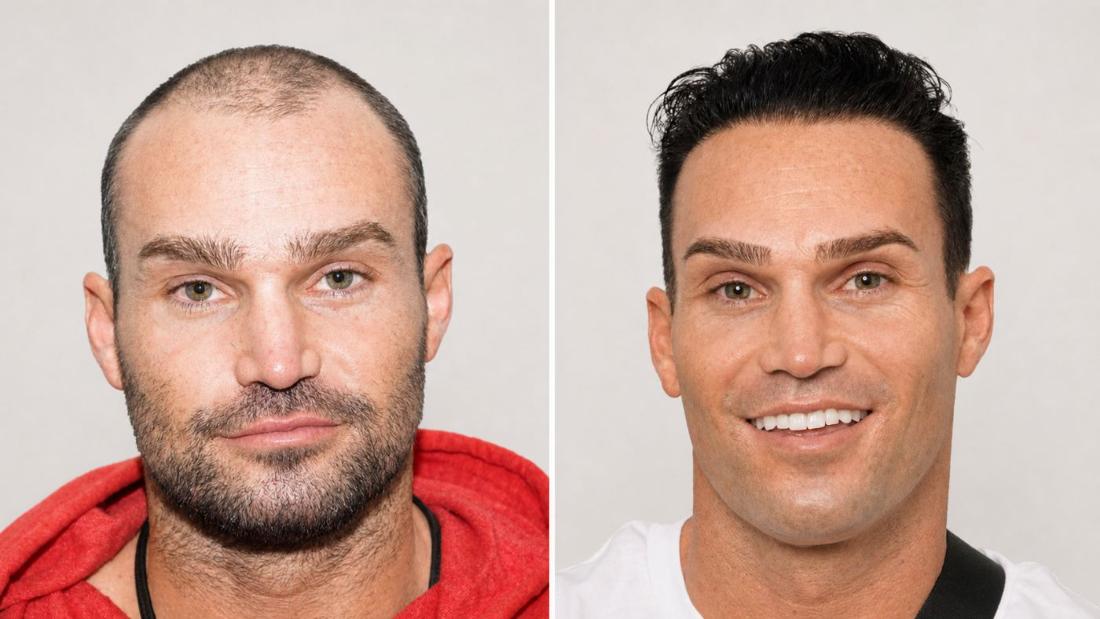
Every photo below is a real Advanced Hair patient: Advanced FUE™, their own natural hair, Guaranteed to Grow for Life™.

Kyle M. · 3,000 Advanced FUE™ grafts

Scott H. · 2,500 Advanced FUE™ grafts
Madison T. · 3,300 Advanced FUE™ grafts
AJ S. · 2,500 Advanced FUE™ grafts
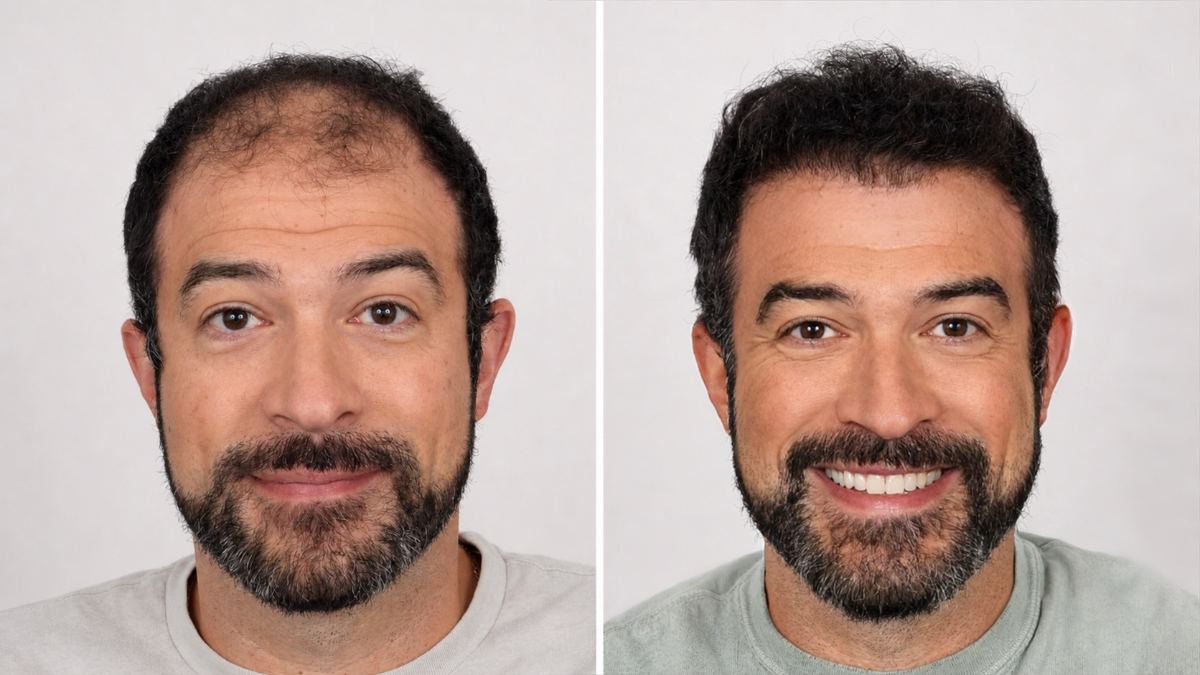
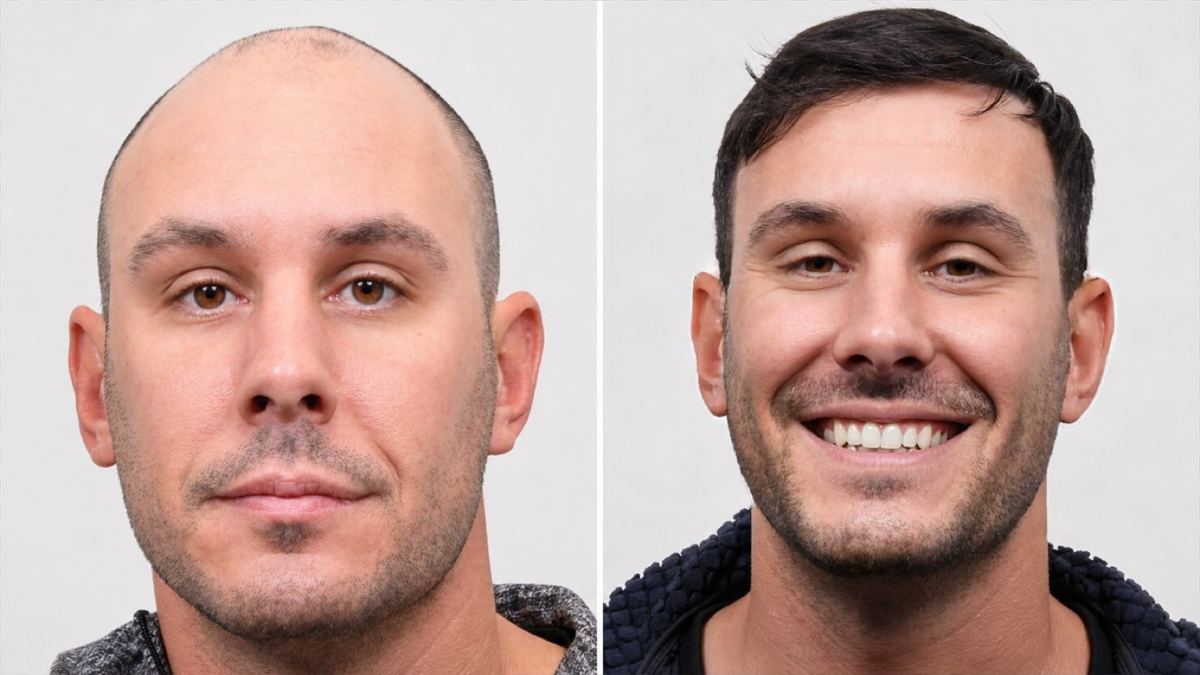
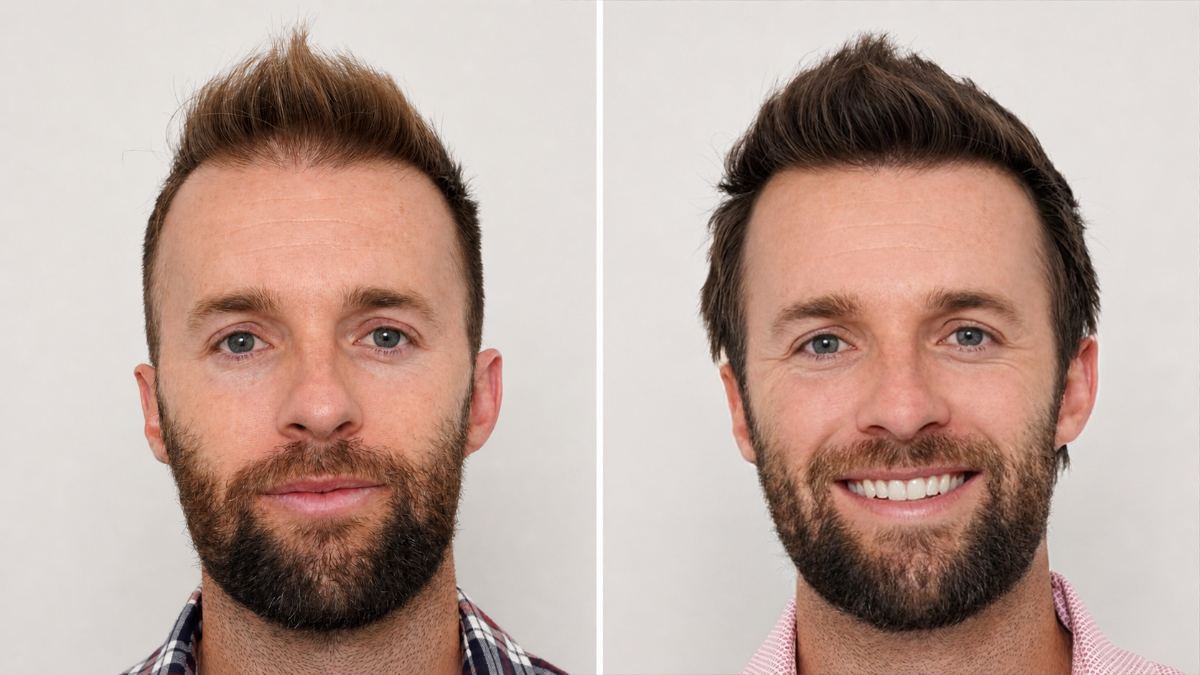
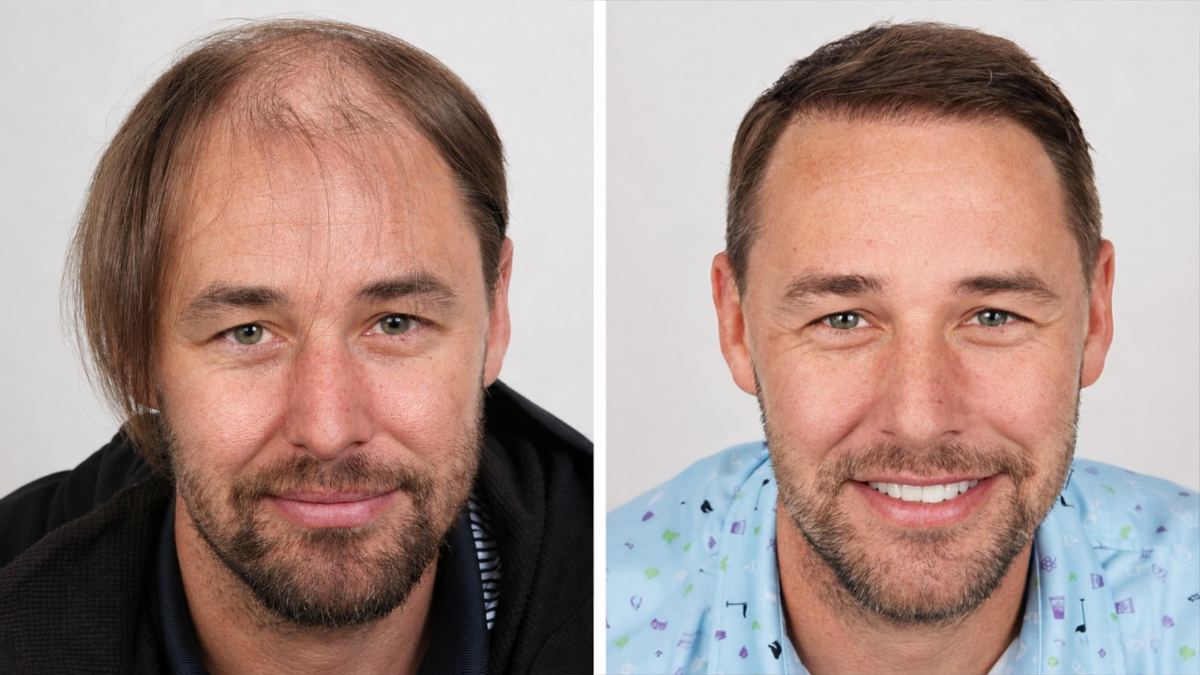
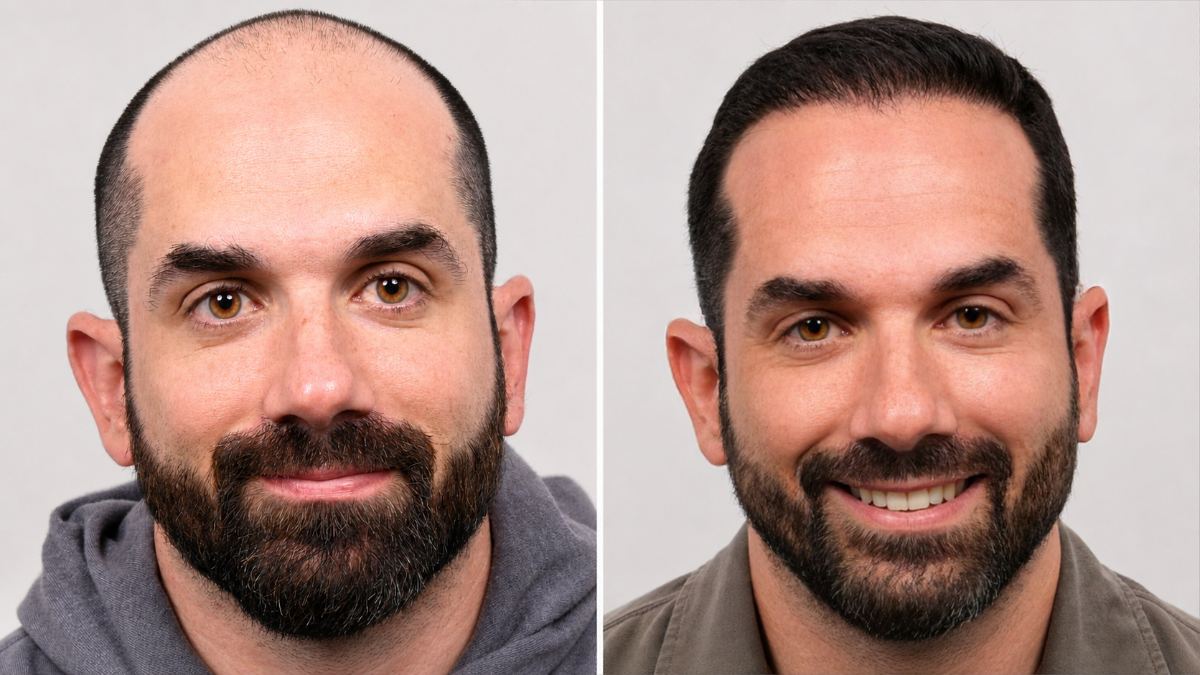
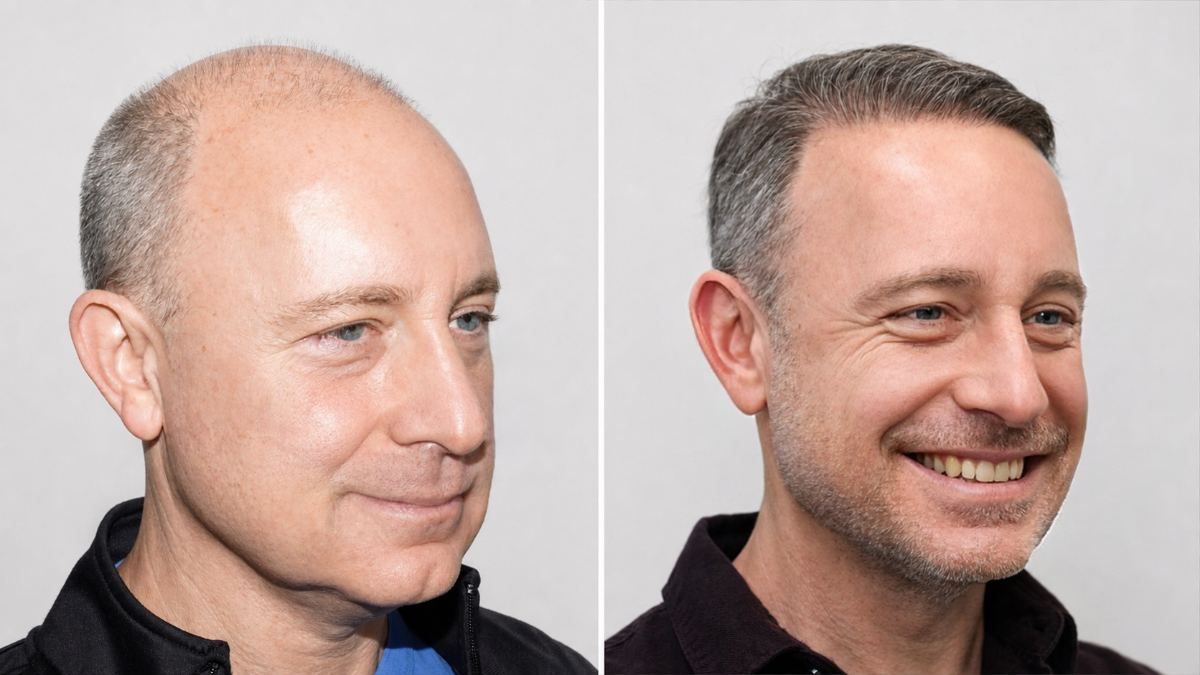
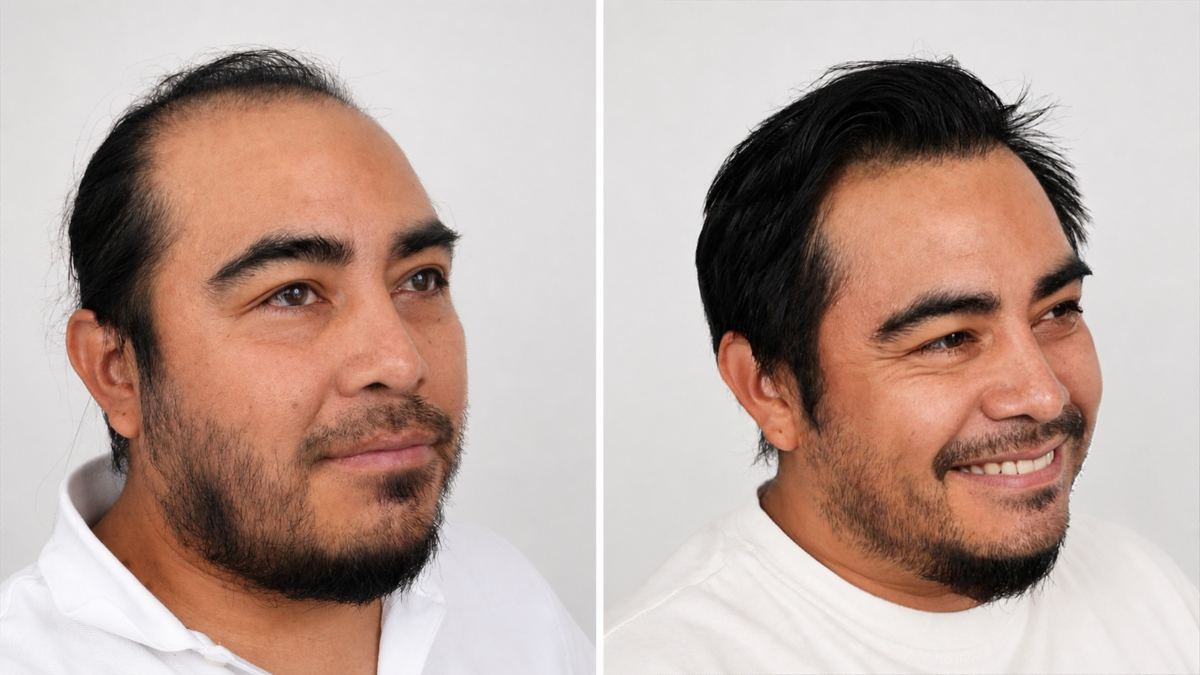
Individual results may vary.
Next step
Serious about restoring your hair?
Schedule a free consultation to learn more about Advanced FUE™ at Advanced Hair Restoration®. Consultations are in person, so a hair loss professional can examine your scalp and donor area directly and map your exact graft count.