
Hair Transplantation for M-F Transition

Women's Hair Loss
Hair Transplantation for M-F Transition
For many transgender women, achieving a full head of hair is an important part of MTF transition, yet male pattern baldness can remain a challenge even after starting hormone therapy. Here is how hair transplantation can restore a fuller, more feminine hairline, and what the process involves.

Key takeaways
- Male pattern baldness can still cause thinning hair or receding hairlines during male-to-female transition, even after starting hormone therapy. This can be distressing, as it may conflict with the desired feminine appearance.
- Hair transplantation moves healthy hair follicles from a donor area, typically the back or sides of the scalp, to thinning or balding areas to create a natural-looking, more feminine hairline and add density.
- The process runs from a personalized consultation through donor area selection and transplantation to a straightforward recovery, with most patients experiencing only mild discomfort. Results appear gradually as the transplanted hair grows naturally.
- At Advanced Hair Restoration®, care is not only expert but also sensitive to the deeply personal nature of this journey, and the goal is a look that aligns with your gender identity.
Hair plays a crucial role in how we express our identity and femininity. For transgender women (M-F), achieving a full head of hair is often an important part of their gender transition.
Addressing hair loss and enhancing feminine expression
Male pattern baldness (MPB) can present a challenge, even after starting hormone therapy. Hair transplantation offers a solution that allows transgender women to restore their hair and feel more confident in their feminine expression.
The role of hair in gender affirmation
For many transgender women, hair is a symbol of femininity and self-expression. However, MPB can still affect those undergoing male-to-female transition, leading to thinning hair or receding hairlines. This can be distressing, as it may conflict with the desired feminine appearance. Hair transplantation provides a way to restore a fuller head of hair, helping transgender women achieve a look that better reflects their gender identity.
How hair transplantation works
Hair transplantation for M-F transition involves moving hair follicles from a donor area, typically the back or sides of the scalp, to the thinning or balding areas. This procedure is designed to create a natural-looking hairline and add density to areas where hair has been lost.
01
Consultation
A personalized consultation will help determine the best approach for your hair restoration needs.
02
Donor area selection
Healthy hair follicles are harvested from areas with robust hair growth.
03
Transplantation
The follicles are carefully implanted into the thinning or balding areas to restore a fuller, more feminine hairline.
04
Recovery
The recovery process is straightforward, with most patients experiencing only mild discomfort. Full results will gradually become visible over the next few months as the transplanted hair grows naturally.
For what to expect at each stage of healing and regrowth, see our hair transplant timeline.
Free consultation
Plan a hairline that reflects who you are
At a free, in-person consultation, an Advanced Hair Restoration® hair loss professional examines your scalp and donor area directly, maps your exact graft count, and talks through your goals for a fuller, more feminine hairline.
The importance of sensitivity in care
At Advanced Hair Restoration®, we understand the unique needs of transgender women seeking hair transplantation as part of their transition. We are committed to providing care that is not only expert but also sensitive to the deeply personal nature of this journey.
Our commitment
Our goal is to help you achieve a look that aligns with your gender identity, bringing you closer to your authentic self.
Conclusion
Hair transplantation can play a crucial role in the gender affirmation process for transgender women, helping to restore a full, feminine head of hair. If you’re experiencing hair loss or thinning and are seeking a solution that aligns with your gender identity, our team is here to support you every step of the way. At Advanced Hair Restoration®, we are dedicated to helping you achieve the look you desire and the confidence you deserve.
When you are ready, schedule a free consultation. It takes place in person, because a hair loss professional needs to examine your scalp and donor area directly to map your exact graft count.
Questions patients ask
Hair transplant questions for transgender women
Can transgender women get a hair transplant?
Yes. For transgender women (M-F), achieving a full head of hair is often an important part of gender transition, and hair transplantation offers a solution that allows them to restore their hair and feel more confident in their feminine expression. If you are considering it, a personalized consultation will help determine the best approach for your hair restoration needs.
Can male pattern baldness continue after starting hormone therapy?
It can. Male pattern baldness (MPB) can present a challenge even after starting hormone therapy, and it can still affect those undergoing male-to-female transition, leading to thinning hair or receding hairlines. This can be distressing, as it may conflict with the desired feminine appearance. Hair transplantation provides a way to restore a fuller head of hair.
How does a hair transplant create a more feminine hairline?
Healthy hair follicles are harvested from a donor area with robust hair growth, typically the back or sides of the scalp, and carefully implanted into the thinning or balding areas to restore a fuller, more feminine hairline. The procedure is designed to create a natural-looking hairline and add density to areas where hair has been lost.
What is recovery like after a hair transplant?
The recovery process is straightforward, with most patients experiencing only mild discomfort. Results then become visible gradually over the following months as the transplanted hair grows naturally.
Real Results
Simple 1 Day Treatment®. Lifetime Results.
Every photo below is a real Advanced Hair patient: Advanced FUE™, their own natural hair, Guaranteed to Grow for Life™.
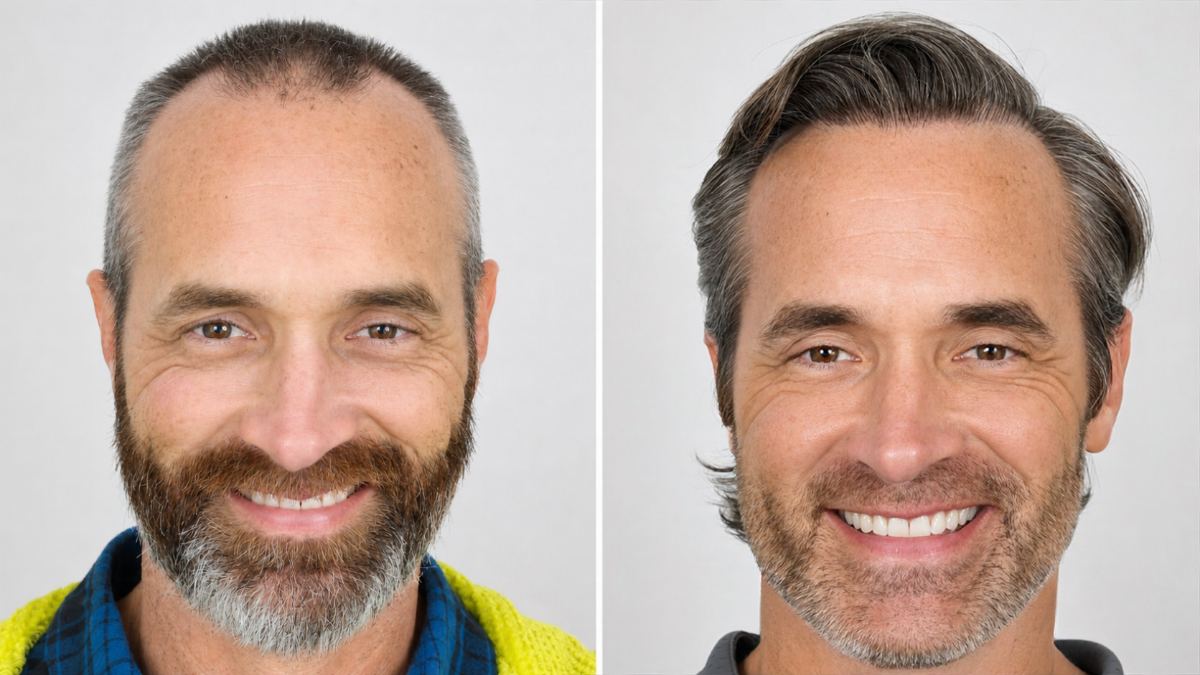
Kyle M. · 3,000 Advanced FUE™ grafts
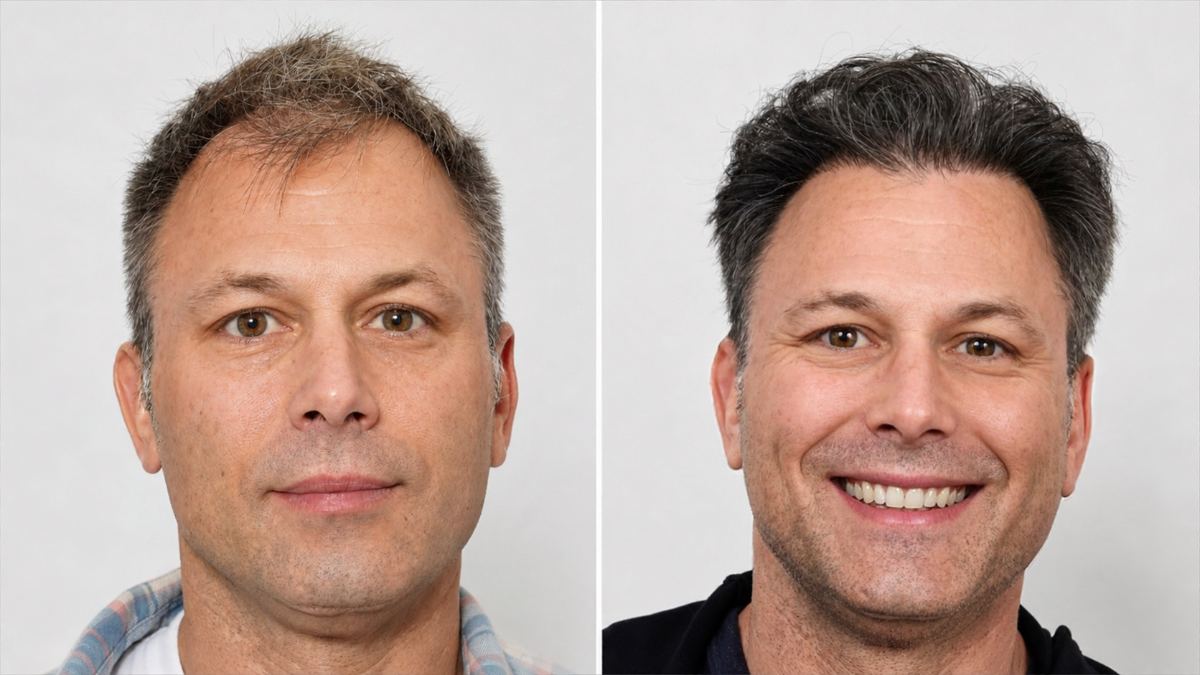
Scott H. · 2,500 Advanced FUE™ grafts
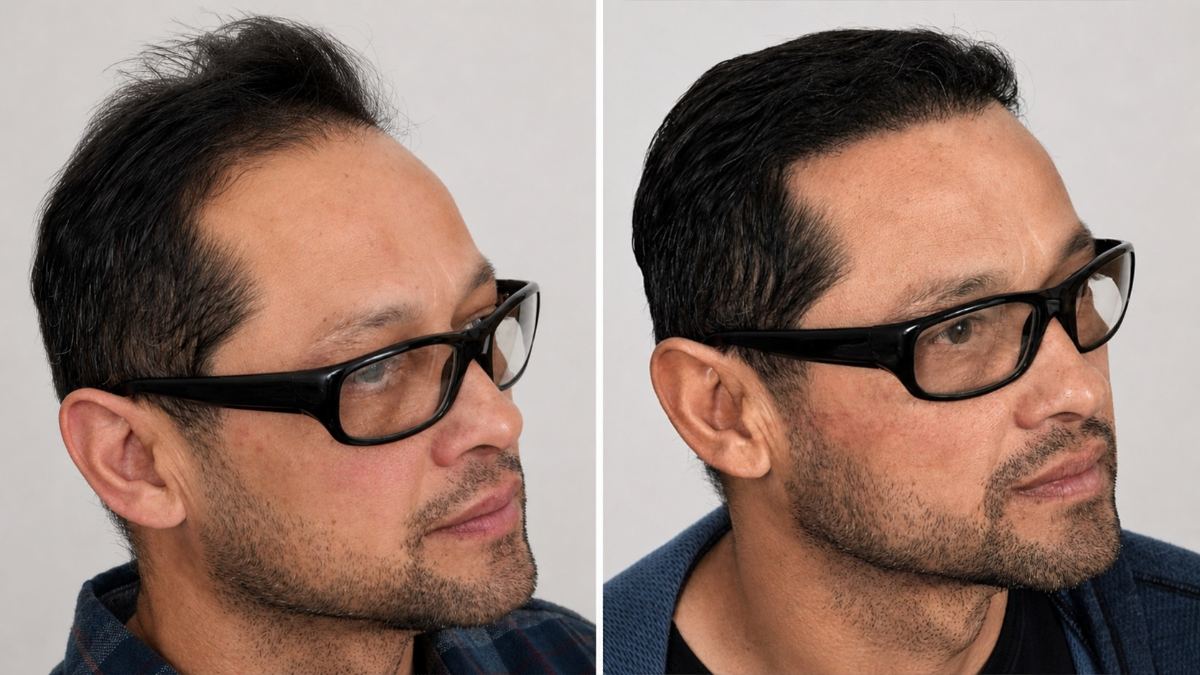
Madison T. · 3,300 Advanced FUE™ grafts
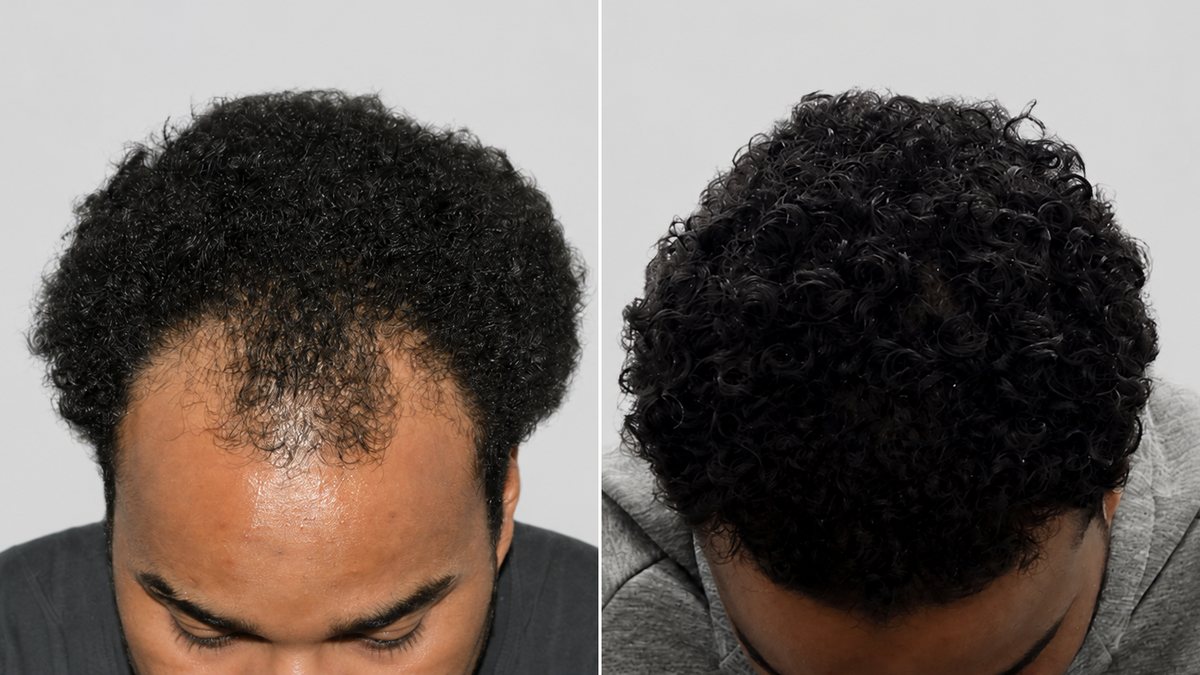
AJ S. · 2,500 Advanced FUE™ grafts
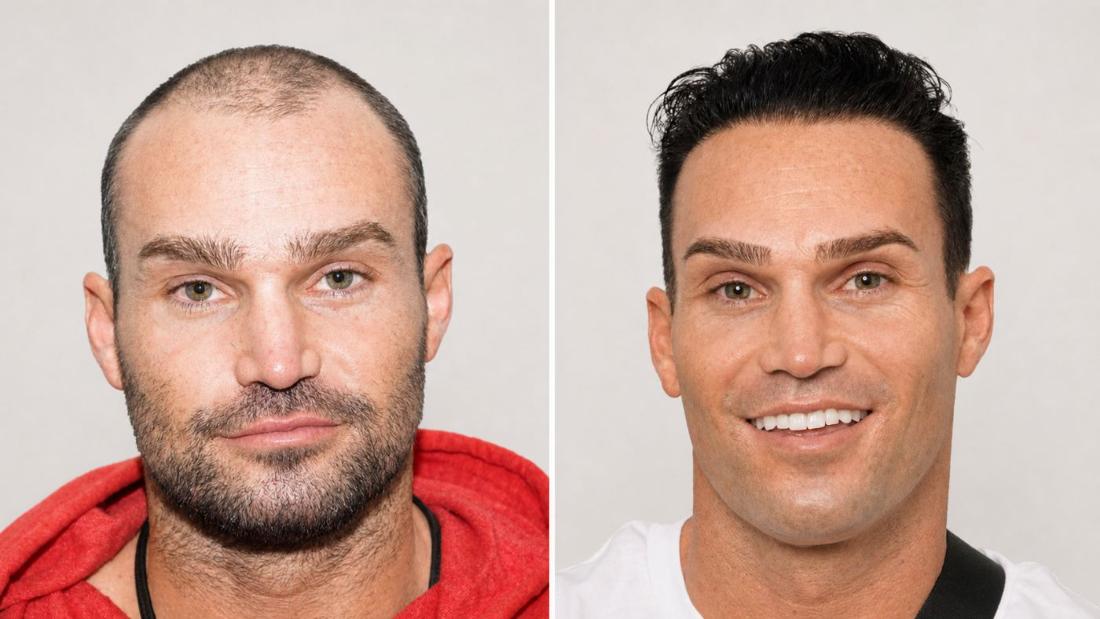
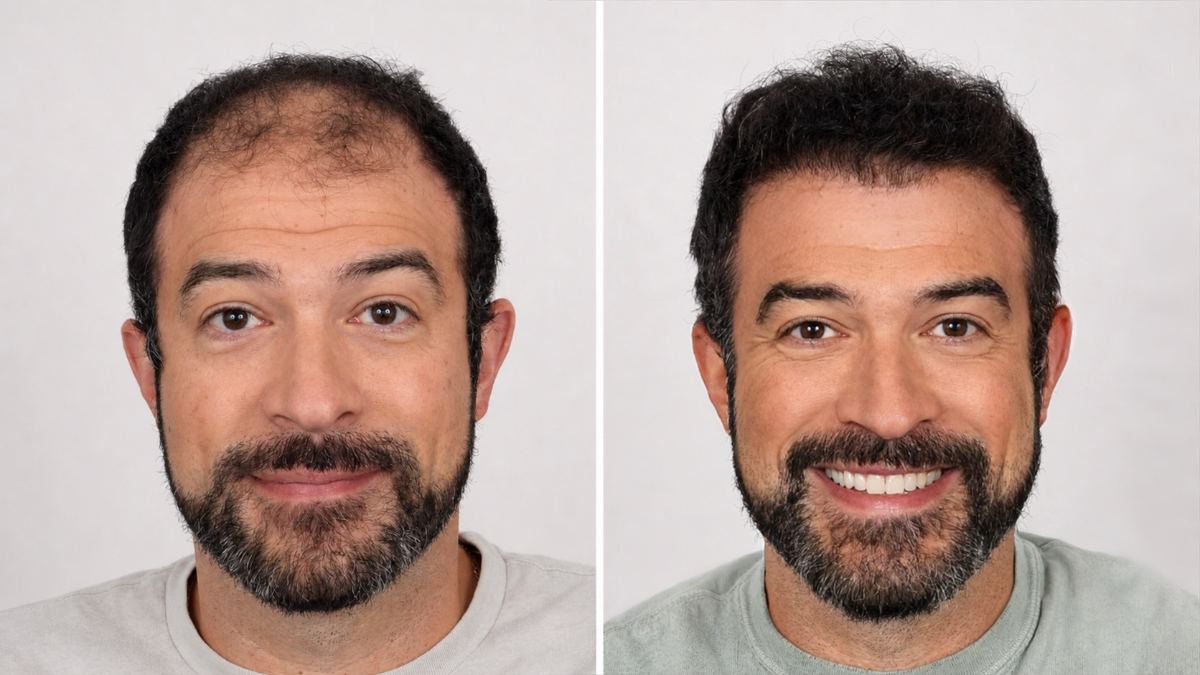
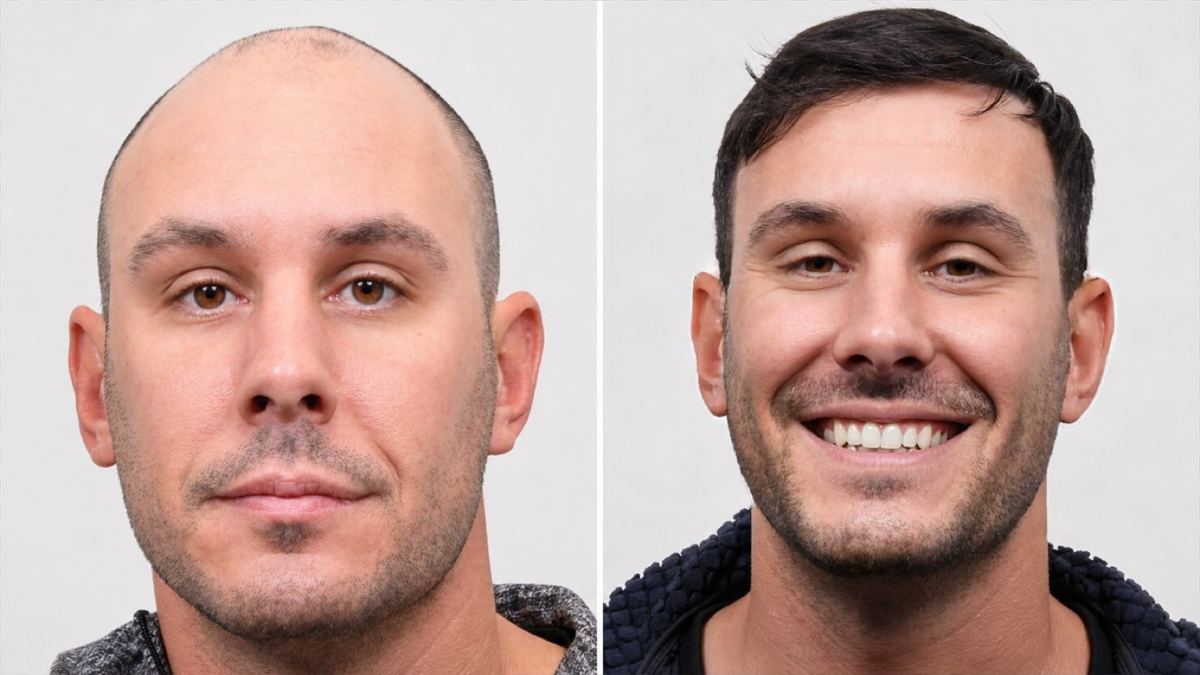
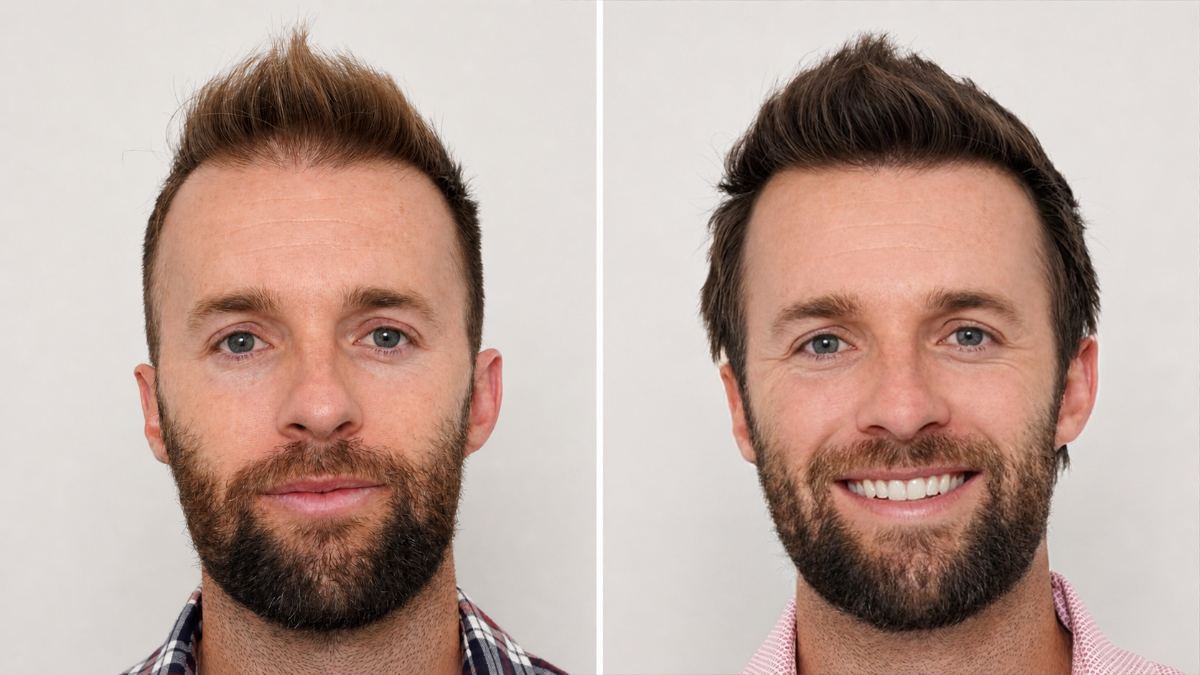
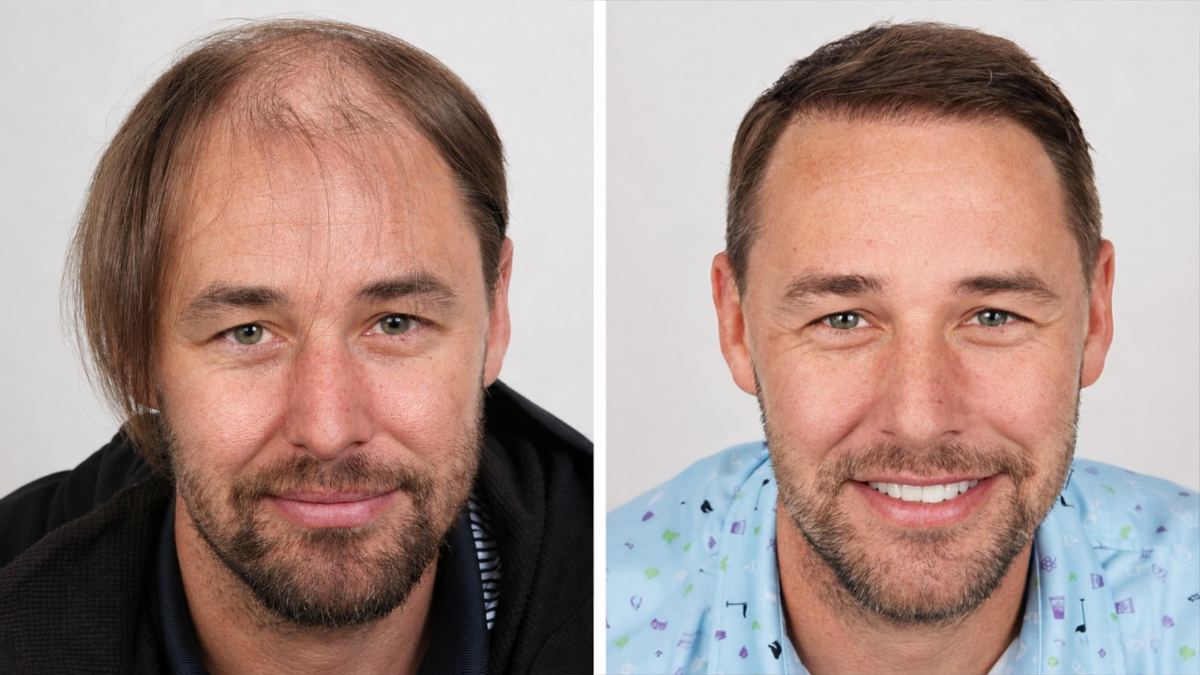
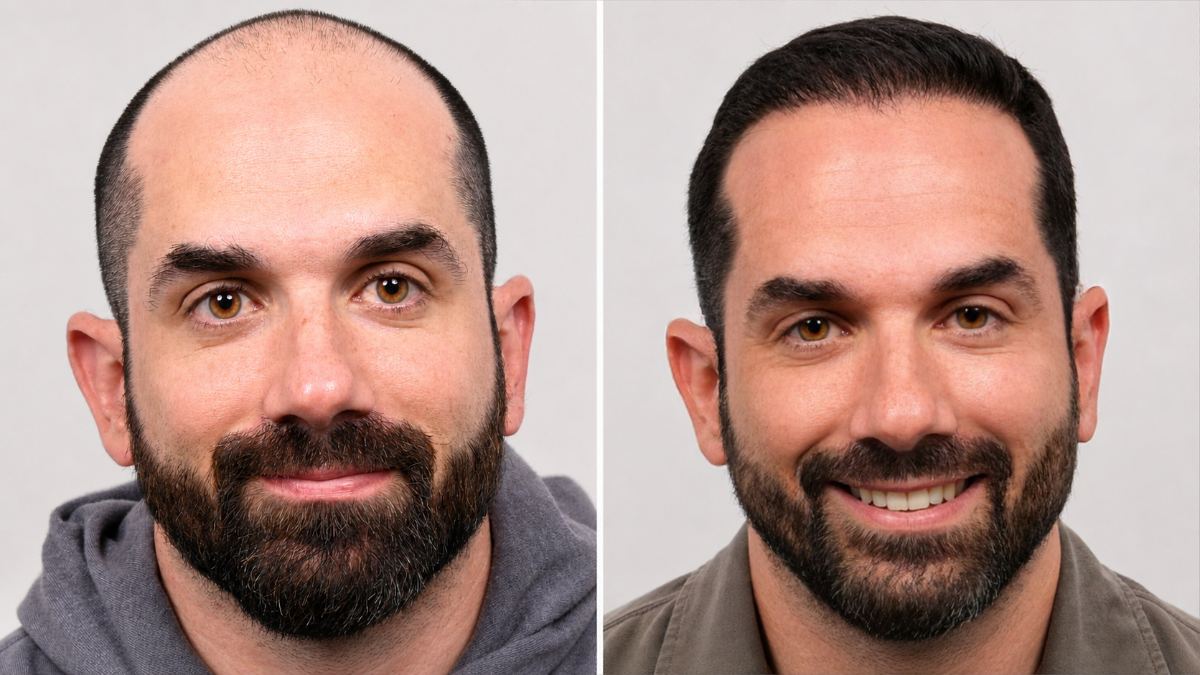
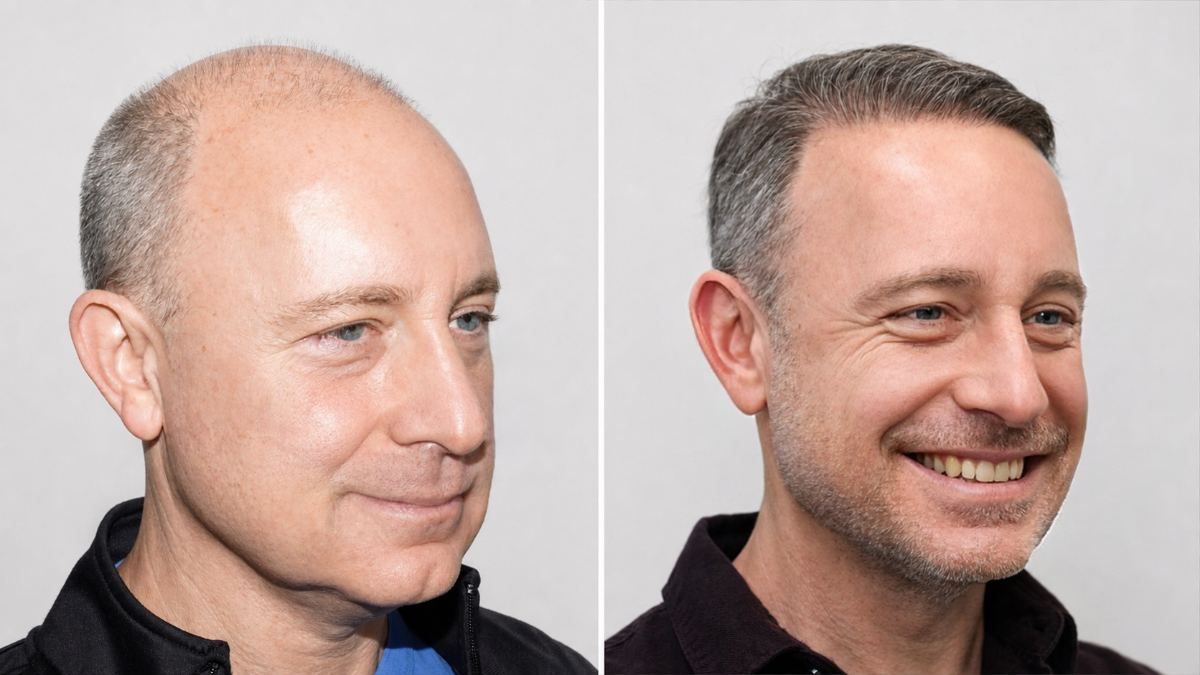
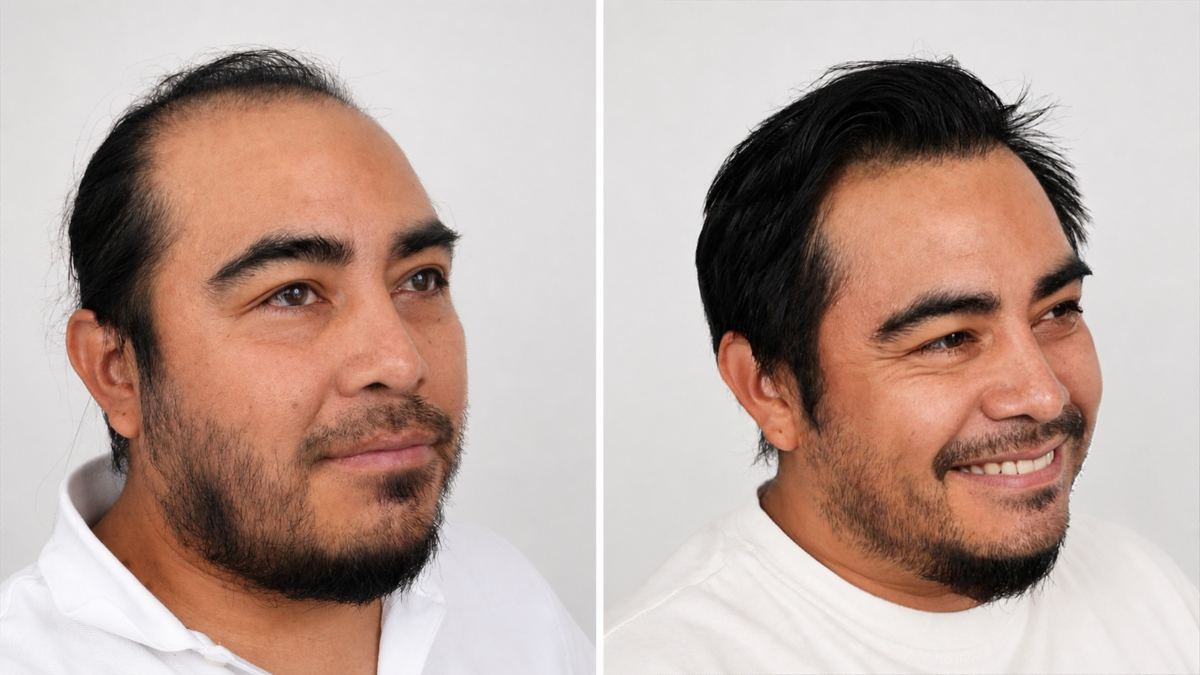
Individual results may vary.
Next step
Ready to restore a fuller, more feminine hairline?
Talk with a team that understands the deeply personal nature of this journey. Your free consultation with Advanced Hair Restoration® takes place in person, so a hair loss professional can examine your scalp and donor area directly and map your exact graft count.