
Hairline Lowering vs. Hairline Transplant: Choosing the Right Procedure for Your Hairline

The Procedure
Hairline Lowering vs. Hairline Transplant
Both improve the hairline. The methods, recovery and ideal candidates could not be more different. A clear comparison so you choose for your anatomy, not a brochure.

Key takeaways
- Hairline lowering advances the scalp 1.5 to 3 cm. Immediate, permanent, general anesthesia, a forehead incision.
- A hairline transplant moves your own follicles into the hairline and temples. Local anesthesia, no forehead incision, full results in 12 to 18 months.
- If the issue is forehead height with dense, stable hair, lowering fits. If the issue is recession or thinning, a transplant is the answer.
- The two can be combined, in that order, when a hairline needs both position and refinement.
The hairline frames the face. A high forehead or early recession changes its proportions, making features read longer or older than they are. Two procedures address it: hairline lowering, also called forehead reduction, and a hairline transplant. This guide sets them side by side.
Why the hairline matters
As a rule, the distance from the eyebrows to the hairline is about one third of total face length. A typical female hairline sits 5 to 6 cm above the brows; a male hairline is usually a little higher and more defined. When forehead height exceeds those proportions, or recession pulls the hairline back, either procedure can restore balance.
Hairline lowering (forehead reduction)
Forehead reduction physically advances the hairline. Under general anesthesia the surgeon marks the existing hairline, makes an irregular incision along it so the scar follows natural growth, lifts the forehead and scalp, releases the ligaments that limit scalp movement and advances the scalp forward, typically 1.5 to 3 cm. Excess skin is removed and the incision is closed. The change is visible as soon as swelling settles.
- Immediate. No waiting for growth; the new proportions show within weeks.
- Permanent, in one procedure. Once healed, the position holds with no maintenance.
- Natural density. The native, wispy front hairs come forward with the scalp, and follicles at the incision edge grow through the scar over time.
- The trade-off. A forehead incision, general anesthesia and a longer recovery. Best for a naturally high forehead with dense, stable hair.
Hairline transplant
A hairline transplant relocates follicles from the donor area at the back and sides of the head into the hairline, temples or anywhere density is lost. With Advanced FUE™ each follicular unit is extracted individually, so there is no strip, no stitches and no linear scar. It is performed under local anesthesia, and most patients are back to light activity within days.
- No forehead incision. Nothing is cut or repositioned; grafts are placed into micro-openings.
- Versatile. Hairline, temples, crown, eyebrows and beard. It also treats the cause most people actually have: recession and thinning.
- Designed, not just moved. Your surgeon draws the hairline to your features and age before a single graft is placed.
- The trade-off. Results are gradual. Growth begins around month 3 or 4 and matures at 12 to 18 months, and cost scales with graft count.
Free consultation
Which one fits your hairline?
Bring the question to a free consultation. An Advanced Hair Restoration® expert evaluates your forehead proportions, growth pattern and donor area and tells you which procedure, or combination, makes sense.
Side by side
| Hairline lowering | Hairline transplant (Advanced FUE™) | |
|---|---|---|
| Best for | A naturally high forehead with dense, stable hair | Recession, thinning, or reshaping the hairline |
| Anesthesia | General | Local |
| Incision | Along the hairline, camouflaged by regrowth | None at the forehead; micro-openings only |
| Results | Immediate | Gradual, mature at 12 to 18 months |
| Sessions | One | Usually one; a second can add density later |
| Pricing | Fixed procedure fee | Per graft, so it scales with the plan |
| Ongoing loss | Does not address thinning | Designed around current and future loss |
Can the two be combined?
Yes, with a longer timeline. Forehead reduction goes first to set the position. Several months later a small transplant session refines the front edge, adds density or shapes the corners, and helps camouflage the incision line. Because the transplant is small, the combination can be more economical than grafting alone for a dramatic change.
Choosing
If forehead height is the main concern and your hair is dense and stable, lowering offers an immediate, lasting fix. If the concern is recession or thinning, or you are likely to lose more hair over time, a hairline transplant is the right tool, and the only one that keeps working as your pattern evolves. Advanced Hair Restoration® physicians design and perform hairline transplants every day, and every Advanced FUE™ result is Guaranteed to Grow for Life™.
Questions patients ask
Hairline questions
How many grafts does a hairline transplant take?
Typically 1,000 to 2,000 grafts for the hairline and temples. Your exact count depends on how far the hairline has moved, the density you want and your hair's caliber and curl.
Will a transplanted hairline look natural?
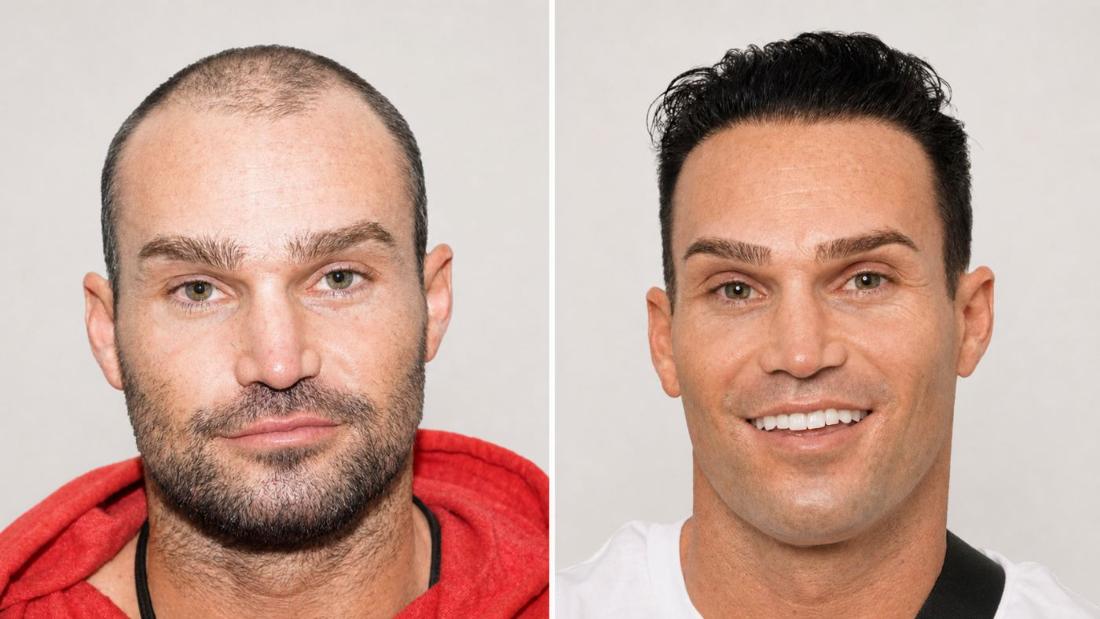
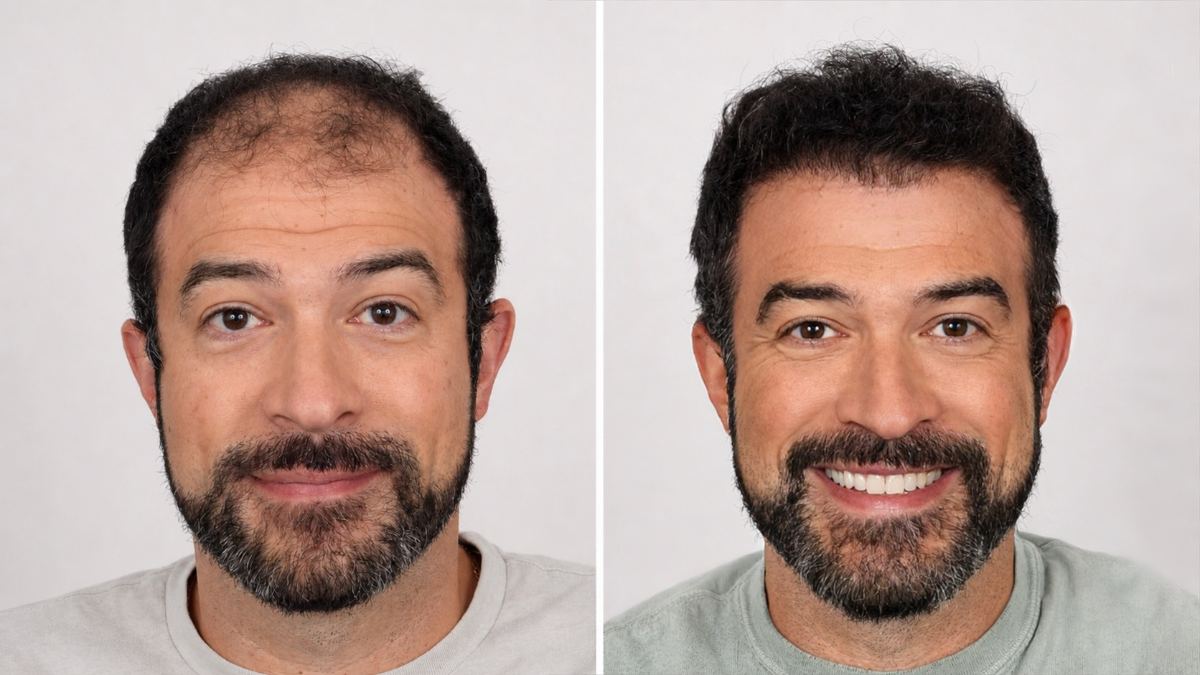
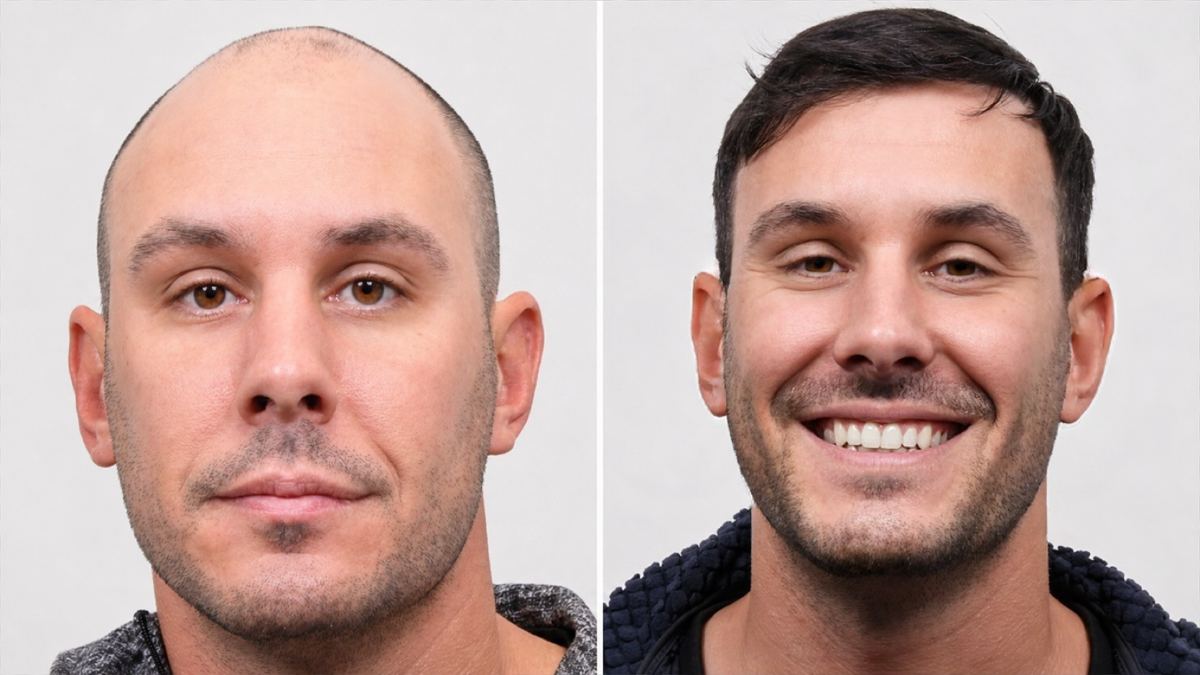
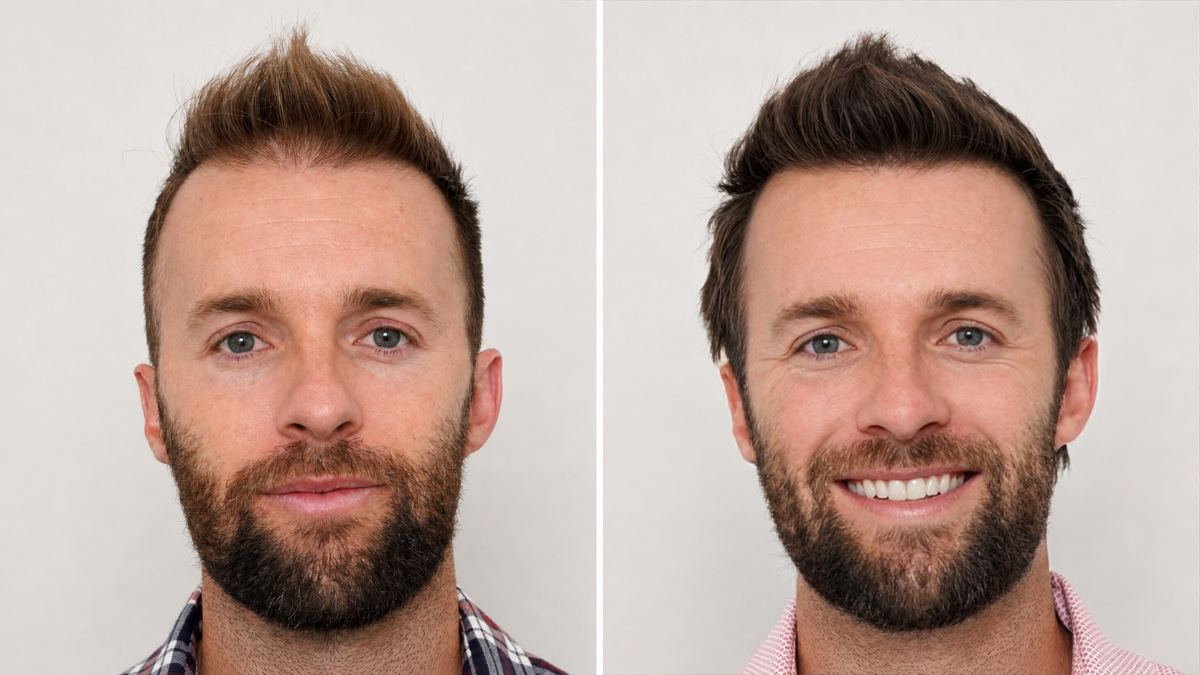
It should be indistinguishable. Your surgeon designs the line to your face and age, places single-hair grafts at the front edge and follows your natural growth angle. Same-lighting before-and-after photos tell you whether a clinic gets this right.
Is hairline lowering right for men?
Occasionally, when the forehead is high and the hair is dense and not receding. Because most men's hairline concerns involve recession that will progress, a transplant is usually the better fit.
Real Results
Simple 1 Day Treatment®. Lifetime Results.
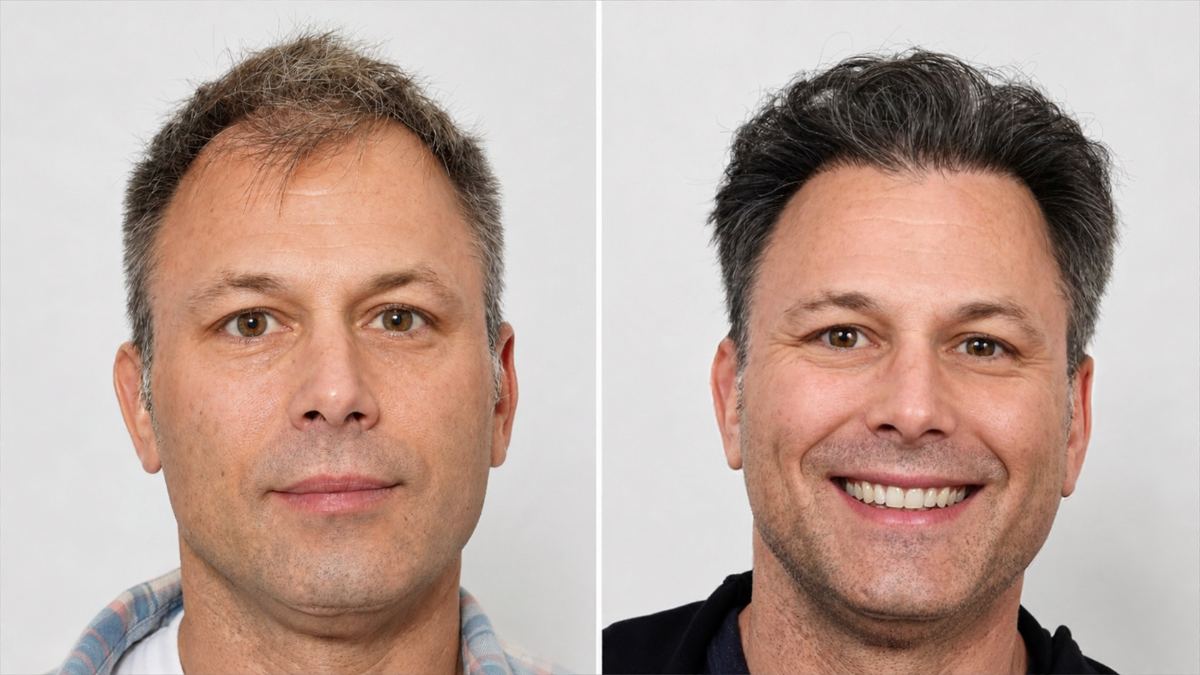
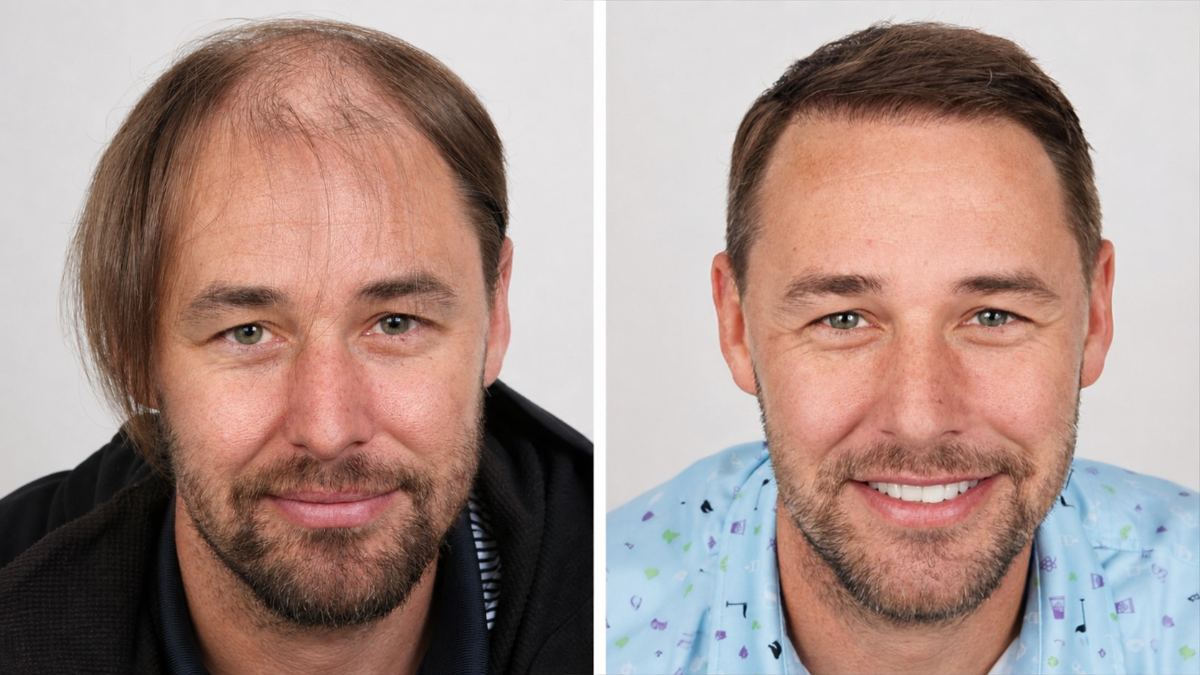
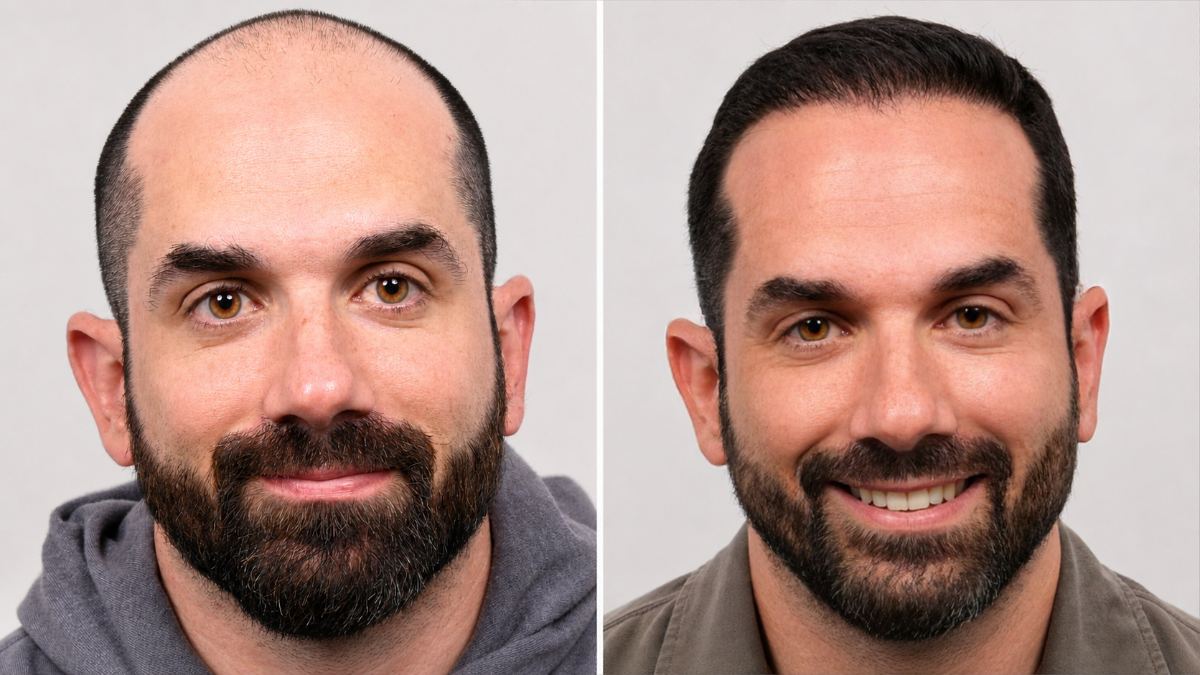
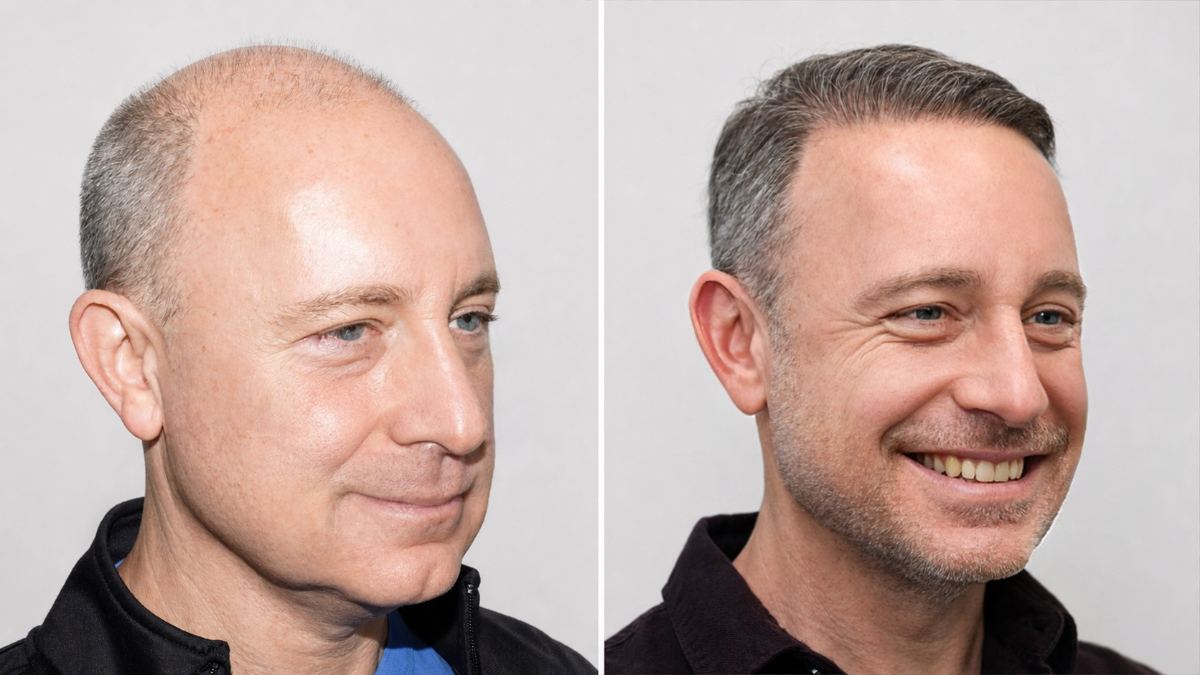
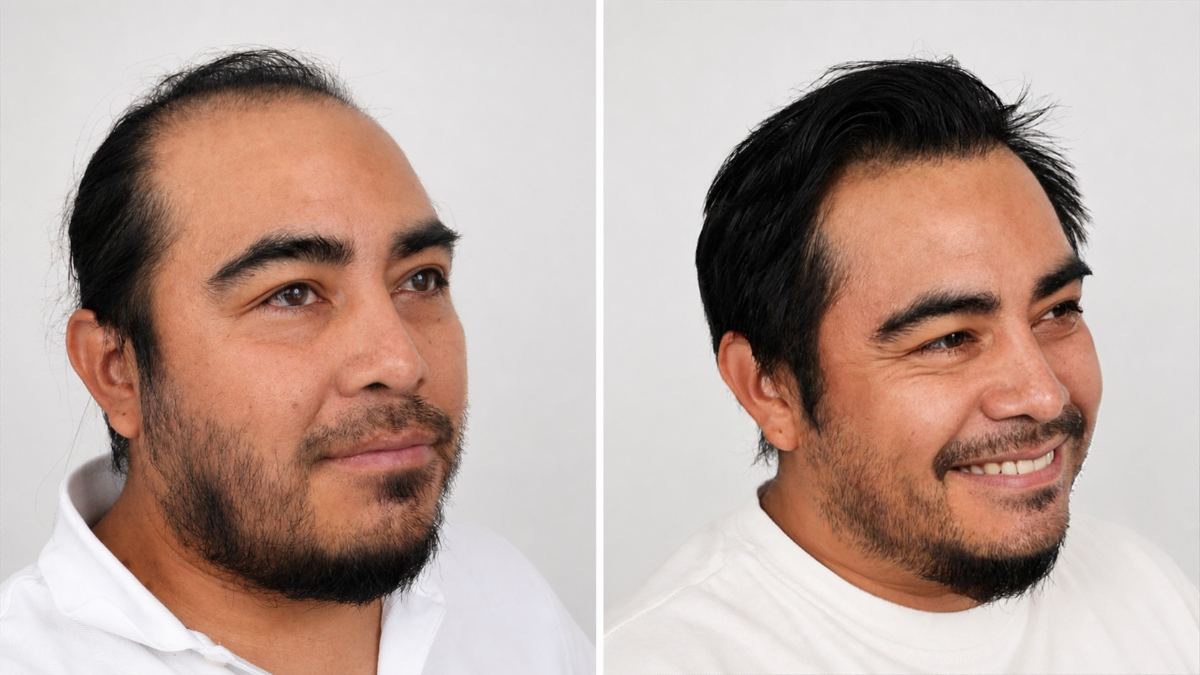
Every photo below is a real Advanced Hair patient: Advanced FUE™, their own natural hair, Guaranteed to Grow for Life™.

Kyle M. · 3,000 Advanced FUE™ grafts
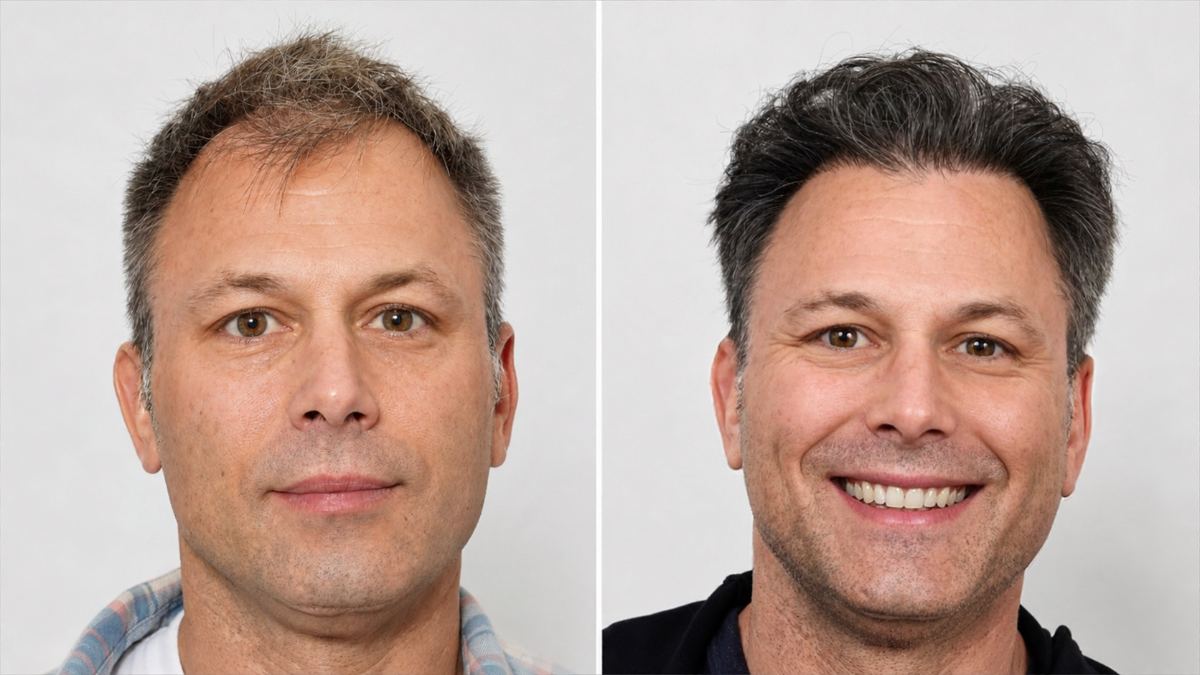
Scott H. · 2,500 Advanced FUE™ grafts
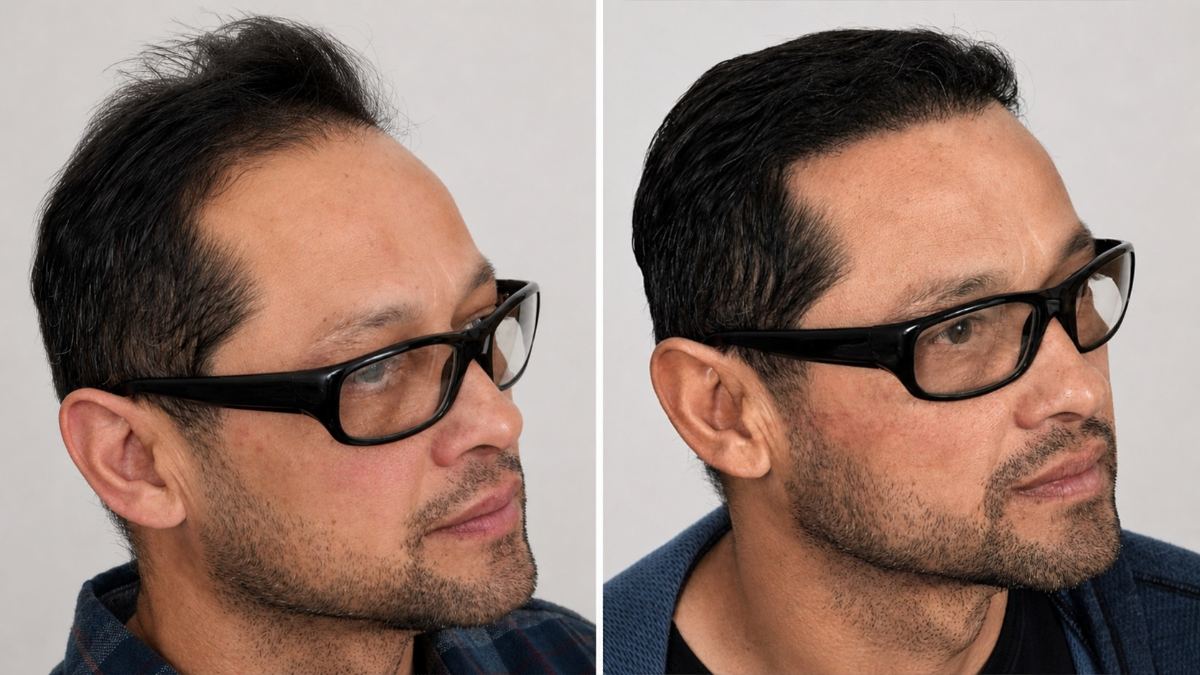
Madison T. · 3,300 Advanced FUE™ grafts
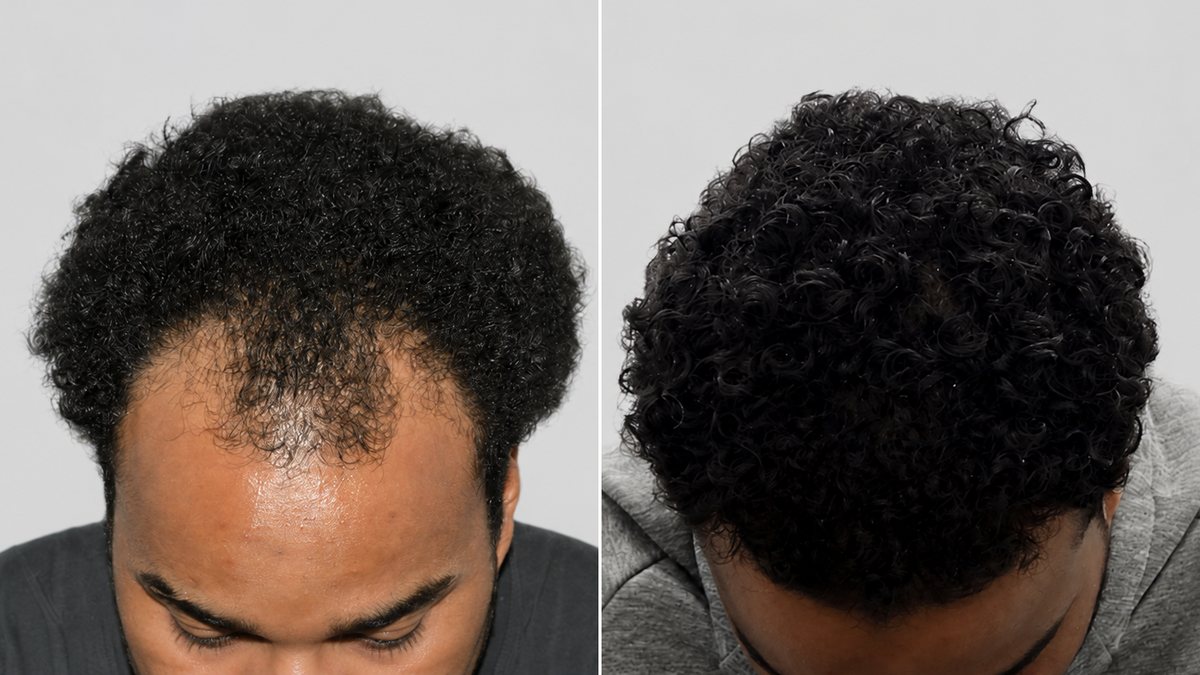
AJ S. · 2,500 Advanced FUE™ grafts
Individual results may vary.
Next step
Get a personalized assessment
The only way to know your graft count, your cost and what your result will look like is a professional evaluation. Consultations are free, and you meet a real expert, not a salesperson.