
Laser Hair Therapy: A Non-Invasive Solution for Hair Loss

Treatments
Laser Hair Therapy: A Non-Invasive Solution for Hair Loss
Low-level laser therapy (LLLT) is a non-invasive way to fight thinning hair. Here is how hair grows, how DHT shrinks follicles, and how red laser light can help weakened follicles regain their size when they are treated early.

Key takeaways
- Low-level laser therapy (LLLT) is a non-invasive treatment that has been found to improve hair quality, stop the progression of hair loss and even promote new hair growth.
- Typically about 90% of hair follicles are actively growing new hair. Once thinning begins, that share drops to 80% or less, and DHT shrinks follicles so they produce shorter, weaker hair.
- Red light increases blood flow, cellular energy and protein synthesis in the scalp and may reduce inflammation around miniaturized follicles. Follicles stimulated in the earlier stages of miniaturization may regain their size.
- A hair transplant is the only permanent solution for hereditary hair loss. LLLT helps strengthen weak hair and is often used alongside a transplant to accelerate healing.
Hair loss can often be an undesirable aspect of life. Fortunately, with recent advances in technology, there are several treatments that may reduce, prevent, or even reverse hair loss. Low-level laser energy has been found to stimulate hair growth on the scalp to improve hair quality, stop the progression of hair loss, and even promote new hair growth.
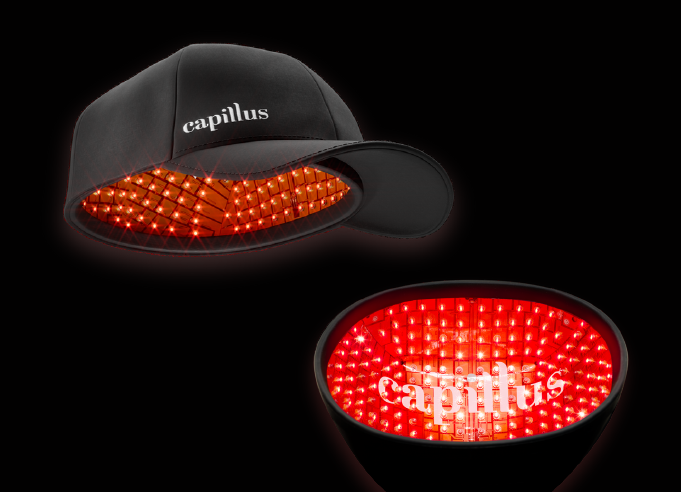
Although hair transplantation is the only permanent solution for hereditary hair loss in both men and women, low-level laser therapy (LLLT) offers help by rejuvenating hair and strengthening weak, anemic hair to assist in the fight against dihydrotestosterone (DHT).
How hair grows
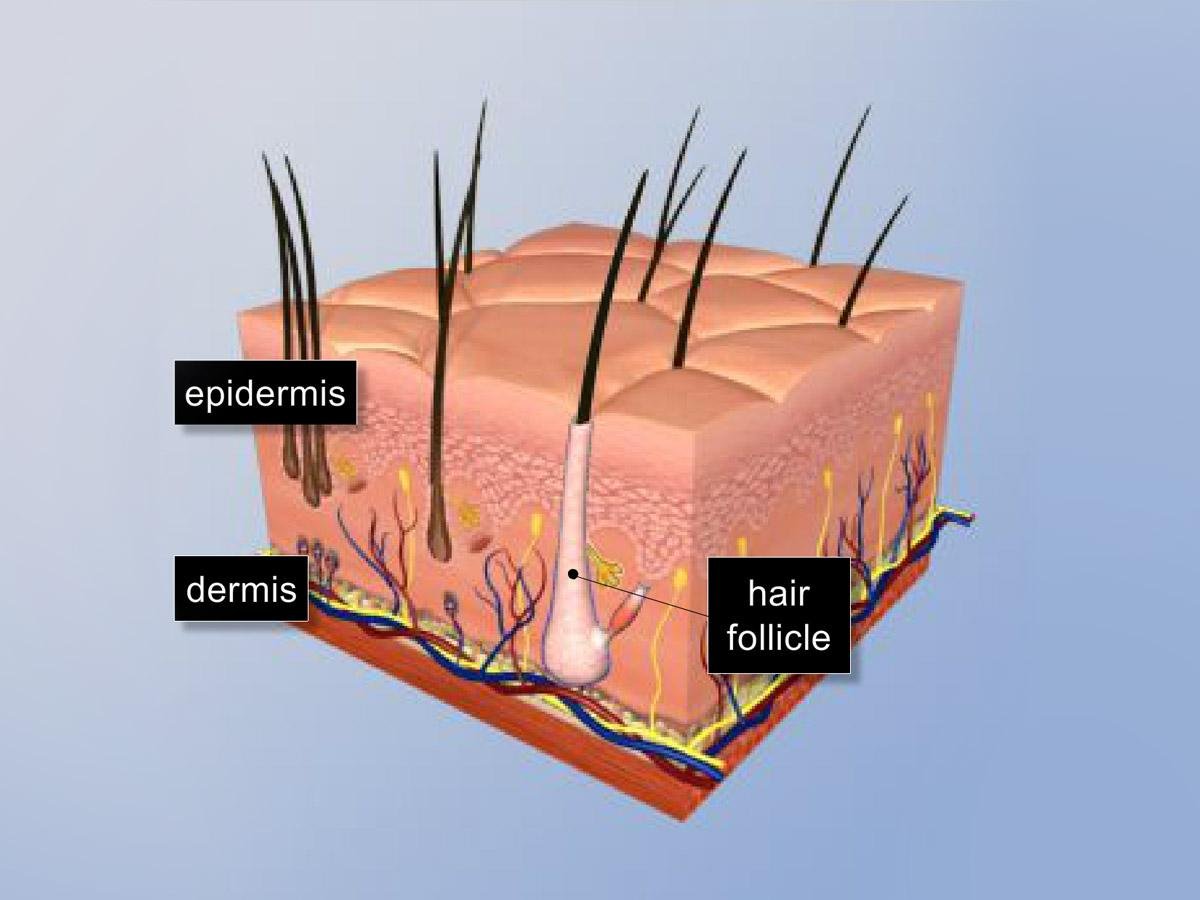
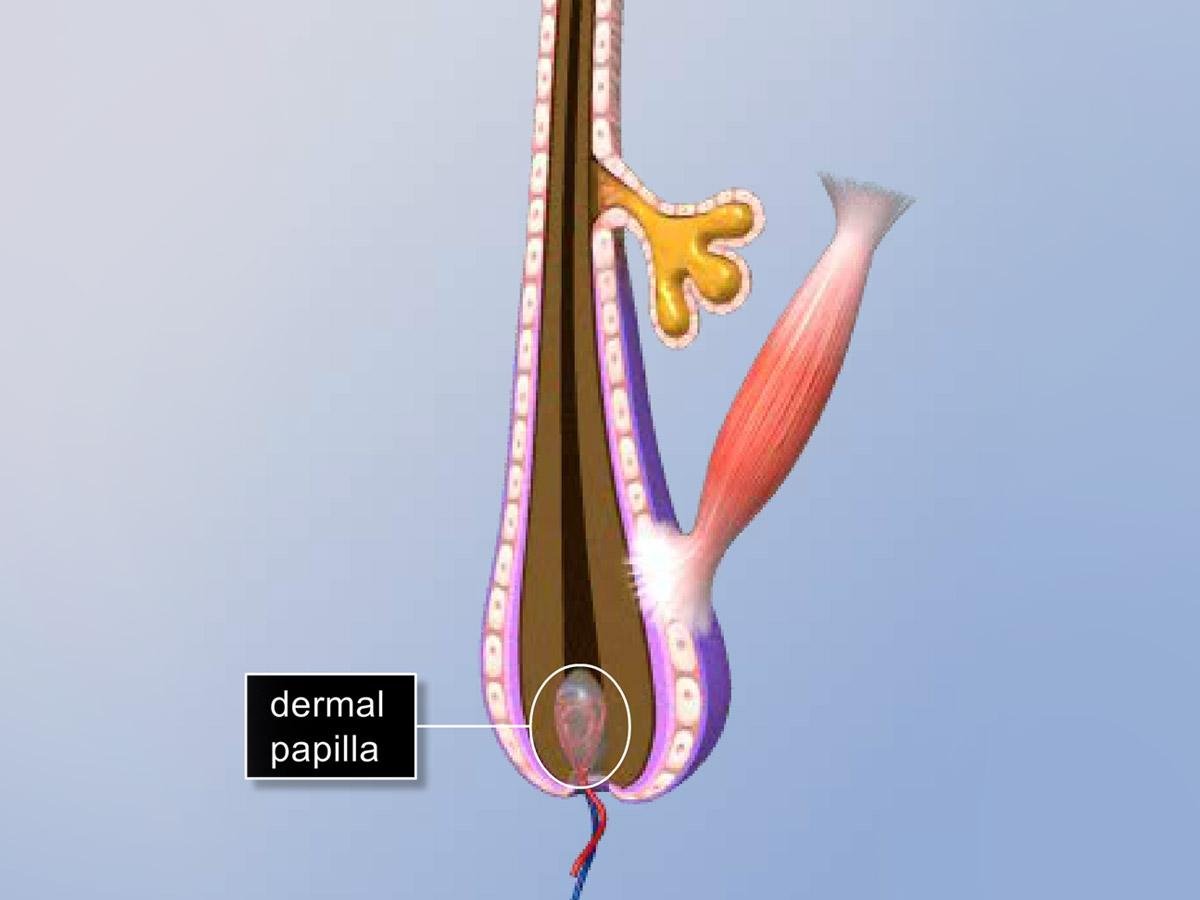
Before learning about laser hair therapy to reinvigorate hair growth, it is important to understand how hair grows. Hair follicles extend through both the dermal and epidermal layers of the skin and are responsible for producing hair. Projecting into the base of each hair follicle is a structure called the dermal papilla, which is composed of rapidly dividing cells and small blood vessels. These cells are packed together in the hair follicle to create a new hair shaft, which pushes out and replaces the old hair shaft after it has become detached from the dermal papilla.
Follicle miniaturization
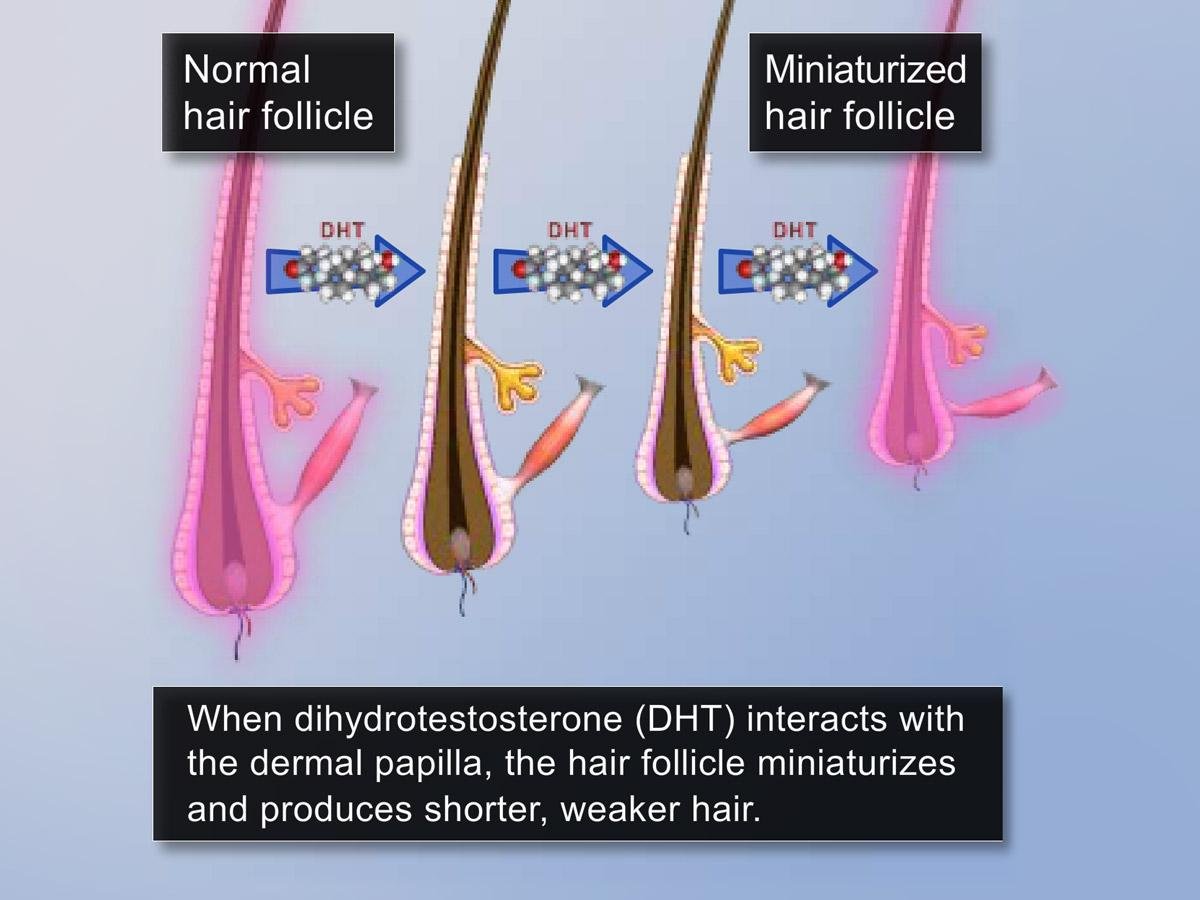
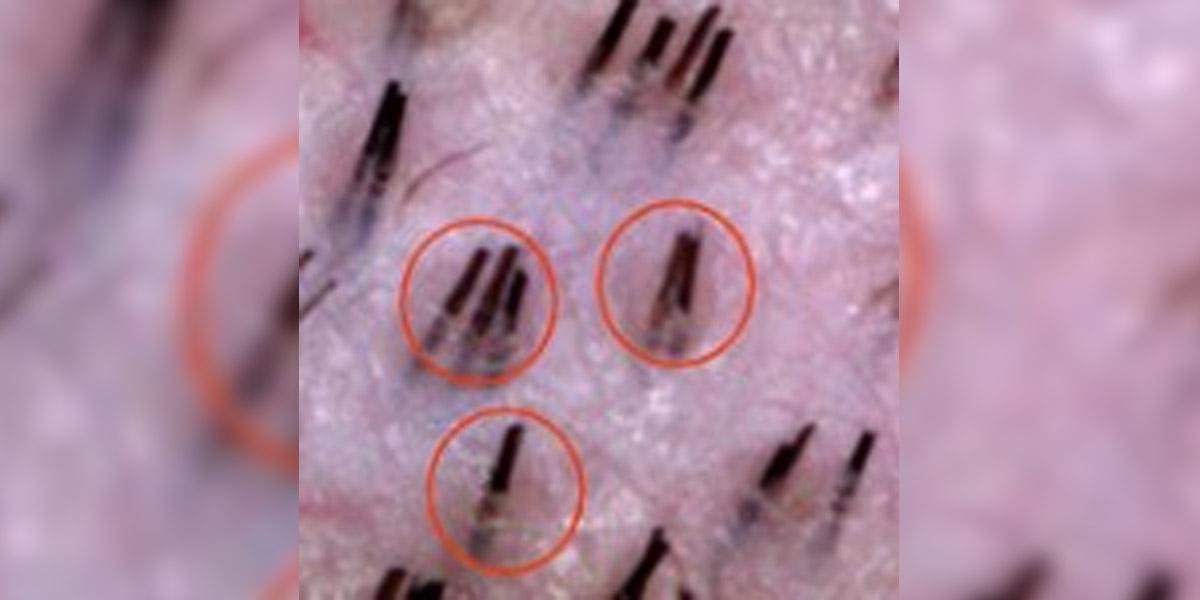
Typically, about 90% of hair follicles are actively growing new hair; however, with the onset of hair thinning, this percentage drops to 80% or less. This decrease in the number of follicles producing new hair coincides with an increased level of a hormone known as dihydrotestosterone, or DHT.
About 90%
of hair follicles typically growing new hair
80% or less
still growing once hair thinning begins
DHT disrupts the normal hair cycle, causing hair follicles to miniaturize and consequently produce the shorter, weaker hair that is characteristic of thinning hair. In the continued presence of DHT, hair follicles may keep shrinking until they no longer produce hair and permanent baldness results. However, if hair follicles are stimulated in earlier stages of miniaturization, they may regain size and return to producing strong, thick hair.
Free consultation
How far has your thinning progressed?
A free, in-person consultation with an Advanced Hair Restoration® physician shows how far miniaturization has gone and whether laser therapy can still help. The physician examines your scalp and donor area directly and maps your exact graft count if a hair transplant is the better option.
How LLLT works
LLLT is designed to stimulate miniaturized hair follicles with low-level laser energy. A laser concentrates light waves of a specific energy into a beam of colored light. Humans can see a range of energy as colored light, known as the visible light spectrum. The LLLT unit emits light from the red end of this spectrum, which has been proven to stimulate body tissues to increase cellular energy.
This increase in energy enhances cellular processes such as growth and eliminating waste. It may also reduce the inflammation surrounding miniaturized hair follicles, allowing these follicles to take in more nutrients and restore their normal size.
The LLLT unit also stimulates hair follicles in the transitional and resting phases of the growth cycle to complete these phases more rapidly. Once these phases are complete, the hair follicles are available to take part in an actively growing phase, which is stimulated to produce thicker, fuller, shinier, and healthier-looking hair.
- Powerful, low-level light energy increases blood flow to the scalp and hair follicle.
- Light penetrates into the scalp tissue, where it stimulates microcirculation and improves cellular metabolism and protein synthesis.
Benefits of low-level light therapy
- Slows the rate of hair loss.
- Increases thickness and density.
- Repairs and improves hair shaft quality.
- Gives hair more manageability and more vibrant color.
- Often used in combination with hair transplantation to accelerate healing, reduce redness and decrease discomfort.
Questions patients ask
Laser hair therapy questions
How does laser hair therapy work?
Low-level laser therapy (LLLT) stimulates miniaturized hair follicles with light from the red end of the visible spectrum, which increases cellular energy. The light increases blood flow and microcirculation in the scalp, improves cellular metabolism and protein synthesis, and may reduce the inflammation around miniaturized follicles so they can take in more nutrients and restore their normal size. It also helps follicles in the transitional and resting phases complete those phases more rapidly and move into an actively growing phase.
What are the benefits of low-level light therapy?
It slows the rate of hair loss, increases thickness and density, repairs and improves hair shaft quality, and gives hair more manageability and more vibrant color. It is also often used together with hair transplantation to accelerate healing and reduce redness and discomfort.
Can laser therapy help follicles that DHT has shrunk?
It may, if the follicles are treated early. DHT disrupts the normal hair cycle and causes follicles to miniaturize and produce shorter, weaker hair, and in the continued presence of DHT they may keep shrinking until they no longer produce hair. Follicles that are stimulated in the earlier stages of miniaturization may regain size and return to producing strong, thick hair.
Is laser hair therapy a permanent solution for hair loss?
No. Hair transplantation is the only permanent solution for hereditary hair loss in both men and women. LLLT helps by rejuvenating hair and strengthening weak, anemic hair in the fight against DHT, and it is often used together with a hair transplant to accelerate healing.
Real Results
Simple 1 Day Treatment®. Lifetime Results.
Every photo below is a real Advanced Hair patient: Advanced FUE™, their own natural hair, Guaranteed to Grow for Life™.
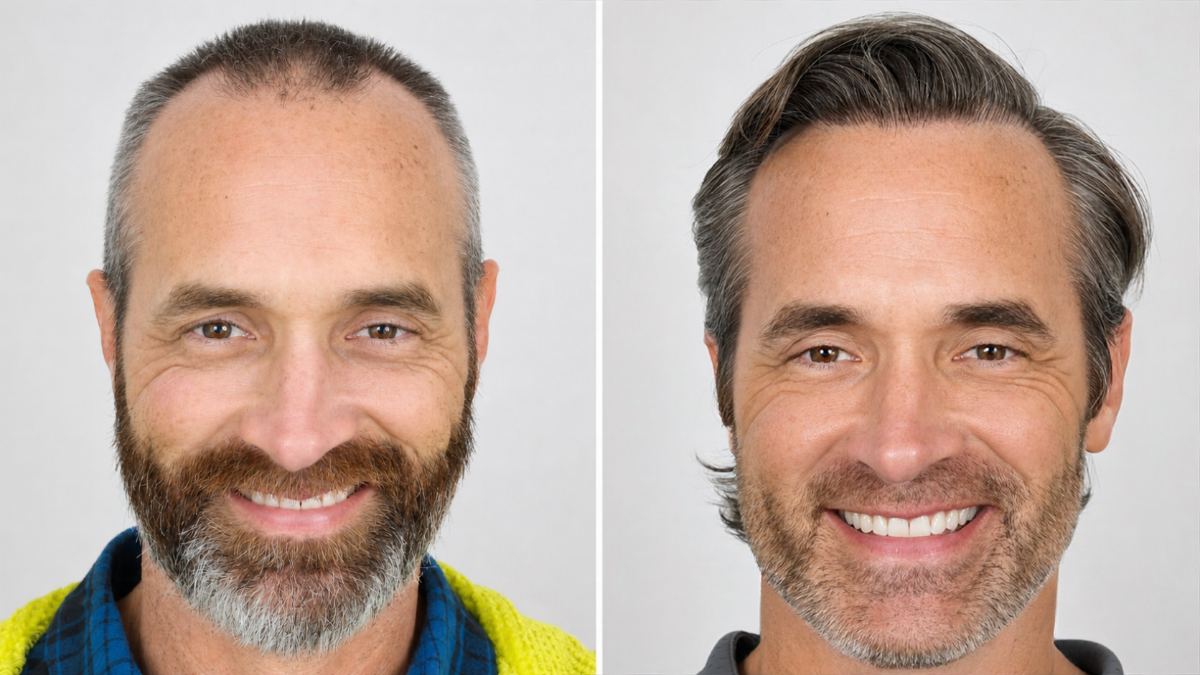
Kyle M. · 3,000 Advanced FUE™ grafts
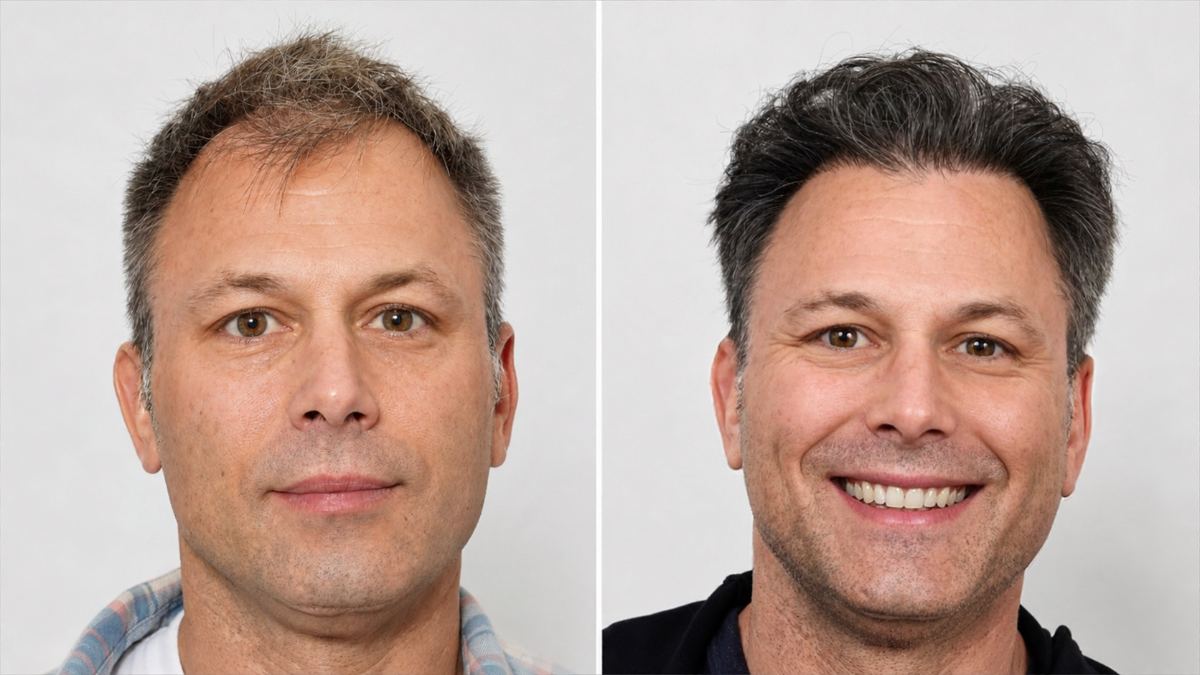
Scott H. · 2,500 Advanced FUE™ grafts
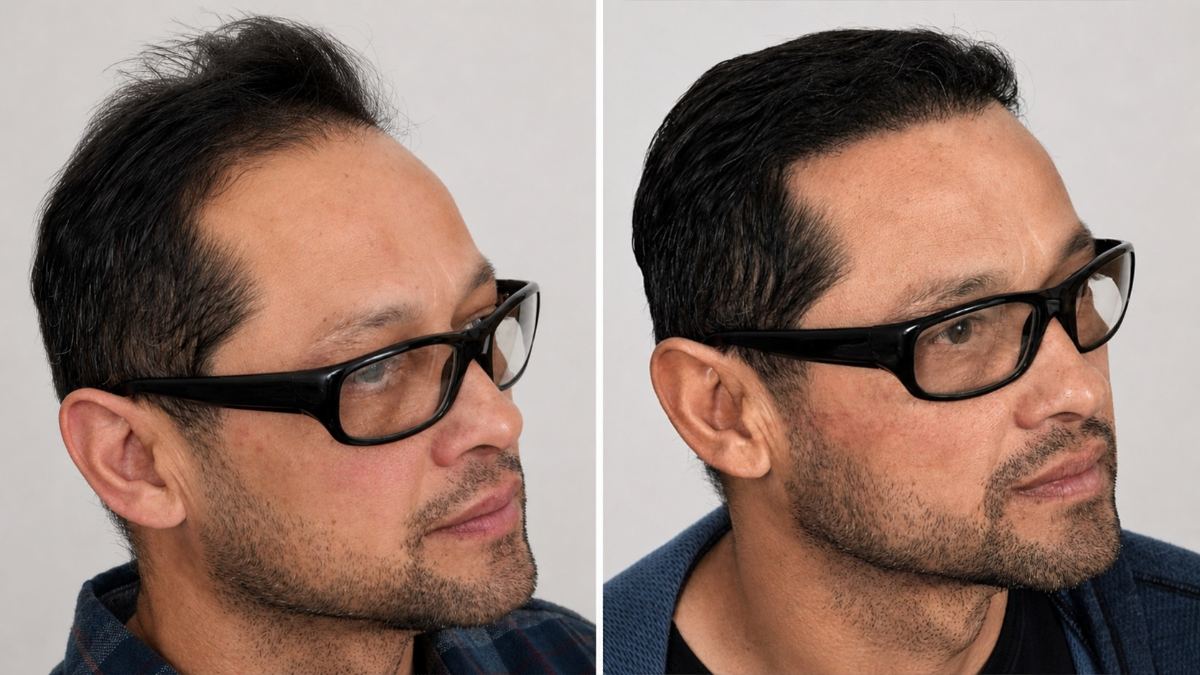
Madison T. · 3,300 Advanced FUE™ grafts
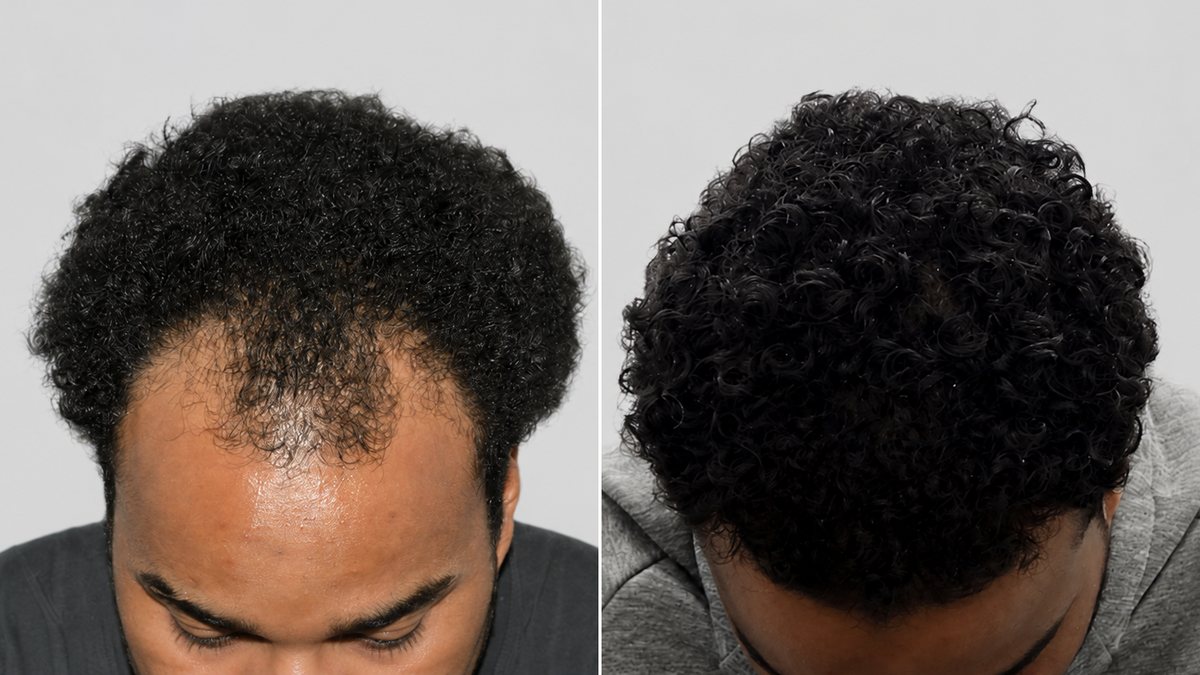
AJ S. · 2,500 Advanced FUE™ grafts
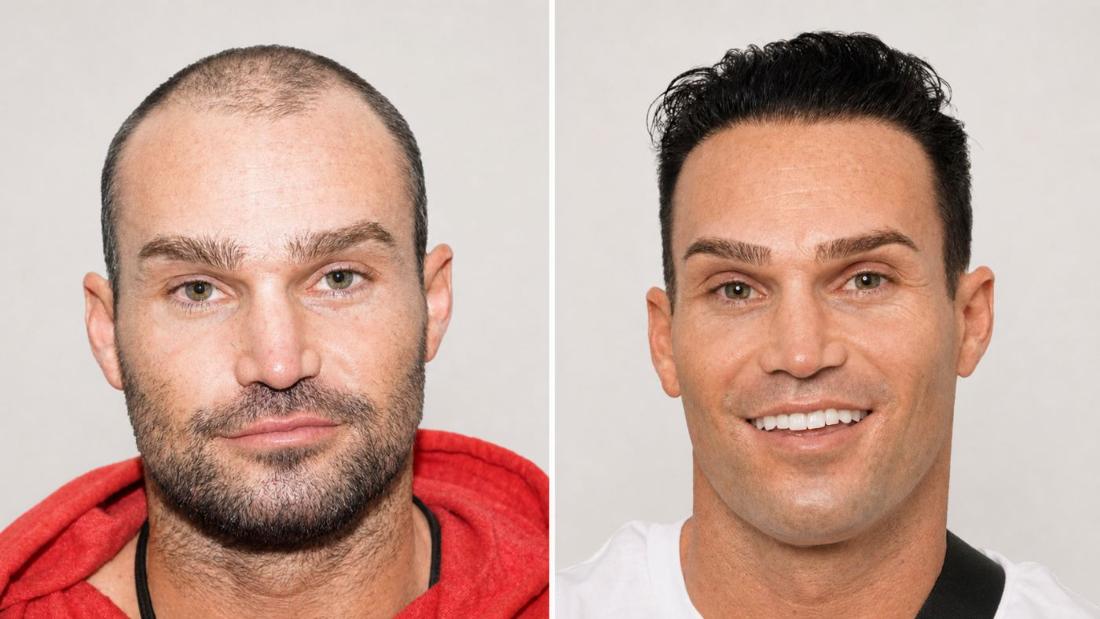
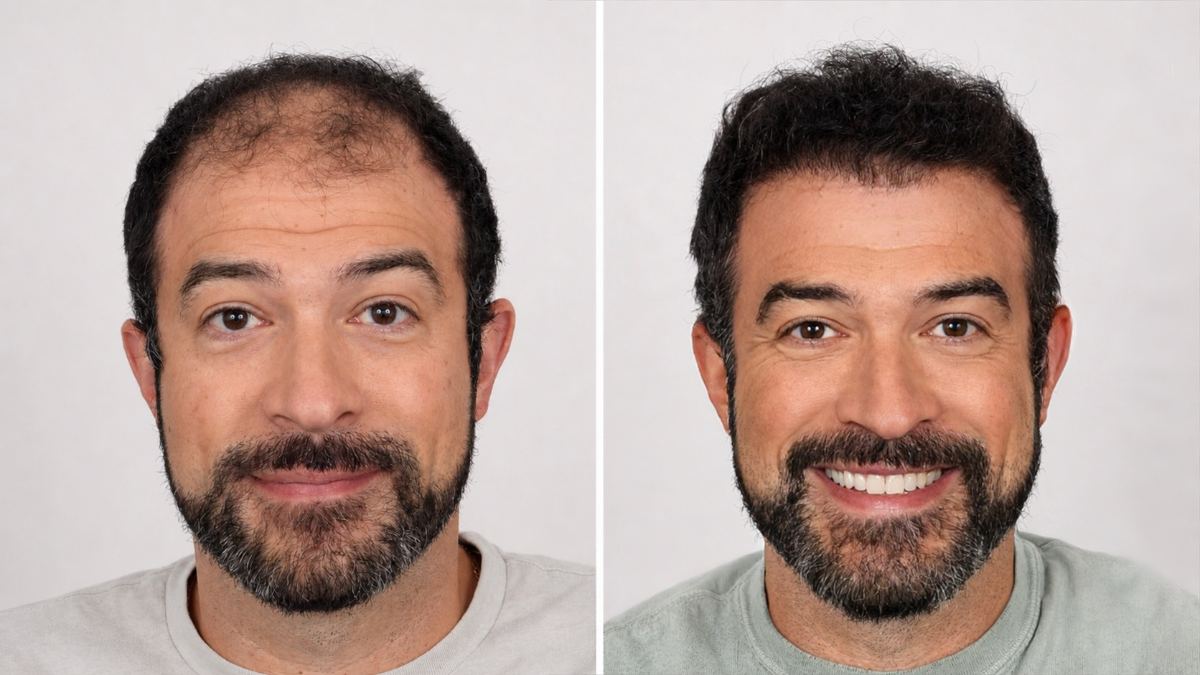
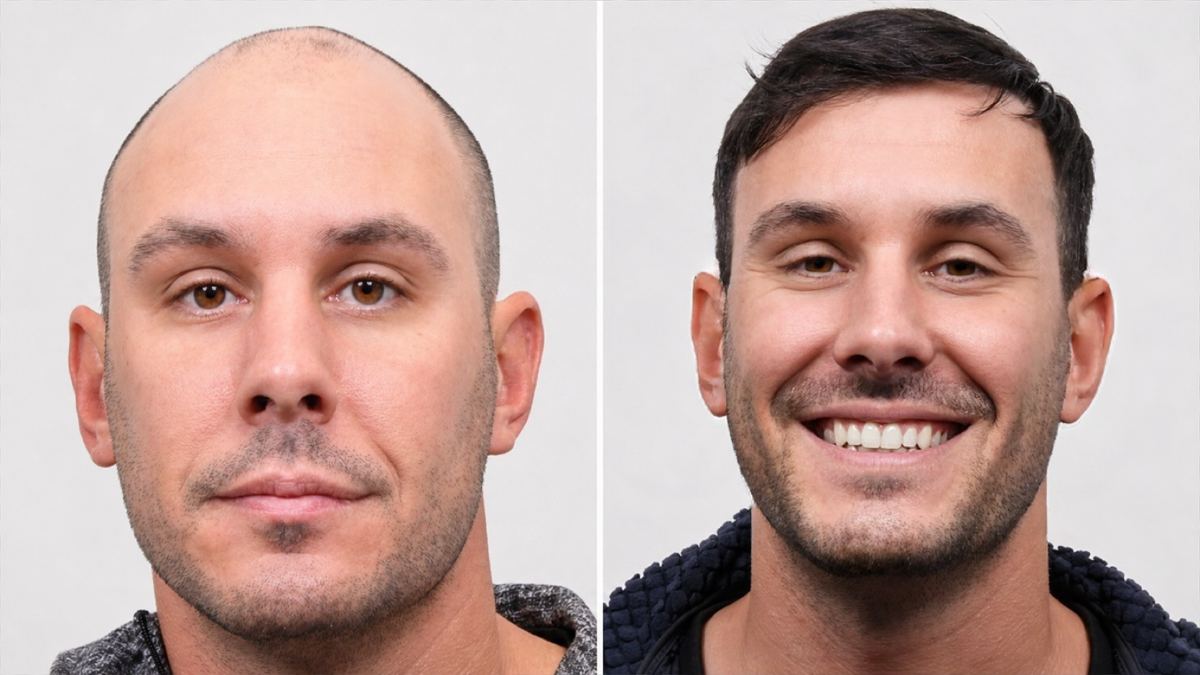
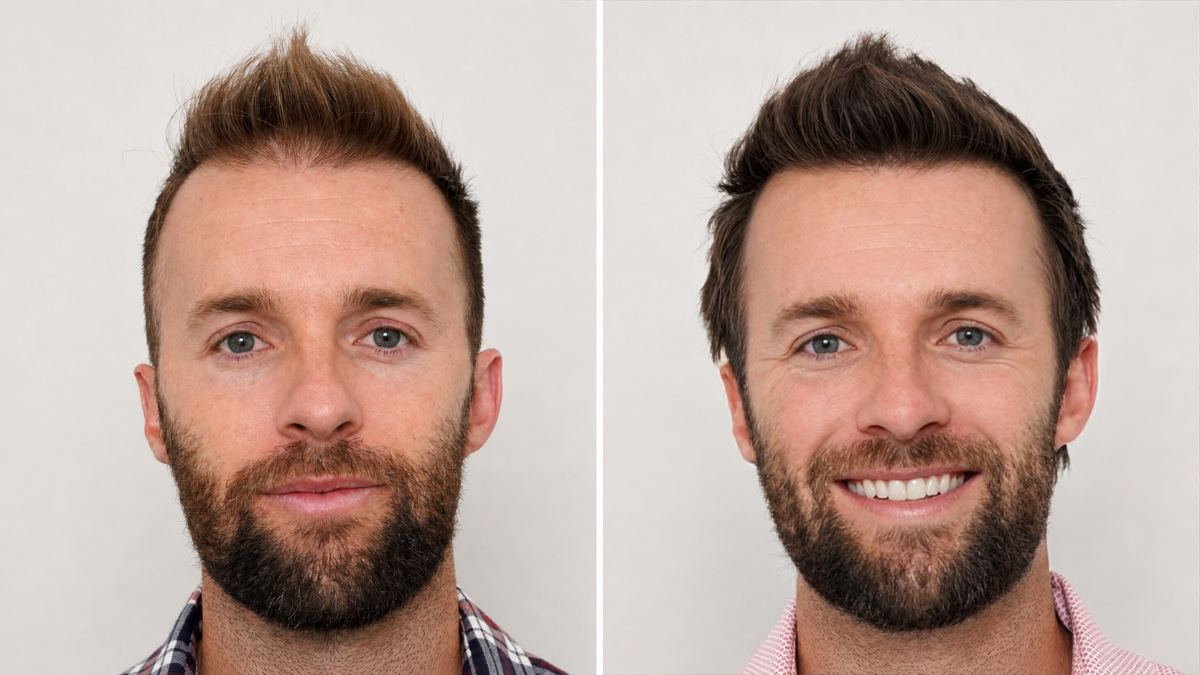
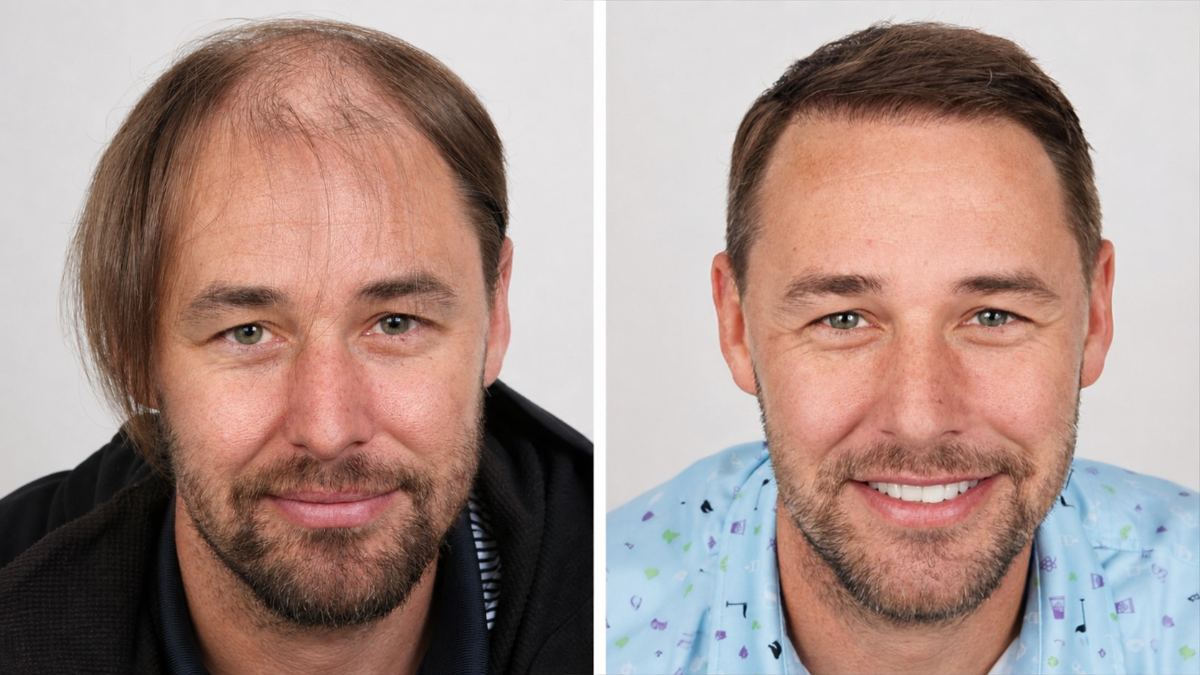
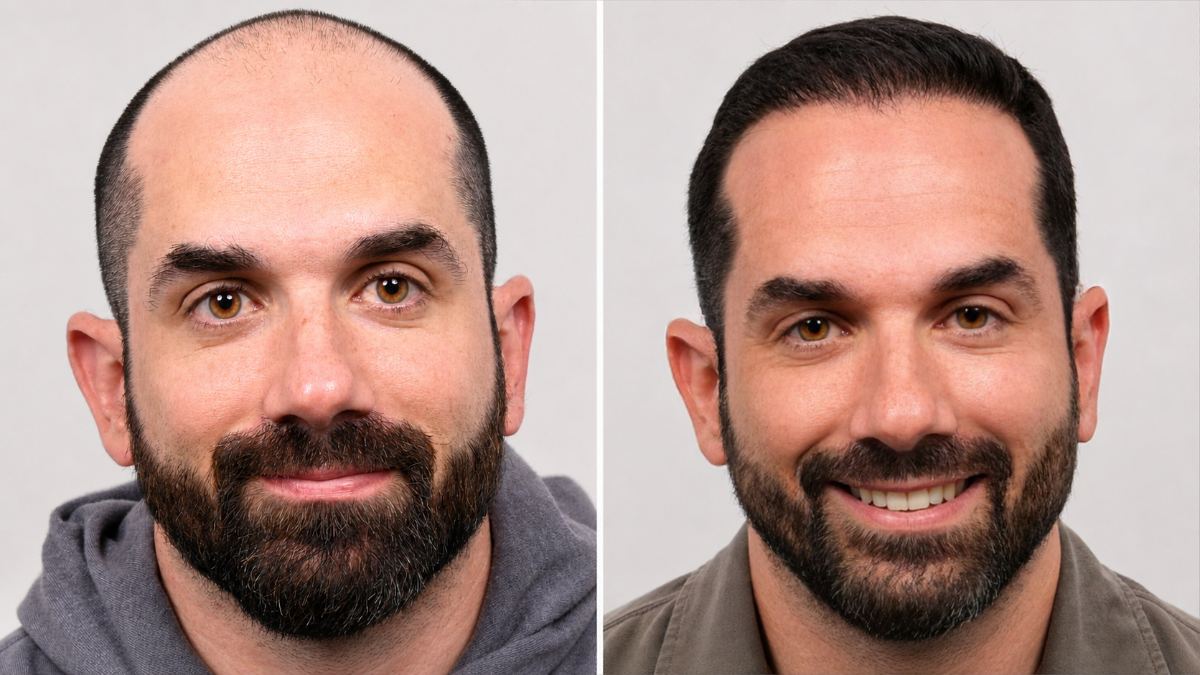
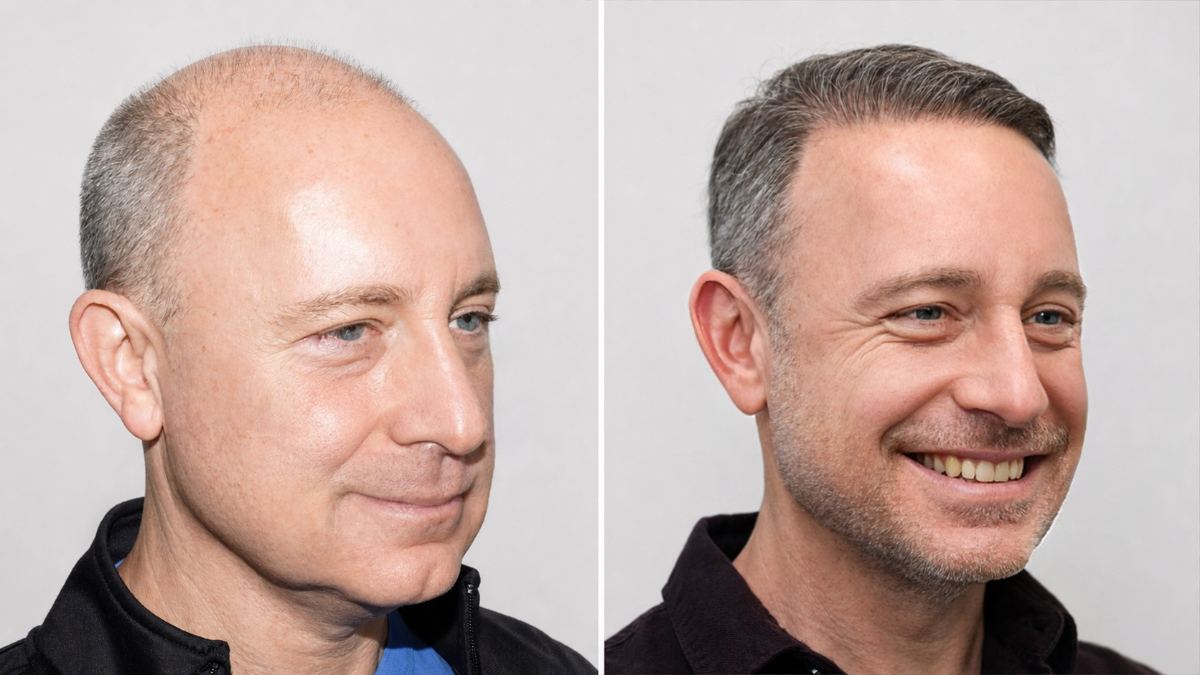
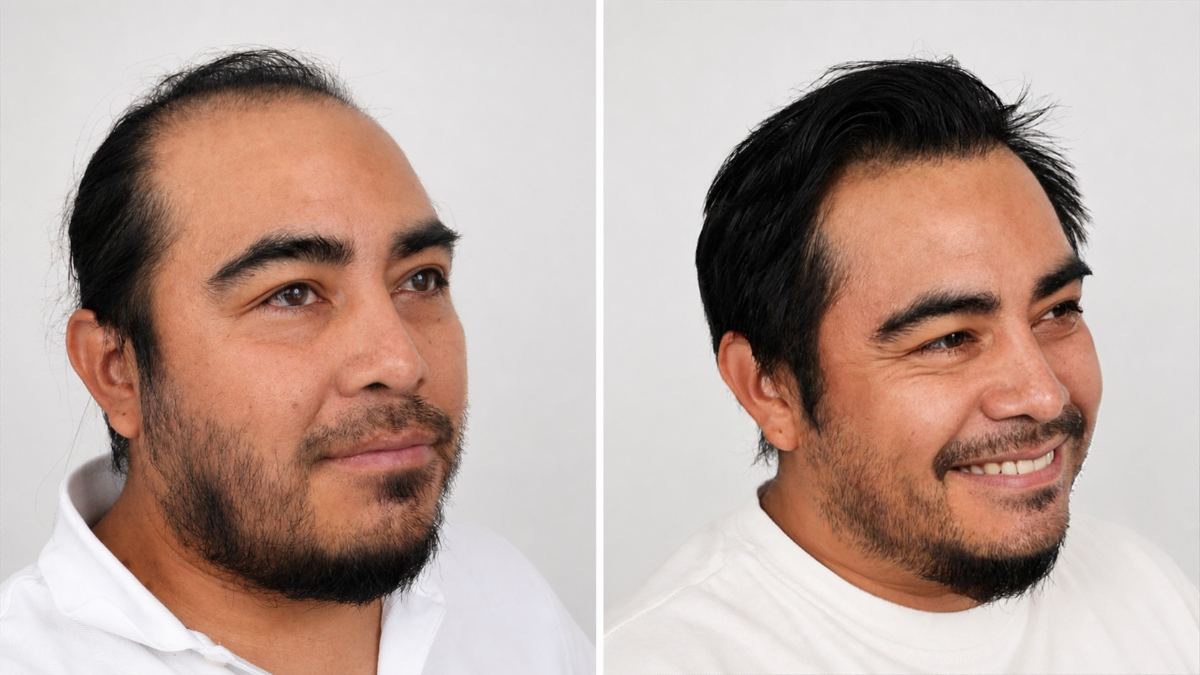
Individual results may vary.
Next step
Find out what laser therapy can do for you
Schedule a free consultation with Advanced Hair Restoration® to learn whether low-level laser therapy, a hair transplant, or both are right for you. Consultations are in person, so the physician can examine your scalp and donor area directly and map your exact graft count.