

The Procedure
Factors Affecting the Growth and Survival of Follicular Grafts
What makes a hair transplant succeed? Learn the science behind follicular graft survival, from hydration and timing to precise handling, and how Advanced Hair’s strict protocols give your grafts the best chance to thrive.

Key takeaways
- A follicular graft is a unit of hair follicles taken from the donor area, usually the back or sides of the scalp. Its survival depends on how it is handled, stored, and implanted.
- Six key factors affect whether a graft survives: time outside the body, drying out, storage solution and temperature, mechanical trauma, oxygen deprivation, and recipient site handling.
- Our Advanced FUE™ protocol was built around the science of graft viability: continuous hydration, minimal time outside the body, chilled holding solutions, and careful recipient site creation.
- Tools and protocols matter, but nothing replaces experience. The outcome is only as good as the hands that perform it.
Hair transplantation has come a long way, but one constant remains: the survival of follicular grafts is critical to a successful outcome. Transplanted hair follicles must survive the journey from donor site to recipient site, and multiple biological, technical, and procedural factors influence whether those grafts thrive or fail.
A landmark review published in the Journal of Cutaneous and Aesthetic Surgery explores the key factors impacting graft growth and survival. In this post, we break down the science and explain how the Advanced FUE™ protocol at Advanced Hair ensures every graft has the best chance to grow strong, natural hair for life.
What are follicular grafts?
A follicular graft is a unit of hair follicles extracted from the donor area, typically the back or sides of the scalp, and transplanted into thinning or balding areas. These grafts contain the genetic blueprint for healthy, DHT-resistant hair growth, but their survival depends on how they are handled, stored, and implanted.
Key factors affecting graft survival
01
Time outside the body (“ischemia time”)
Once a graft is removed, it begins to lose viability. The longer it stays outside the body before implantation, the greater the chance of cellular damage. The review emphasizes that minimizing “out-of-body” time is essential for survival and growth.
02
Desiccation (drying out)
Hair follicles are delicate. Exposure to air, even briefly, can cause dehydration and damage. This is why constant hydration during extraction, storage, and placement is non-negotiable.
03
Storage solutions and temperature
Grafts stored in a cold, buffered saline or specialized solution (like HypoThermosol®) have significantly higher survival rates. The right temperature (4°C) helps preserve cellular metabolism and protects against stress.
04
Mechanical trauma
Rough handling during extraction or placement can crush, transect, or damage follicles. Precision tools and a skilled hand are vital to preserving the graft’s integrity.
05
Oxygen deprivation
Long exposure to low-oxygen environments contributes to graft stress. Some clinics now explore oxygen-rich or antioxidant-enriched storage mediums to improve outcomes.
06
Recipient site handling
Even after grafts are placed, their survival depends on how well the recipient area is prepared. Adequate spacing, minimal bleeding, and stable vascular supply help secure the graft and promote integration.
Free consultation
See how we protect every graft
At a free, in-person consultation, an Advanced Hair Restoration® hair loss professional examines your scalp and donor area directly, maps your exact graft count, and explains how your grafts are protected from extraction to placement.
How Advanced Hair maximizes graft survival
At Advanced Hair Restoration®, our Advanced FUE™ protocol was built around the science of graft viability. We don’t leave it to chance. We follow strict, research-backed protocols that ensure each follicular unit is protected at every step.
Here’s how we do it
- Tightly controlled graft hydration. Grafts are kept continuously moist using proprietary hydration methods from extraction to placement.
- Minimal ischemia time. Our system is optimized to reduce time outside the body, moving seamlessly from harvest to implantation.
- Temperature-controlled holding solutions. Grafts are stored in chilled solutions that preserve cellular integrity and reduce oxidative stress.
- A highly skilled medical team. Our surgeons and technicians handle thousands of grafts daily with expert precision. Every movement is measured, every graft protected.
- Artistic recipient site creation. Our physicians create recipient sites with careful angling, spacing, and density, ensuring both survival and natural appearance.
Experience makes the difference
While tools and protocols are important, nothing replaces experience. At Advanced Hair, our physicians are experienced hair restoration surgeons. Our teams have harvested 100 million+ hair grafts. That matters, because no matter how advanced the technique, the outcome is only as good as the hands that perform it.
Hair transplantation is as much art as it is science. Our team’s consistency, repetition, and attention to detail ensure your grafts don’t just survive. They thrive.
Summary
Follicular graft survival is the foundation of any successful hair transplant. The research is clear: factors like hydration, temperature, handling, and timing all matter. But equally important is the experience of the team and the discipline of the process.
At Advanced Hair, we’ve designed every aspect of our Advanced FUE™ protocol to give your grafts the best chance to succeed, for natural, permanent results you can count on.
Questions patients ask
Graft survival questions
What is a follicular graft?
A follicular graft is a unit of hair follicles extracted from the donor area, typically the back or sides of the scalp, and transplanted into thinning or balding areas. Grafts contain the genetic blueprint for healthy, DHT-resistant hair growth, but their survival depends on how they are handled, stored, and implanted.
What affects the survival of hair grafts?
Six key factors affect graft survival: time outside the body (ischemia time), desiccation or drying out, the storage solution and temperature, mechanical trauma during extraction or placement, oxygen deprivation, and how well the recipient area is prepared. The experience of the team and the discipline of the process matter just as much.
Why does time outside the body matter for grafts?
Once a graft is removed, it begins to lose viability. The longer it stays outside the body before implantation, the greater the chance of cellular damage, so minimizing out-of-body time is essential for survival and growth. Grafts also need constant hydration, because even brief exposure to air can dry them out and damage them.
How does Advanced Hair Restoration® protect grafts during a hair transplant?
Our Advanced FUE™ protocol keeps grafts continuously moist from extraction to placement, keeps their time outside the body to a minimum, and holds them in chilled solutions that preserve cellular integrity and reduce oxidative stress. Our surgeons and technicians handle thousands of grafts daily, and our physicians create recipient sites with careful angling, spacing, and density.
Real Results
Simple 1 Day Treatment®. Lifetime Results.
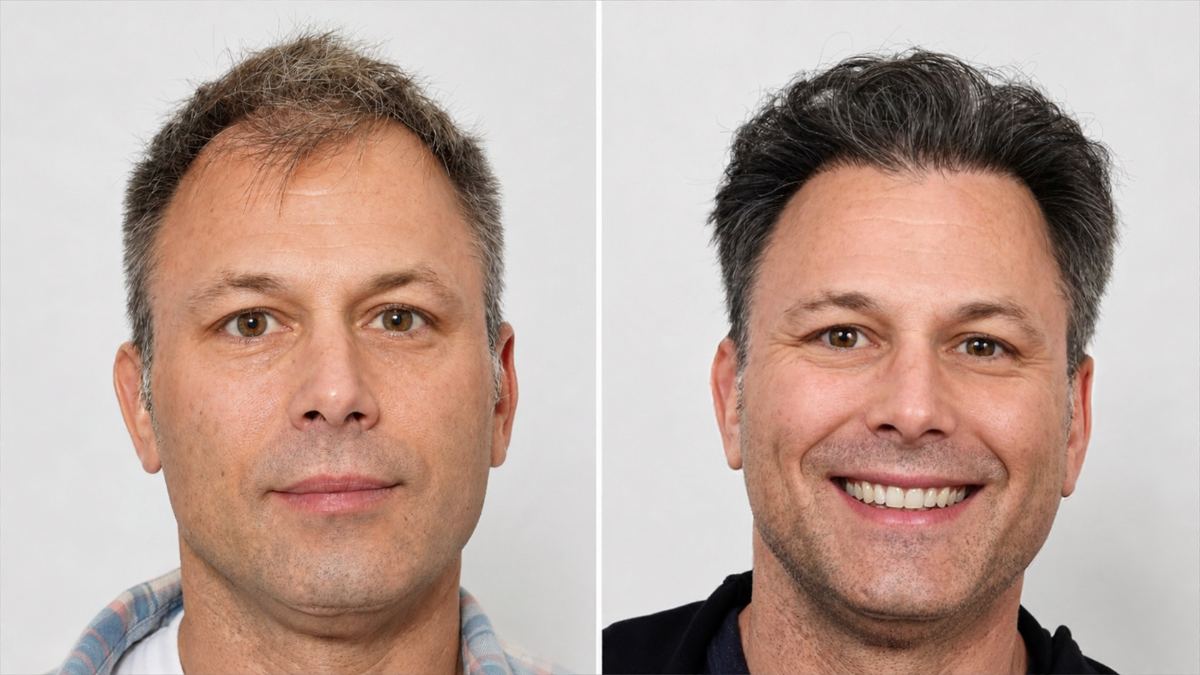
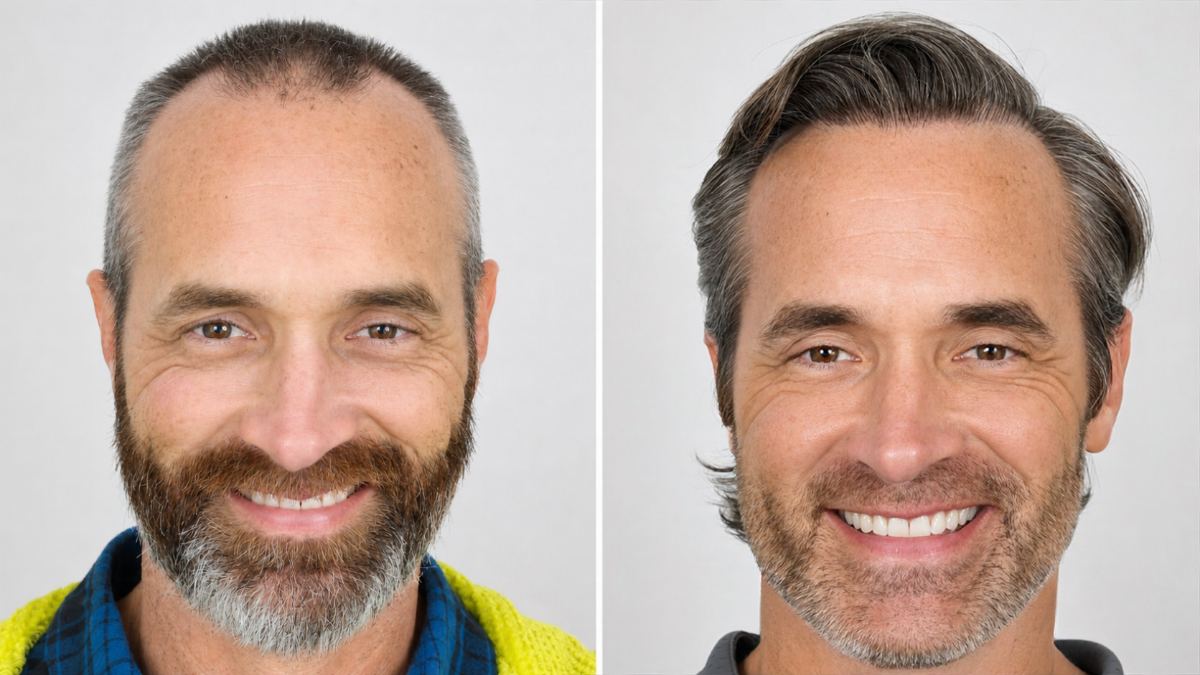
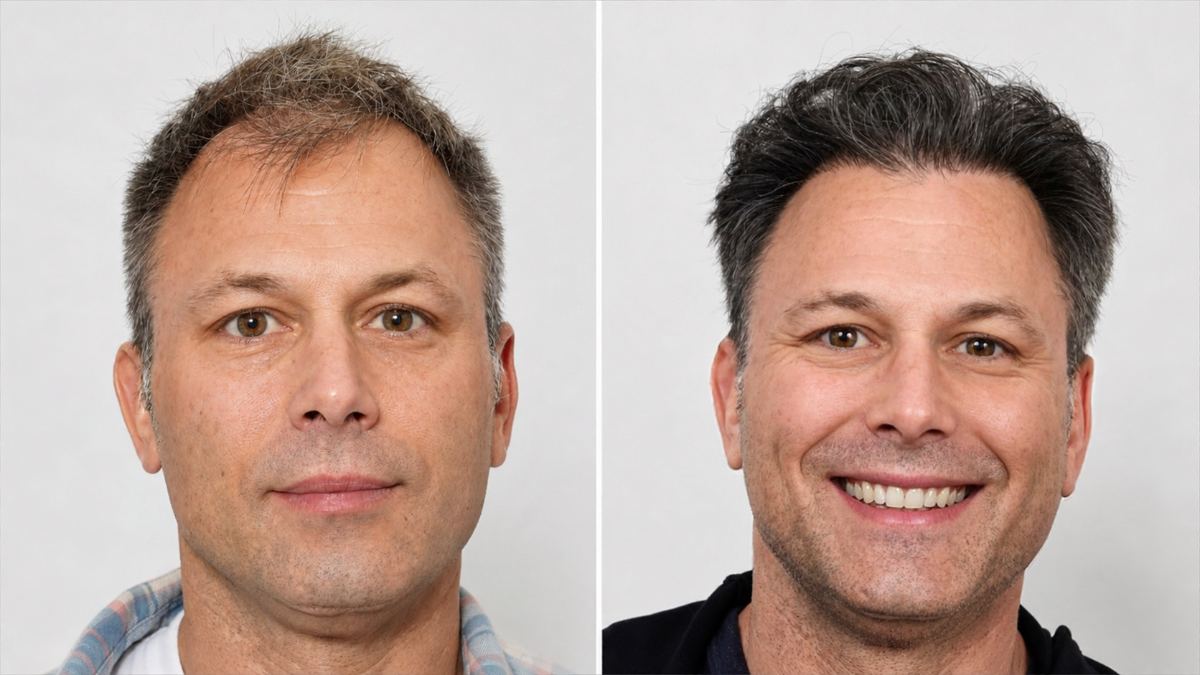
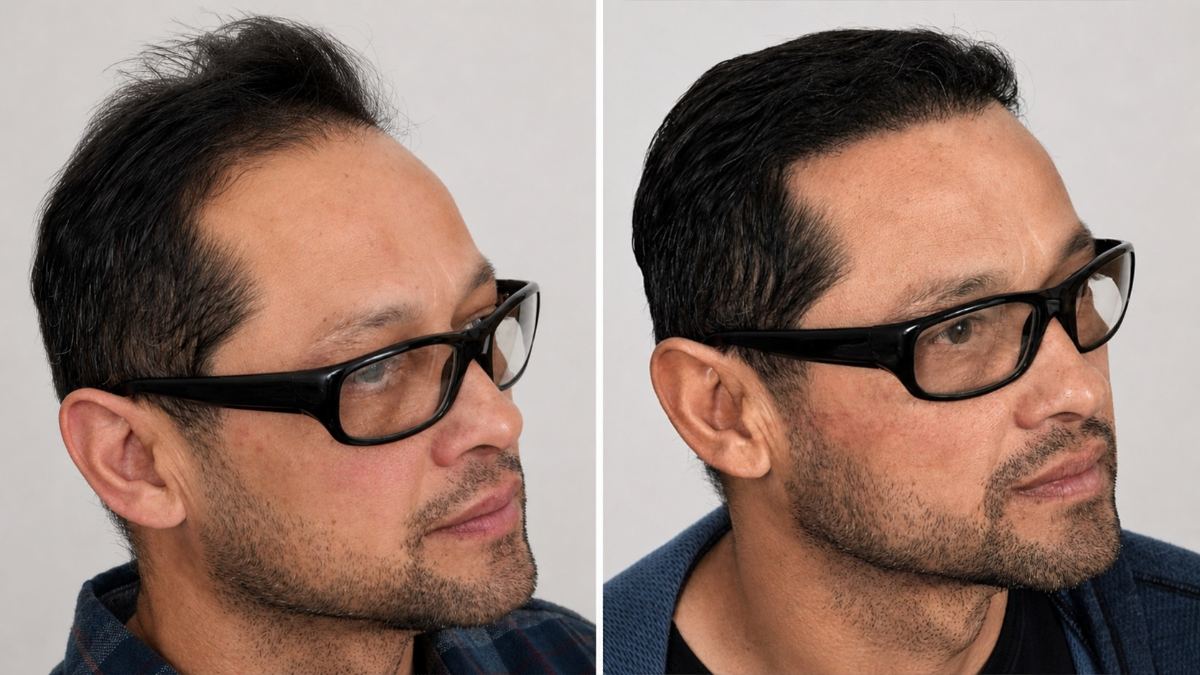
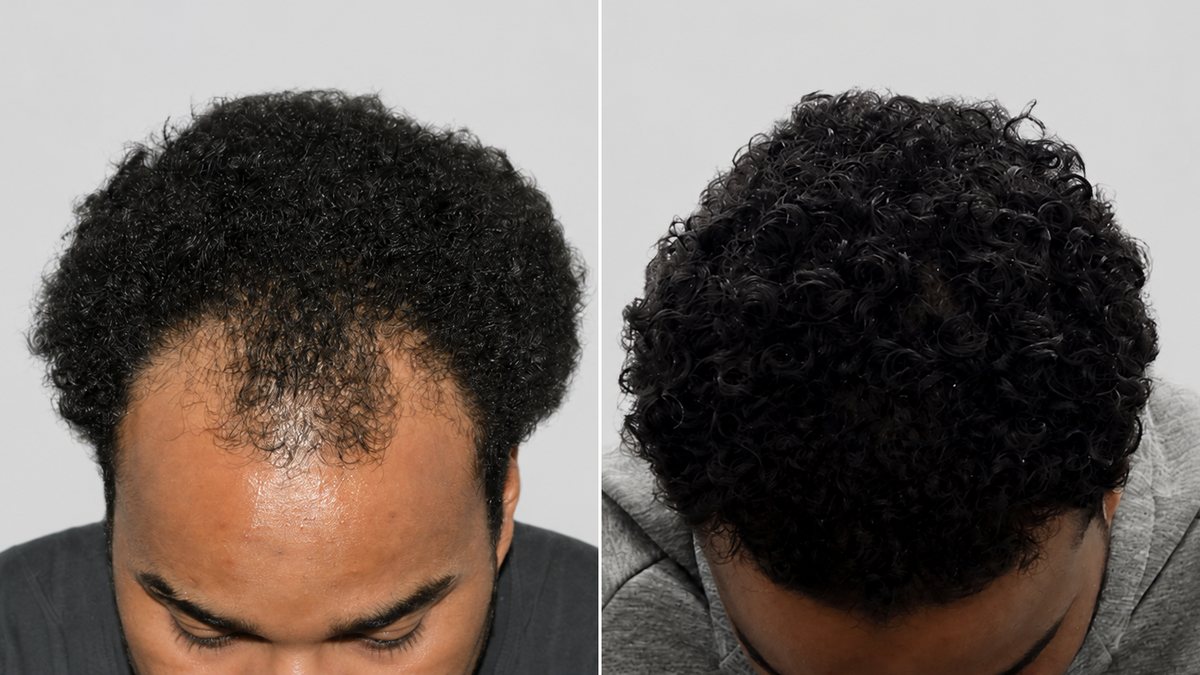
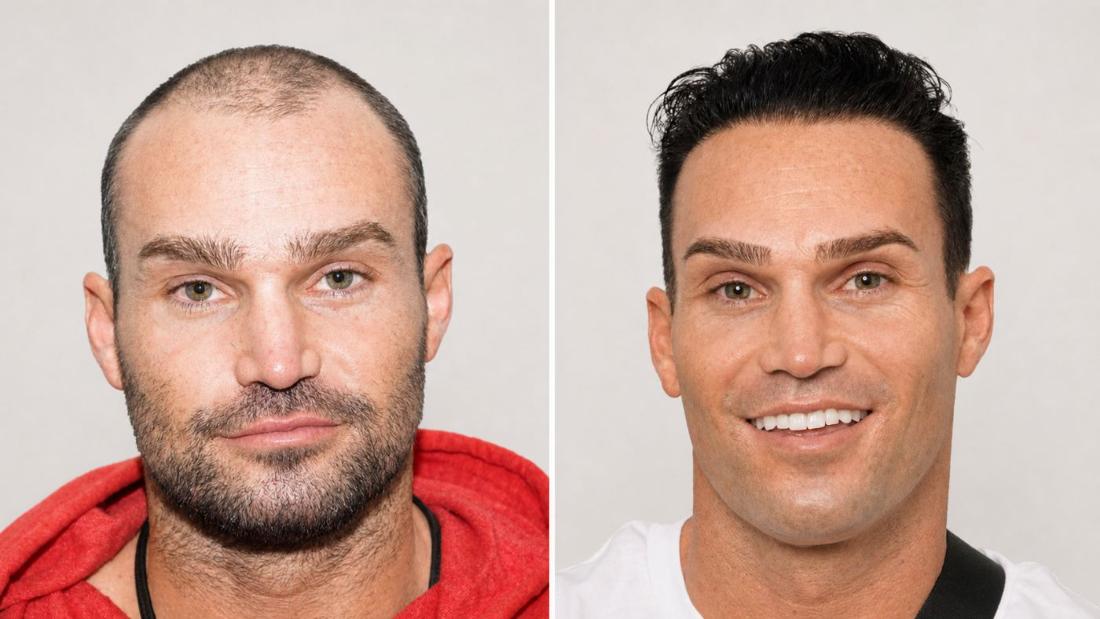
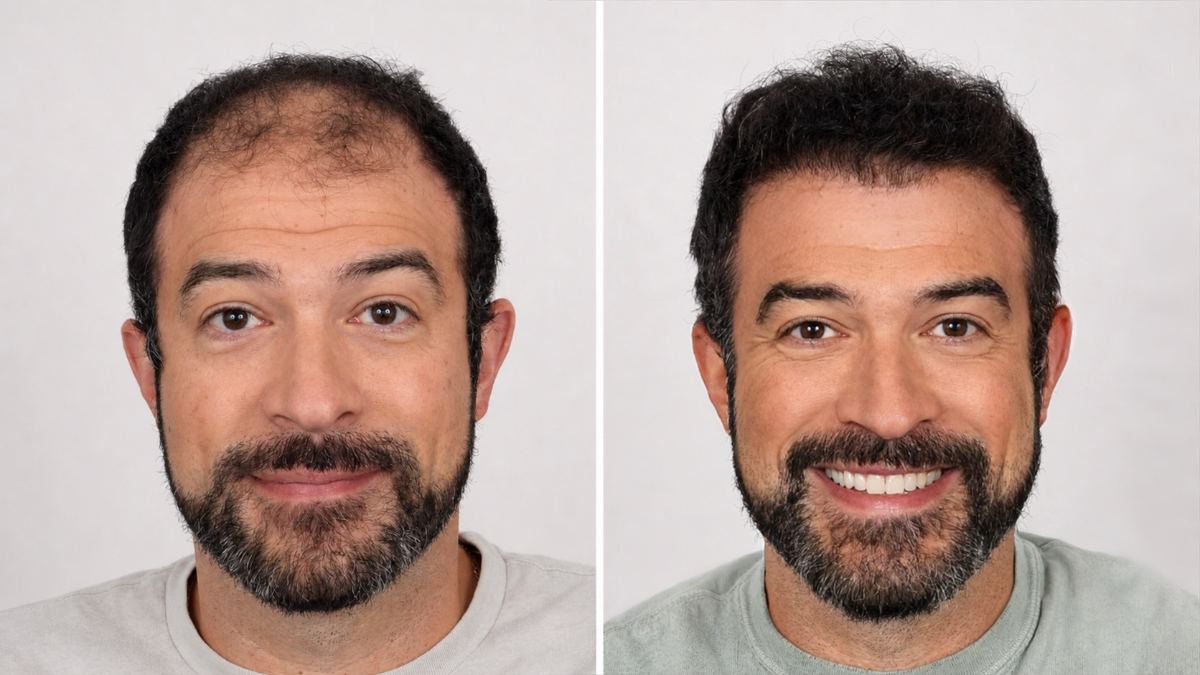
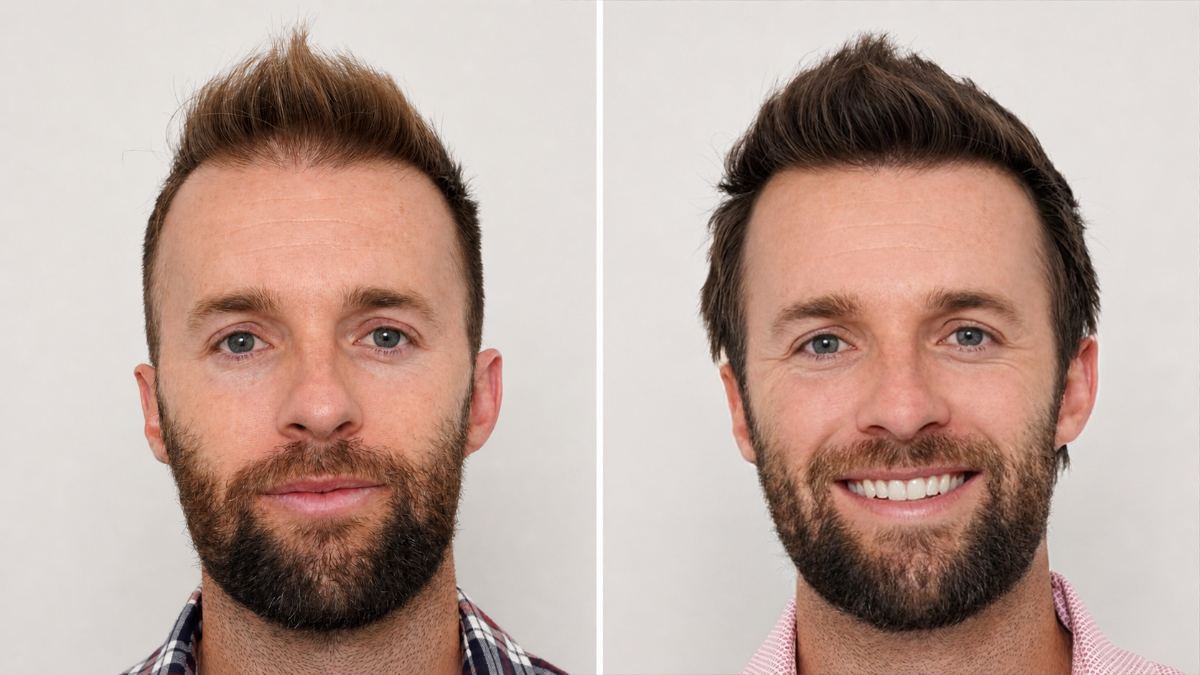
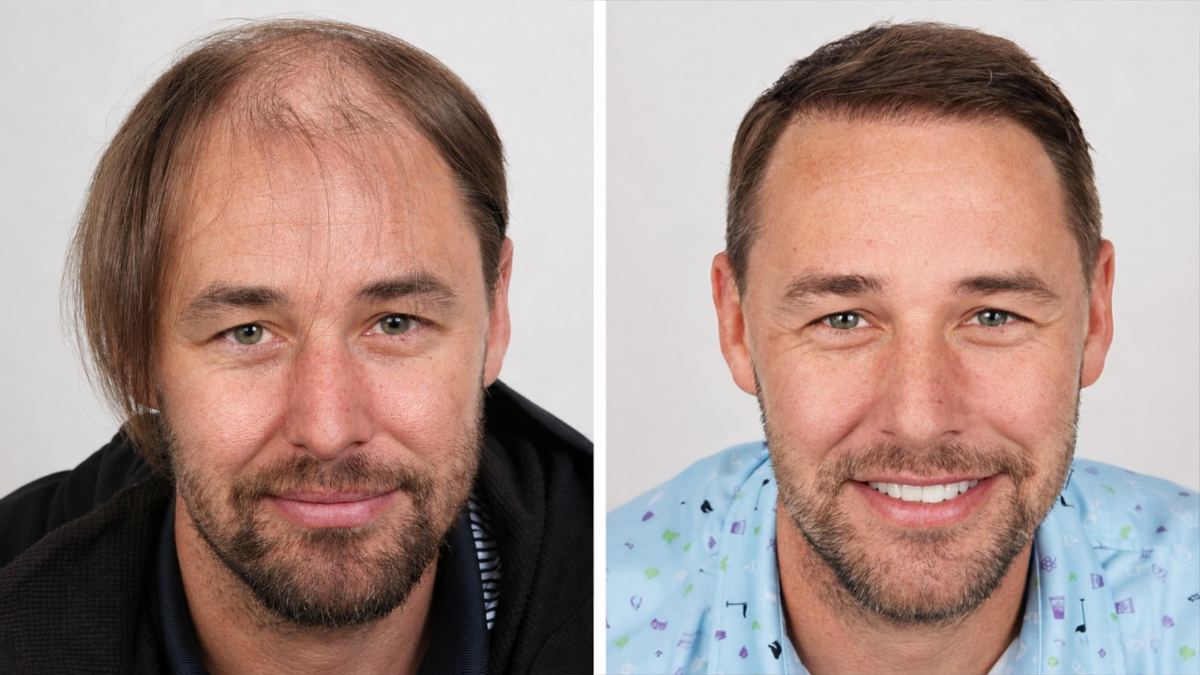
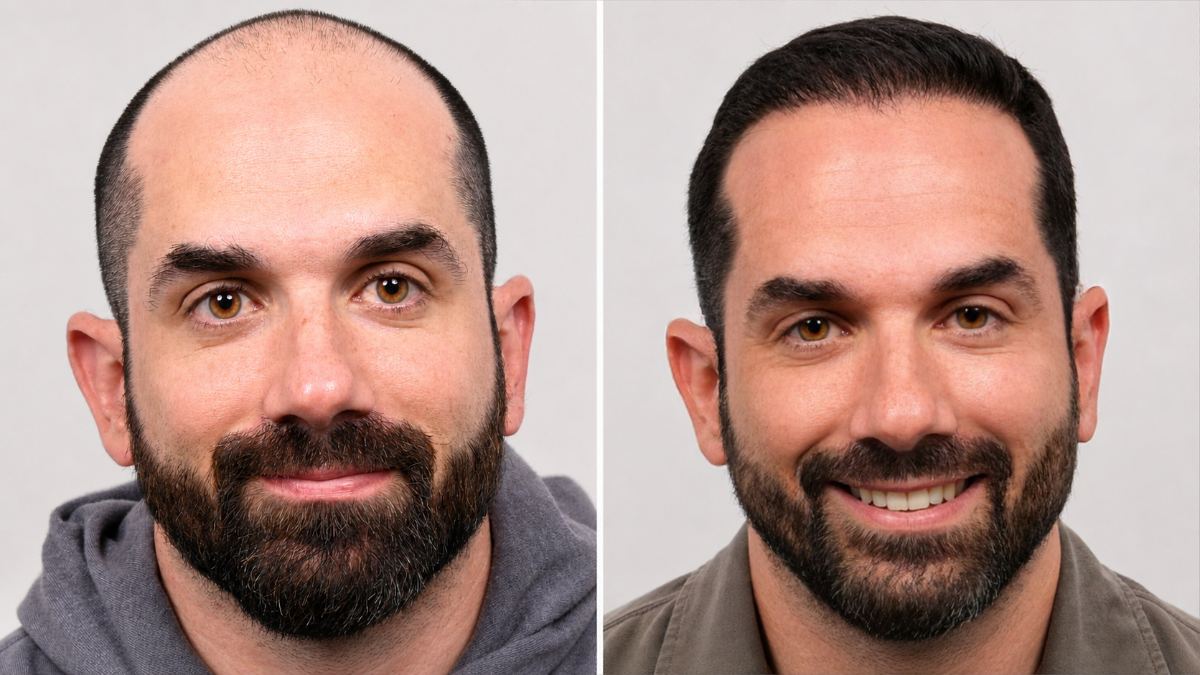
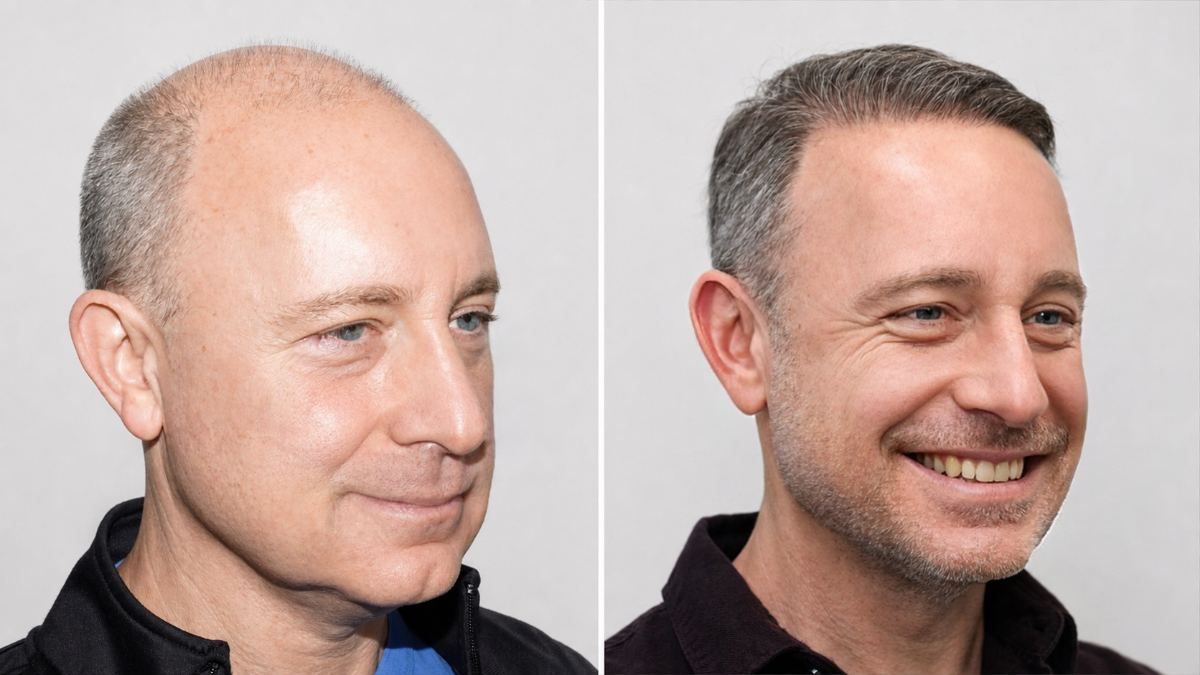
Every photo below is a real Advanced Hair patient: Advanced FUE™, their own natural hair, Guaranteed to Grow for Life™.
Kyle M. · 3,000 Advanced FUE™ grafts
Scott H. · 2,500 Advanced FUE™ grafts
Madison T. · 3,300 Advanced FUE™ grafts
AJ S. · 2,500 Advanced FUE™ grafts
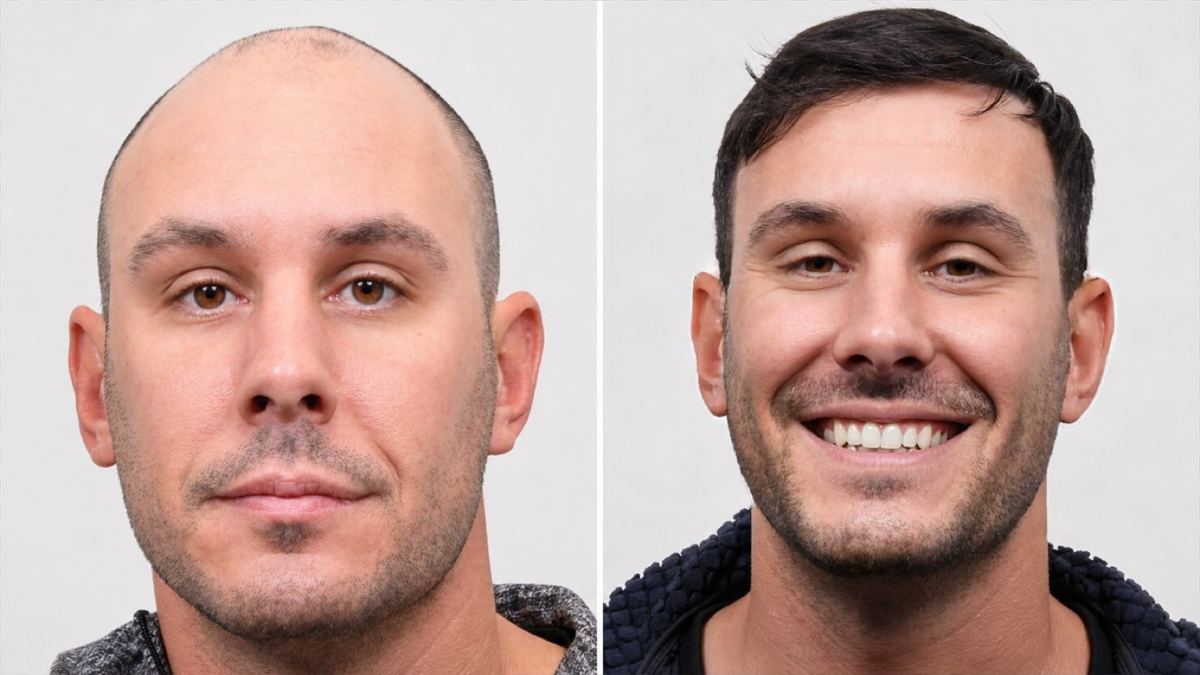
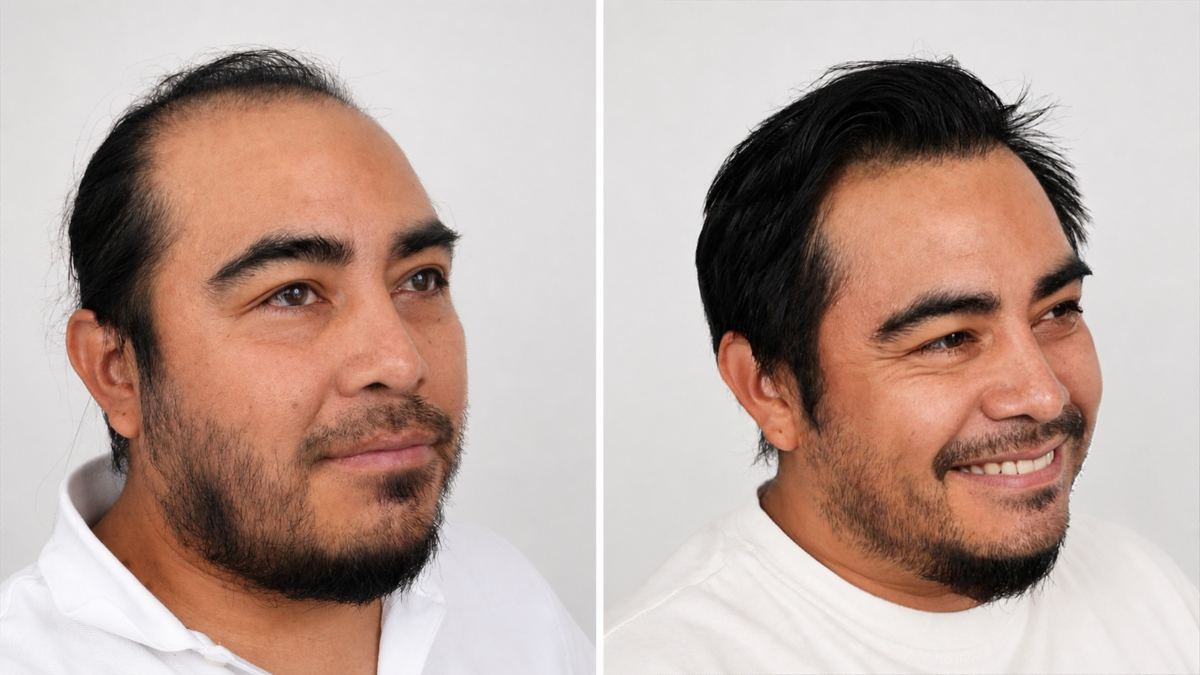
Individual results may vary.
Next step
Don’t leave your grafts to chance
Schedule a free consultation to see how our Advanced FUE™ protocol would protect your grafts. Consultations are in person, so a hair loss professional can examine your scalp and donor area directly and map your exact graft count.