
Am I a Candidate for a Hair Transplant?

Planning Your Procedure
Am I a Candidate for a Hair Transplant?
Whether a hair transplant is right for you depends on your hair loss pattern, donor hair availability, overall health and personal expectations. Here are the factors that make a good candidate, and what happens at your consultation.

Key takeaways
- Your Advanced Hair Restoration® physician is the only one who can determine if you are a candidate, helped by a health questionnaire you complete at your consultation.
- Candidates typically fall within Norwood Scale stages 2 to 7, and their hair loss should be stable for at least six months to a year. Women with patterned hair loss or traction alopecia can also benefit.
- Good candidates have an adequate donor area and are in good overall health. There is no strict age limit, but candidates should generally be over 20 to 25 years old.
- A hair transplant can significantly improve hair density and appearance, but complete restoration to original density may not always be possible. Realistic expectations, post-operative care and patience all matter.
Hair transplantation is a transformative procedure that can restore natural-looking hair for individuals experiencing hair loss. However, not everyone is an ideal candidate for this treatment.
Your Advanced Hair Restoration® physician is the only one who can determine if you are a candidate for a hair transplant. When you come in for your consultation, you will be asked to complete a health questionnaire that will help the physician determine your candidacy.
Below, we have outlined several of the factors that influence candidacy for hair transplantation.
Who is a candidate for hair transplantation?
Extent of hair loss
- Norwood Scale: Candidates typically fall within Norwood Scale stages 2 to 7, indicating varying degrees of male pattern baldness. Women with patterned hair loss or traction alopecia can also benefit.
- Stable hair loss: Candidates should have stabilized their hair loss pattern for at least six months to a year before considering a hair transplant.
Donor hair availability
- Sufficient donor area: Hair transplantation requires an adequate donor area, usually the back or sides of the scalp, where hair follicles are genetically resistant to hair loss.
- Quality of donor hair: The quality and density of donor hair follicles play a crucial role in achieving desired results.
General health and age
- Good health: Candidates should be in overall good health, without any underlying medical conditions that could interfere with healing or the procedure.
- Age consideration: While there is no strict age limit, candidates should generally be over 20 to 25 years old, as hair loss patterns stabilize by this age. Older candidates should have realistic expectations about the outcomes.
Expectations and goals
- Realistic expectations: Candidates should have realistic expectations about the results of hair transplantation. While it can significantly improve hair density and appearance, complete restoration to original density may not always be possible.
- Personal goals: Candidates should have a clear understanding of their personal goals and motivations for undergoing hair transplantation.
Commitment to post-operative care
- Follow-up care: Candidates should be willing to follow post-operative care instructions provided by their hair restoration specialist, including medication use and activity restrictions.
- Patience: Hair transplantation results take time to fully develop, and candidates should be patient during the recovery and growth phases.
Free consultation
Not sure if you are a candidate?
At a free, in-person consultation, an Advanced Hair Restoration® hair loss professional examines your scalp and donor area directly and maps your exact graft count, so you can find out whether a hair transplant is right for you.
Consultation process at Advanced Hair Restoration®
Initial assessment
- Evaluation: A comprehensive evaluation of your hair loss pattern, scalp condition, and donor hair quality will be conducted.
- Medical history: Discussion of your medical history, including any previous hair loss treatments or procedures.
Customized treatment plan
- Personalized approach: Based on the assessment, a personalized treatment plan will be developed to address your specific needs and goals.
- Procedure explanation: Detailed explanation of the hair transplantation procedure, including the chosen technique (FUE or FUT), expected outcomes, and recovery process.
Patient education
- Risks and benefits: Clear communication about the risks, benefits, and potential complications associated with hair transplantation.
- Alternative options: Discussion of alternative hair restoration treatments, such as medications or non-surgical therapies, if applicable.
Why choose Advanced Hair Restoration®?
- Expertise: Our team consists of experienced hair restoration specialists who have performed numerous successful procedures.
- Advanced techniques: We utilize state-of-the-art technology and advanced techniques to achieve natural-looking results.
- Patient-centered care: We prioritize patient satisfaction and provide ongoing support throughout the hair restoration journey.
Conclusion
Determining if you are a candidate for hair transplantation involves evaluating your hair loss pattern, donor hair availability, overall health, and personal expectations. At Advanced Hair Restoration®, we offer personalized consultations to help you make an informed decision about restoring your hair and confidence. If you are considering hair transplantation, schedule a free consultation with us today to begin your journey toward a fuller head of hair. The consultation takes place in person, so a hair loss professional can examine your scalp and donor area directly and map your exact graft count.
Questions patients ask
Hair transplant candidacy questions
Am I a good candidate for a hair transplant?
Candidates typically fall within Norwood Scale stages 2 to 7, and women with patterned hair loss or traction alopecia can also benefit. A good candidate has stable hair loss, an adequate donor area, good overall health, realistic expectations and clear personal goals, and is willing to follow post-operative care instructions. Your Advanced Hair Restoration® physician is the only one who can determine if you are a candidate.
Is there an age limit for a hair transplant?
There is no strict age limit, but candidates should generally be over 20 to 25 years old. Your hair loss pattern should also have been stable for at least six months to a year before you consider a hair transplant, and older candidates should have realistic expectations about the outcomes.
Can a hair transplant restore my original hair density?
It can significantly improve hair density and appearance, but complete restoration to original density may not always be possible. The quality and density of your donor hair play a crucial role in the result, and results take time to fully develop, so be patient during the recovery and growth phases.
What happens at a hair transplant consultation?
You complete a health questionnaire that helps the physician determine your candidacy. Your hair loss pattern, scalp condition and donor hair quality are evaluated, and your medical history is discussed, including any previous hair loss treatments or procedures. You then receive a personalized treatment plan and a detailed explanation of the procedure, including the chosen technique (FUE or FUT), expected outcomes and recovery. The risks, benefits and potential complications are explained, and alternative treatments such as medications or non-surgical therapies are discussed if applicable. The consultation is free and takes place in person, so a hair loss professional can examine your scalp and donor area directly and map your exact graft count.
Real Results
Simple 1 Day Treatment®. Lifetime Results.
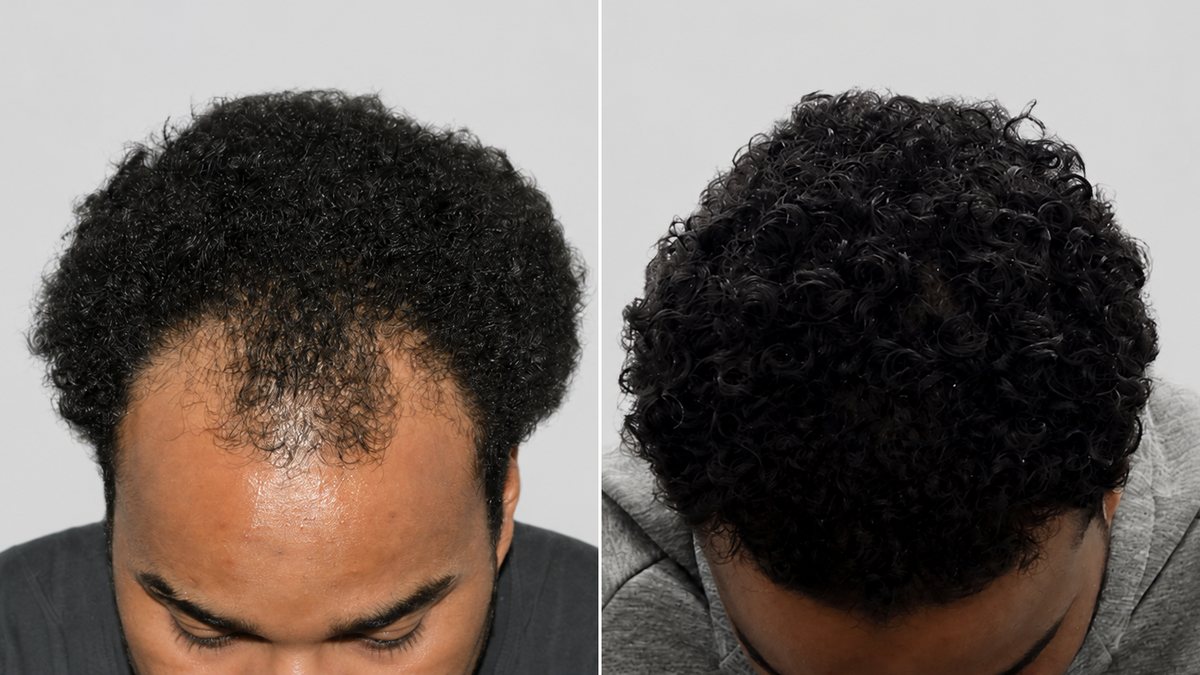
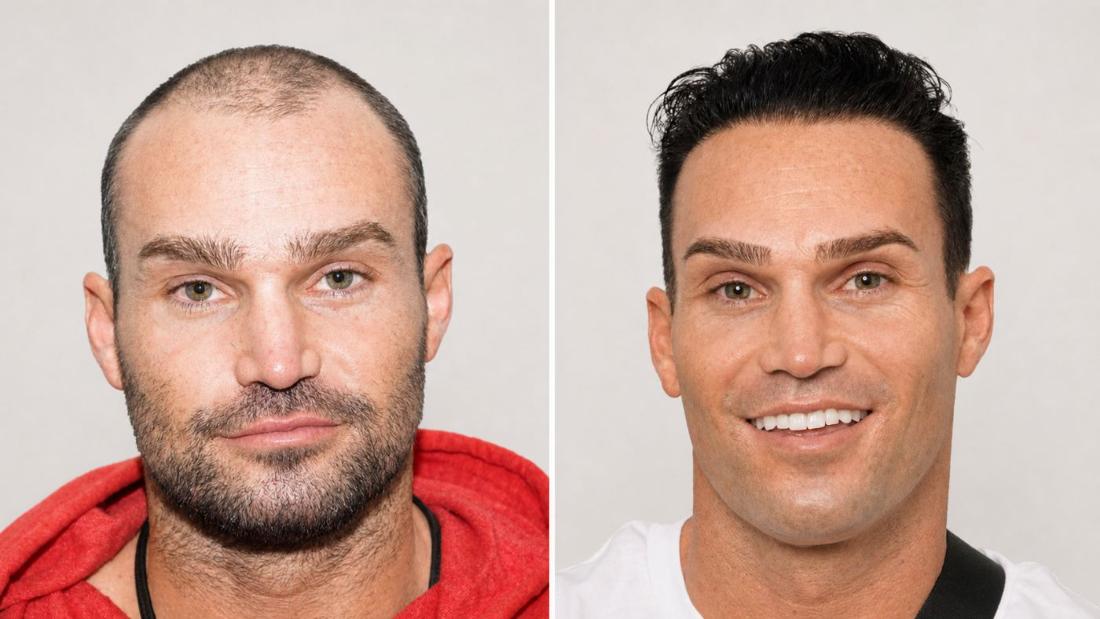
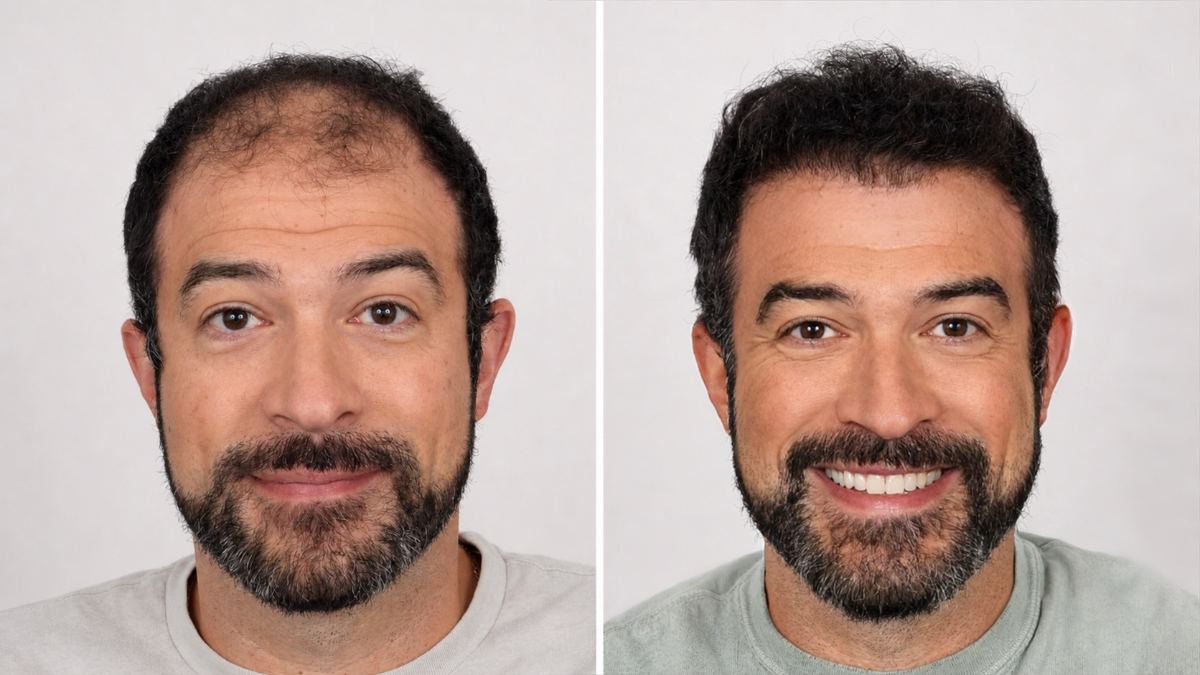
Every photo below is a real Advanced Hair patient: Advanced FUE™, their own natural hair, Guaranteed to Grow for Life™.
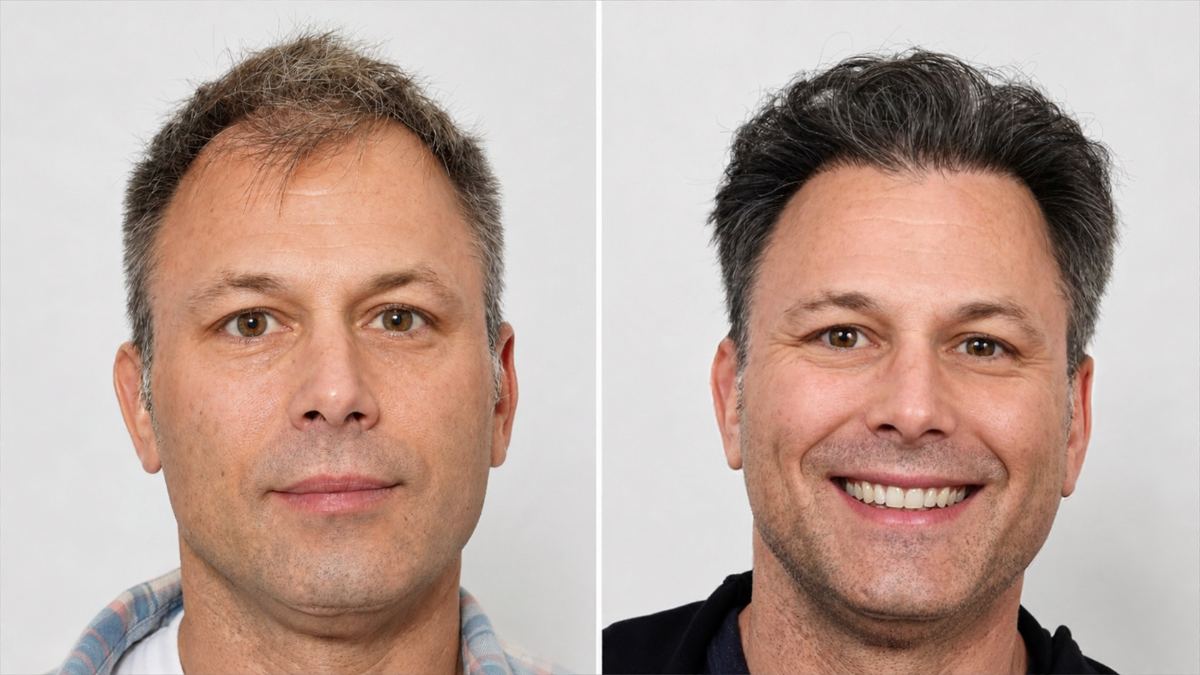
Kyle M. · 3,000 Advanced FUE™ grafts
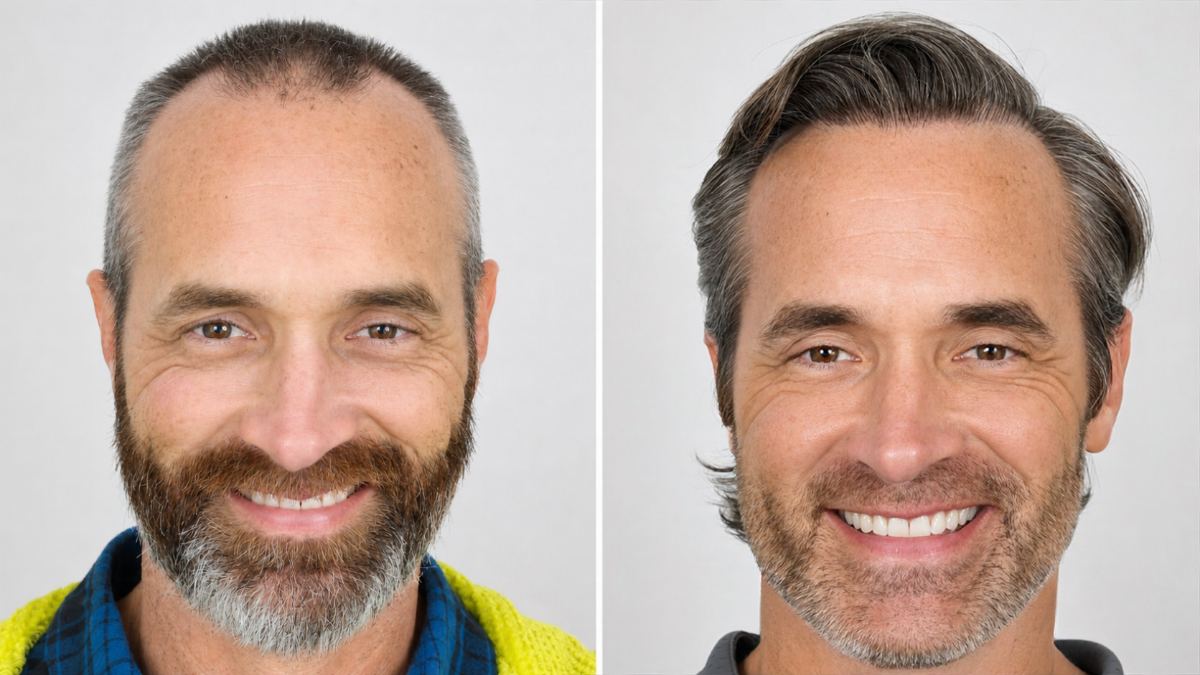
Scott H. · 2,500 Advanced FUE™ grafts
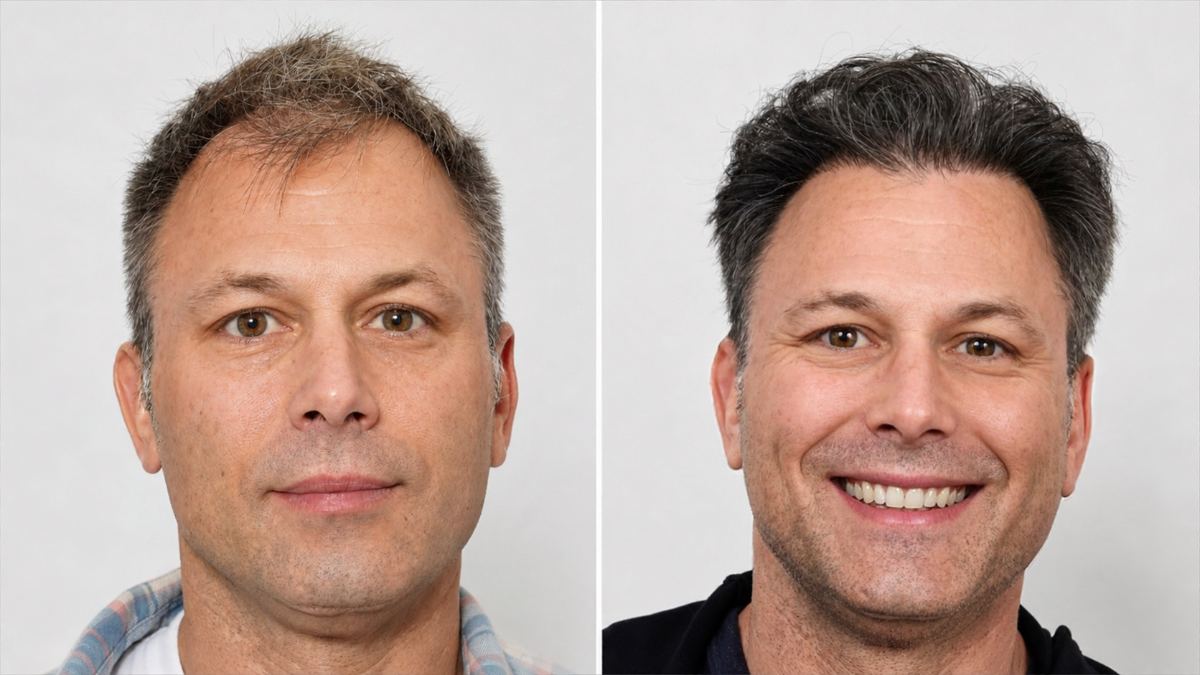
Madison T. · 3,300 Advanced FUE™ grafts
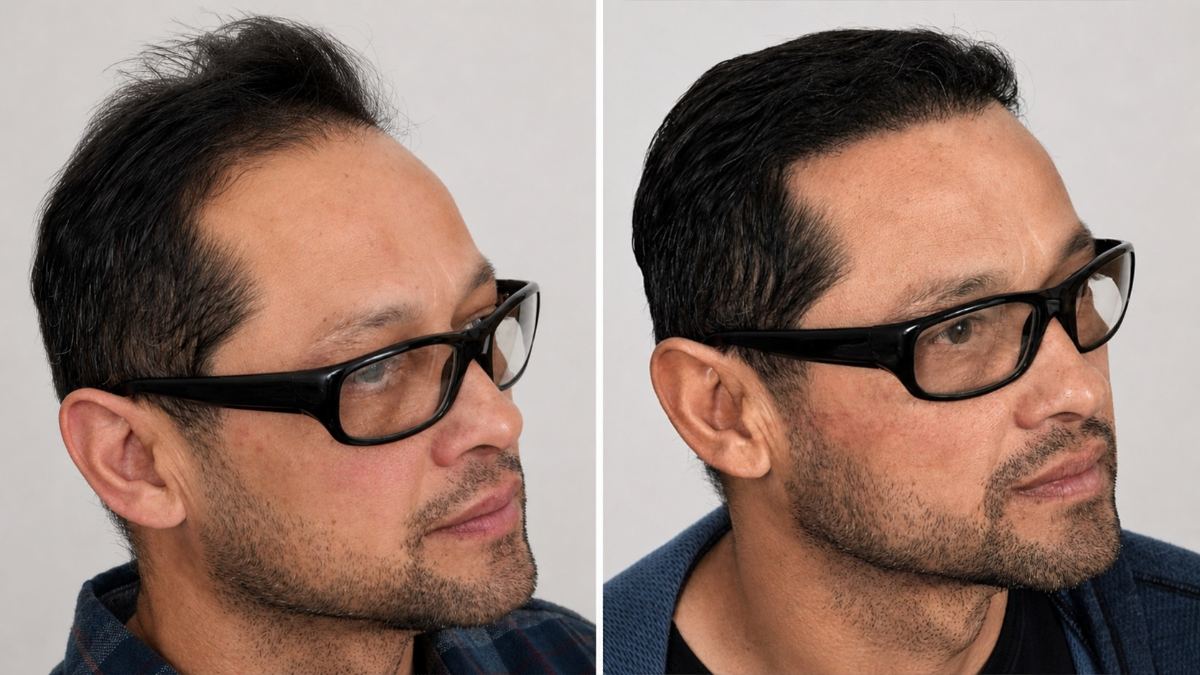
AJ S. · 2,500 Advanced FUE™ grafts
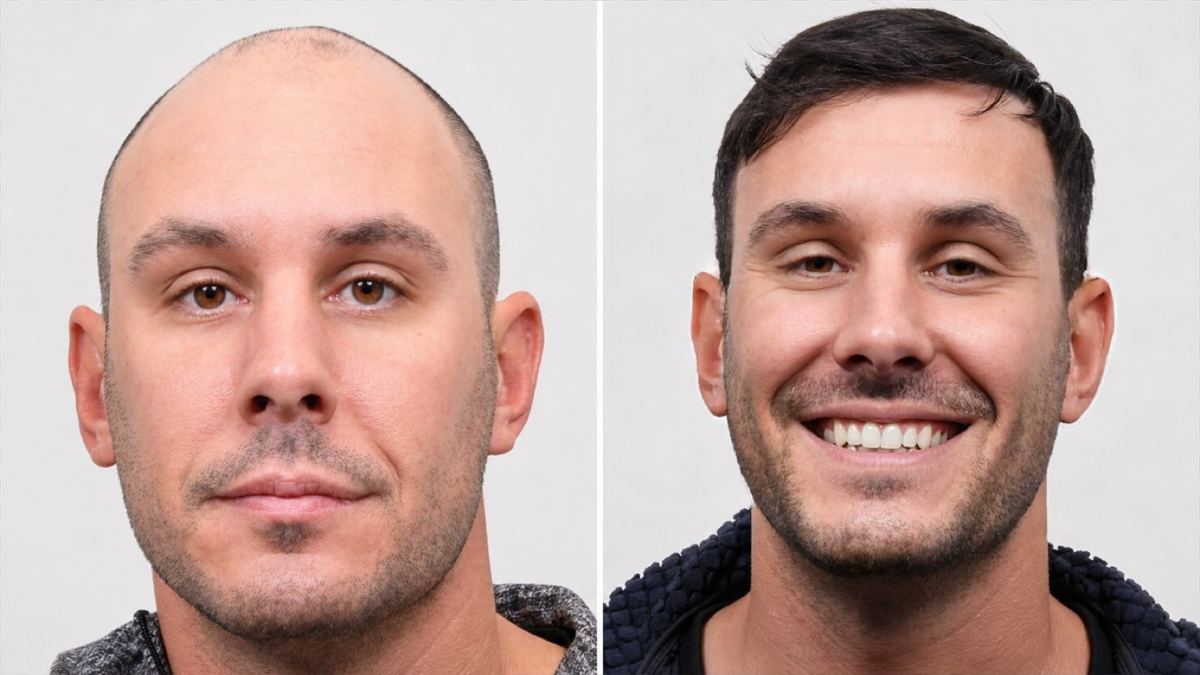
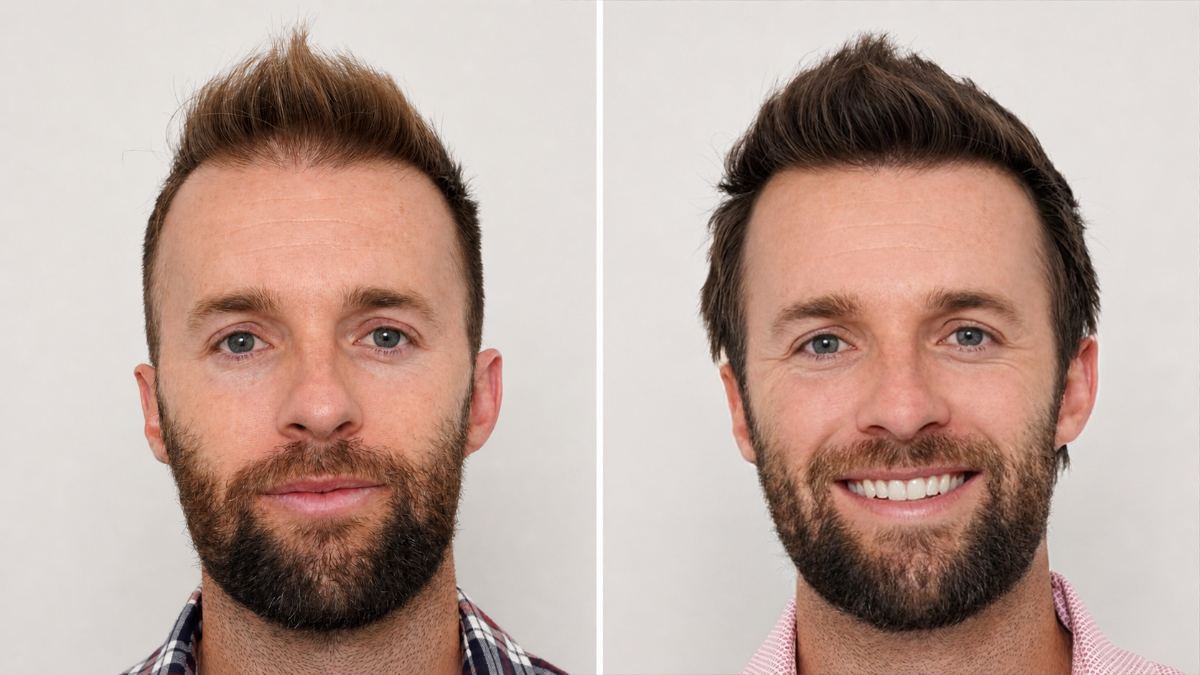
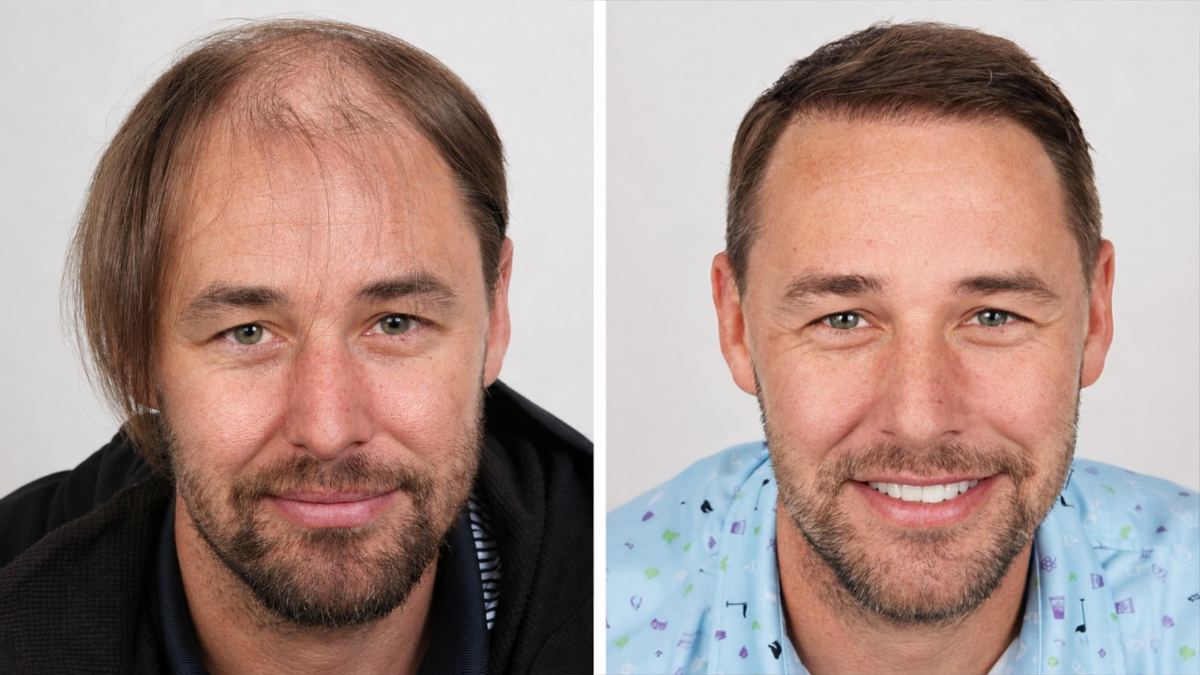
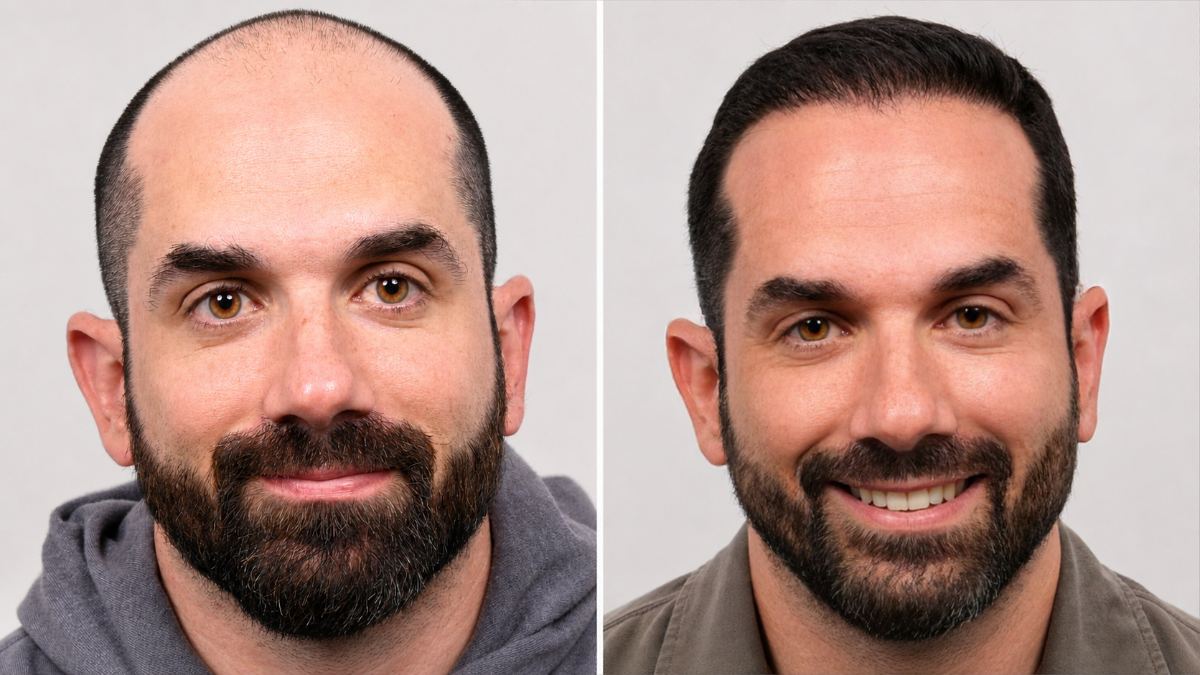
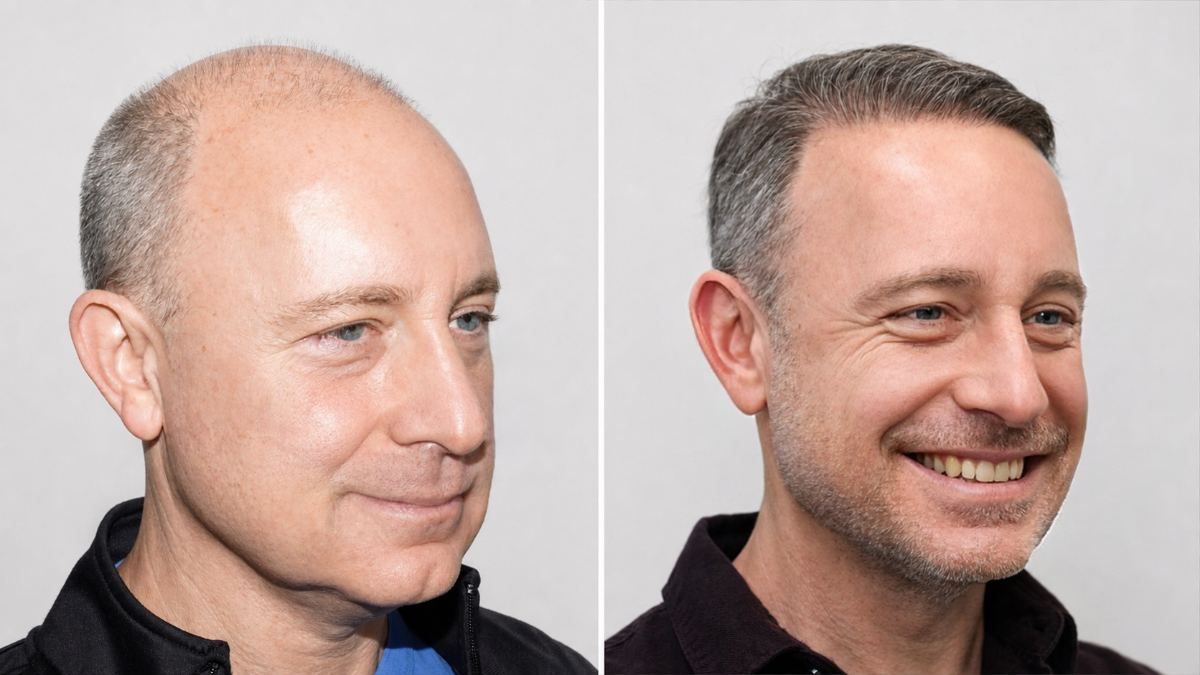
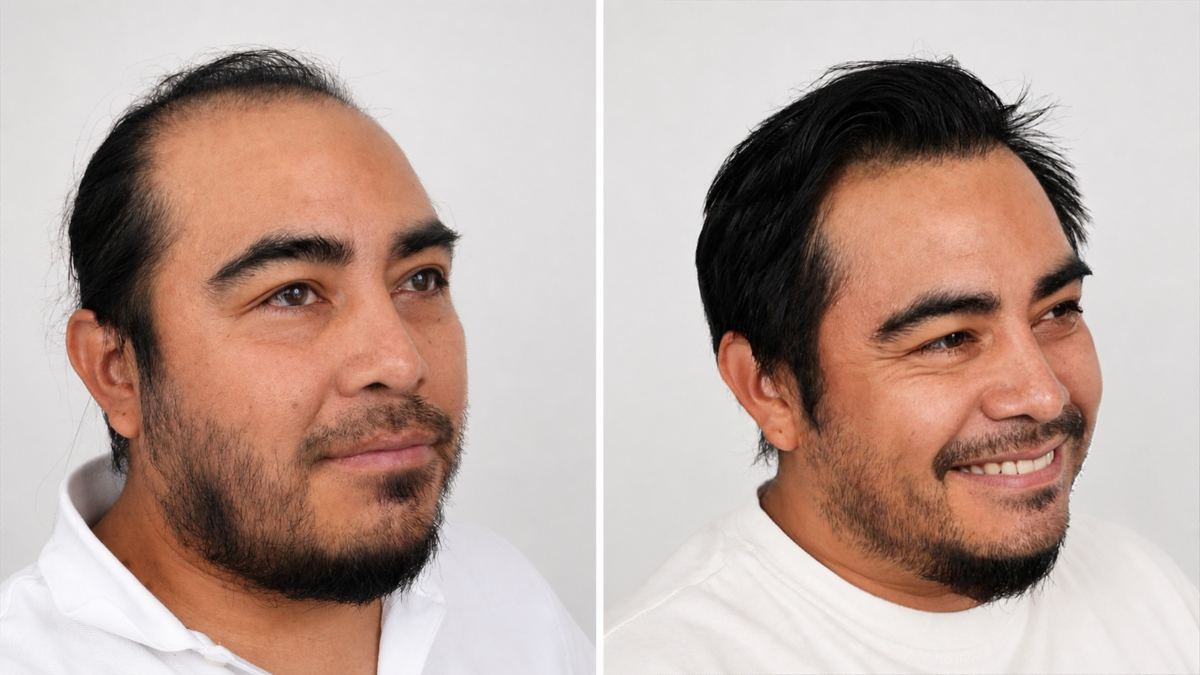
Individual results may vary.
Next step
Find out if you are a candidate
Only a physician can determine whether you are a candidate for a hair transplant. Schedule a free consultation with Advanced Hair Restoration®. Meeting in person lets a hair loss professional examine your scalp and donor area directly and map your exact graft count.