

The Procedure
Beard Hair Transplantation: Achieving Your Desired Facial Appearance
Not everyone can naturally grow the beard they want. Here is how beard hair transplantation works, how it helps cisgender men and transgender men, and what to expect from consultation to recovery.

Key takeaways
- Beard hair transplantation moves hair follicles from a donor area, usually the back or sides of the scalp, to the face. The procedure is customized to each individual’s facial structure and hair growth pattern.
- A beard transplant can help whether you have patchy growth or no facial hair at all. Cisgender men often seek it to fill in sparse or uneven areas for a fuller, more defined beard.
- For transgender men (F-M), hormone replacement therapy (HRT) can stimulate facial hair growth, but the results may vary. When HRT alone does not give the density or coverage they want, a transplant can help create a fuller, more masculine beard.
- The process runs from consultation and donor area selection to transplantation and recovery. Any mild swelling or redness typically subsides within a few days, and the transplanted hair begins to grow naturally over the next few months.
Facial hair, particularly a well-groomed beard, is often associated with masculinity, maturity, and confidence.
Beard hair transplantation: a path to masculine confidence
For many men, both cisgender (a person whose gender identity corresponds with the sex registered for them at birth) and transgender (those whose gender identity, expression, or behavior differs from the sex they were assigned at birth), a beard is a key component of their identity. However, not everyone can naturally grow the thick, full beard they desire. Fortunately, beard hair transplantation offers a solution that allows individuals to achieve the facial hair they’ve always wanted.
What is beard hair transplantation?
Beard hair transplantation involves moving hair follicles from a donor area, usually the back or sides of the scalp, to the face. This procedure is customized to each individual’s facial structure and hair growth pattern, ensuring a natural and aesthetically pleasing result. Whether you have patchy growth or no facial hair at all, beard hair transplantation can help you attain the look you desire.
Hair from the scalp is also used to restore eyebrows: an eyebrow transplant can fill out patchy or partial brows, or restore absent ones.
Free consultation
Find out what a beard transplant can do for you
Talk through your goals in a free consultation with Advanced Hair Restoration®. It takes place in person, so a hair loss professional can examine your face and donor area directly and map the exact graft count.
Beard transplantation for cisgender men
Cisgender men often seek beard hair transplantation to enhance or fill in their existing facial hair. This procedure can address areas where hair growth is sparse or uneven, allowing for a fuller, more defined beard. The outcome is a beard that looks natural and complements your facial features, boosting your confidence and self-image.
Beard transplantation for F-M transition
For transgender men (F-M), the ability to grow facial hair can be a deeply affirming aspect of their gender expression. While hormone replacement therapy (HRT) can stimulate facial hair growth, the results may vary. Some transgender men may not achieve the density or coverage they desire through HRT alone. Beard hair transplantation offers a solution, helping to create a fuller, more masculine beard that aligns with their gender identity.
This procedure is a vital part of the gender affirmation process for many transgender men, allowing them to feel more comfortable and confident in their appearance.
Our commitment
At Advanced Hair Restoration®, we approach every case with the care and sensitivity needed to support our patients on their journey.
The process: what to expect
01
Consultation
We begin with a thorough consultation to discuss your goals and evaluate your donor hair.
02
Donor area selection
Hair follicles are harvested from the back or sides of the scalp, where hair growth is most robust.
03
Transplantation
The harvested follicles are meticulously implanted into the desired areas of the face to create the beard.
04
Recovery
Mild swelling or redness may occur but typically subsides within a few days. Over the next few months, the transplanted hair will begin to grow naturally.
Conclusion
Beard hair transplantation is a transformative procedure that can help cisgender men and transgender men achieve the facial hair they’ve always desired. Whether you’re enhancing an existing beard or starting from scratch, this procedure can help you feel more confident in your appearance and more aligned with your identity.
Questions patients ask
Beard transplant questions
What is beard hair transplantation?
Beard hair transplantation moves hair follicles from a donor area, usually the back or sides of the scalp, to the face. The procedure is customized to each individual’s facial structure and hair growth pattern, and it can help whether you have patchy growth or no facial hair at all.
Can a beard transplant fill in a patchy beard?
Yes. Beard hair transplantation can address areas where hair growth is sparse or uneven, allowing for a fuller, more defined beard. Cisgender men often seek it to enhance or fill in their existing facial hair.
Can transgender men get a beard transplant?
Yes. Hormone replacement therapy (HRT) can stimulate facial hair growth, but the results may vary, and some transgender men may not achieve the density or coverage they desire through HRT alone. Beard hair transplantation can help create a fuller, more masculine beard that aligns with their gender identity.
What is recovery like after a beard transplant?
Mild swelling or redness may occur but typically subsides within a few days. Over the next few months, the transplanted hair will begin to grow naturally.
Real Results
Simple 1 Day Treatment®. Lifetime Results.
Every photo below is a real Advanced Hair patient: Advanced FUE™, their own natural hair, Guaranteed to Grow for Life™.
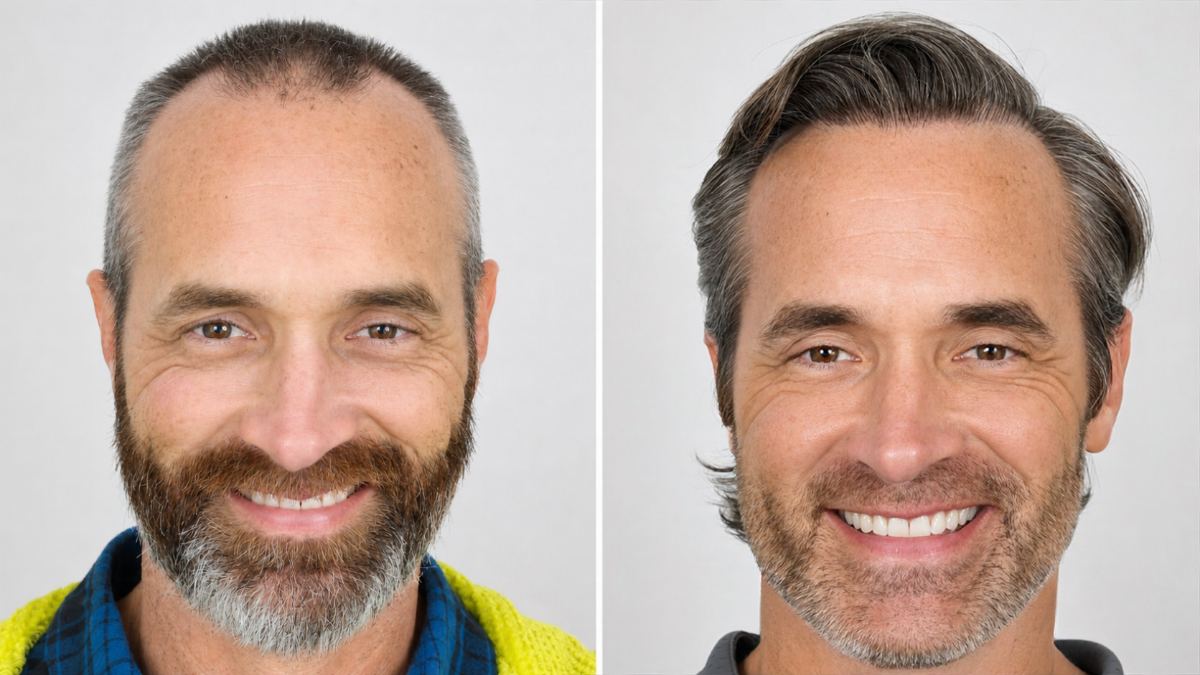
Kyle M. · 3,000 Advanced FUE™ grafts
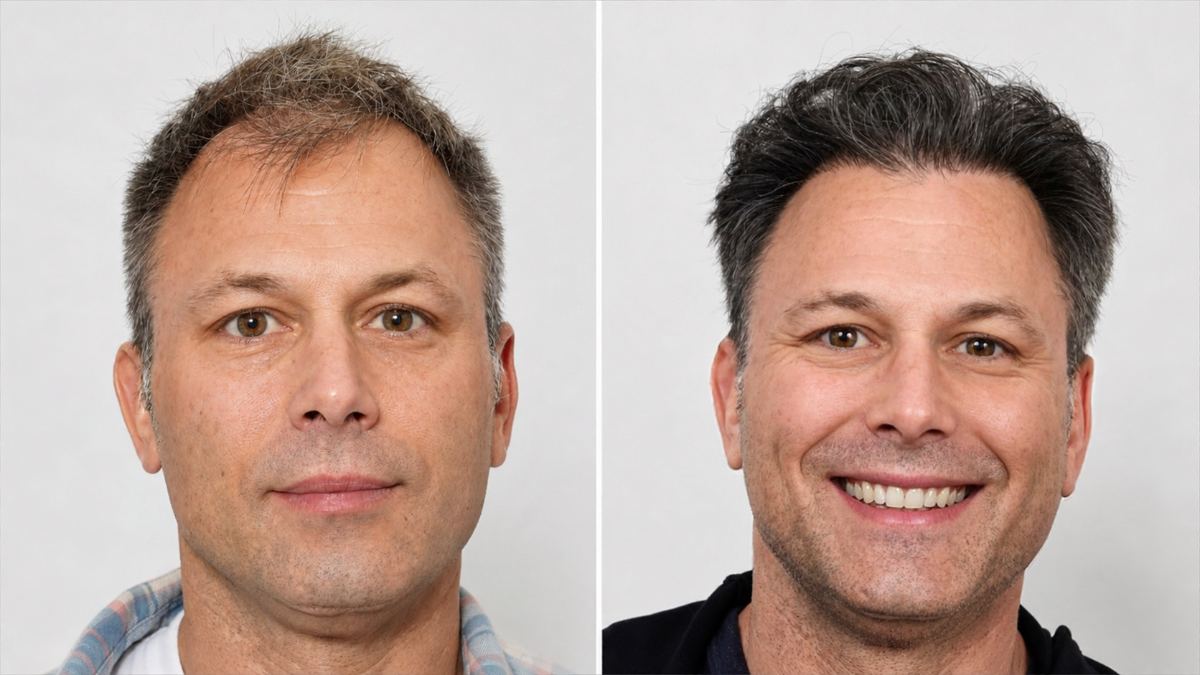
Scott H. · 2,500 Advanced FUE™ grafts
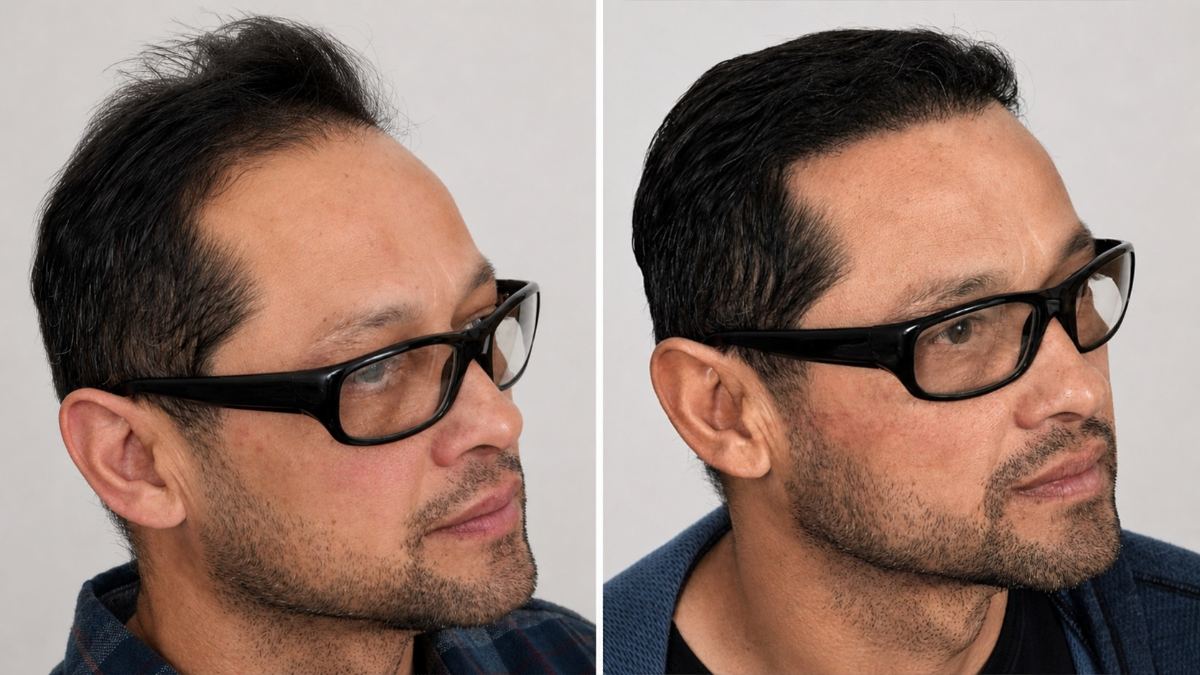
Madison T. · 3,300 Advanced FUE™ grafts
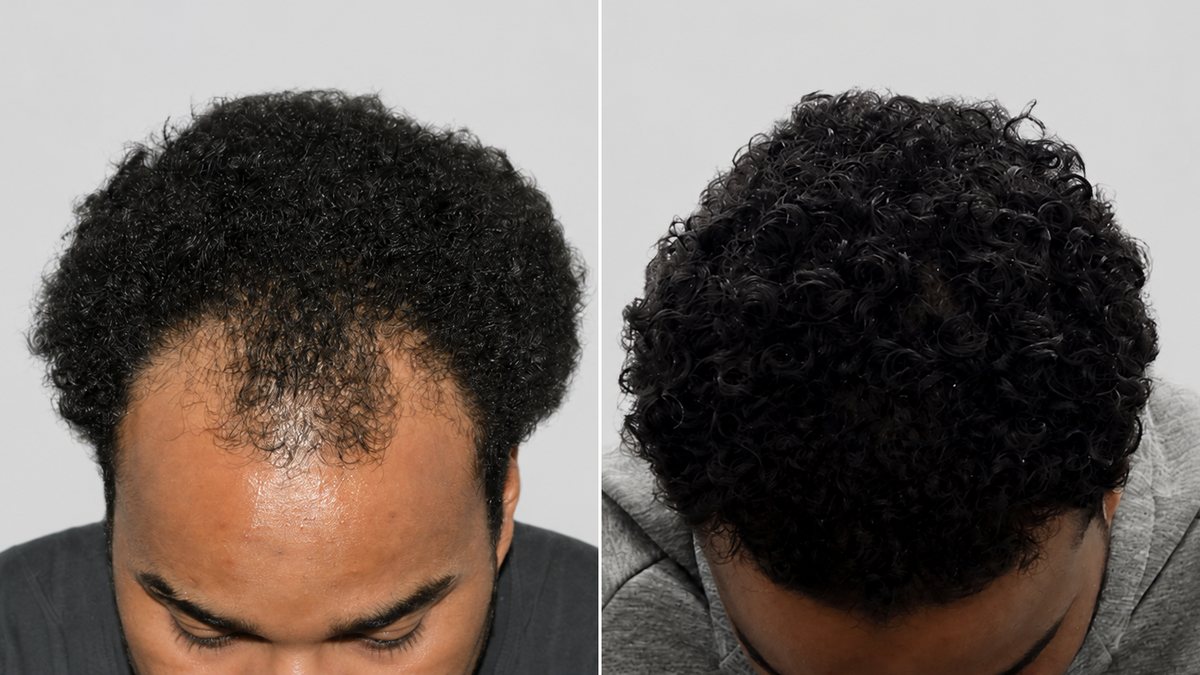
AJ S. · 2,500 Advanced FUE™ grafts
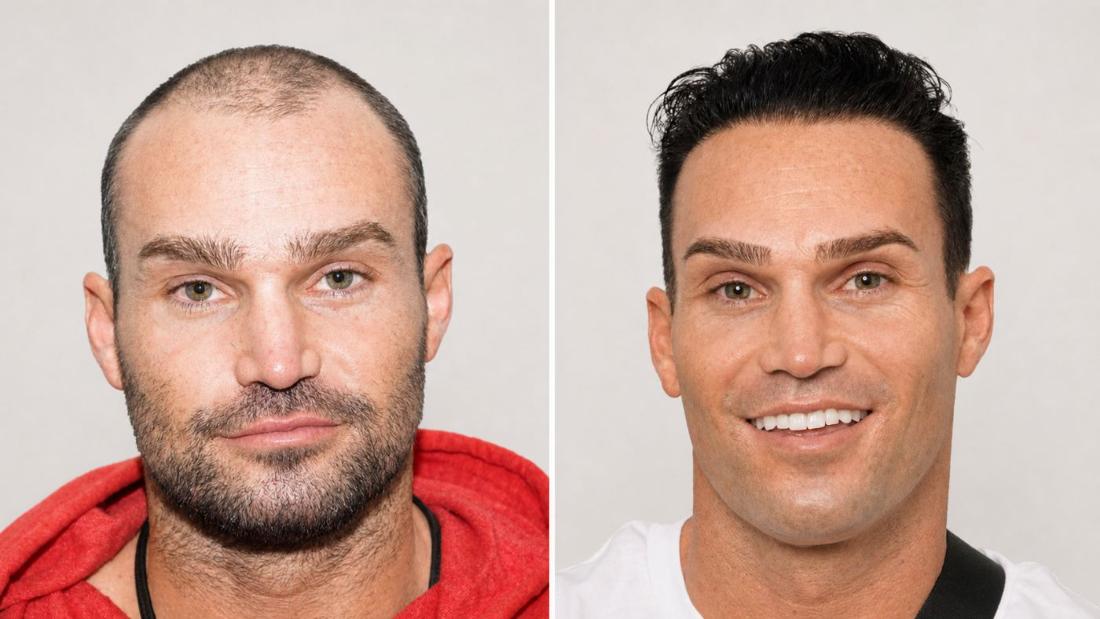
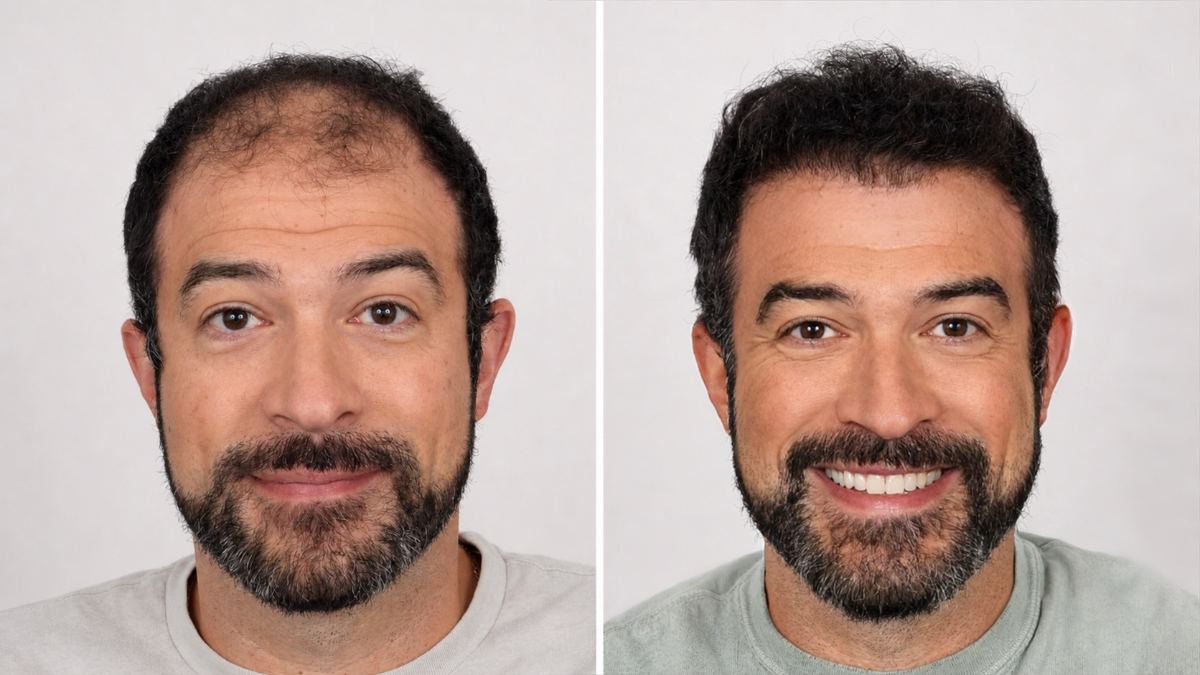
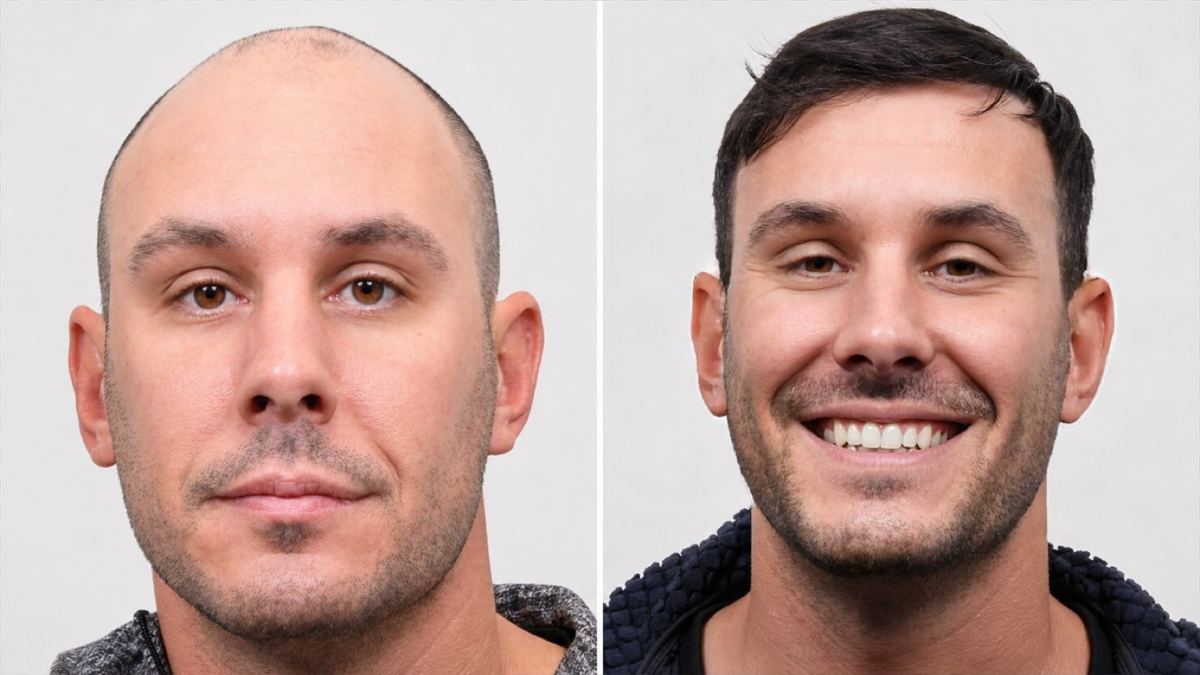
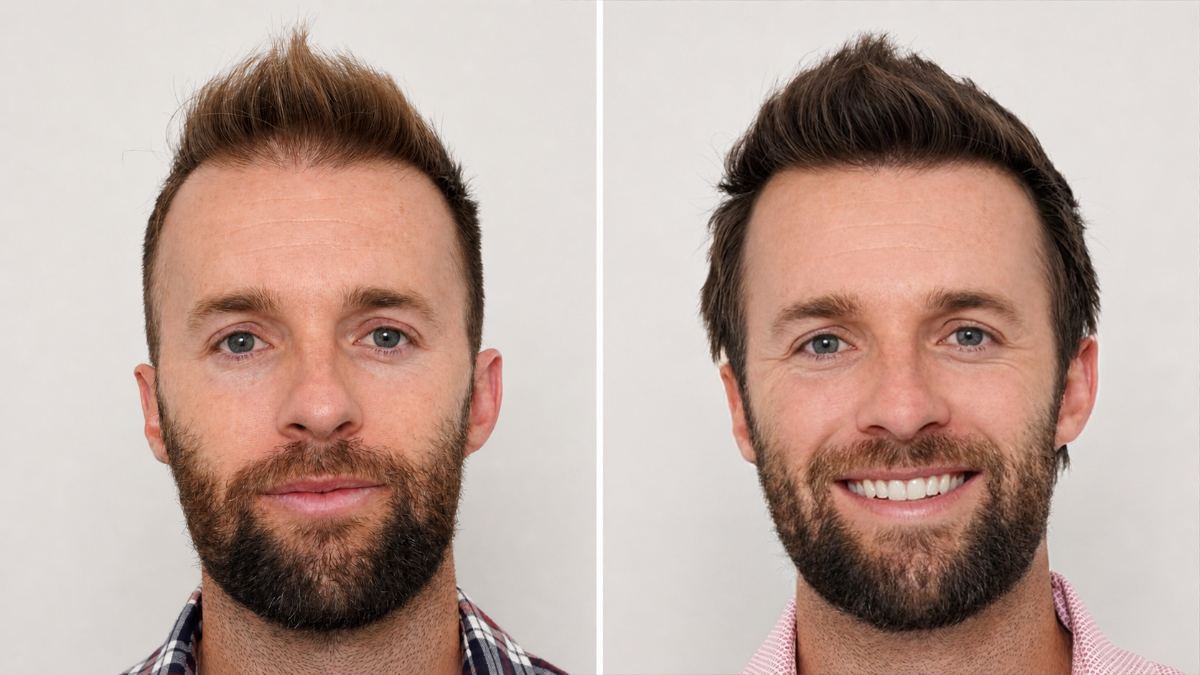
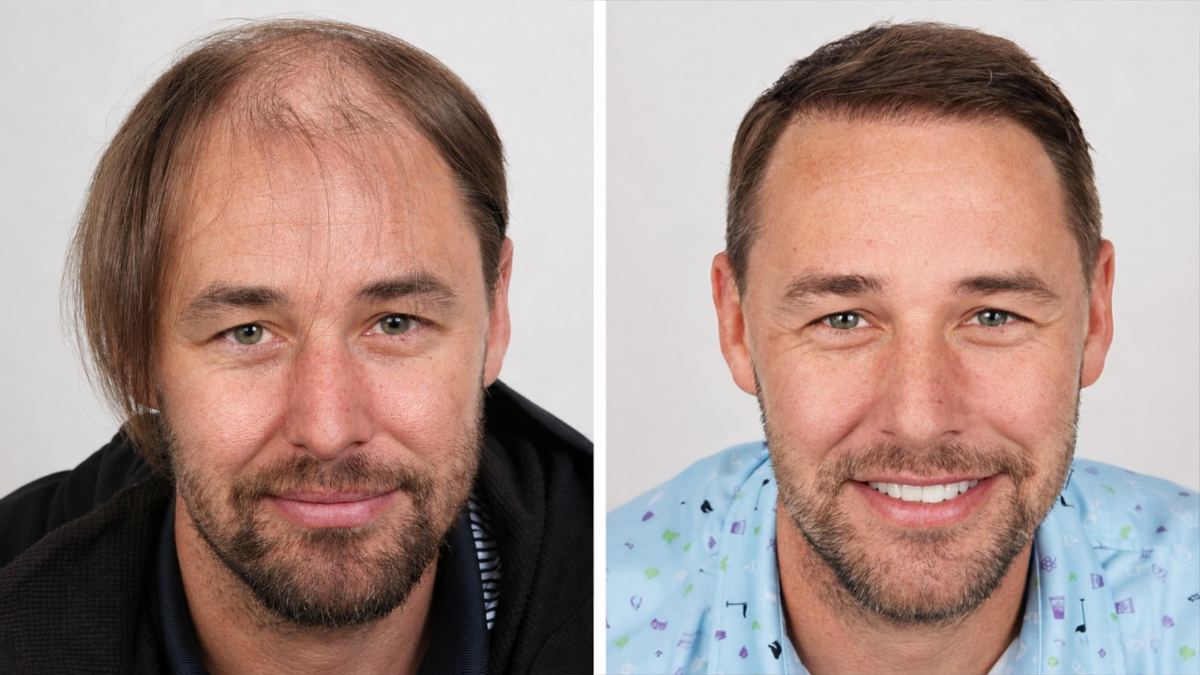
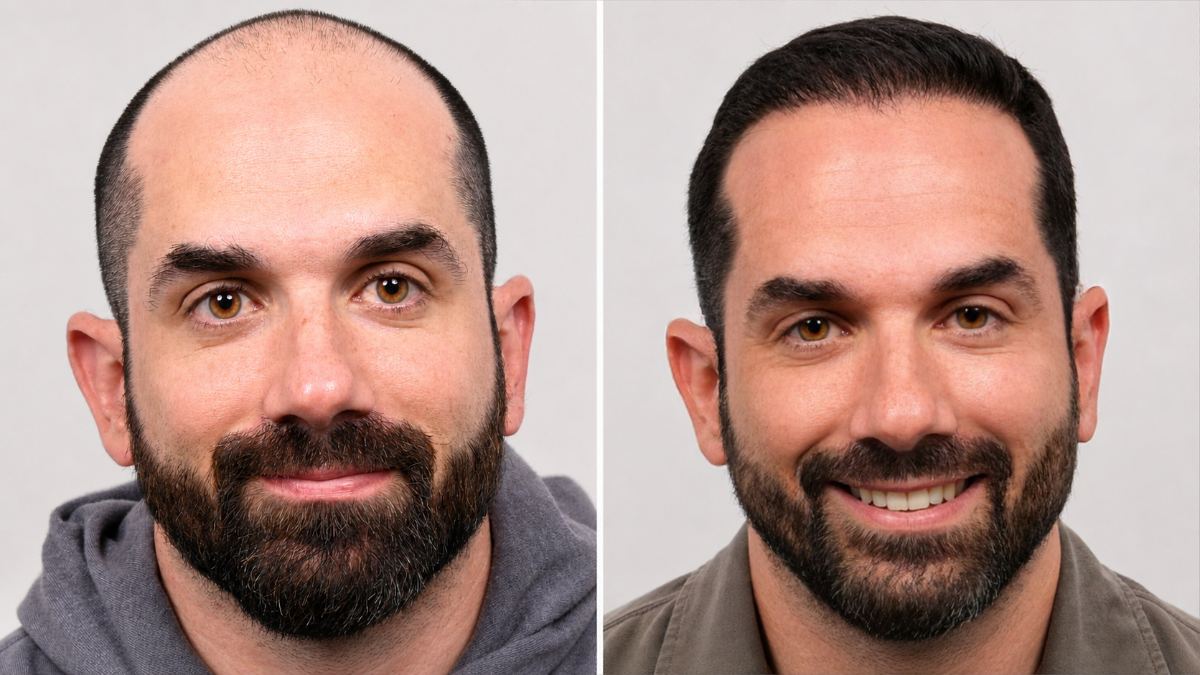
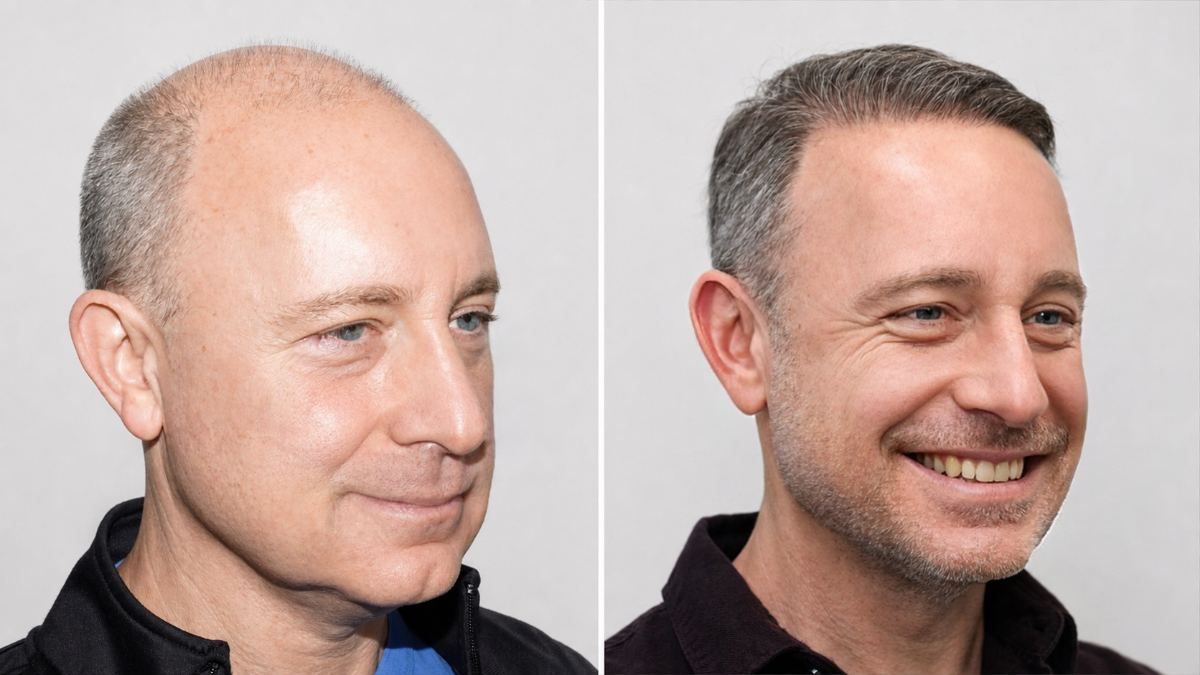
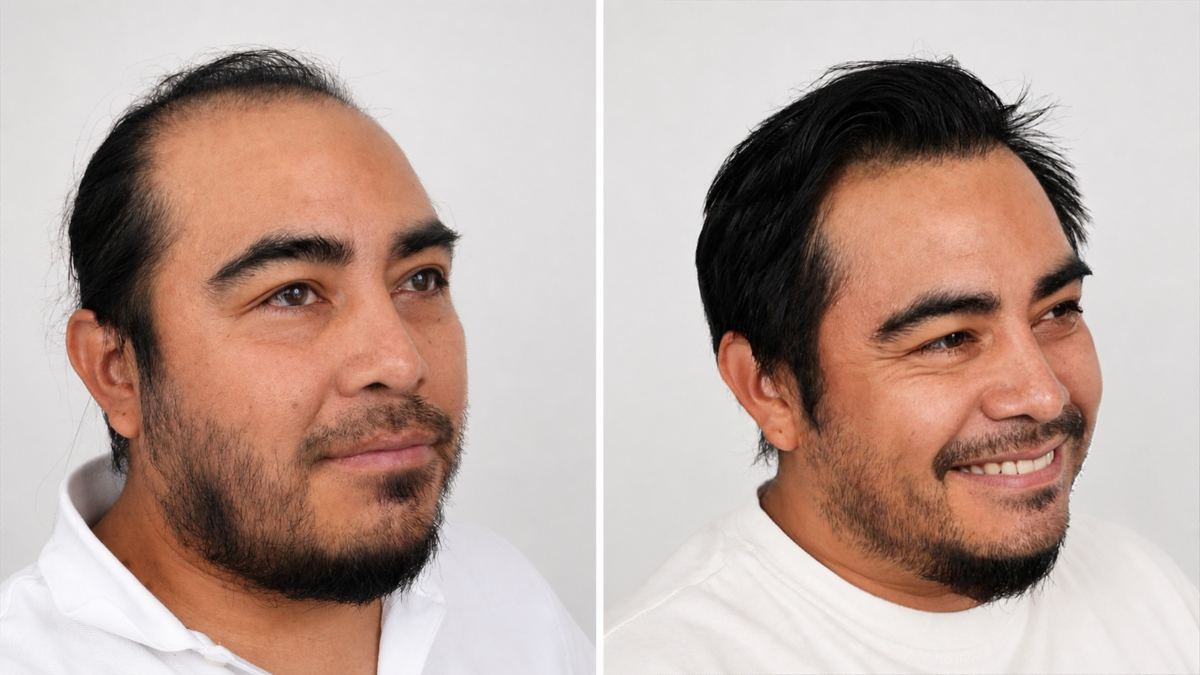
Individual results may vary.
Next step
Ready for the beard you want?
Take the first step with a free consultation at Advanced Hair Restoration®. Because it is in person, a hair loss professional can examine your face and donor area directly and map your exact graft count.