
Minoxidil for Hair Loss: A Comprehensive Guide with FAQs

Treatments
Minoxidil for Hair Loss: A Comprehensive Guide with FAQs
Minoxidil is one of only two FDA-approved medications for pattern hair loss. It can slow thinning and regrow hair on living follicles, for as long as you keep using it. Here is how it works, what to expect, and where it stops.

Key takeaways
- Minoxidil is an over-the-counter topical for androgenetic alopecia, sold as a solution or foam, typically in 2% or 5% strengths.
- It is believed to work as a vasodilator: more blood flow to the follicle, a shorter resting phase, and a longer growth phase.
- Expect visible results in 4 to 6 months and peak results around 12 months. Stop using it and new growth usually falls out within 3 to 4 months.
- It works best on the crown and cannot regrow hair where follicles are gone. For a receded hairline or bald areas, a hair transplant is the permanent option.
For many people noticing thinning or a receding hairline, the search for a treatment leads to minoxidil. It is widely available, well studied, and one of the few FDA-approved topical treatments for hair loss. Here is what it is, how it works, and what you can realistically expect.
What is minoxidil and how does it work?
Minoxidil is an over-the-counter topical medication used to treat androgenetic alopecia, also known as male and female pattern baldness. It comes as a liquid solution or a foam, typically in 2% or 5% strengths.
The exact mechanism is not fully understood. Minoxidil is believed to work as a vasodilator, widening blood vessels to increase blood flow to the follicles and deliver more of the oxygen, nutrients, and hormones hair needs to grow. It affects the hair growth cycle in three ways:
01
Shortens the resting phase
It encourages dormant follicles to leave the telogen (resting) phase and re-enter active growth sooner.
02
Lengthens the growth phase
It prolongs the anagen (growth) phase, so hair grows longer and thicker.
03
Enlarges miniaturized follicles
Over time, it can increase the size of shrinking follicles, producing thicker strands.
The American Academy of Dermatology provides a detailed overview of how it works.
Advantages of using minoxidil
- FDA-approved and clinically proven. Minoxidil is one of only two medications approved by the FDA for pattern hair loss (the other is finasteride, for men), with numerous studies supporting its efficacy.
- Over the counter. No prescription is needed, which makes it a convenient first step.
- Non-invasive. As a topical treatment, it carries none of the risks or recovery of a procedure.
- For men and women. Specific formulations are available for both: 2% for women, 5% for men and women.
- Affordable. Compared to other hair restoration treatments it is relatively inexpensive, especially as a generic.
Drawbacks and limitations
Minoxidil has clear benefits, but it is important to understand what it cannot do.
- It is not a cure. Minoxidil manages hair loss. Stop using it and any new growth will likely fall out within a few months, and your hair loss returns to its previous rate.
- It is a lifelong commitment. The solution is applied twice daily and the foam once or twice daily, indefinitely.
- Results are slow. Visible results typically take at least 4 to 6 months of consistent use, with peak results around 12 months.
- It does not work for everyone. It is most effective for recent hair loss and younger patients, and works best on the crown or top of the scalp. It is less effective for a significantly receded hairline at the temples, and it will not regrow hair in areas that are completely bald or scarred.
- There is an initial shed. Many users see more shedding in the first few weeks. It is a normal, if alarming, sign that dormant hairs are being pushed out to make way for new growth, and it usually subsides within 2 to 6 weeks.
Possible side effects
| Side effect | What to know |
|---|---|
| Scalp irritation | Itching, dryness, flaking, and redness are common, especially with the alcohol-based solution. The foam is often better tolerated. |
| Unwanted facial or body hair | If the product drips onto other areas of skin, it can stimulate hair growth there. This is more common in women using the 5% strength. |
| Rare systemic effects | Though rare, absorption into the body can cause dizziness, lightheadedness, a fast heartbeat, or swelling of the hands or feet. If these occur, stop using it and consult a doctor. |
For more detail on side effects, see the Mayo Clinic drug information page.
Solution, foam, or oral tablets?
| Form | How it is used | Worth knowing |
|---|---|---|
| Topical solution | Over the counter; 1 ml applied to the scalp twice daily | Contains propylene glycol, which can cause itching, redness, and irritation for some users |
| Topical foam | Over the counter; half a capful applied once or twice daily | Alcohol-free, generally less irritating, dries faster, and is less messy. Equally effective at the same strength (e.g. 5%) |
| Oral tablets | Prescription only; taken as a pill in very low doses | Originally a blood pressure medication, now prescribed off-label to treat hair loss systemically |
Free consultation
Find out whether minoxidil is enough for you
A free, in-person consultation with an Advanced Hair Restoration® physician shows how much of your hair loss medication can still manage, and whether a permanent solution is the better fit.
Is minoxidil right for you?
Minoxidil can be a valuable tool, particularly in the early stages of thinning. The key is understanding its limits and the commitment it takes: consistent use for as long as you want to keep the results.
Where minoxidil stops
Like every medication, minoxidil only works on living follicles. For a significantly receded hairline or advanced hair loss, a hair transplant moves permanent, DHT-resistant follicles into the thinning areas.
Many patients use both: minoxidil to protect the hair they have, and an Advanced FUE™ hair transplant to restore what is already gone. Transplanted hair is Guaranteed to Grow for Life™.
This article provides general information and is not medical advice. Always consult a qualified healthcare professional before starting any new treatment for hair loss.
Questions patients ask
Minoxidil questions
How long do I need to use minoxidil to see results?
Most users start to see noticeable new growth after 4 to 6 months of consistent, twice-daily use. Full results can take 12 months or longer.
What happens if I stop using minoxidil?
Any hair that grew because of the treatment will likely fall out within 3 to 4 months, and your hair loss will resume its previous pattern.
Is minoxidil effective for a receding hairline?
It is generally most effective on the crown or vertex. Some people see modest improvement at the temples, but it is typically less effective for a significantly receding hairline than for diffuse thinning on top of the head.
Can women use minoxidil?
Yes. The 2% solution is specifically approved for female pattern hair loss, and the 5% foam is also approved for women, applied once daily.
What is the difference between minoxidil solution, foam, and oral tablets?
The solution and foam are over-the-counter topicals applied to the scalp. The solution contains propylene glycol, which can irritate some users; the foam is free of propylene glycol, generally less irritating, dries faster, and is less messy. Both are considered equally effective at the same strength. Oral minoxidil is a prescription pill, originally for high blood pressure, that doctors now prescribe off-label in very low doses to treat hair loss.
Can I use minoxidil with other hair loss treatments?
Often, yes. Minoxidil can be combined with finasteride (for men), low-level laser therapy (LLLT), and even a hair transplant. Always consult a hair loss specialist before combining treatments.
Is the initial shedding phase normal?
Yes. Shedding in the first 2 to 6 weeks is common and often a positive sign that the medication is working: old, weak hairs are shed to make way for new, healthier growth. It should subside.
How long does a bottle of minoxidil usually last?
A standard 60 ml bottle of solution or foam, used as directed (1 ml twice daily for the solution, half a capful once or twice daily for the foam), usually lasts about one month.
Real Results
Simple 1 Day Treatment®. Lifetime Results.
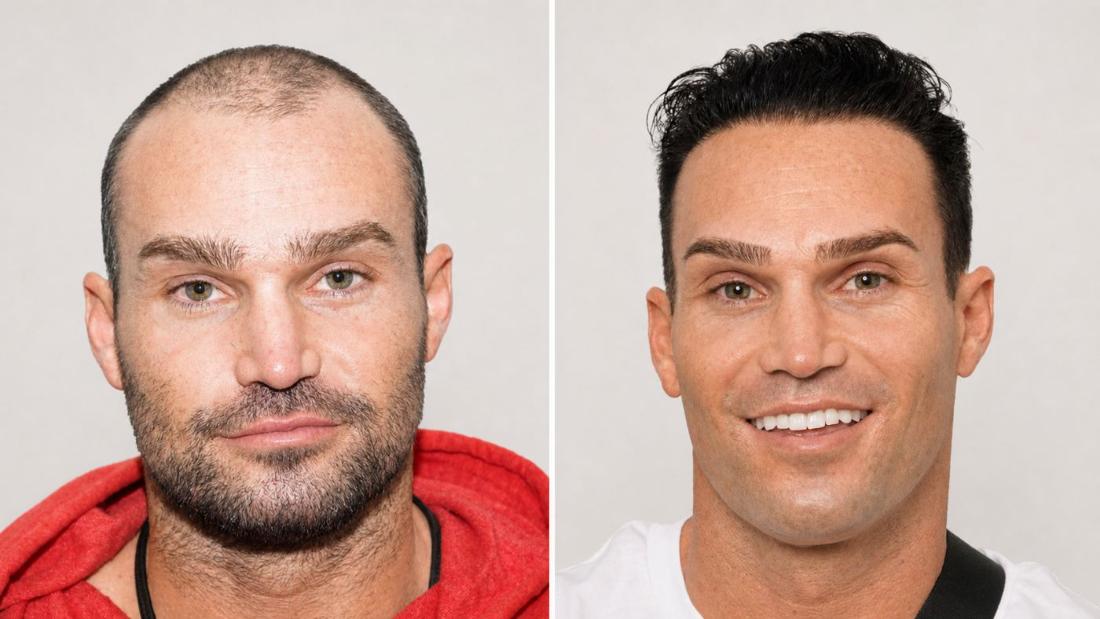
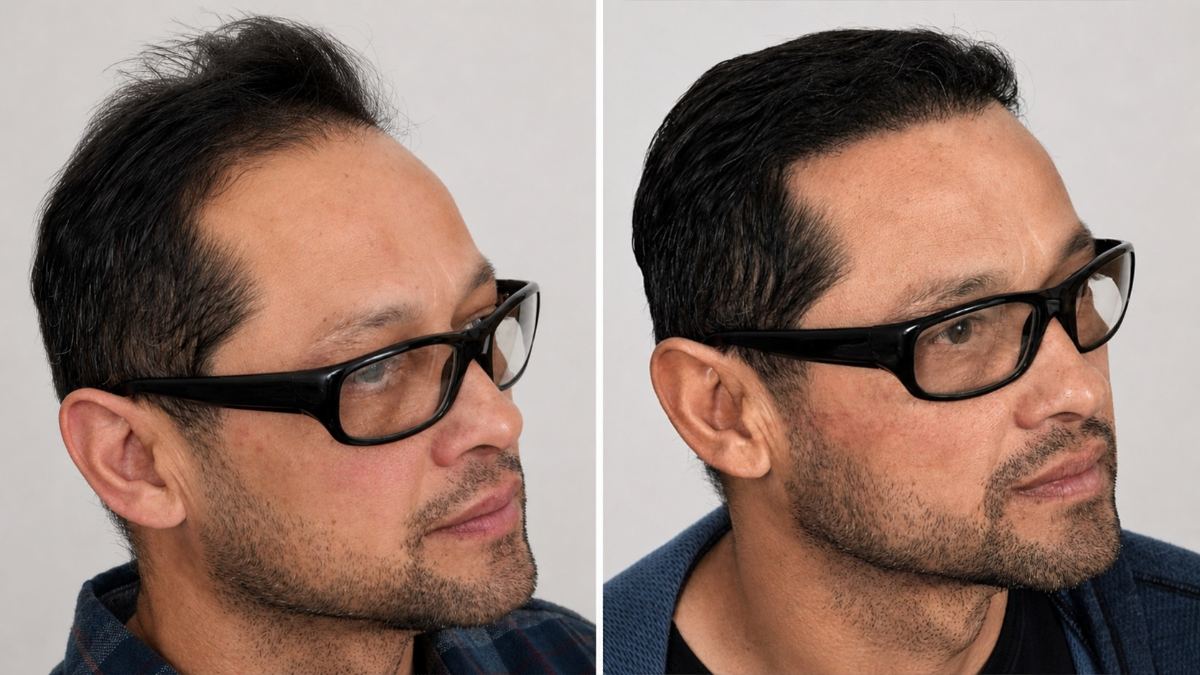
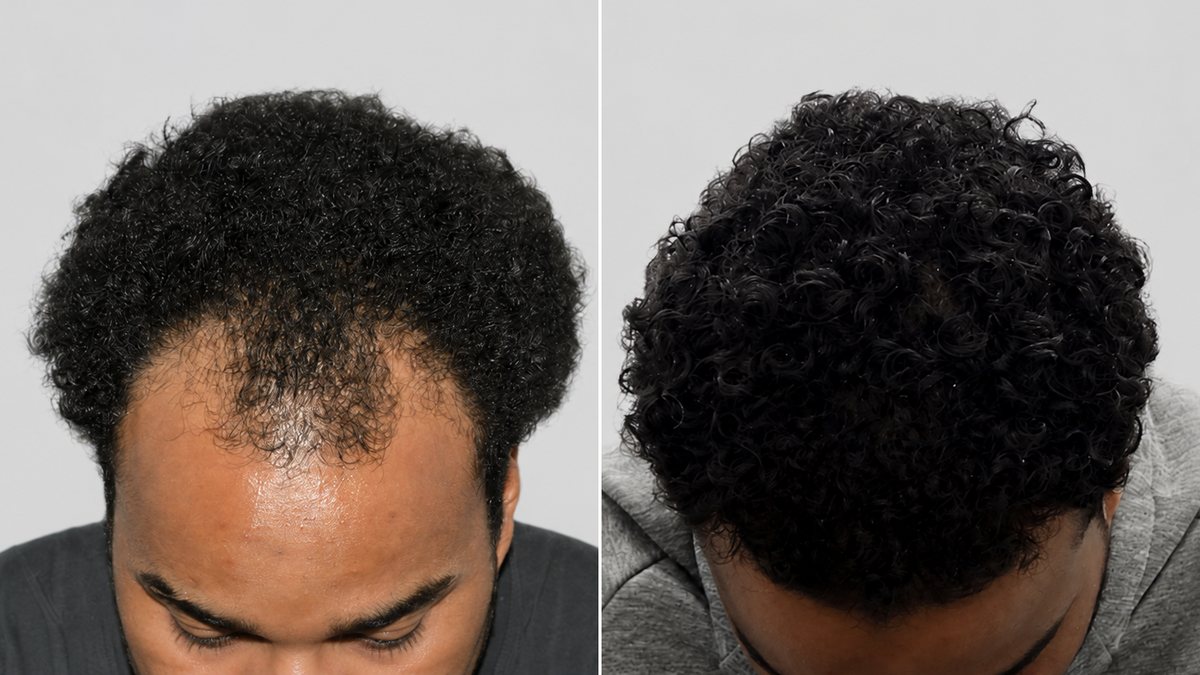
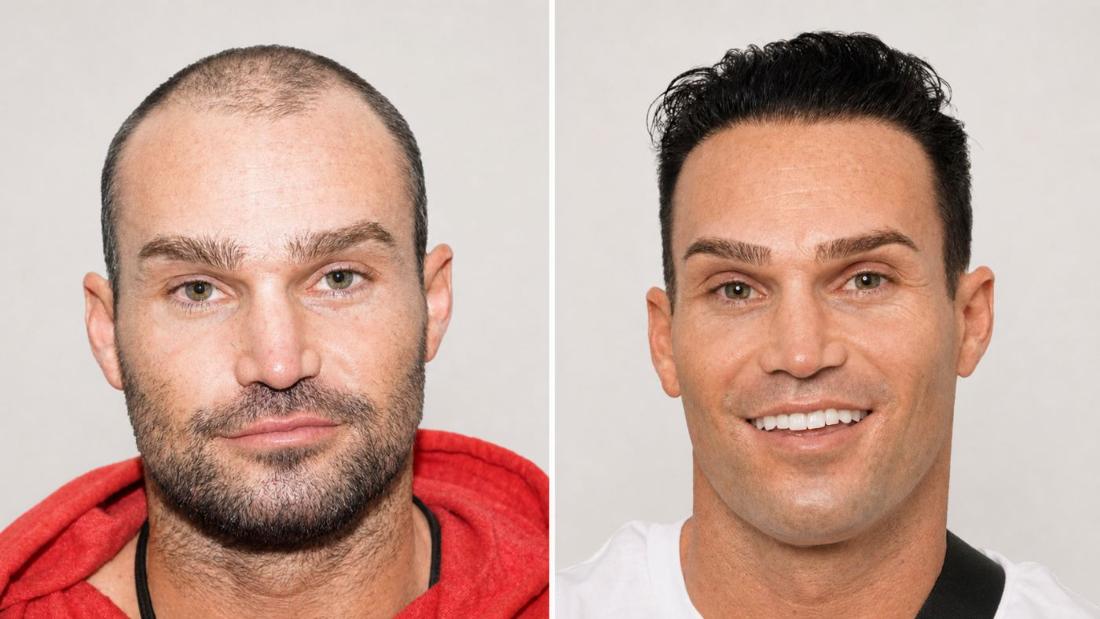
Every photo below is a real Advanced Hair patient: Advanced FUE™, their own natural hair, Guaranteed to Grow for Life™.

Kyle M. · 3,000 Advanced FUE™ grafts

Scott H. · 2,500 Advanced FUE™ grafts
Madison T. · 3,300 Advanced FUE™ grafts
AJ S. · 2,500 Advanced FUE™ grafts
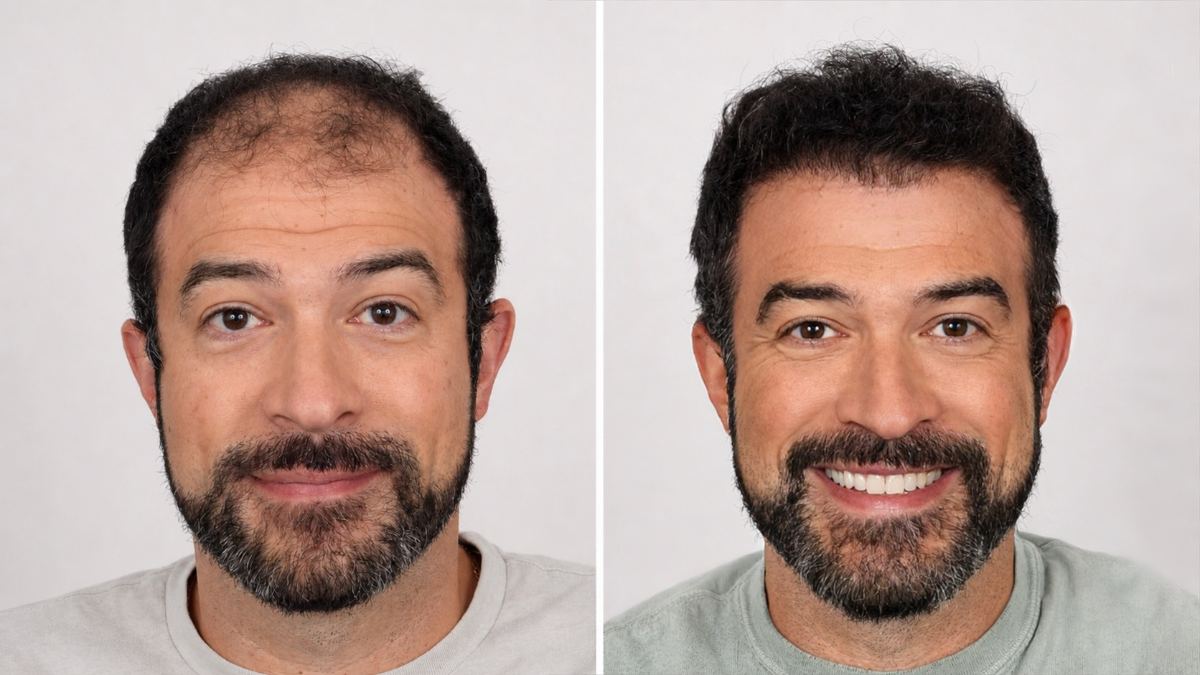
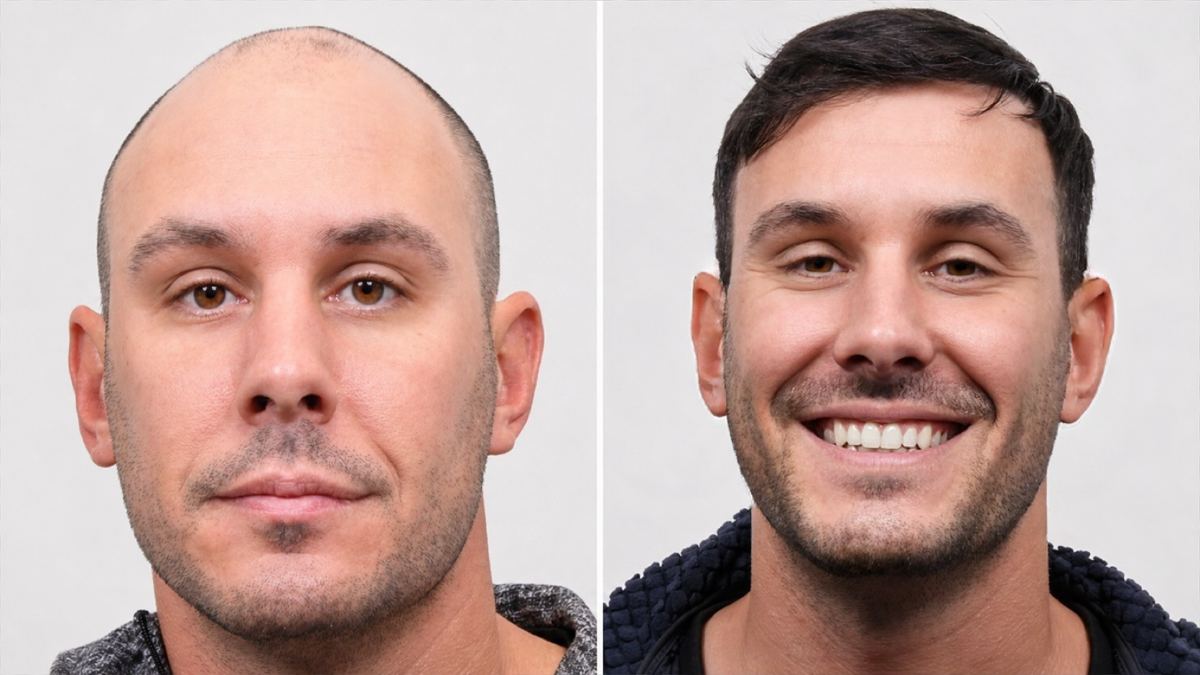
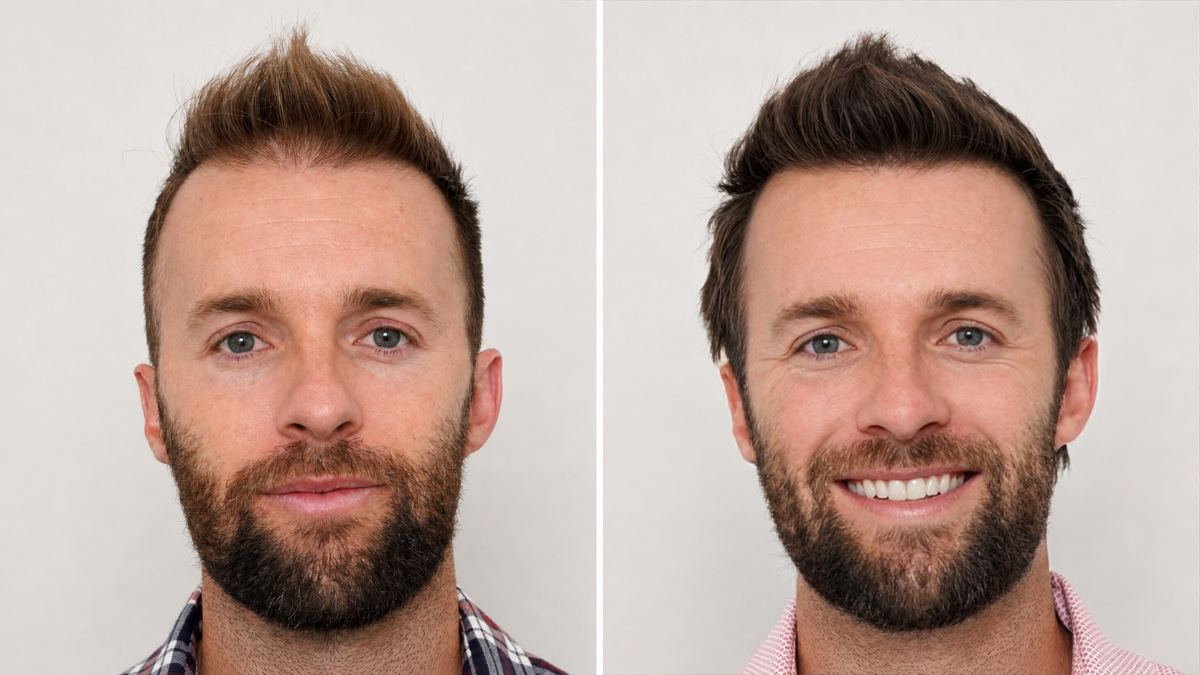
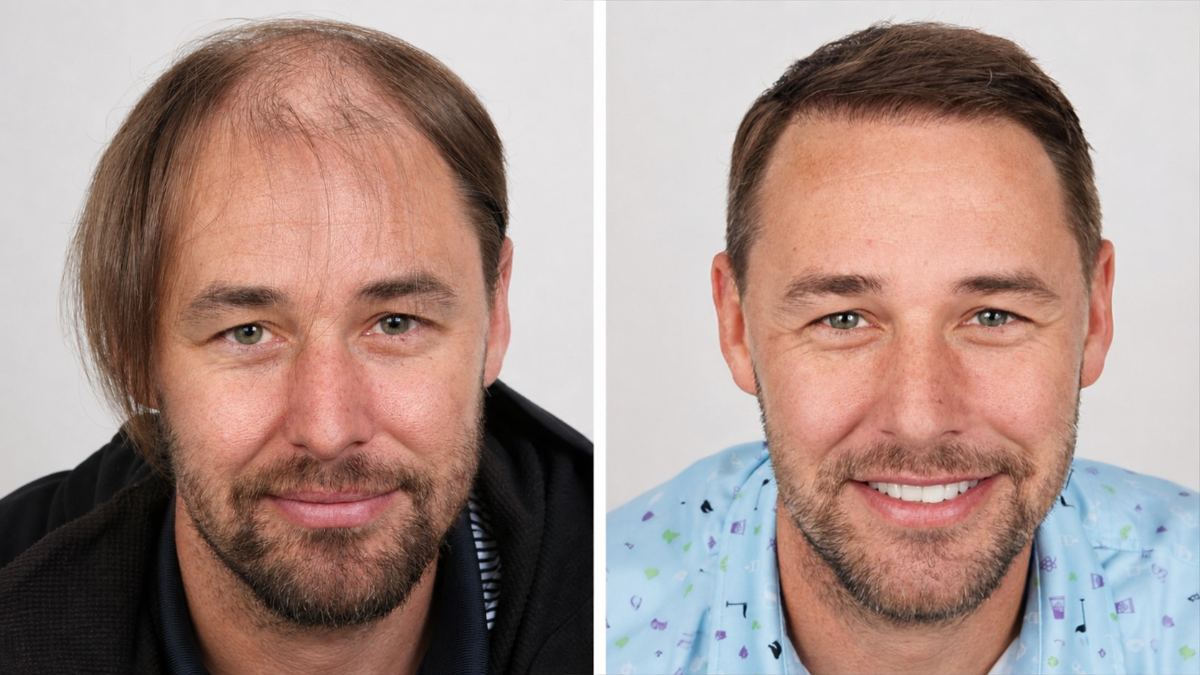
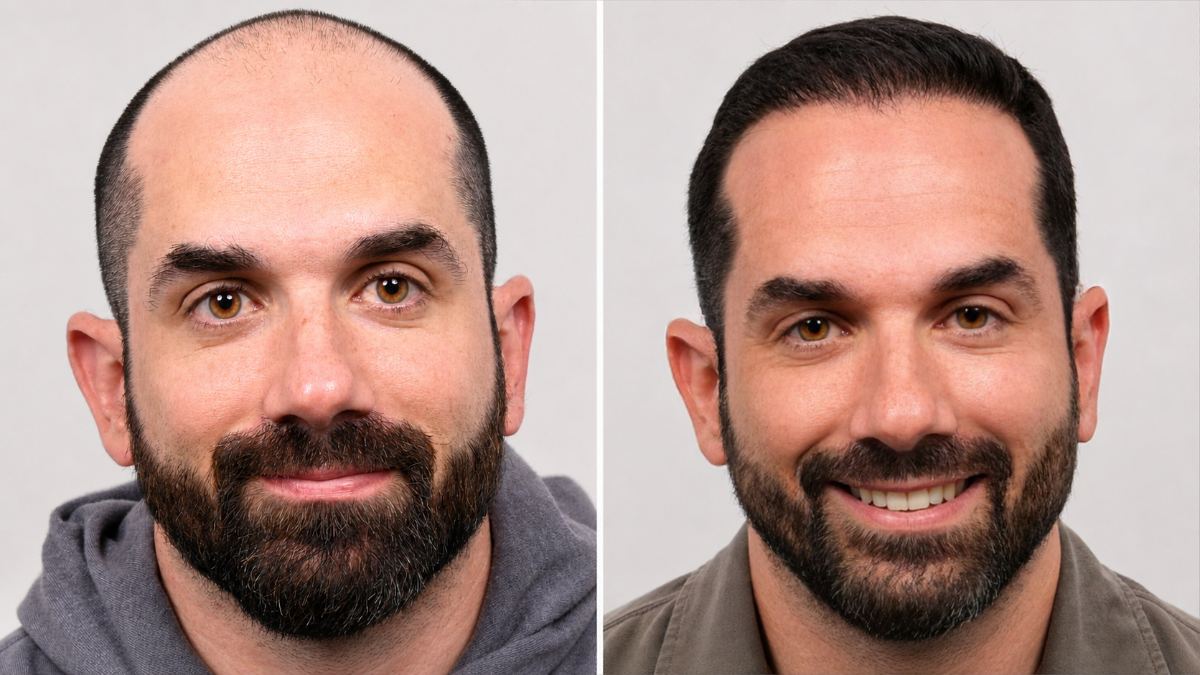
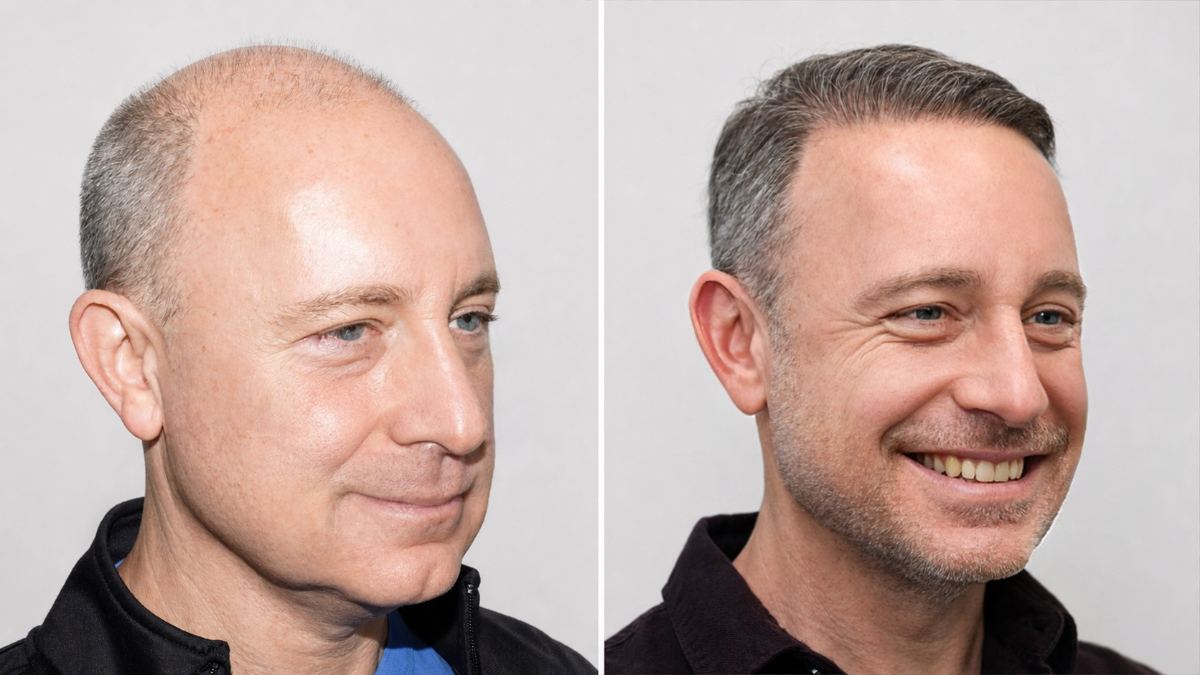
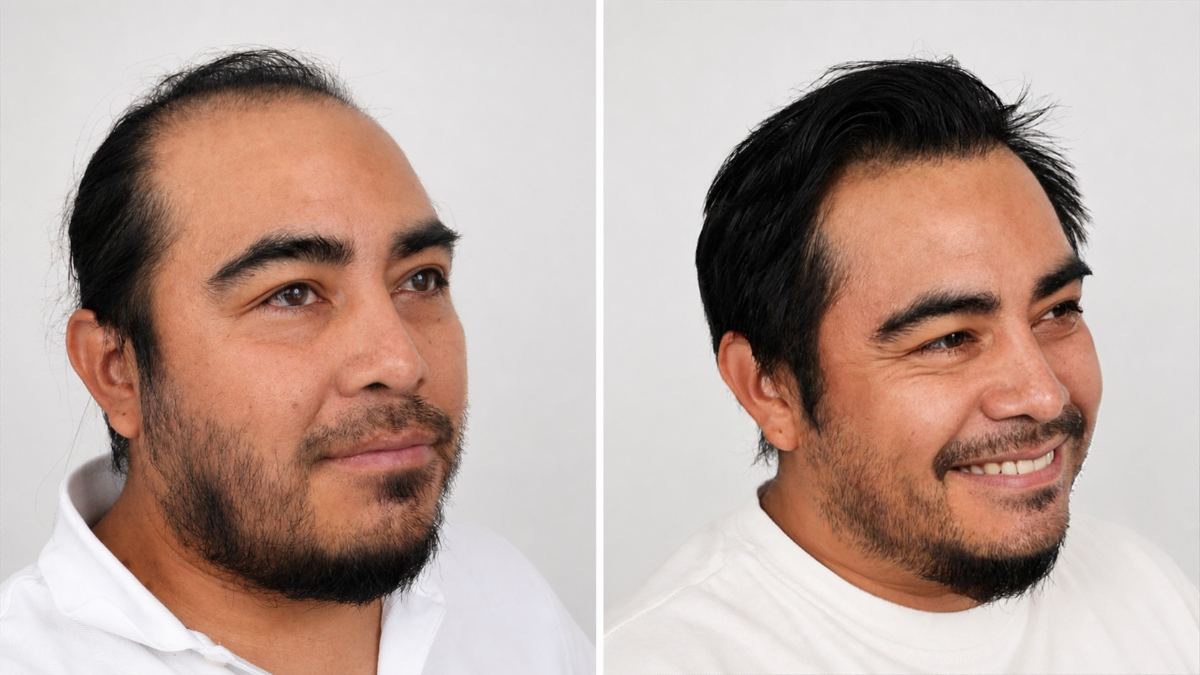
Individual results may vary.
Next step
See what your hair still needs
Schedule a free consultation with an Advanced Hair Restoration® specialist to find out whether minoxidil suits your situation, or whether another treatment fits your goals better. Consultations are in person, so the physician can examine your scalp and donor area directly and map your exact graft count.