
AI, PP405 and Hair Cloning: Should You Get a Hair Transplant or Wait for a Cure?

Hair loss treatments
AI, PP405 and Hair Cloning: Should You Get a Hair Transplant or Wait for a Cure?
AI is speeding up hair loss research, and some of the new results are genuinely exciting. Here is what is real as of October 2026, and what it means if you are deciding what to do about your hair now.

The short answer: if the hair you want back is already gone, waiting will not bring it back. As of October 2026, no drug, device or cell therapy has been shown in published human trials to grow hair where hair follicles no longer exist. Today's medicines and the most promising new drugs, including PP405 and clascoterone, work on follicles that are still alive, by protecting them, regrowing hair from them or waking them up. A restoration procedure, which today almost always means a hair transplant, is still the only established way to put growing hair back where follicles are gone. Treatments now in development would most likely work alongside a transplant, not replace it.
Key takeaways
- No drug, device or cell therapy has been shown in published human trials to grow hair where follicles no longer exist (as of October 20, 2026).
- PP405 entered a Phase 2/3 trial in October 2026 that plans to enroll about 600 men with Norwood IV to V hair loss. No approval date has been announced, and by our estimate a U.S. approval before 2029 is unlikely.
- Clascoterone 5% solution, often called Breezula online, significantly increased hair counts in two Phase 3 trials in men, and its maker plans to file for FDA approval in early 2027. It is designed to protect existing hair, not to rebuild a hairline.
- AI is speeding up drug design, but it cannot skip human trials, and no AI-designed treatment has been shown to regrow lost hair.
- No drug can design a hairline. Where it sits, its shape and the angle of every hair are decisions a physician makes.
- Lab-grown whole follicles, the "hair cloning" most people picture, have no human results. If they arrive, each one would still have to be implanted and positioned by a physician.
- A transplant now does not close the door on future treatments. New drugs would protect the native hair around it.
Is there a cure for baldness yet?
Not yet. Today's proven treatments can slow hair loss and regrow hair from follicles that are still alive, and a transplant moves healthy follicles to where they are needed. Nothing has yet been shown to bring back follicles that are gone.
The excitement is real. Since early 2025, several new hair loss drugs have reported encouraging trial results, and the first hair loss drug candidates designed with the help of AI have entered human testing. Four names come up most often:
- PP405 (Pelage Pharmaceuticals), a topical gel designed to wake up dormant follicles, entered a Phase 2/3 trial in October 2026.
- Clascoterone 5% solution (Cosmo Pharmaceuticals), a topical androgen blocker often called Breezula online, significantly increased hair counts in two Phase 3 trials of 1,465 men with mild to moderate hair loss, though its patient-rated goal was met in only one of them. In 12-month results reported in April 2026, men who responded and stayed on it kept gaining hair, while those switched to placebo lost some of their gains. Cosmo plans to file with the FDA in the first quarter of 2027.
- VDPHL01 (Veradermics), a slow-release form of oral minoxidil, has now met its main goals in two large trials in men. In the second, a Phase 3 trial of 536 men with mild to moderate hair loss reported on October 19, 2026, hair counts rose by 28.6 to 36.4 hairs per square centimeter after six months, depending on the dose, compared with 6.6 on placebo. Veradermics has not announced when it will apply for FDA approval.
- Pyrilutamide, or KX-826 (Kintor Pharmaceutical), another topical androgen blocker, met its main goal in the Phase 3 stage of a trial in China in March 2026. Kintor expects Chinese approval in the second half of 2027 and has not announced plans to file in the U.S.
All four were tested in people who still have living follicles. None has been shown to grow hair where follicles no longer exist.
Why can't new drugs regrow hair where follicles are gone?
Every drug in development works by changing how a living follicle behaves. Where a follicle no longer exists, there is nothing left for a drug to act on.
Pattern hair loss happens slowly. In genetically sensitive areas, the hormone DHT shortens each growth cycle, and follicles shrink over the years, a process called miniaturization. New hairs grow back finer and shorter until some stop reaching the surface at all. Some scalp that looks bald still contains these shrunken or resting follicles. In areas bald for many years, some follicles are lost altogether or replaced by scar-like tissue. It helps to picture every follicle in one of three states:
01
Existing
Still growing hair, often finer than before.
What helps: medications such as finasteride and minoxidil can protect these follicles and regrow hair from them.02
Dormant
Still alive, with stem cells in place, but no longer making visible hair. Some sit under scalp that looks bald.
What helps: this is where PP405 is aimed. Its trials are testing whether it can switch these follicles back on.03
Gone
In areas bald for many years, some follicles are lost entirely or replaced by scar-like tissue.
What helps: no treatment has been shown to bring these back. A hair transplant moves healthy follicles into the area.
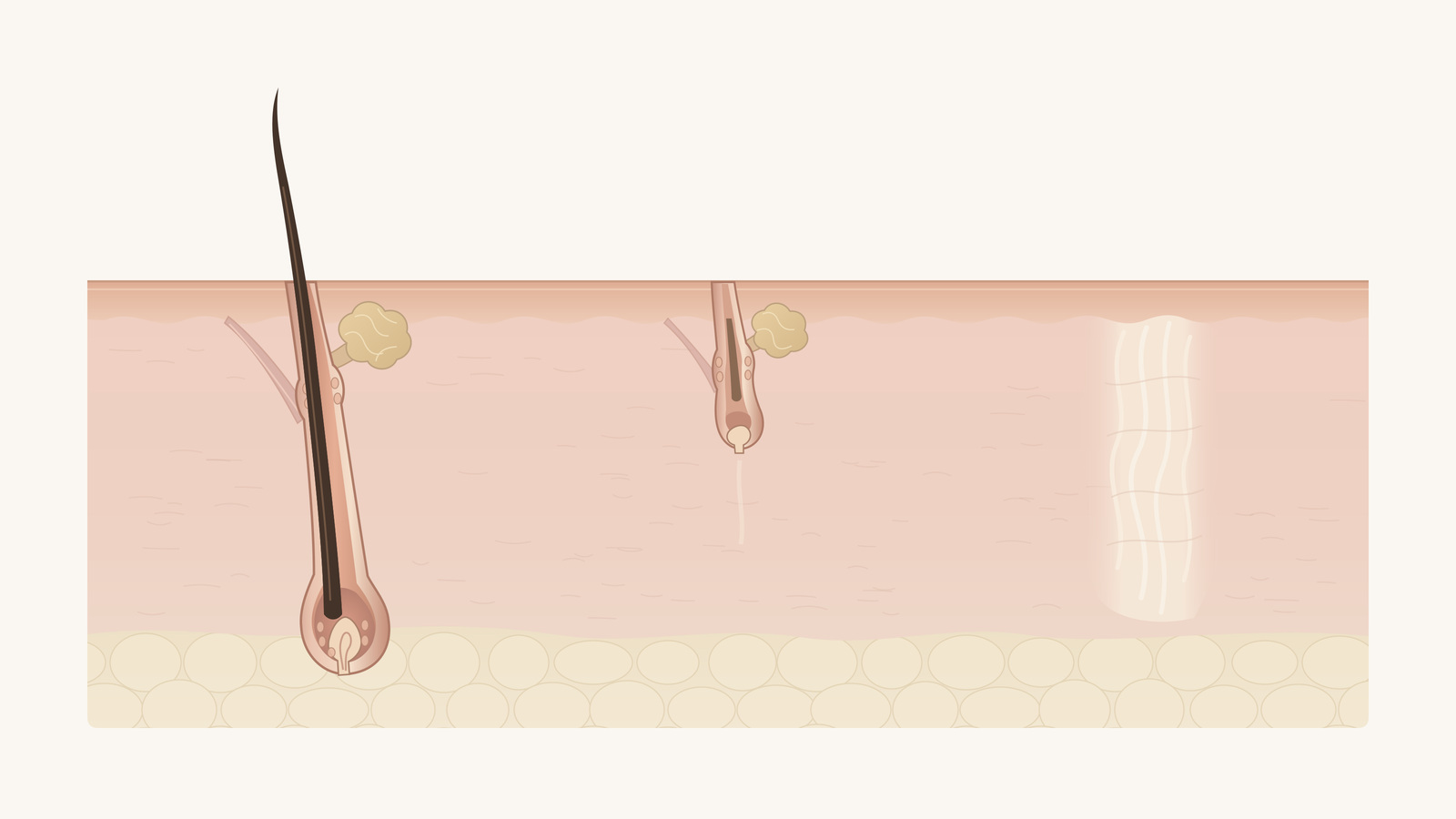
No routine test can tell you exactly which bald-looking areas still hold dormant follicles. That uncertainty is one reason the new trials matter, and one reason to be wary of anyone who promises regrowth on a scalp that has been bald for years.
Hair loss trials also measure success by counting hairs inside a small, marked target area of the scalp. A higher count is good news, but it says nothing about where a hairline sits, what shape it takes or which way the hairs grow.
Should I get a hair transplant now or wait?
Waiting can make sense for hair that is still there and still responding to treatment. For areas where follicles are gone, no treatment in trials today is expected to help, so waiting for one is unlikely to change your options there.
Every situation is different, and a plan should start with an exam by a physician. These are the patterns we see most often:
| If you are | A typical plan | Why |
|---|---|---|
| In your 20s, with early thinning and a strong family history | Start proven medical treatment, and consider a transplant once your pattern is predictable | Treatment protects the follicles any future drug would need, and a hairline designed too early may not suit your future pattern |
| Losing your hairline or temples, with good donor hair | A transplant for the areas that are gone, plus medication to protect the rest | Drugs work best on the crown and upper scalp; the hairline and temples respond least |
| Norwood IV to V | A transplant for areas that are gone, medication now, and an eye on PP405 | PP405's trial is testing this group now, but any approval is years away |
| Norwood VI to VII, bald for many years | A transplant planned around your donor supply, or a cosmetic option such as scalp micropigmentation | No drug in development has been tested in long-standing bald scalp |
| Past a transplant, with native hair thinning behind it | Medication to protect native hair, and a second procedure if needed | Transplanted hair generally stays; new drugs, if approved, would add to it |
| A woman with diffuse thinning | Medical treatment first; a transplant only for stable, localized loss with a strong donor area | Most new options target existing hair, and trials in women are under way or planned |
Pattern hair loss usually keeps progressing, and follicles that are lost for good cannot be brought back by any treatment available or in trials today. That is why many people start proven medical treatment early, whatever they decide about a transplant. A physician can help you decide whether to start medication, plan a transplant, or monitor and wait.

Free consultation
See what your result could look like
A consultation is free, private, and with a real expert. You leave with your graft count, a written quote and a plan built around your goals.
Will my hair transplant be wasted if a cure comes out?
No. A transplant and future drugs do different jobs, and they work together.
A hair transplant moves follicles from the back and sides of the scalp, where hair is genetically resistant to DHT. In their new location they generally keep that resistance and continue to grow, a principle known as donor dominance, first described in 1959. That is why transplanted hair is generally considered permanent. Donor hair is limited, which is why planning matters.
Your transplanted hair generally does not depend on medication to keep growing. Your native hair is different. It can keep thinning around the transplant, which is why physicians commonly pair a transplant with medical treatment to protect it, and it is exactly where new drugs would help. If PP405, clascoterone or another new treatment is approved, it would most likely be used to protect and thicken your native hair, while your transplanted hair stays where it is. A transplant does not use up your chance at future treatments.
This is also why a good hairline is planned conservatively. It should still look natural if you keep losing hair behind it, which is how a skilled physician avoids the isolated "island" of transplanted hair that people worry about.
What is PP405, and does it work on dead follicles?
PP405 is an investigational gel designed to reawaken dormant hair follicle stem cells. It has not been shown to grow hair where follicles no longer exist, and it is not available outside clinical trials.
PP405 comes from Pelage Pharmaceuticals and grew out of stem cell research at UCLA. Pelage says it targets a metabolic switch that wakes resting follicle stem cells. In a small Phase 2a study designed mainly to test safety, with four weeks of treatment, 31% of men with more advanced hair loss saw hair density rise by more than 20% at week eight, compared with none on placebo. Pelage also reports new hair growing from follicles that had no visible hair. These results were reported by the company and have not been published in a peer-reviewed journal.
On October 14, 2026, Pelage announced that, after an end-of-Phase 2 meeting with the FDA, it had dosed the first patient in AWAKEN, a 12-month Phase 2/3 trial, placebo-controlled for the first 24 weeks, that plans to enroll about 600 men with Norwood IV to V hair loss in the United States and Canada. A trial in women is planned to begin by the end of 2026. No approval date has been announced, and by our estimate a U.S. approval before 2029 is unlikely.
Two practical notes. AWAKEN is testing men with moderate to advanced loss, not scalps that have been bald for many years. Pelage's leaders say even scalp that looks bald often still holds dormant stem cells; whether that turns into hair on long-bald scalp has not been shown. And there is no legitimate way to buy PP405 today. Pelage does not sell it, so nothing sold online under that name can be verified as the drug being tested in its trials. For more on how it works, see our PP405 explainer.
What else is in the pipeline?
Most new treatments aim to block DHT's effect with fewer side effects, deliver familiar drugs in better ways or wake resting follicles. All of the ones in human trials act on follicles that still exist.
| Treatment | What it is | Where it stands (October 2026) | Works on | Earliest U.S. access (our estimate) |
|---|---|---|---|---|
| PP405 (Pelage) | Topical gel designed to reawaken dormant follicle stem cells | Phase 2/3 AWAKEN trial began in October 2026; plans to enroll about 600 men with Norwood IV to V loss | Dormant follicles (not yet proven) | 2029 or later |
| Clascoterone 5% solution (Cosmo; often called Breezula) | Topical androgen receptor blocker | Two Phase 3 trials in 1,465 men with mild to moderate loss significantly increased hair counts (patient-rated goal met in one); responders who stayed on it kept gaining hair through 12 months; U.S. filing planned for the first quarter of 2027, Europe in the second quarter; no commercial partner announced | Existing follicles | Late 2027 at the earliest, more likely 2028 |
| VDPHL01 (Veradermics) | Slow-release oral minoxidil | Met its main goals in two trials in men: a Phase 2/3 trial (April 2026) and a Phase 3 trial of 536 men (October 19, 2026). Twelve-month results in men due later in 2026; results in women expected in the first half of 2027; no FDA filing date announced | Existing follicles | Late 2027 at the earliest, more likely 2028 |
| Pyrilutamide, KX-826 (Kintor) | Topical androgen receptor blocker | Phase 3 stage of a China trial met its main goal in March 2026; Chinese approval expected in the second half of 2027 | Existing follicles | No U.S. filing announced |
| ABS-201 (Absci) | Antibody engineered with AI to block the prolactin receptor, given by injection | Phase 1/2a trial; safety data so far; interim hair growth data expected by the end of 2026, full results in early 2027 | Not yet known | 2030 or later |
| AH-001 (AnHorn Medicines) | Topical designed with AI to break down the androgen receptor | First safety study complete, according to the company | Existing follicles | Years away |
| Cell injections (Shiseido in Japan; early trials elsewhere) | Your own follicle cells, multiplied in a lab and injected into thinning areas | Offered in Japan since 2024; small trials elsewhere, including one that began in 2026 | Existing follicles | No U.S. pathway announced |
| Lab-grown follicles ("hair cloning") | Whole new follicles grown in the lab | Mouse studies; no human trial we know of | Would add follicles, implanted one by one | Mid-2030s or later |
Estimates are ours, based on public trial timelines and typical FDA review periods. Trial results are as reported by each company. Sources are listed at the end of this article.
Can AI cure baldness?
Not on its own. AI is speeding up the design of new drug candidates, but every candidate still has to pass years of human trials, and no AI-designed treatment has been shown to regrow hair where follicles are gone.
This part of the story is genuinely new. Absci's ABS-201 is an antibody engineered with generative AI to block the prolactin receptor, a target researchers had already been studying in hair loss. AI helped design a better key for a lock researchers had already found. Its first human study has produced safety data so far, with interim hair growth data expected by the end of 2026 and full results in early 2027. AnHorn Medicines says its AH-001, a topical designed with AI to break down the androgen receptor, has completed a first safety study. AI can find promising molecules faster than ever. It cannot make a drug safe or effective without the same human trials every other drug goes through.
AI is changing the clinic, too. At Advanced Hair Restoration, we are developing AI tools for treatment planning and graft mapping, and to show patients several hairline options side by side. Robotic systems that use computer vision to help harvest grafts have been FDA-cleared since 2011, and professional standards call for a physician to plan and direct every procedure. Software can propose options from images of the follicles you have. It cannot decide where your hairline belongs, and the International Society of Hair Restoration Surgery's own standards reserve hairline design for physicians.
Could a drug ever redesign a hairline?
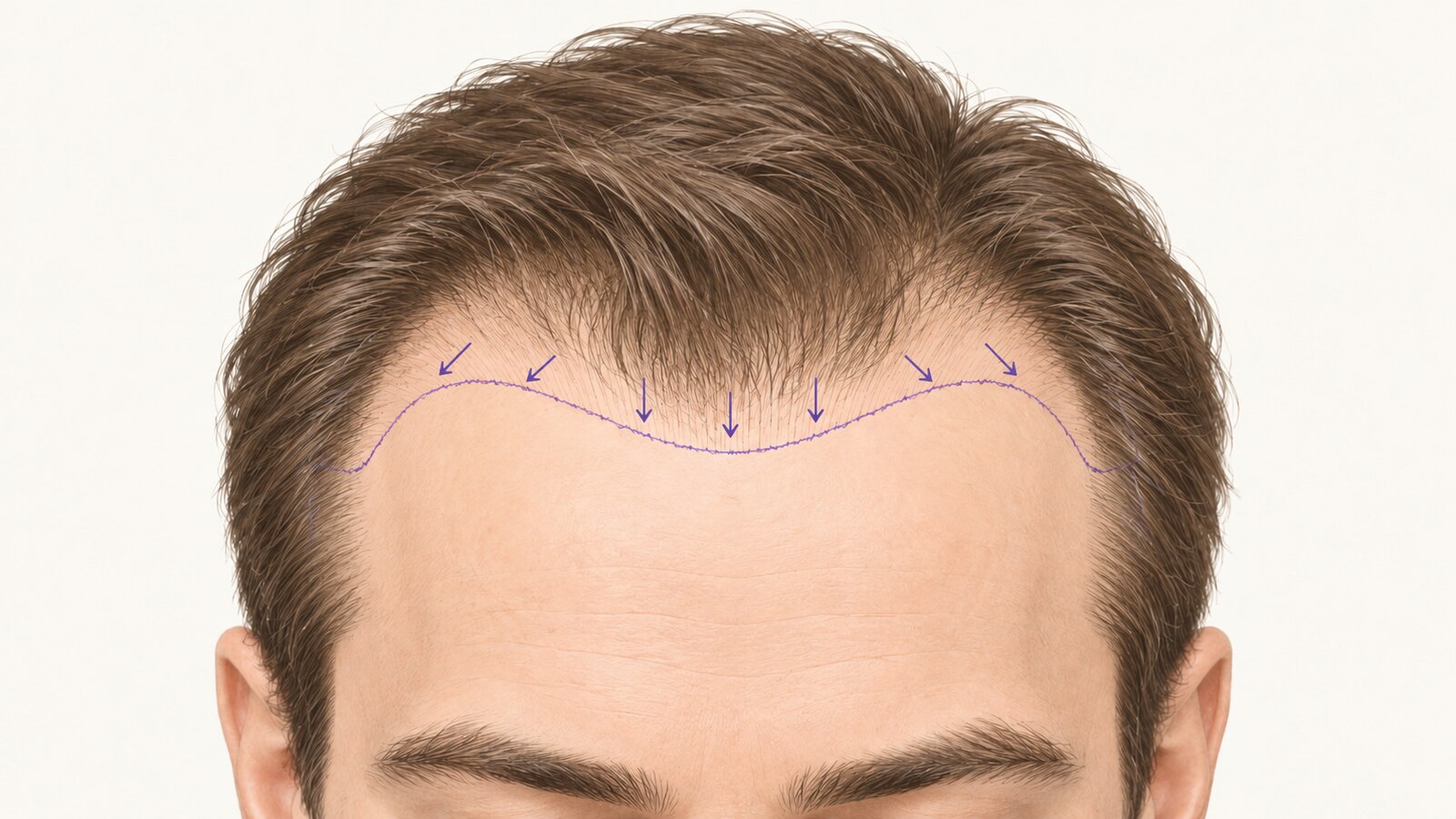
No. A drug acts on whatever follicles it reaches, wherever they happen to survive. A hairline has to be designed: placed, shaped and angled for one face, one donor supply and one future.
When a physician designs a hairline, they decide:
- Where it sits, in proportion to your forehead, brows and face.
- Its shape, including the temples, where many men lose hair first.
- How the front edge softens, with single hairs leading into denser grafts behind them, the way natural hairlines do.
- The angle and direction of every hair, so it lies, parts and moves like the hair around it.
- How it will look at 60, not just at 30, because hair loss usually keeps progressing behind it.
- How to spend your donor supply, because the follicles at the back and sides of your head are limited.
The limit shows up in the drugs' own labels. The FDA-approved label for finasteride says its effect on receding temples has not been established, and the label for men's 5% minoxidil foam says it is not intended for frontal baldness or a receding hairline.
Dr. Barry Weiss, hair restoration physician
"Everything coming down the pipeline is exciting, and we test what reaches the market in our own clinics. But nothing on the horizon has been shown to regrow hair where the follicles are already gone, and no medication is ever going to know how to design a hairline."
Even the most promising drugs in development work where your follicles already are. None of them can decide where your hair should begin.
Free consultation
See what your result could look like
A consultation is free, private, and with a real expert. You leave with your graft count, a written quote and a plan built around your goals.
When will hair cloning be available, and would it replace a transplant?
No one knows, and we know of no human trial of lab-grown follicles. If they do arrive, they would make hair transplants more powerful, not obsolete.
Two different things get called "hair cloning." The first is cell therapy: a small sample of your own follicle cells is multiplied in a lab and injected into thinning areas. Shiseido has offered a version in Japan since 2024, and HairClone, a UK company, began testing a similar approach in volunteers in 2026. These injections aim to thicken existing hair, not to build a new hairline. The second is growing whole new follicles in the lab. Research teams in Japan have done this in mice, while Stemson Therapeutics, the best-known U.S. startup in the field, had shut down by December 2024. The International Society of Hair Restoration Surgery notes that lab-based hair multiplication has not yet produced a recognizable success in people.
If lab-grown follicles do reach patients, each one would still have to be implanted, with its angle, direction and density set by a physician following a hairline design. Cloning would solve the supply problem, meaning how many follicles are available. It would not solve the design problem. In practice, it would be a bigger supply for the same procedure. By our estimate, routine use before the mid-2030s is unlikely.
What works right now?
Proven medical treatments can slow hair loss and regrow hair from follicles that are still alive, and a transplant restores areas where follicles are gone. Many people get the best result from a combination.
- Finasteride. Oral finasteride 1 mg is FDA-approved for male pattern hair loss. It lowers DHT, works best on the crown and upper scalp, and only keeps working while you take it. Talk through its side effects with a physician.
- Minoxidil. Topical minoxidil is FDA-approved and sold over the counter. Low-dose oral minoxidil is prescribed off-label: the tablets are FDA-approved only for severe high blood pressure and carry a boxed warning, so it should be used only under a physician's care.
- Laser caps and combs. Several are FDA-cleared, which is a lighter review than FDA approval. Some people benefit and others do not.
- Platelet-rich plasma (PRP). Injections made from your own blood. Some patients see less shedding or thicker-looking hair, but the evidence is mixed, protocols are not standardized, and completely bald areas are unlikely to benefit.
- Exosomes and stem cell injections. No exosome product is FDA-approved, no stem cell product is approved for hair loss, and the FDA has sent letters, including a warning letter, to companies marketing exosome products for hair growth.
- Topical finasteride. No topical form is FDA-approved. Compounded versions are not FDA-reviewed, and the FDA has received reports of side effects.
- Hair transplant (FUE or FUT). The established procedure for putting growing hair back where follicles are gone.
For patients who want to protect the hair they have, physicians at our affiliated practices offer prescription medication, including low-dose oral minoxidil when appropriate, PRP, and an FDA-cleared laser cap sold in our offices, alongside hair transplant procedures.
Free consultation
See what your result could look like
A consultation is free, private, and with a real expert. You leave with your graft count, a written quote and a plan built around your goals.
How we evaluate what is new
We are not watching from the sidelines. We follow every credible development, and when a new treatment reaches the market, physicians at our affiliated practices evaluate it in their clinics before it is offered to patients.
- In-clinic evaluation. New products are evaluated by the affiliated practices' medical teams before they become part of any patient's plan.
- The Advanced Hair Academy. Our training program is designed to bring the latest work in hairline design, dense packing, anesthesia and transplant technique from leading physicians around the world to the teams at every AHR-affiliated practice.
- AI in the clinic. We are developing AI tools for planning, graft mapping and comparing hairline options. They are built to support the physician's judgment, not replace it.
When something new is proven and available, patients will hear plainly what it can and cannot do for them.
Researching hair loss with ChatGPT or another AI? Ask better questions
AI assistants are a reasonable place to start, as long as you ask precise questions and check the date and sources behind each answer.
You are far from alone in asking. About a third of U.S. adults now use AI chatbots for health information, and about one in five have used AI to compare treatment options, according to surveys by the Pew Research Center and KFF. Hair loss research moves every few months, though, and an assistant may answer from information that predates the latest trial. These prompts tend to get clearer, more current answers:
- "As of today, what is the status of PP405? Cite the company's announcement or ClinicalTrials.gov."
- "Does this treatment work on existing, dormant or lost follicles? What is the evidence?"
- "Who was in the trial (men or women, which Norwood stages), what did it measure and for how long?"
- "Is it FDA-approved for hair loss, prescribed off-label or still investigational?"
- "If I get a hair transplant now, how would this treatment fit in later?"
AI tools can explain general information, but they cannot examine your scalp or find the cause of your hair loss. They cannot reliably judge from a photo the density and quality of your donor area, miniaturization that only shows under magnification, how fast your hair loss is progressing or your family's pattern. Bring your AI research to your consultation. We are glad to go through it with you.
Questions patients ask
Frequently asked questions
Will PP405 work for a Norwood 6 or 7?
No one knows yet. Pelage's AWAKEN trial enrolls men with Norwood IV to V hair loss, and no pipeline drug has been tested in long-standing bald scalp. Where follicles are gone, a transplant is the established option.
Can I use PP405 or clascoterone after a hair transplant?
Neither is approved yet. If they are, they would most likely be used the way finasteride and minoxidil are used today: to protect the native hair around your transplant. Your physician can tell you if and when that makes sense for you.
Will Veradermics' new minoxidil pill (VDPHL01) replace hair transplants?
No. In its trials, VDPHL01 was tested in men with mild to moderate hair loss, and like all minoxidil it works on follicles that are still alive. In the Phase 3 trial reported on October 19, 2026, 56% to 69% of men, depending on the dose, rated their hair coverage improved or much improved after six months, compared with 15% on placebo. It cannot put hair back where follicles are gone, and it cannot design a hairline. It is not FDA-approved yet. If it is approved, it would most likely be used the way minoxidil is used today: to protect the native hair around a transplant. Low-dose oral minoxidil tablets are already prescribed off-label, so ask your physician whether they make sense for you now.
When will Breezula (clascoterone) be available, and will it replace hair transplants?
Not before late 2027 at the earliest. Cosmo Pharmaceuticals plans to file for FDA approval in the first quarter of 2027, and a standard FDA review usually takes about 10 months. In its trials, clascoterone was tested in men with mild to moderate hair loss, and it works by blocking DHT's effect at follicles that are still alive. It cannot put hair back where follicles are gone, and it cannot design a hairline. If it is approved, it would most likely be used to protect the native hair around a transplant. The 1% cream already sold as Winlevi is approved only for acne; the hair loss trials used a stronger 5% solution.
Is it safe to buy PP405 or pyrilutamide online?
No. PP405 is not sold by its maker, and pyrilutamide is not approved in the United States. Products sold online under those names are not FDA-approved, and their contents, strength and safety have not been verified.
Do exosomes regrow hair?
No exosome product is FDA-approved, human studies so far are small and mostly uncontrolled, and exosomes have not been shown to create new follicles. The FDA has sent letters, including a warning letter, to companies marketing exosome products for hair growth.
I read that a pill regrew a completely bald scalp. Is that a cure?
That is most likely alopecia areata, an autoimmune condition in which the immune system attacks follicles but leaves them intact. Because the follicles survive, FDA-approved JAK inhibitor pills such as baricitinib, ritlecitinib and deuruxolitinib can regrow hair even on a fully bald scalp. Pattern hair loss works differently, and those results do not apply to it.
What about the "sugar gel" and the Taiwan hair serum in the news?
Both were studies in mice. The 2024 sugar gel study used small groups of mice over 20 days, and the 2025 National Taiwan University study found that certain fatty acids woke follicle stem cells in mice. Neither has been tested as a scalp treatment in people.
Is 25 too young for a hair transplant?
Not automatically. Your pattern, how fast it is changing and your family history matter more than your age. Most younger patients start with medical treatment, and if they do have a transplant, the hairline is designed conservatively for the future.
Are there new hair loss treatments for women?
Several are in development. Veradermics is testing slow-release oral minoxidil in women, with Phase 2/3 results expected in the first half of 2027, and Pelage plans a trial of PP405 in women. Women with stable, localized thinning and a strong donor area can also be good transplant candidates.
How long does a hair transplant last?
Transplanted hair comes from DHT-resistant donor areas and generally keeps growing long term. Your native hair can still thin over time, which is why we talk through options to protect the hair around it.
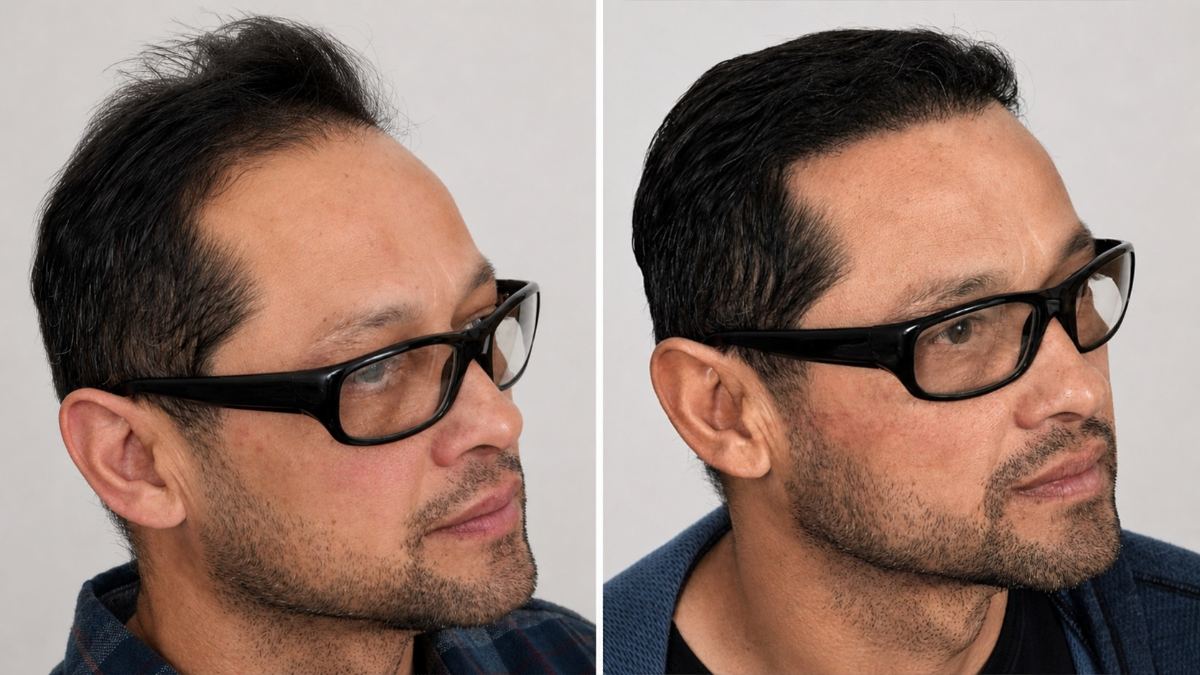
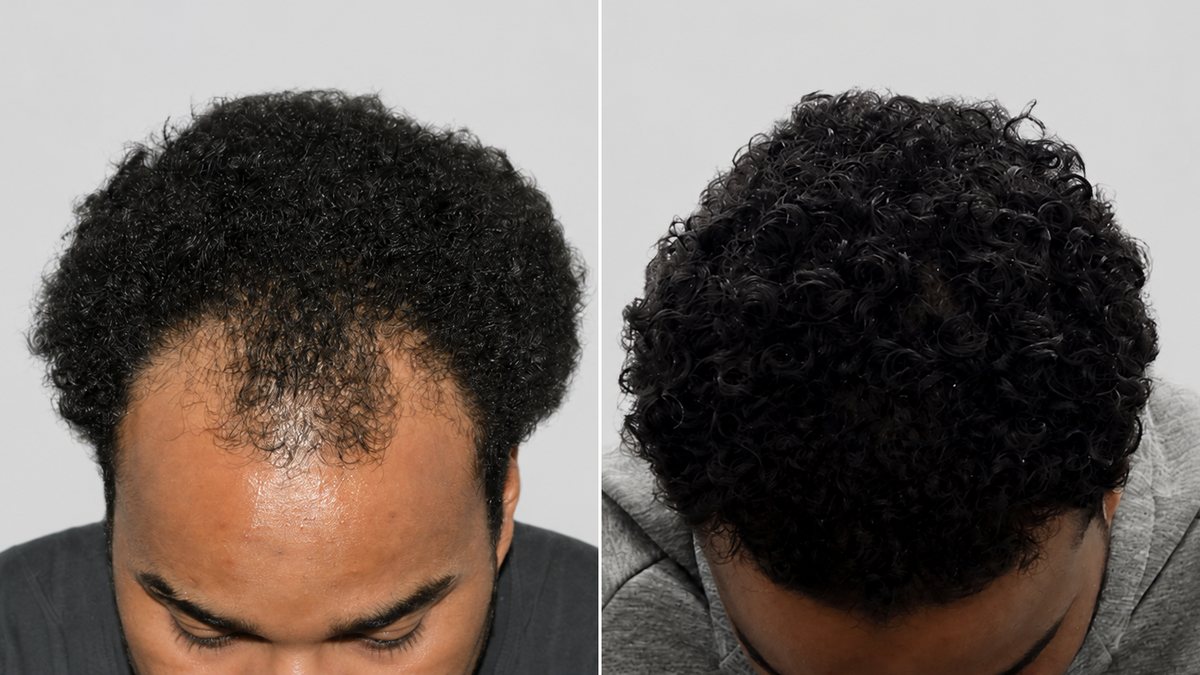
Real Results
Simple 1 Day Treatment®. Lifetime Results.
Every photo below is a real Advanced Hair patient: Advanced FUE™, their own natural hair, Guaranteed to Grow for Life™.
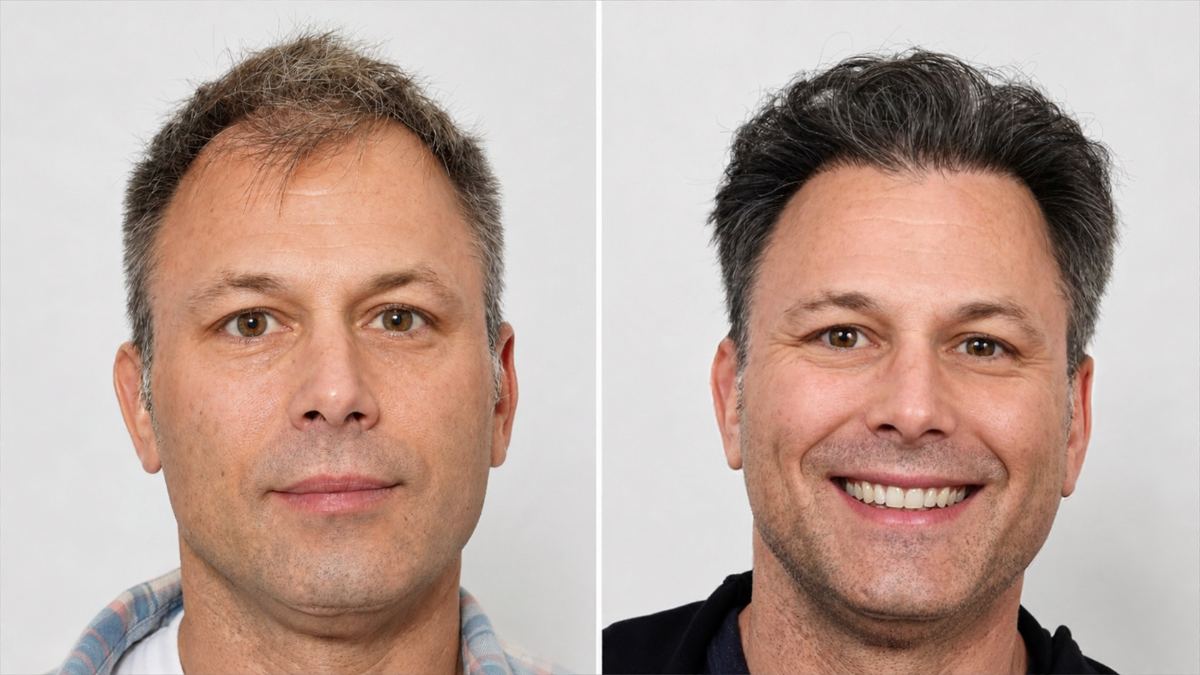
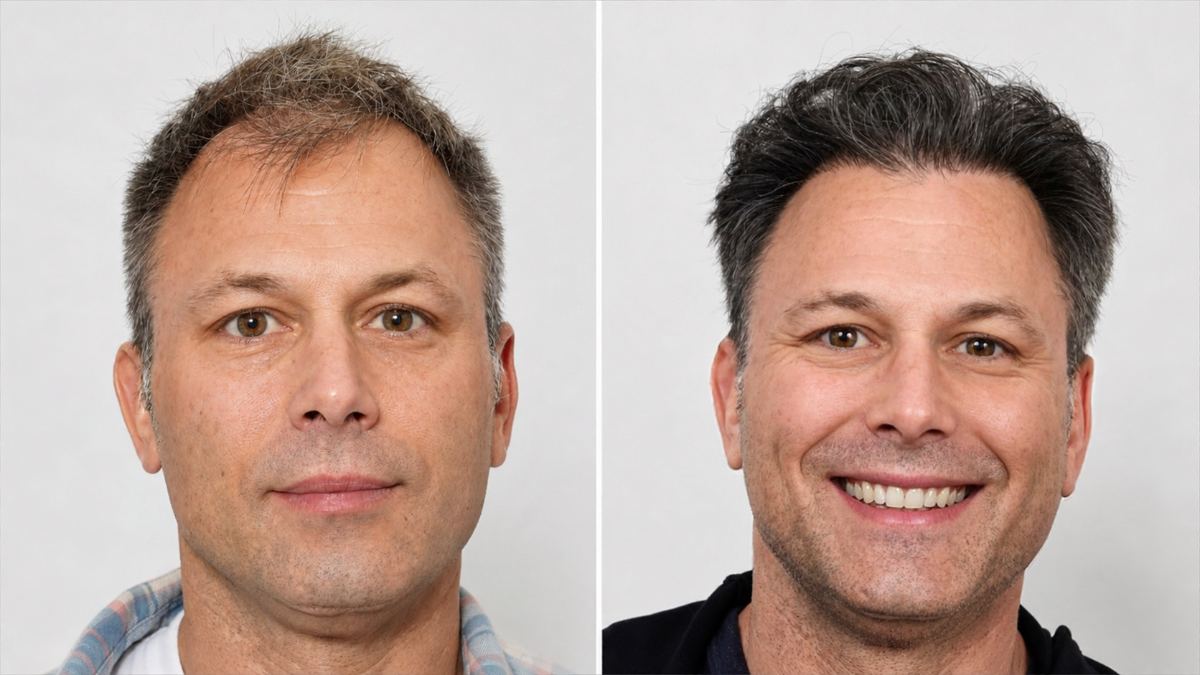
Kyle M. · 3,000 Advanced FUE™ grafts
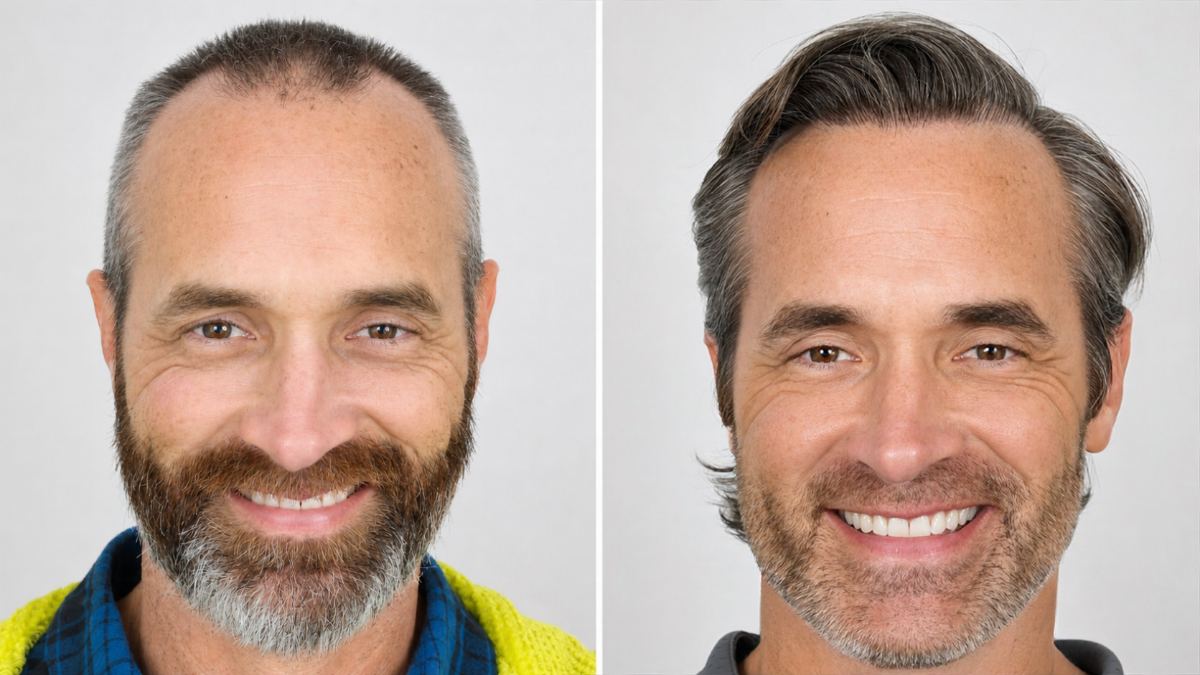
Scott H. · 2,500 Advanced FUE™ grafts
Madison T. · 3,300 Advanced FUE™ grafts
AJ S. · 2,500 Advanced FUE™ grafts
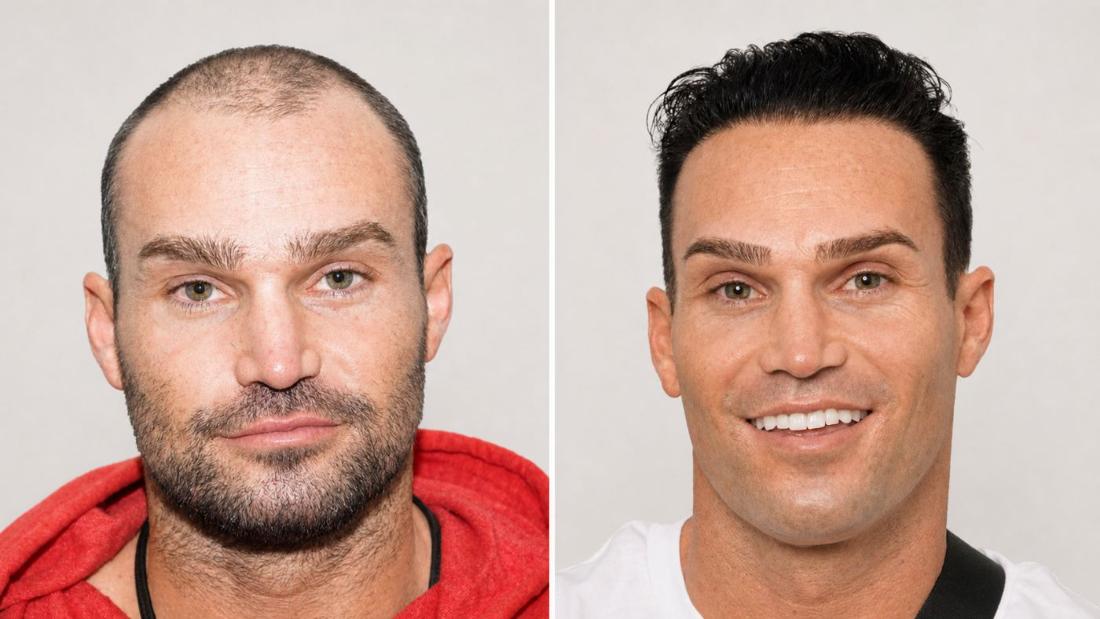
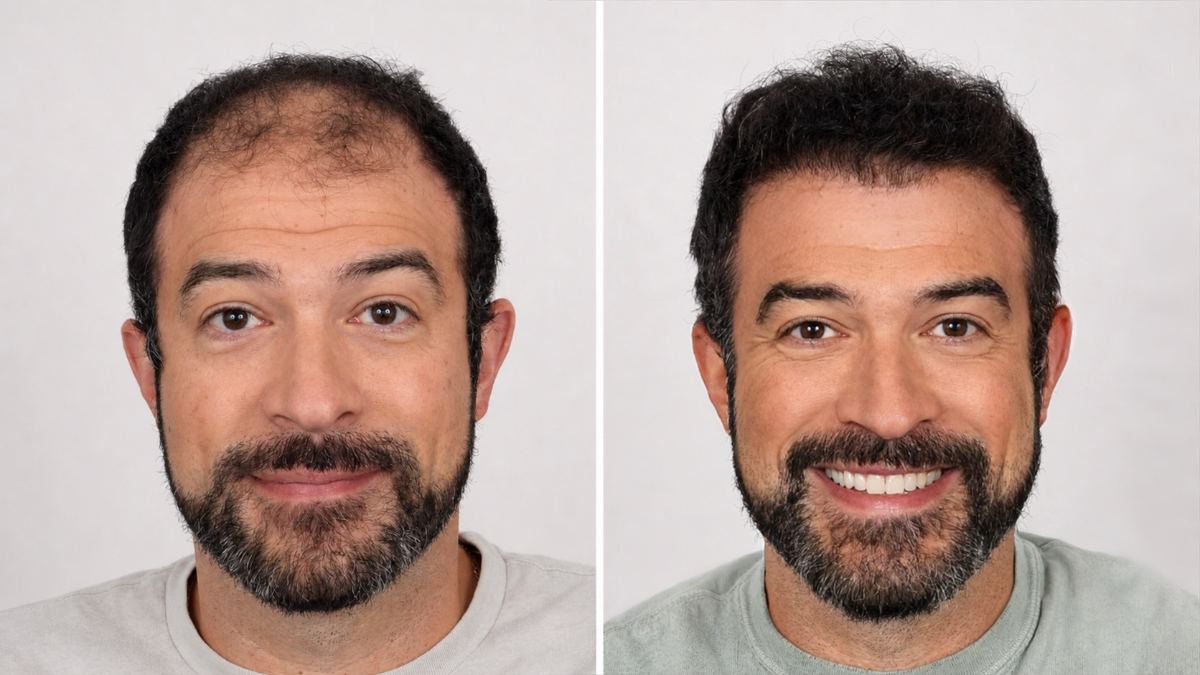
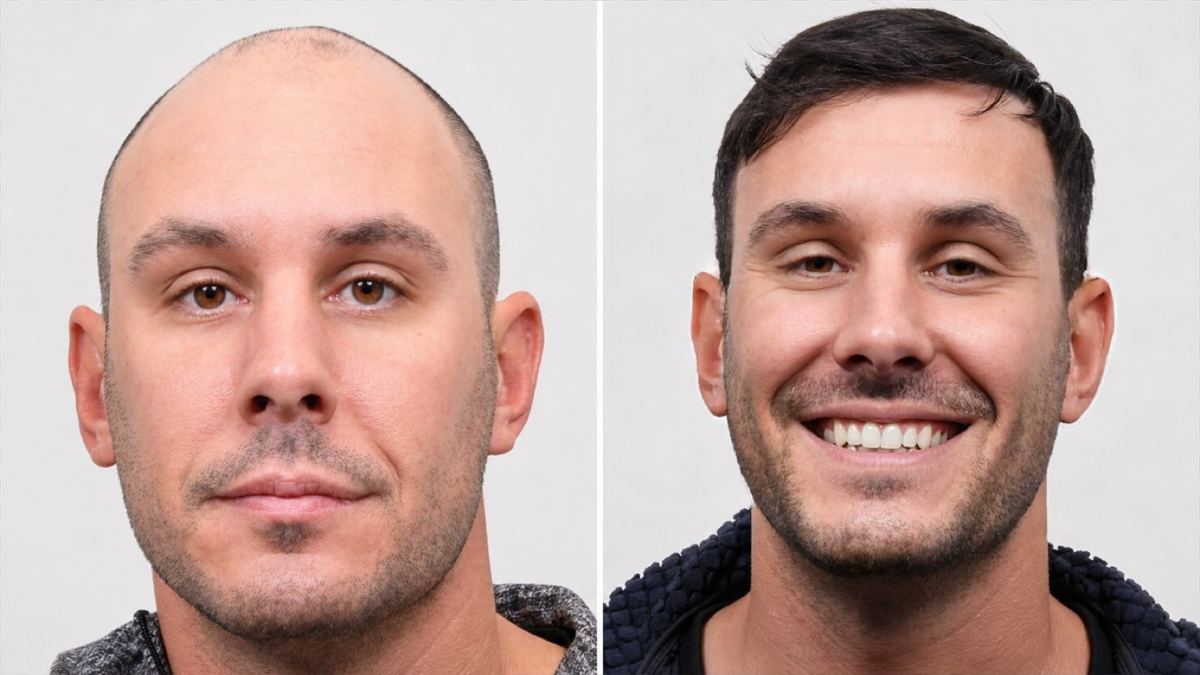
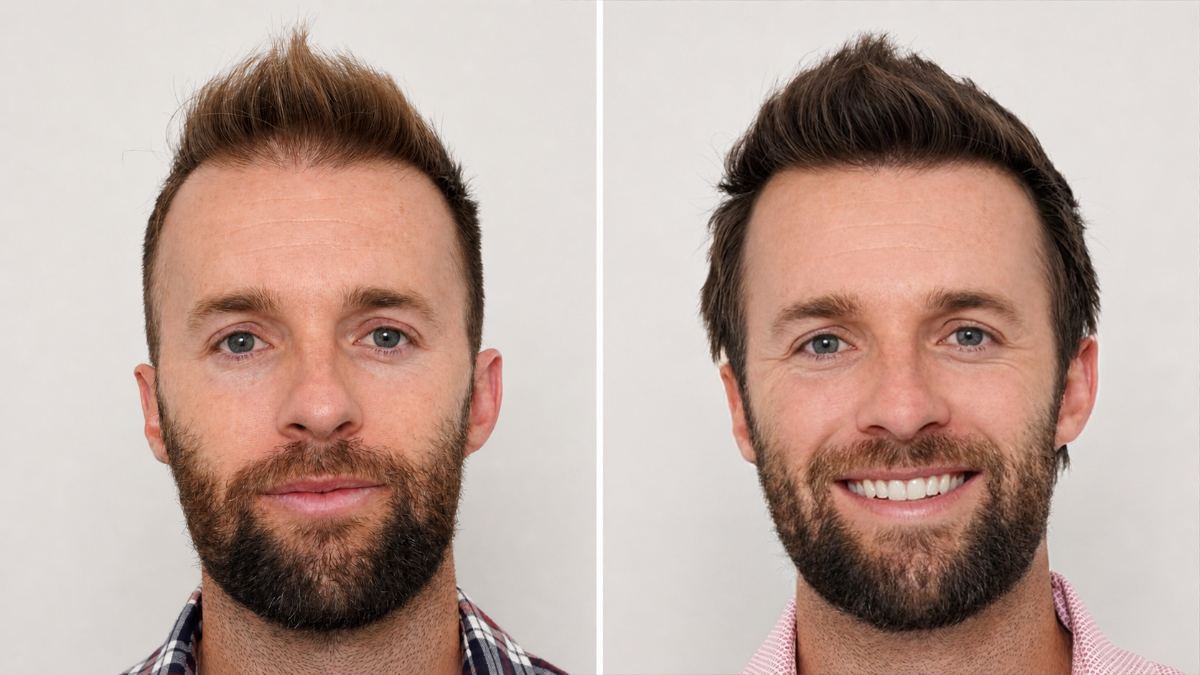
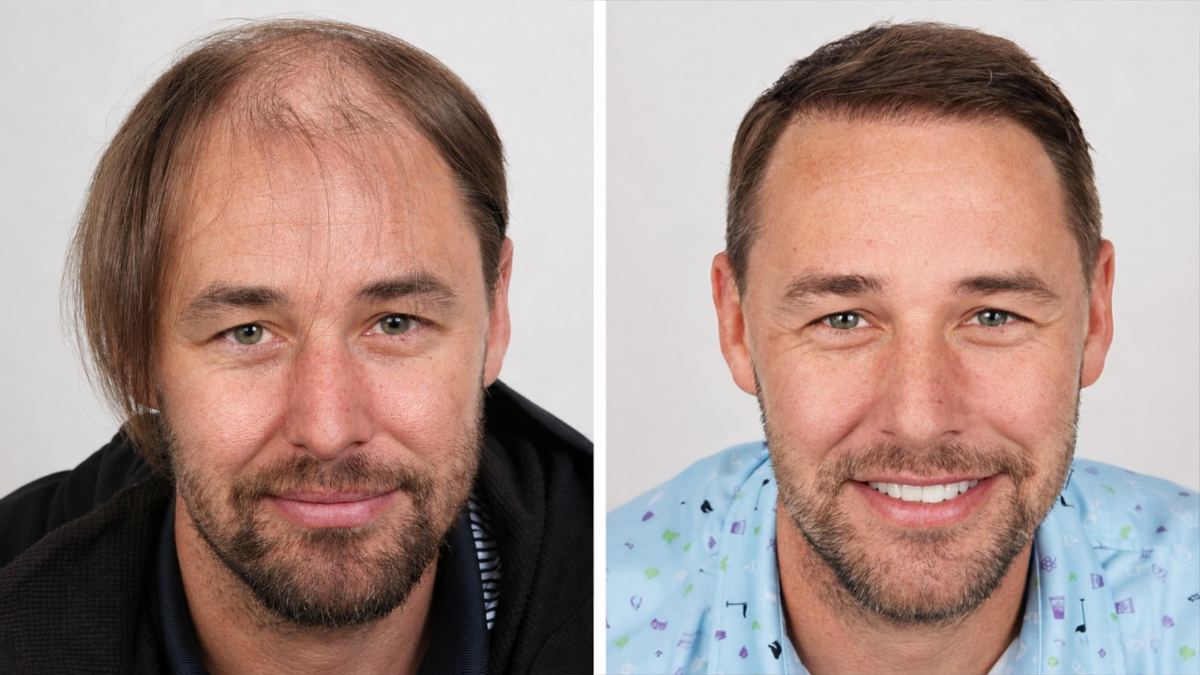
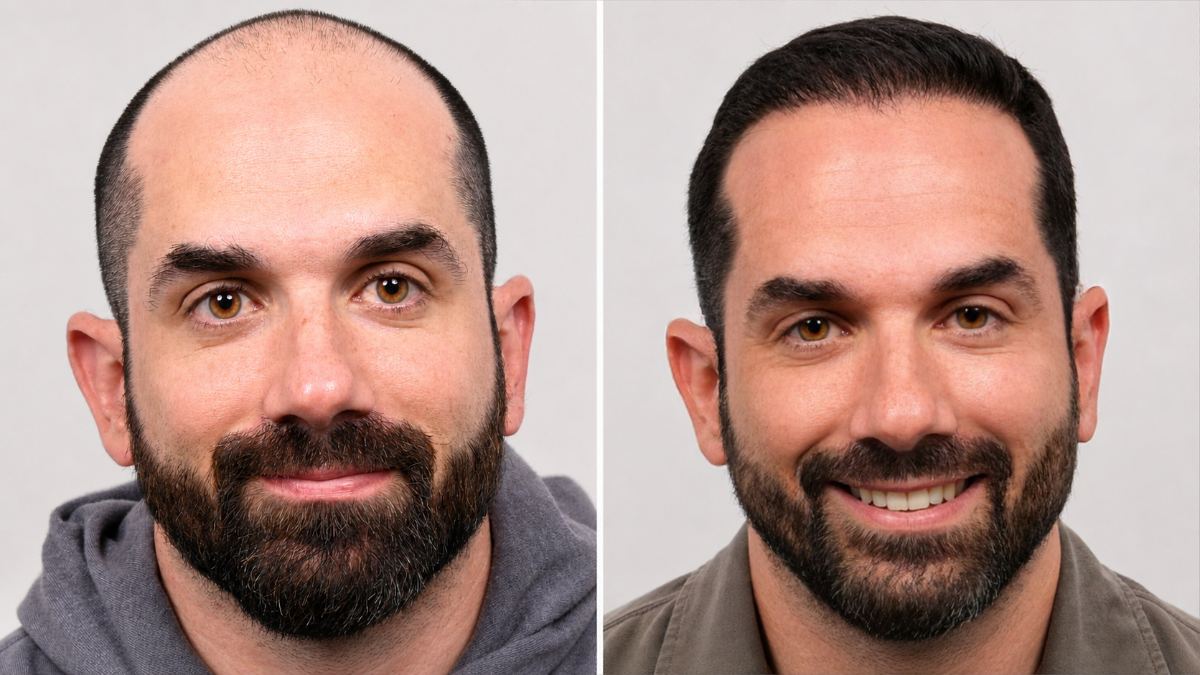
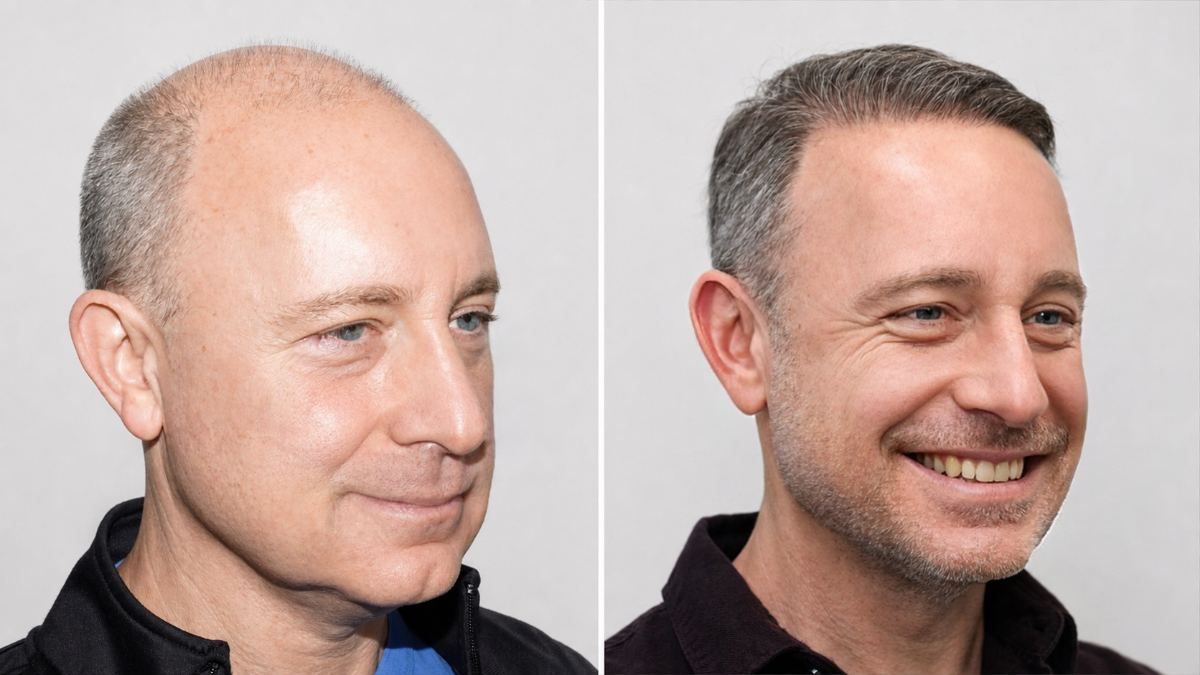
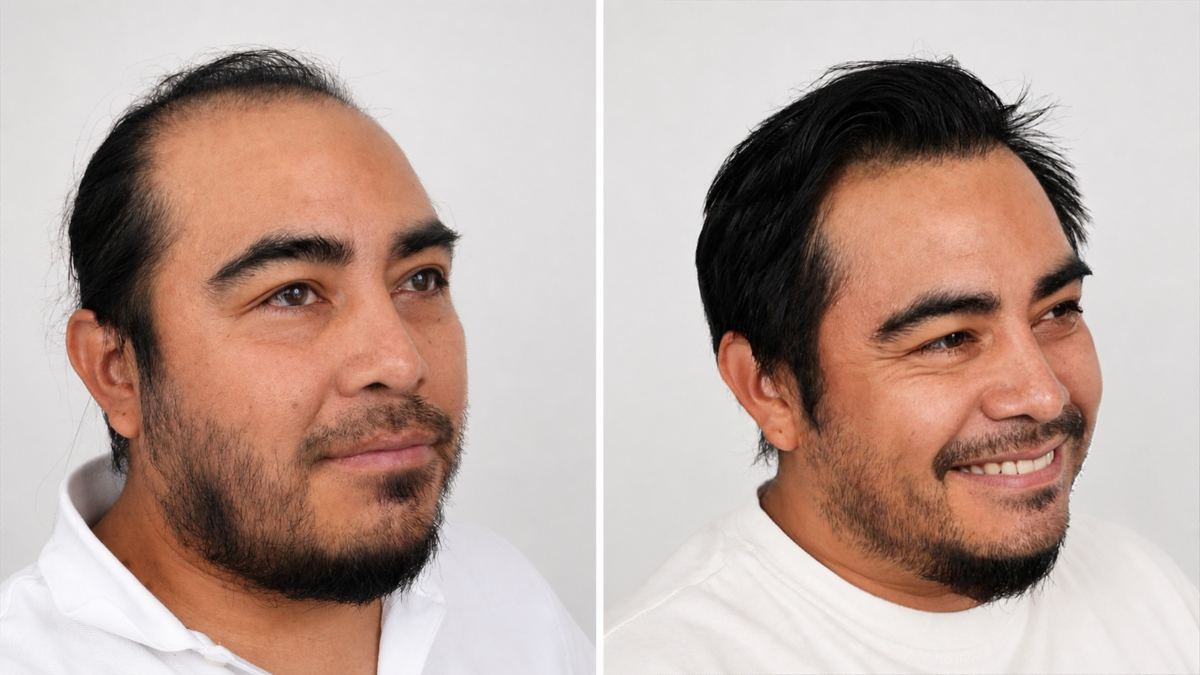
Individual results may vary.
Next step
Not sure how much of your hair can still be protected?
A consultation with a magnified scalp exam shows where your hair is thinning, how much is still growing and how much donor hair you have to work with. Then you can decide what to do now and what is worth waiting for.
Sources
- Pelage Pharmaceuticals announces first patient dosed in Phase 2/3 AWAKEN trial of PP405. Pelage Pharmaceuticals. October 14, 2026.
- Pelage Pharmaceuticals announces positive Phase 2a clinical trial results for PP405. Pelage Pharmaceuticals. June 17, 2025.
- Reactivating the follicle: PP405 moves toward late-stage trials for alopecia. Dermatology Times. March 28, 2026.
- Cosmo Announces Breakthrough Phase III Topline Results from Scalp 1 and Scalp 2. Cosmo Pharmaceuticals via Newsfile. December 3, 2025.
- Twelve-month Phase III data for clascoterone 5% topical solution. Cosmo Pharmaceuticals via Newsfile. April 15, 2026.
- Half-year 2026 report: clascoterone 5% regulatory submission plans. Cosmo Pharmaceuticals via Newsfile. July 23, 2026.
- Cosmo Pharma eyes 2027 NDA for baldness candidate after positive Phase III 12-month data. GEN. April 21, 2026.
- Phase 2/3 Study 302 results for oral VDPHL01 in men. Veradermics. April 27, 2026.
- Phase 3 Study 304 results for oral VDPHL01 in men. Veradermics via Business Wire. October 19, 2026.
- Phase III of KX-826 tincture 1.0% reached its primary endpoint. Kintor Pharmaceutical. March 18, 2026.
- Kintor Pharmaceutical 2026 interim results announcement. Kintor Pharmaceutical (HKEX filing). August 19, 2026.
- Absci announces first participants dosed in Phase 1/2a HEADLINE trial of ABS-201. Absci. December 4, 2025.
- Absci second quarter 2026 results. Absci (SEC filing). August 11, 2026.
- Interim trial results and preclinical data highlight potential of ABS-201 in androgenetic alopecia. Dermatology Times. August 6, 2026.
- AH-001, an AI-designed protein degrader, completes Phase 1. AnHorn Medicines. October 30, 2025.
- Phase 2 study of HMI-115, a prolactin receptor antibody, in men with androgenetic alopecia (NCT06118866). ClinicalTrials.gov.
- New treatments in development. International Society of Hair Restoration Surgery. modified April 2025.
- Position statement on qualifications for scalp surgery. International Society of Hair Restoration Surgery. revised July 13, 2024.
- Propecia (finasteride) prescribing information. DailyMed, U.S. National Library of Medicine. October 2024.
- Men's Rogaine 5% minoxidil foam label. DailyMed, U.S. National Library of Medicine. accessed October 2026.
- Minoxidil tablets prescribing information. DrugCentral. accessed October 2026.
- Product classification: laser comb for hair growth (product code OAP). U.S. Food and Drug Administration.
- 510(k) clearance K103428, ARTAS robotic hair harvesting system. U.S. Food and Drug Administration. April 4, 2011.
- Garza LA and colleagues: bald scalp in men with androgenetic alopecia retains hair follicle stem cells but lacks progenitor cells. Journal of Clinical Investigation. 2011.
- Male androgenetic alopecia (Endotext). NCBI Bookshelf. updated January 25, 2023.
- Histopathological Evidence of Occipital Involvement in Male Androgenetic Alopecia. Frontiers in Medicine. 2021.
- Orentreich N: Autografts in alopecias and other selected dermatological conditions. Annals of the New York Academy of Sciences. 1959.
- Hair loss: diagnosis and treatment. American Academy of Dermatology. December 13, 2022.
- Public safety notification on exosome products. U.S. Food and Drug Administration. December 6, 2019.
- Warning letter to Supreme Rejuvenation LLC. U.S. Food and Drug Administration. May 5, 2025.
- Consumer alert on regenerative medicine products, including stem cells and exosomes. U.S. Food and Drug Administration. current as of April 9, 2024.
- A Pilot Randomized Controlled Trial (RCT) Evaluating the Efficacy of an Exosome-Containing Plant Extract Formulation for Treating Male Alopecia. Life (MDPI). March 2025.
- FDA alerts health care providers, compounders and consumers of potential risks associated with compounded topical finasteride. U.S. Food and Drug Administration. April 22, 2025.
- Platelet-rich plasma (author perspective by Robert Haber, MD). International Society of Hair Restoration Surgery. modified September 15, 2025.
- Hair research and development. Shiseido. accessed October 2026.
- HairClone begins clinical testing. HairClone. March 3, 2026.
- Toyoshima KE and colleagues: fully functional hair follicle regeneration through the rearrangement of stem cells and their niches. Nature Communications. 2012.
- Stemson Therapeutics shuts down. Follicle Thought. December 19, 2024.
- FDA-approved JAK inhibitors for alopecia areata. National Alopecia Areata Foundation. accessed October 2026.
- Stimulation of hair regrowth in an animal model of androgenic alopecia using 2-deoxy-D-ribose. Frontiers in Pharmacology. 2024.
- Adipocyte lipolysis activates epithelial stem cells for hair regeneration through fatty acid metabolic signaling. Cell Metabolism. November 2025.
- From diagnoses to treatments: why Americans use AI chatbots for health. Pew Research Center. August 25, 2026.
- KFF Tracking Poll on Health Information and Trust: use of AI for health information and advice. KFF. March 25, 2026.
About the author
Dr. Barry R. Weiss is Medical Director for Advanced Hair Restoration's affiliated practices and has practiced hair restoration since 1997. He is certified by the American Board of Otolaryngology and the American Board of Facial Plastic and Reconstructive Surgery, is a Fellow of the American College of Surgeons, and earned his medical degree at the University of Illinois.
This article is general education, not medical advice. Medical care is provided by licensed physicians at Advanced Hair Restoration's affiliated practices.